Beneath the shimmering surface of our oceans, where sunlight struggles to penetrate and the seabed stretches into mysterious horizons, lies a world teeming with life. Among its most enigmatic residents are the flatfish, creatures perfectly adapted to a life lived horizontally. One such marvel, often celebrated for its delicate flavor and intriguing biology, is the Black Sole. Far more than just a culinary delight, this benthic dweller is a master of disguise, an evolutionary success story, and a vital component of marine ecosystems. Join us on a deep dive into the fascinating life of the Black Sole, uncovering its secrets from the sandy seafloor to its place in human culture.
Unveiling the Black Sole: A Master of Camouflage
The Black Sole, most commonly referring to species like the Dover Sole (Solea solea), is a true testament to nature’s ingenuity. This remarkable fish belongs to the family Soleidae, a group renowned for their flattened bodies and unique adaptations. Typically, an adult Black Sole can reach lengths of up to 70 centimeters, though specimens around 30 to 40 centimeters are more common. Its oval shaped body is highly compressed, allowing it to lie almost imperceptibly flat against the seabed.
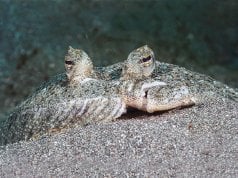
Its most striking feature, beyond its flatness, is its coloration. The upper side, which faces upwards, is usually a mottled brown, grey, or greenish hue, perfectly mimicking the sandy or muddy seafloor it inhabits. This incredible camouflage is not static; the Black Sole possesses the ability to subtly change its skin pattern and shade to blend seamlessly with its immediate surroundings, making it virtually invisible to both predators and unsuspecting prey. The underside, by contrast, is typically a pale white or cream color.
Where the Black Sole Calls Home: Habitat and Distribution
The Black Sole is a demersal fish, meaning it lives on or near the bottom of the sea. Its preferred habitat consists of soft substrates such as sand, mud, or fine gravel. These environments provide the perfect backdrop for its camouflage and allow it to burrow partially, further enhancing its concealment. They are typically found in coastal waters, estuaries, and continental shelves, ranging from shallow depths of just a few meters down to several hundred meters.
Geographically, the Black Sole is widely distributed across the Eastern Atlantic Ocean, from the coasts of Norway down to Senegal. It also thrives in the Mediterranean Sea, the North Sea, and the Baltic Sea. This broad distribution highlights its adaptability to various temperate and subtropical marine conditions.
For an animal lover hoping to spot a Black Sole in the wild, the best approach involves exploring suitable coastal areas. While direct observation by snorkeling or diving can be challenging due to their expert camouflage, looking for areas with extensive sandy or muddy bottoms in relatively calm, clear waters might offer a glimpse. Divers often spot them partially buried, with only their eyes protruding from the sediment. Remember, patience and a keen eye are essential when searching for these masters of disguise.
The Black Sole’s Menu: Diet and Feeding Habits
As a carnivorous bottom feeder, the Black Sole plays a crucial role in its ecosystem’s food web. Its diet primarily consists of a variety of small invertebrates found within or on the seabed. These include:
- Polychaete worms
- Small crustaceans such as amphipods and copepods
- Bivalve mollusks
- Echinoderms like brittle stars
- Occasionally, small fish
The Black Sole employs a unique hunting strategy. Lying perfectly still and camouflaged, it waits for unsuspecting prey to come within striking distance. Its mouth is small and asymmetrical, adapted for sucking up food from the substrate. It uses its keen sense of smell and touch, aided by specialized sensory organs on its blind side, to detect prey buried in the sand or mud. Once prey is located, a swift movement allows it to engulf the meal. This efficient feeding behavior helps control populations of benthic invertebrates and contributes to the overall health of the seafloor community.
From Egg to Adult: The Black Sole’s Reproductive Journey
The life cycle of the Black Sole is a remarkable journey of transformation, characteristic of all flatfish. Reproduction typically occurs during the warmer months, varying by region but often peaking in spring and early summer.
- Spawning: Adults migrate to specific spawning grounds, often in shallower coastal waters. Females release a large number of pelagic eggs, which are buoyant and drift freely in the water column.
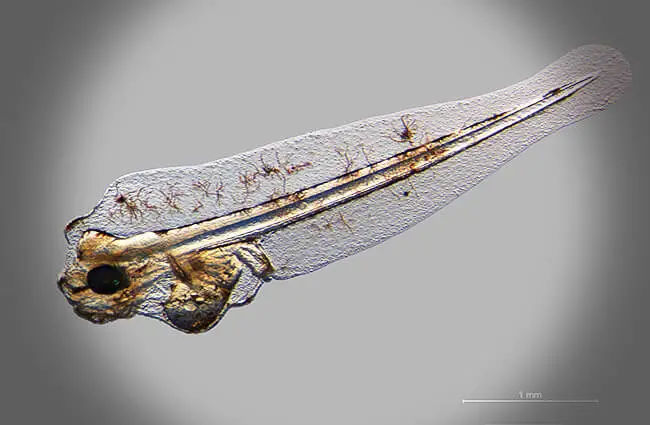
- Larval Stage: The eggs hatch into tiny larvae that are initially symmetrical, resembling typical fish fry. They swim upright in the water column, feeding on plankton. At this stage, their eyes are on opposite sides of their head.
- Metamorphosis: This is the most dramatic phase. As the larvae grow, one eye begins to migrate across the top of the head to join the other eye on what will become the upper side of the fish. Simultaneously, the body flattens, and the fish begins to orient itself horizontally. This incredible transformation prepares the young sole for its benthic lifestyle.
- Juvenile Stage: Once metamorphosis is complete, the juvenile soles settle onto the seabed, adopting their camouflaged, bottom dwelling existence. They continue to grow, feeding on smaller invertebrates, until they reach sexual maturity, usually within 3 to 5 years.
This complex reproductive process ensures the continuation of the species, with each stage presenting unique challenges and adaptations for survival.
An Evolutionary Marvel: How the Black Sole Became Flat
The flattened body and eye migration of the Black Sole are not merely quirks; they are the result of millions of years of evolutionary adaptation. The ancestors of flatfish were symmetrical, upright swimming fish. Over time, as these fish began to exploit the rich food resources available on the seabed, natural selection favored individuals that could lie flatter and blend better with their surroundings.
The key evolutionary step was the migration of one eye. Imagine trying to lie flat on your side with one eye constantly looking into the sand. Inefficient, to say the least! The gradual shift of one eye to the upper side allowed the fish to maintain a wide field of vision while remaining pressed against the bottom. This adaptation, coupled with the development of sophisticated camouflage, provided a significant survival advantage, enabling them to ambush prey and evade predators more effectively. The Black Sole stands as a living example of how profound environmental pressures can sculpt life into truly extraordinary forms.
An Ecosystem Engineer: The Black Sole’s Role in Nature
Within its marine habitat, the Black Sole is more than just another fish; it is an active participant in the intricate web of life. Its role as a predator of benthic invertebrates helps to regulate their populations, preventing any single species from dominating the seafloor community. By consuming these organisms, the Black Sole facilitates the transfer of energy from lower trophic levels to higher ones, eventually becoming prey itself for larger fish, sharks, and marine mammals.
Furthermore, its feeding behavior, which often involves disturbing the sediment to uncover prey, contributes to bioturbation. This process helps to oxygenate the upper layers of the seabed, influencing nutrient cycling and creating microhabitats for other organisms. The Black Sole’s presence is an indicator of a healthy, productive benthic environment, highlighting its contribution to the overall biodiversity and stability of coastal ecosystems.
Black Sole and Humanity: A Complex Relationship
The Black Sole holds a significant place in human culture, primarily as a highly prized food fish. Its delicate, firm, white flesh is considered a culinary delicacy in many parts of the world, particularly in Europe. This popularity has led to extensive commercial fishing, making it an economically important species for many coastal communities.
However, this demand also presents challenges. Overfishing has been a concern in some regions, leading to declines in Black Sole populations. Conservation efforts, including fishing quotas, size limits, and protected areas, are crucial to ensure the sustainability of this valuable resource. Habitat degradation, caused by pollution and destructive fishing practices, also poses a threat to Black Sole populations and their delicate ecosystems.
Beyond its economic value, the Black Sole represents a connection to the ocean’s bounty and the traditional livelihoods of fishing communities. Its presence in markets and restaurants speaks to a long standing human interaction with marine life, underscoring the need for responsible stewardship of our natural resources.
Caring for Black Sole in Captivity: A Zookeeper’s Guide
For zookeepers tasked with caring for Black Sole, understanding their specific needs is paramount to their health and well being. Replicating their natural benthic environment is key.
- Tank Setup: A large, shallow tank with ample floor space is essential. The substrate should consist of fine sand or a sand mud mixture, at least 10 15 centimeters deep, to allow for natural burrowing behavior. Ensure no sharp objects are present.
- Water Quality: Maintain stable marine conditions.
- Temperature: Typically between 10 18°C (50 64°F), depending on the specific origin of the fish.
- Salinity: Around 30 35 ppt.
- pH: 8.0 8.4.
- Excellent filtration is crucial to keep water parameters pristine, as flatfish can be sensitive to poor water quality.
- Diet: In captivity, Black Sole thrive on a diet of fresh or frozen invertebrates.
- Chopped shrimp, squid, and various marine worms are excellent choices.
- Offer food directly onto the substrate, allowing the sole to forage naturally.
- Feed small amounts multiple times a day to mimic natural feeding patterns.
- Social Behavior: Black Sole are generally solitary or found in loose aggregations. While they can be housed with other non aggressive, bottom dwelling species, ensure adequate space to prevent stress.
- Health Monitoring: Regularly inspect the fish for any signs of disease, such as lesions, fin rot, or unusual behavior. Good water quality and a balanced diet are the best preventative measures.
Tasks to Perform:
- Daily water parameter checks.
- Regular substrate cleaning to prevent anaerobic pockets.
- Careful observation of feeding behavior and overall health.
- Enrichment through varied food presentation.
Things to Avoid:
- Sudden changes in water parameters.
- Overcrowding.
- Inadequate substrate depth or type.
- Aggressive tank mates.
- Loud noises or vibrations near the tank, which can cause stress.
Encountering a Black Sole in the Wild: What to Do
While a hiker on land is unlikely to encounter a Black Sole, a diver, snorkeler, or even someone exploring a tide pool might be lucky enough to spot one. If you do encounter a Black Sole in its natural habitat, the best course of action is simple: observe respectfully and do not disturb.
- Maintain Distance: Give the fish plenty of space. Approaching too closely can cause stress and disrupt its natural behavior.
- Observe Quietly: Move slowly and avoid sudden movements or loud noises. Remember, their camouflage is their primary defense.
- Do Not Touch or Harass: Never attempt to touch, pick up, or chase a Black Sole. This can injure the fish, remove its protective mucus layer, and cause unnecessary stress.
- Leave No Trace: Ensure you do not leave any litter or disrupt the seabed. The health of their habitat is crucial for their survival.
Appreciating these creatures in their natural environment without interference is the most responsible and rewarding way to interact with marine wildlife.
Fascinating Facts About the Black Sole
The Black Sole is full of surprises. Here is a list of intriguing facts that highlight its unique biology and ecological significance:
- Long Lifespan: Black Soles can live for a surprisingly long time, with some individuals reaching over 20 years in age.
- Exceptional Taste Buds: They possess taste buds not only in their mouths but also on the blind side of their bodies, helping them detect food buried in the sand.
- Unique Swimming: While they spend most of their time on the bottom, when they do swim, they do so with an undulating motion of their fins, appearing to glide effortlessly through the water.
- Right Eyed: Most Black Soles are “right eyed,” meaning their left eye migrates to the right side of their head during metamorphosis. However, a small percentage can be “left eyed.”
- No Swim Bladder: Unlike many fish, Black Soles do not possess a swim bladder, which is an adaptation for their benthic lifestyle, allowing them to stay firmly on the seabed.
- Sensitive to Vibration: Their lateral line system is highly developed, allowing them to detect subtle vibrations in the water and substrate, crucial for locating prey and avoiding predators.
- Seasonal Migration: Some populations undertake seasonal migrations, moving to deeper, warmer waters in winter and shallower areas for spawning in spring.
Conclusion: Appreciating the Ocean’s Flat Wonders
The Black Sole, with its remarkable camouflage, unique evolutionary journey, and vital role in marine ecosystems, is truly one of the ocean’s unsung heroes. From its humble beginnings as a symmetrical larva to its mastery of life on the seabed, this flatfish embodies the incredible adaptability and diversity of marine life. Understanding its biology, habitat, and interactions with both its environment and humanity is not just a matter of scientific curiosity; it is a step towards fostering a deeper appreciation for our oceans and the creatures that call them home. As we continue to explore and learn, let us commit to protecting these fascinating flat wonders for generations to come, ensuring that the Black Sole continues to thrive in its sandy domain.
![Closeup of a beautiful Red Angus cowPhoto by: U.S. Department of Agriculture [pubic domain]https://creativecommons.org/licenses/by/2.0/](https://animals.net/wp-content/uploads/2020/03/Red-Angus-4-238x178.jpg "Red Angus")
![Closeup of a beautiful Red Angus cowPhoto by: U.S. Department of Agriculture [pubic domain]https://creativecommons.org/licenses/by/2.0/](https://animals.net/wp-content/uploads/2020/03/Red-Angus-4-100x75.jpg "Red Angus")