The American Quarter Horse: A Legacy of Speed, Strength, and Spirit
In the vast tapestry of equine breeds, few possess the blend of raw power, agile grace, and unwavering intelligence quite like the American Quarter Horse. This remarkable animal, born from the crucible of early American ingenuity and necessity, has galloped its way into the hearts of equestrians, ranchers, and animal lovers worldwide. From the dusty arenas of rodeo to the tranquil pastures of a working ranch, the Quarter Horse stands as a testament to selective breeding and a profound partnership with humanity. This article delves into the fascinating world of this iconic breed, exploring its history, characteristics, lifestyle, and enduring cultural impact.
A Sprint Through History: The Origins of a Legend
The story of the American Quarter Horse is deeply intertwined with the pioneering spirit of the American frontier. Its lineage traces back to the 17th century, when English colonists in the American Southeast began crossing their imported English Thoroughbreds with the sturdy, agile horses brought by the Spanish conquistadors, which included breeds like the Spanish Barb and Chickasaw horses. These early crosses produced a compact, heavily muscled horse renowned for its ability to run short distances faster than any other breed. This exceptional speed over a quarter-mile gave the breed its distinctive name, as these horses were frequently raced on short tracks, often down village streets or across open fields.
As settlers moved westward, the Quarter Horse proved invaluable. Its powerful build, calm demeanor, and innate “cow sense” made it the ideal partner for working cattle on sprawling ranches. The breed continued to evolve, with further infusions of Thoroughbred blood, refining its athletic prowess and solidifying its reputation as the ultimate ranch horse. The establishment of the American Quarter Horse Association (AQHA) in 1940 marked a pivotal moment, standardizing the breed and propelling it to international recognition.
Defining Features: What Makes a Quarter Horse?
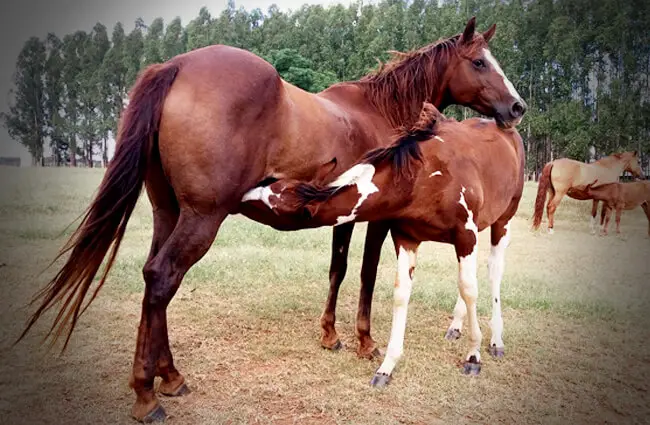
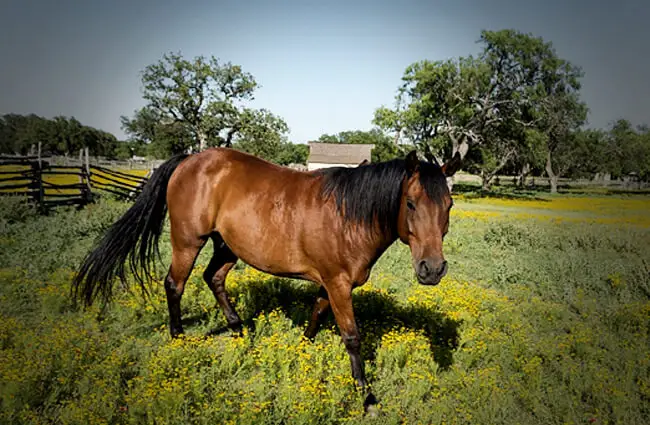
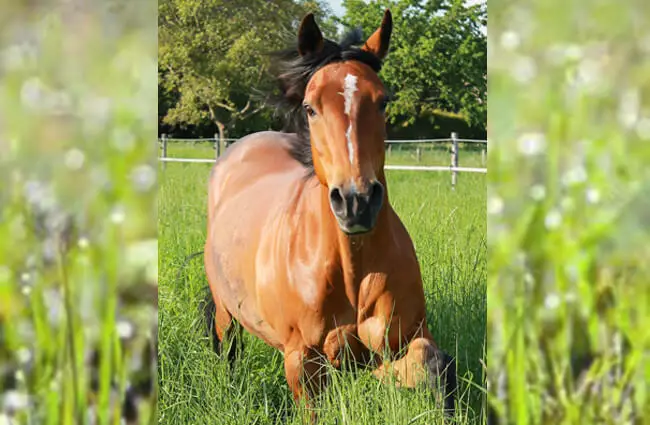
The American Quarter Horse possesses a distinctive physique that perfectly marries power with agility. Typically standing between 14.2 and 16 hands (56 to 64 inches) tall, these horses are characterized by their broad chests, short backs, and incredibly muscular hindquarters, which are the engine behind their explosive speed and quick turns. Their heads are refined, often with wide-set, intelligent eyes that reflect their calm and willing disposition. A strong, well-muscled neck flows into sloping shoulders, contributing to their balanced conformation.
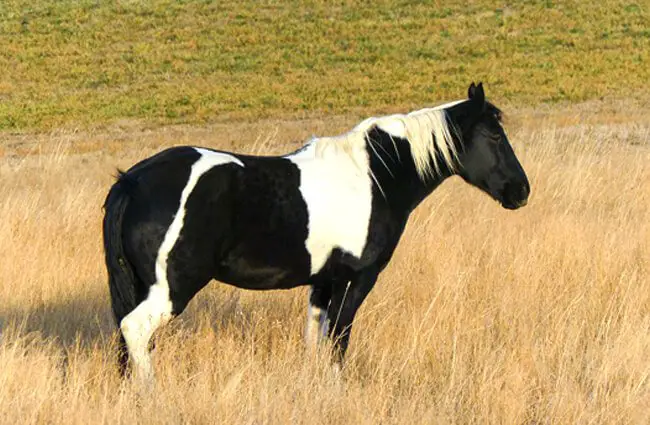
Beyond their physical attributes, the Quarter Horse’s temperament is a cornerstone of its appeal. Known for being intelligent, docile, and highly trainable, they are often described as having a “good mind.” This makes them suitable for riders of all experience levels and adaptable to a wide array of disciplines. They come in a vast spectrum of coat colors, including chestnut, sorrel, bay, black, palomino, buckskin, gray, roan, and even distinctive patterns like Paint or Appaloosa, though these are often registered under their respective breed associations if the pattern is dominant.
Life in Their Element: Habitat and Lifestyle
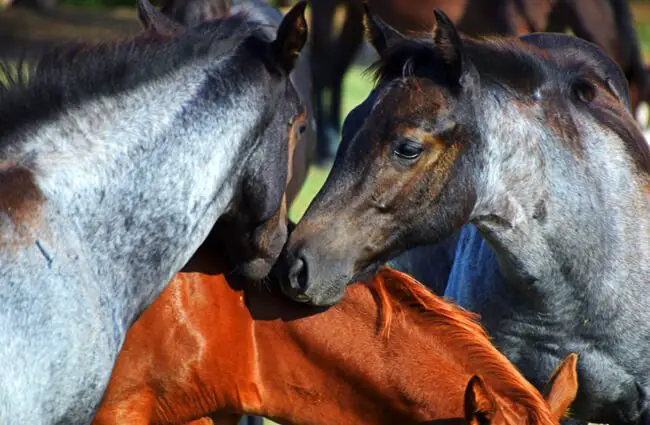
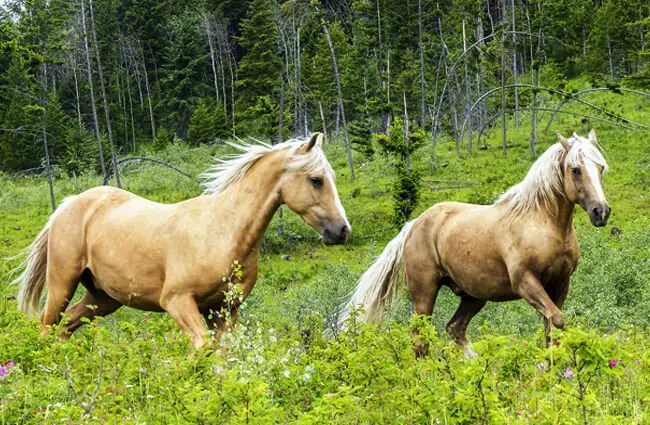
While the romantic notion of finding a Quarter Horse “in the wild” might appeal to some, it is crucial to understand that the American Quarter Horse is a domesticated breed. Their primary “habitat” is the ranch, farm, or equestrian facility, where they thrive under human care. They are found across North America and indeed, globally, wherever Western riding and cattle work are practiced. In these managed environments, Quarter Horses typically live in pastures or paddocks, often in small herds, reflecting their natural social instincts as equids. They benefit greatly from companionship with other horses, forming bonds and engaging in mutual grooming behaviors.
Occasionally, one might encounter free-ranging or feral horses in certain regions, particularly in the Western United States. While some of these may have Quarter Horse lineage, they are not truly “wild” in the ecological sense of an indigenous species. Instead, they are descendants of domesticated horses that have adapted to life without direct human intervention. For the most part, however, the Quarter Horse’s existence is deeply intertwined with human management, providing them with shelter, food, and protection.
The Quarter Horse Diet: Fueling an Athlete
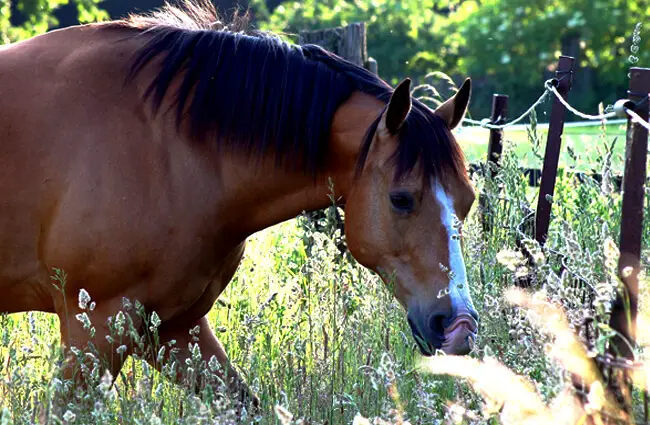
Like all horses, the Quarter Horse is a herbivore, with its digestive system designed for continuous grazing. Their primary diet consists of forage, meaning fresh pasture grass or high-quality hay. This provides the essential fiber, vitamins, and minerals they need to maintain health. The specific dietary needs of a Quarter Horse can vary significantly based on its age, activity level, and physiological state (e.g., pregnant mares, growing foals, or intensely working athletes).
For horses engaged in strenuous activities, such as competitive rodeo events or demanding ranch work, supplemental feeds like grains (oats, barley, corn) or commercially prepared concentrates are often necessary to provide additional calories and nutrients. It is paramount that all horses have constant access to fresh, clean water. Salt blocks or loose salt should also be available to ensure proper electrolyte balance. Any changes to a horse’s diet should be introduced gradually to prevent digestive upset.
The Cycle of Life: Mating and Reproduction
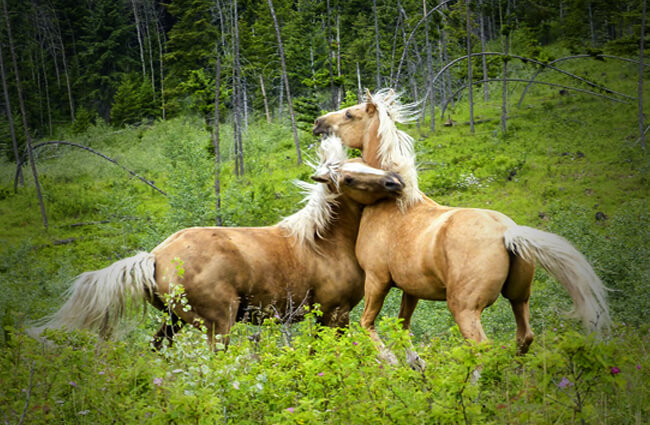
The reproduction of Quarter Horses, like most domesticated equids, is largely managed by humans to ensure the continuation and improvement of desirable traits. Mares typically reach sexual maturity around 18-24 months, though breeding usually commences at three or four years of age to allow for full physical development. Stallions are generally bred from two years old onwards. The breeding season for horses is naturally spring and summer, influenced by increasing daylight hours, though artificial lighting programs can extend this period for managed breeding.
The gestation period for a Quarter Horse mare is approximately 11 months (around 330-345 days). Mares usually give birth to a single foal, a process known as foaling, which typically occurs at night or in the early morning. The mare-foal bond is immediate and strong, with the foal standing and nursing within hours of birth. Foals are dependent on their mother’s milk for the first few months, gradually transitioning to solid food. Breeding practices range from natural pasture breeding to more controlled methods like hand breeding or advanced reproductive technologies such as artificial insemination and embryo transfer, allowing for careful genetic selection and the propagation of superior bloodlines.
Quarter Horses and the Ecosystem: More Than Just a Horse
As a domesticated breed, the Quarter Horse’s contribution to natural ecosystems is primarily indirect, through its role in human-managed landscapes. On ranches, their grazing habits can influence pasture health and plant diversity, similar to other livestock. Their most significant ecological interaction comes from their historical and ongoing role in cattle ranching. By efficiently herding and managing cattle, Quarter Horses contribute to the sustainable use of rangelands, preventing overgrazing in some areas and facilitating rotational grazing practices. They act as a vital tool in maintaining the balance of agricultural ecosystems.
Their presence also supports a diverse array of associated industries and practices, from feed production to veterinary services, all of which have their own ecological footprints. While not a wild species contributing to biodiversity in the traditional sense, their existence as a working animal helps shape the agricultural landscapes and economies of many regions, particularly in the American West. They are a prime example of how a domesticated animal can become an integral part of a human-designed ecosystem, interacting with livestock, land, and the people who manage them.
A Cultural Icon: The Quarter Horse’s Human Connection
The American Quarter Horse is more than just an animal; it is a living symbol of American heritage and a cornerstone of Western culture. Its unparalleled versatility has cemented its place in numerous human endeavors:
- Ranching and Cattle Work: From its inception, the Quarter Horse has been the cowboy’s indispensable partner, excelling at cutting, reining, and roping cattle with an almost intuitive understanding known as “cow sense.”
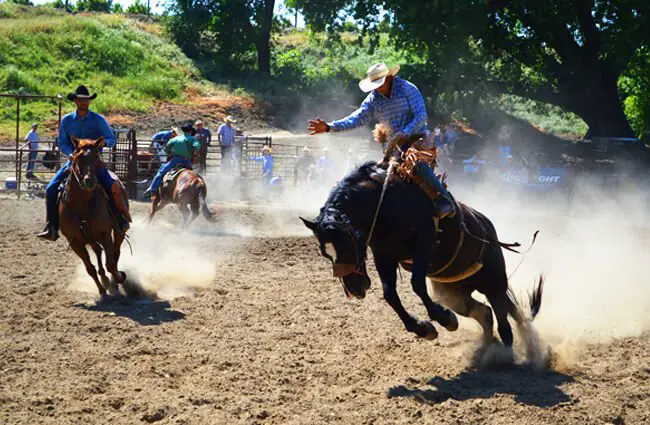
- Rodeo Sports: The breed dominates the rodeo arena, showcasing its explosive speed in barrel racing, its agility in pole bending, and its strength and intelligence in team roping and steer wrestling.
- Western Pleasure and Performance: Beyond the ranch, Quarter Horses are highly prized in disciplines like Western pleasure, trail riding, and reining, where their calm demeanor and smooth gaits are showcased.
- Therapeutic Riding: Their gentle nature and steady temperament make them excellent mounts for therapeutic riding programs, providing physical and emotional benefits to individuals with disabilities.
- Companionship: Many Quarter Horses are cherished family pets, offering companionship and enjoyment to recreational riders.
The breed’s contribution extends to the economy, supporting a vast industry of breeders, trainers, farriers, veterinarians, and equipment manufacturers. Its image is deeply embedded in art, literature, and film, representing freedom, hard work, and the spirit of the American West.
Encountering a Quarter Horse: A Guide for Hikers and Enthusiasts
For those hoping to encounter a Quarter Horse, it is important to remember their domesticated status. Unlike truly wild animals, these horses are typically owned and managed. Therefore, “finding one in the wild” usually means encountering horses on private property, such as a ranch or farm, or perhaps free-ranging horses in designated areas. If you are a hiker or an animal lover hoping to observe these magnificent creatures, consider the following:
- Respect Private Property: Always assume horses are owned. Do not trespass onto private land.
- Observe from a Distance: If you encounter horses in a pasture or field, admire them from a safe distance. Avoid approaching them directly, especially if they are with foals.
- Do Not Feed: Never feed a horse without the owner’s explicit permission. Many horses have specific dietary needs, and inappropriate treats can cause serious health issues or encourage undesirable behaviors like nipping.
- Avoid Sudden Movements: Horses are prey animals and can be easily startled. Move calmly and quietly.
- Where to “Find” Them: The best places to see Quarter Horses are at equestrian events, rodeos, horse shows, or by visiting a working ranch or riding stable where they are actively used and cared for.
Understanding and respecting their domesticated nature ensures a safe and positive experience for both humans and horses.
Caring for a Quarter Horse: Insights for Zookeepers and Owners
Caring for a Quarter Horse, whether in a private stable or a zoological setting, requires a comprehensive understanding of their needs. Their athletic build and intelligent nature demand specific attention to diet, exercise, health, and social interaction.
- Daily Care Essentials:
- Nutrition: Provide a balanced diet of high-quality forage (hay or pasture) as the foundation. Supplement with grains or concentrates as needed, based on activity level, age, and condition. Always ensure constant access to fresh, clean water and a salt source.
- Grooming: Regular grooming is vital. This includes daily brushing to maintain coat health and check for injuries, and meticulous hoof care by a qualified farrier every 6-8 weeks to prevent lameness.
- Exercise: Quarter Horses are athletes. They require regular exercise, whether through turnout in a large pasture, riding, or structured training sessions, to maintain muscle tone, mental well-being, and prevent boredom or behavioral issues.
- Veterinary Care: A routine veterinary schedule is crucial. This includes annual vaccinations against common equine diseases, regular deworming based on fecal egg counts, and routine dental examinations and floating (filing sharp points on teeth) at least once a year.
- Enrichment and Social Needs:
- Companionship: Horses are herd animals. Providing them with equine companions, or at least visual and auditory access to other horses, is essential for their psychological health.
- Mental Stimulation: Enrichment can include pasture turnout, varied training routines, puzzle feeders, or horse-safe toys to prevent boredom and promote natural behaviors.
- What to Avoid:
- Improper Feeding: Avoid sudden dietary changes, overfeeding (leading to obesity and laminitis), or underfeeding.
- Lack of Exercise or Confinement: Prolonged stall rest without adequate exercise can lead to physical and behavioral problems.
- Isolation: Keeping a horse completely isolated from other equines can cause stress and anxiety.
- Neglect of Health Issues: Promptly address any signs of illness, injury, or lameness. Regular preventative care is always better than reactive treatment.
Fascinating Facts About the American Quarter Horse
The Quarter Horse is a breed brimming with intriguing details:
- Lightning Fast: They can reach speeds of up to 55 miles per hour over short distances, making them one of the fastest horse breeds in the world for a quarter-mile sprint.
- “Cow Sense” Extraordinaire: Many Quarter Horses possess an innate ability to anticipate a cow’s movements, a trait invaluable for cattle work and competitive cutting.
- The Most Popular Breed: With millions of registered horses, the American Quarter Horse is the largest breed registry in the world, a testament to its widespread appeal and versatility.
- Versatility is Key: While famous for Western disciplines, Quarter Horses also excel in English riding, driving, and even jumping, showcasing their incredible adaptability.
- Foundation Sires: Many modern Quarter Horses trace their lineage back to a few key foundation sires, such as Wimpy P-1, King P-234, and Peter McCue, whose genetics laid the groundwork for the breed’s success.
- Compact Powerhouses: Their relatively compact size, combined with immense muscle, allows for incredible agility and quick bursts of speed, perfect for the stop-and-start demands of ranch work.
The American Quarter Horse stands as a magnificent example of selective breeding and a profound partnership between humans and animals. Its legacy of speed, strength, and spirit continues to captivate and inspire, ensuring its place as a beloved and indispensable part of our world.
![Closeup of a beautiful Red Angus cowPhoto by: U.S. Department of Agriculture [pubic domain]https://creativecommons.org/licenses/by/2.0/](https://animals.net/wp-content/uploads/2020/03/Red-Angus-4-238x178.jpg "Red Angus")
![Closeup of a beautiful Red Angus cowPhoto by: U.S. Department of Agriculture [pubic domain]https://creativecommons.org/licenses/by/2.0/](https://animals.net/wp-content/uploads/2020/03/Red-Angus-4-100x75.jpg "Red Angus")