Beneath the waves of the world’s colder oceans swims a fish that is far more fascinating and vital than its often humble reputation suggests: the Pollock. Often found gracing dinner plates or lurking in the depths, this remarkable marine creature plays a pivotal role in both aquatic ecosystems and human economies. From its sleek, powerful form to its complex life cycle, the Pollock offers a wealth of insights into the intricate dance of marine life.
This article delves into the captivating world of Pollock, exploring its biology, behavior, ecological significance, and its multifaceted relationship with humanity. Prepare to discover why this unassuming fish is a true marvel of the deep.
Unveiling the Pollock: A Glimpse into its Identity
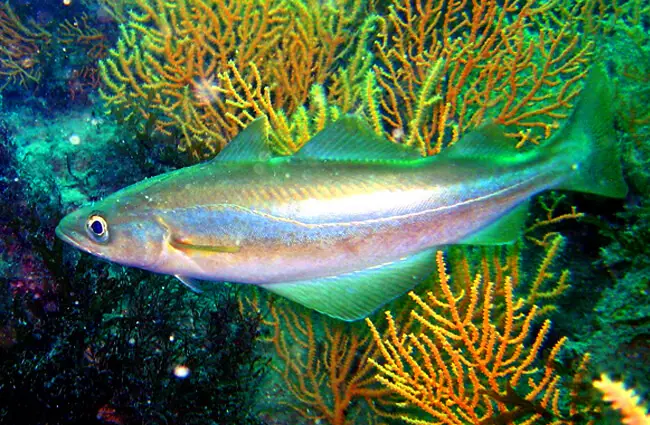
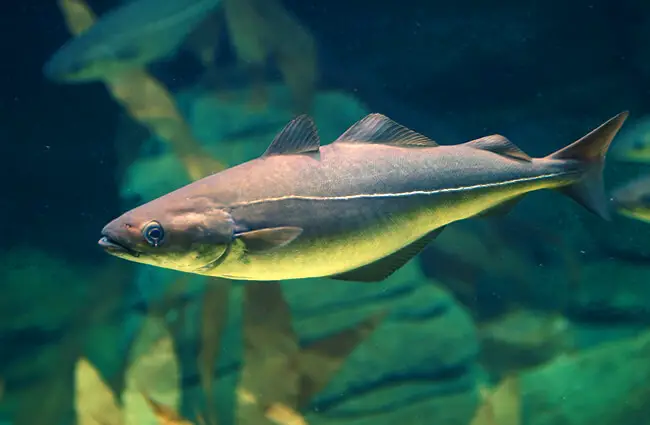
The term “Pollock” can refer to several closely related species within the cod family, Gadidae, primarily those in the genus Pollachius, such as the European Pollack (Pollachius pollachius) and the Saithe or Coalfish (Pollachius virens). In North America, the name often refers to Alaska Pollock (Gadus chalcogrammus), a distinct but related species of immense commercial importance. While there are subtle differences, these fish share many characteristics that define them as robust, fast-swimming predators of the open ocean.
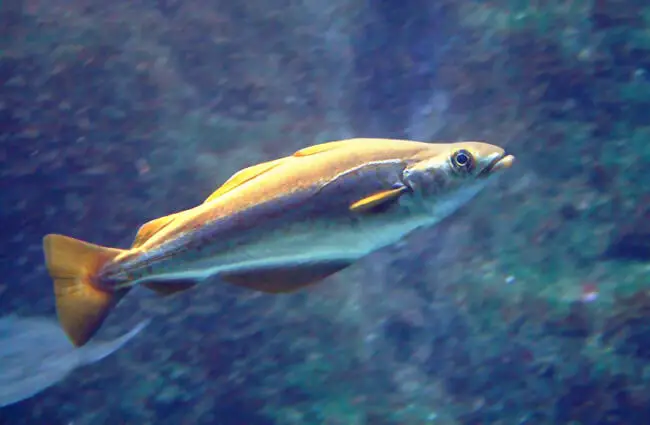
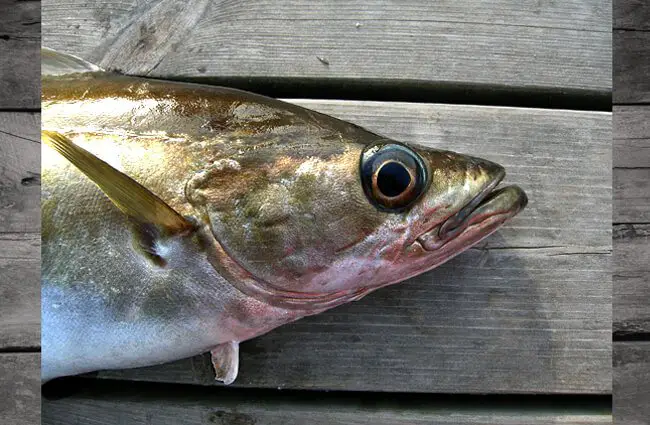
Typically, Pollock species exhibit a streamlined body, perfectly adapted for life in fast-moving waters. Their coloration can vary, often displaying a dark greenish-brown or olive hue on their backs, fading to a silvery-white belly. This countershading provides excellent camouflage against both the dark depths below and the bright surface above. A distinctive feature for many is the presence of three dorsal fins and two anal fins, characteristic of the cod family. They possess a relatively small barbel on their chin, or sometimes none at all, which helps distinguish them from true cod species.
Where the Wild Pollock Roam: Habitat and Distribution
Pollock are creatures of the cold, temperate waters of the Northern Hemisphere. Their distribution is widespread, reflecting their adaptability to various oceanic conditions.
- European Pollack (Pollachius pollachius): Primarily found in the northeastern Atlantic Ocean, ranging from Norway down to the Bay of Biscay, and around the British Isles. They prefer rocky areas, wrecks, and reefs, often inhabiting depths from the surface down to about 200 meters.
- Saithe/Coalfish (Pollachius virens): These robust fish have an even broader distribution across the North Atlantic, including the waters off Greenland, Iceland, Norway, the Barents Sea, and along the North American coast from Newfoundland to Cape Cod. They are more pelagic than European Pollack, often found in large schools in open water, from near the surface to depths exceeding 250 meters.
- Alaska Pollock (Gadus chalcogrammus): Dominates the North Pacific Ocean, particularly abundant in the Bering Sea, Gulf of Alaska, and the Sea of Okhotsk. They are a semi-pelagic species, forming vast schools in mid-water depths, often between 50 and 300 meters, but can be found deeper.
These fish are highly migratory, often undertaking seasonal movements in response to food availability and spawning grounds. Their preference for cooler waters means they are sensitive indicators of ocean temperature changes.
The Pollock’s Plate: What’s on the Menu?
Pollock are opportunistic and voracious predators, playing a crucial role in the marine food web. Their diet shifts as they grow, reflecting their increasing size and hunting prowess.
- Juveniles: Younger Pollock primarily feed on smaller crustaceans, such as copepods, amphipods, and euphausiids (krill). They are efficient filter feeders and small-prey hunters in their early stages.
- Adults: As they mature, their diet transitions to include a wide variety of smaller fish. This piscivorous diet includes herring, capelin, sand eels, sprats, and young cod. They are also known to consume cephalopods like squid and other invertebrates.
Their schooling behavior is not just for protection; it also aids in hunting. Large schools of Pollock can effectively herd smaller fish, making them easier targets. This predatory efficiency is a key factor in their ecological impact.
The Circle of Life: Mating and Reproduction
The reproductive cycle of Pollock is a fascinating display of marine biology, ensuring the continuation of these abundant species.
- Spawning Season: Spawning typically occurs during the colder months, often from late winter to early spring, though specific timings vary by species and region. For instance, European Pollack might spawn from January to April, while Alaska Pollock peaks in late winter.
- Spawning Grounds: Adults migrate to specific spawning grounds, which are often deeper offshore waters or areas with suitable currents for egg dispersal.
- Egg Laying: Female Pollock are highly fecund, releasing millions of tiny, pelagic (free-floating) eggs into the water column. These eggs are fertilized externally by the males. A single large female can produce several million eggs in a season.
- Larval Development: The eggs drift with ocean currents, and after a period of incubation (which depends on water temperature), they hatch into larvae. These larvae are planktonic, feeding on microscopic organisms.
- Juvenile Stage: As they grow, the larvae develop into juveniles, moving towards shallower, more sheltered coastal waters or nursery areas where food is abundant and predation pressure might be slightly lower. They gradually adopt the schooling behavior characteristic of adults.
The sheer number of eggs produced is a survival strategy, as only a tiny fraction will survive to adulthood, facing immense predation pressure from other fish, seabirds, and marine mammals.
Pollock’s Place in the Grand Scheme: Ecosystem Contributions
Pollock are not just another fish in the sea; they are foundational components of their respective ecosystems, influencing countless other species.
- Predator: As significant predators of smaller fish and crustaceans, Pollock help regulate the populations of their prey species. This control can prevent overgrazing of plankton or overpopulation of certain forage fish, maintaining ecological balance.
- Prey: In turn, Pollock themselves are a vital food source for a wide array of marine animals. Their schooling behavior makes them attractive targets for larger predators.
- Marine Mammals: Seals, dolphins, porpoises, and various whale species (especially baleen whales) rely on Pollock as a primary food source.
- Seabirds: Gannets, puffins, gulls, and other diving seabirds frequently prey on juvenile and smaller adult Pollock.
- Larger Fish: Cod, halibut, sharks, and other large predatory fish readily consume Pollock.
- Nutrient Cycling: Through their feeding and waste products, Pollock contribute to the cycling of nutrients within the marine environment, helping to distribute organic matter and energy throughout the water column.
The health and abundance of Pollock populations are therefore critical indicators of the overall health of the marine ecosystems they inhabit.
The Human Connection: Pollock in Culture and Commerce
The interaction between humans and Pollock is extensive, spanning millennia and encompassing culinary traditions, economic industries, and recreational pursuits.
A Culinary Staple
Pollock is one of the most commercially important fish species globally, particularly Alaska Pollock. Its mild flavor, flaky white flesh, and versatility make it a popular choice for a variety of food products.
- Fish and Chips: Often used as a sustainable alternative to cod or haddock in classic fish and chip dishes.
- Surimi: Alaska Pollock is the primary ingredient for surimi, a processed fish paste used to make imitation crab meat, fish sticks, and other seafood products. This makes it a hidden ingredient in many popular dishes.
- Fillets and Blocks: Widely sold as frozen fillets, fish portions, and blocks for institutional and retail markets.
- Traditional Dishes: In regions like Norway, Saithe (Coalfish) is a traditional ingredient in various stews and baked dishes.
Economic Powerhouse
The commercial fishery for Pollock, especially Alaska Pollock, is one of the largest and most valuable fisheries in the world. It supports thousands of jobs and contributes significantly to the economies of coastal nations.
- Sustainable Practices: Many Pollock fisheries, particularly in the North Pacific, are well-managed and certified as sustainable, thanks to robust scientific assessment and strict quotas. This makes Pollock an environmentally conscious choice for consumers.
- Fishing Methods: Primarily caught using large midwater trawls, which target the dense schools of Pollock.
Recreational Angling
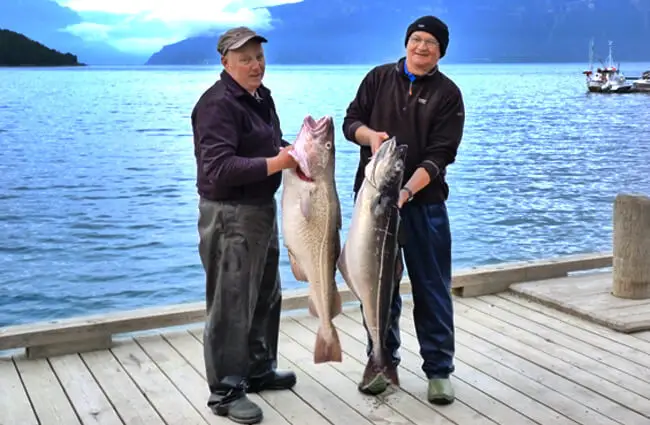
For sport fishermen, European Pollack and Saithe offer an exciting challenge. Known for their powerful fight and strong runs, they are popular targets for anglers using lures, flies, or bait.
- Techniques: Jigging with artificial lures, spinning with plugs, or bottom fishing with bait are common methods.
- Locations: Often targeted around rocky coastlines, reefs, and offshore wrecks where they congregate.
Fascinating Facts and Expert Insights
Beyond the basics, Pollock hold many intriguing secrets and present unique challenges for those who study or care for them.
Evolutionary Journey
Pollock belong to the ancient Gadidae family, which includes cod, haddock, and whiting. This lineage dates back millions of years, with fossil records indicating their presence in the Miocene epoch. Their evolutionary success can be attributed to their adaptability to cold, productive waters and their schooling behavior, which offers both protection and hunting advantages.
Sensory Acuity
Pollock possess well-developed sensory systems crucial for their survival. Their large eyes are adapted for vision in low light conditions, essential for hunting in deeper waters or during twilight hours. They also have a lateral line system, a specialized sensory organ that detects vibrations and pressure changes in the water, allowing them to navigate, detect prey, and avoid predators even in murky conditions.
Longevity and Growth
Depending on the species, Pollock can live for a considerable time. European Pollack can live up to 15 years, while Saithe can reach over 20 years. Alaska Pollock typically has a shorter lifespan, often around 10-15 years. Their growth rate is influenced by food availability and water temperature, with individuals in richer feeding grounds growing faster and larger.
Encountering Pollock in the Wild: A Guide for Enthusiasts
For the animal lover or aspiring zoologist hoping to observe Pollock in their natural habitat, direct encounters are primarily through fishing or diving. These are not fish you “hike” into, but rather actively seek out in the marine environment.
- Where to Find Them:
- Coastal Waters: European Pollack are often found near rocky shorelines, kelp forests, and around submerged structures like shipwrecks or artificial reefs.
- Open Ocean: Saithe and Alaska Pollock are more pelagic, found in large schools in mid-water depths over continental shelves and slopes.
- Aquariums: For guaranteed observation, public aquariums with cold-water exhibits are an excellent place to see Pollock up close.
- How to Find Them:
- Fishing Charters: Joining a fishing charter specializing in bottom or wreck fishing in the North Atlantic or North Pacific is a common way to encounter them.
- Diving/Snorkeling: In areas with good visibility and suitable habitats (e.g., rocky reefs in the North Atlantic), divers might spot European Pollack. Observing Saithe or Alaska Pollock in their vast offshore schools is much rarer for recreational divers.
- Research Vessels: Aspiring zoologists might seek opportunities on marine research vessels that conduct fish surveys in Pollock habitats.
- What to Do if Encountered:
- Observe Respectfully: If diving or snorkeling, maintain a respectful distance. Do not chase or harass the fish.
- Photography: Capture their beauty with underwater photography, but avoid using flash if it appears to disturb them.
- Fishing Encounters: If caught while fishing, handle the fish carefully if planning to release it. Minimize time out of water and use appropriate release techniques to ensure its survival.
Caring for Pollock in Captivity: A Zookeeper’s Guide
Keeping Pollock in a captive environment, such as a public aquarium, requires specialized knowledge and meticulous care to replicate their natural conditions.
- Habitat Replication:
- Temperature: Maintain cold, stable water temperatures, typically ranging from 5°C to 12°C (41°F to 54°F), depending on the specific species and its origin.
- Salinity: Replicate oceanic salinity levels, usually around 30-35 parts per thousand.
- Water Quality: Excellent filtration and aeration are paramount. Pollock require high dissolved oxygen levels and are sensitive to ammonia, nitrite, and nitrate. Regular water testing and changes are essential.
- Tank Size: Due to their active, schooling nature and potential size, Pollock require very large, open tanks with ample swimming space. For schooling species like Saithe, a circular or oval tank design can help prevent collisions.
- Substrate/Decor: For European Pollack, provide rocky structures, caves, or artificial reefs for shelter and enrichment. For pelagic species, a more open tank is suitable.
- Diet and Feeding:
- Variety: Offer a varied diet of high-quality frozen or fresh fish (e.g., herring, mackerel, capelin), squid, and crustaceans.
- Frequency: Feed several times a week, adjusting quantity based on fish size, activity level, and growth.
- Supplementation: Ensure the diet is supplemented with vitamins and minerals to prevent nutritional deficiencies.
- Social Structure:
- Schooling: Most Pollock species are schooling fish and thrive when kept in groups of their own kind. Solitary individuals may exhibit stress.
- Tank Mates: Choose tank mates carefully. They should be of similar size and temperament, not overly aggressive, and not small enough to be considered prey.
- Health Monitoring and Avoidances:
- Disease Prevention: Quarantine new arrivals. Monitor for signs of stress, parasites (e.g., sea lice), bacterial infections, or fungal growth.
- Stressors: Avoid sudden changes in water parameters, overcrowding, loud noises, or aggressive tank mates.
- Handling: Minimize handling, as it can strip their protective slime coat and cause stress or injury. If handling is necessary, use soft nets and wet hands.
- Lighting: Provide a natural light cycle, avoiding constant bright illumination.
Conclusion: The Enduring Legacy of Pollock
From the icy depths of the North Atlantic to the vast expanse of the Pacific, Pollock stands as a testament to the resilience and adaptability of marine life. These powerful, schooling fish are not merely a source of food; they are intricate components of complex ecosystems, vital predators and prey, and subjects of ongoing scientific study. Their story is one of ecological importance, economic significance, and a deep, enduring connection with human culture.
Understanding Pollock means appreciating the delicate balance of our oceans and recognizing the responsibility we hold in ensuring their continued health and abundance. Whether you are a student researching marine biology, an angler seeking a thrilling catch, or simply someone who enjoys a delicious fish dinner, the world of Pollock offers endless avenues for discovery and appreciation.
![Closeup of a beautiful Red Angus cowPhoto by: U.S. Department of Agriculture [pubic domain]https://creativecommons.org/licenses/by/2.0/](https://animals.net/wp-content/uploads/2020/03/Red-Angus-4-238x178.jpg "Red Angus")
![Closeup of a beautiful Red Angus cowPhoto by: U.S. Department of Agriculture [pubic domain]https://creativecommons.org/licenses/by/2.0/](https://animals.net/wp-content/uploads/2020/03/Red-Angus-4-100x75.jpg "Red Angus")