
The Majestic Atlantic Salmon: A Journey of Survival and Wonder
Few creatures embody the spirit of resilience and the incredible power of nature quite like the Atlantic Salmon, Salmo salar. This iconic fish, revered for its strength, beauty, and epic migrations, undertakes one of the most extraordinary journeys in the animal kingdom. From the cold, pristine rivers of its birth to the vast, nutrient-rich waters of the North Atlantic Ocean and back again, the Atlantic Salmon’s life story is a testament to adaptation and survival. As a zoologist turned popular science writer, it is a privilege to delve into the fascinating world of this magnificent species, exploring its biology, ecological role, and profound connection with both the natural world and human culture.
The Journey of a Lifetime: An Overview of the Atlantic Salmon
The Atlantic Salmon is a truly remarkable fish, distinguished by its anadromous lifestyle. This means it spends different parts of its life in vastly different environments: hatching and growing into juveniles in freshwater rivers and streams, migrating to the saltwater ocean to mature, and then returning to freshwater to spawn. Adults typically exhibit a sleek, silvery body with a dark back, often speckled with small black spots. During their freshwater spawning migration, their coloration can change dramatically, with males developing a reddish hue and a distinctive hooked jaw known as a “kype.”
These powerful swimmers can reach impressive sizes, with adults commonly weighing between 8 to 12 pounds, though some individuals can exceed 30 pounds. Their average lifespan in the wild is typically around 4 to 6 years, but some exceptionally robust individuals can live longer, undertaking multiple spawning migrations.
![Atlantic Salmon smolts Photo by: Peter Steenstra, U.S. Fish and Wildlife Service Northeast Region [Public Domain]](https://animals.net/wp-content/uploads/2020/01/Atlantic-Salmon-3-650x425.jpg)
A Life in Stages: The Atlantic Salmon’s Remarkable Life Cycle
The life of an Atlantic Salmon is a complex ballet of transformation and migration, divided into several distinct stages, each with its own challenges and adaptations.
- Eggs: The journey begins in the autumn when female salmon deposit their eggs in gravel nests, known as “redds,” on the riverbed. These eggs are fertilized by males and remain buried and protected through the winter.
- Alevins: Upon hatching in early spring, the young salmon are called alevins. They possess a large yolk sac attached to their underside, which provides nourishment as they remain hidden within the gravel, slowly absorbing the yolk.
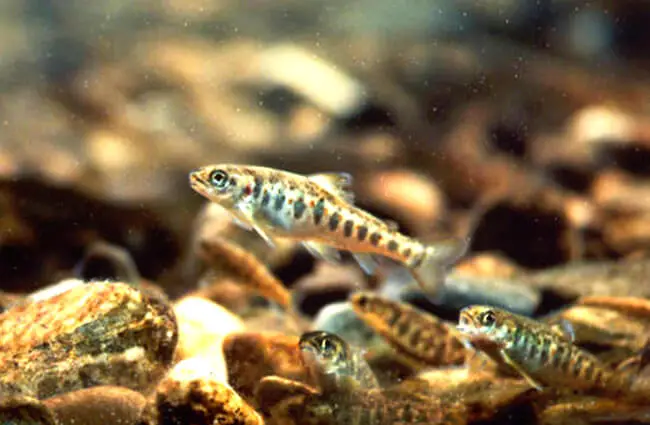
- Parr: Once the yolk sac is absorbed, the alevins emerge from the gravel as parr. These juveniles develop distinctive vertical bars and red spots along their flanks, providing camouflage in the rocky river environment. Parr spend typically 1 to 3 years in freshwater, feeding and growing stronger.
- Smolts: As parr approach their migration to the sea, they undergo a physiological transformation called smoltification. Their bodies become more streamlined and silvery, adapting them for saltwater survival. At this stage, they are known as smolts and begin their downstream migration to the ocean.
- Adults: Smolts spend 1 to 3 years, or sometimes more, feeding and growing rapidly in the rich marine environment of the North Atlantic. Once mature, they are driven by an incredible instinct to return to their natal rivers to spawn, completing the cycle.
Where the Wild Salmon Roam: Habitat and Distribution
The Atlantic Salmon’s habitat spans a vast geographical range, reflecting its anadromous nature. Understanding these diverse environments is key to appreciating its ecological needs.
- Freshwater Habitats:
- Spawning and Nursery Grounds: Atlantic Salmon require cold, clean, well-oxygenated freshwater rivers and streams with gravel or pebble bottoms for spawning. These areas are typically found in the temperate and subarctic regions of the North Atlantic. The presence of riparian vegetation is crucial for shading the water, maintaining cool temperatures, and providing insect prey for juvenile salmon.
- Geographical Distribution: Historically, Atlantic Salmon were found in virtually every river system flowing into the North Atlantic, from northern Portugal to Russia, Iceland, Greenland, and along the eastern seaboard of North America, from New England up to Arctic Canada.
- Marine Habitats:
- Feeding Grounds: After smoltification, young salmon migrate to the open ocean, primarily the North Atlantic. Their feeding grounds are vast and can include areas off the coasts of Greenland, the Faroe Islands, and various parts of the Norwegian Sea. These areas are rich in prey species, allowing the salmon to grow rapidly.
- Oceanic Migration Routes: The exact migration routes can vary depending on the river of origin, but these journeys often cover thousands of miles, navigating vast ocean currents.
![Adult Atlantic Salmon, artificial spawning Photo by: Peter Steenstra, U.S. Fish and Wildlife Service Northeast Region [Public Domain]](https://animals.net/wp-content/uploads/2020/01/Atlantic-Salmon-4-650x425.jpg)
What’s on the Menu? The Atlantic Salmon’s Diet
The diet of the Atlantic Salmon changes significantly as it progresses through its life stages and migrates between freshwater and saltwater environments.
- Freshwater Diet (Parr): In their riverine nursery grounds, young parr are opportunistic feeders. Their diet primarily consists of aquatic insects and their larvae, such as mayflies, caddisflies, and stoneflies. They also consume terrestrial insects that fall into the water, as well as small crustaceans and other invertebrates found in the riverbed.
- Marine Diet (Adults): Once in the ocean, adult Atlantic Salmon become formidable predators. Their diet shifts to include a variety of marine organisms, allowing for rapid growth. Key prey items include:
- Small schooling fish like herring, capelin, and sand eels.
- Squid and other cephalopods.
- Larger crustaceans such as krill and amphipods.
- Spawning Migration Diet: Interestingly, adult salmon largely cease feeding once they re-enter freshwater for their spawning migration. They rely on the energy reserves accumulated during their time in the ocean to fuel their arduous journey upstream and the demanding process of reproduction.
The Dance of Life: Mating and Reproduction
The reproductive journey of the Atlantic Salmon is one of nature’s most compelling spectacles, driven by an unwavering instinct to return to its birthplace.
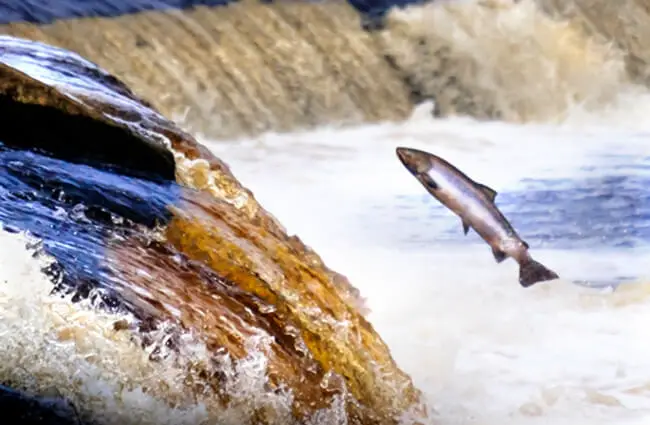
- The Spawning Migration: Mature salmon begin their upstream migration in late spring or early summer, battling strong currents, waterfalls, and predators to reach their natal spawning grounds. This journey can last for months.
- Redd Construction: Upon arrival, the female salmon selects a suitable site, typically a gravelly area with good water flow. Using her tail, she excavates a depression in the riverbed, known as a “redd.” This process can be quite strenuous and physically demanding.
- Egg Deposition and Fertilization: The female then deposits several thousand eggs into the redd, often in multiple batches. As she releases the eggs, one or more male salmon, who have been vying for her attention, release milt (sperm) to fertilize them. The female then covers the eggs with gravel, protecting them from predators and currents.
- Iteroparity: While many Pacific salmon species are semelparous (spawning once and then dying), a significant proportion of Atlantic Salmon are iteroparous, meaning they can survive spawning and return to the ocean to feed and grow before undertaking another spawning migration in subsequent years. This ability to spawn multiple times is a key evolutionary advantage.
- Post-Spawning: After spawning, the spent salmon, known as “kelts,” are often weak and emaciated. Those that survive the arduous journey and the rigors of spawning will attempt to return to the ocean to regain strength.
An Ancient Lineage: Evolutionary History
The Atlantic Salmon belongs to the family Salmonidae, a group of ray-finned fish that includes salmon, trout, chars, graylings, and whitefishes. This family has a long evolutionary history, with fossil records indicating their presence millions of years ago. The anadromous lifestyle, a defining characteristic of Atlantic Salmon, is believed to have evolved as a strategy to exploit the rich food resources of the ocean while utilizing the safer, predator-reduced freshwater environments for reproduction and early development. The ability to navigate between these two vastly different osmotic environments is a testament to remarkable physiological adaptations developed over millennia. Their genetic makeup shows a strong connection to their specific natal rivers, highlighting a long history of localized adaptation and distinct populations.
The Salmon’s Role: Ecosystem Contributions and Interactions
Atlantic Salmon are not just individual marvels; they are critical components of the ecosystems they inhabit, playing roles as both predators and prey, and facilitating nutrient transfer.
- Predator: As adults in the ocean, they help regulate populations of smaller schooling fish and invertebrates. In freshwater, parr feed on aquatic insects, influencing invertebrate communities.
- Prey: Throughout their lives, salmon are a vital food source for a wide array of animals. In freshwater, eggs and parr are preyed upon by other fish (e.g., trout, eels), birds (e.g., mergansers, kingfishers), and mammals (e.g., otters, mink). During their ocean phase, they are hunted by marine mammals (e.g., seals, whales) and larger predatory fish. On their spawning migration, bears, eagles, and other terrestrial predators eagerly await their arrival, especially in less disturbed river systems.
- Nutrient Cycling: The most significant ecological contribution of Atlantic Salmon is their role in nutrient cycling. By migrating from the nutrient-rich ocean back to the relatively nutrient-poor freshwater rivers, they transport marine-derived nutrients. When salmon die after spawning (especially the semelparous individuals, though less common in Atlantic Salmon, kelts that do not survive also contribute), their carcasses decompose, releasing essential nitrogen, phosphorus, and carbon into the freshwater ecosystem. This enriches the soil, supports riparian vegetation, and benefits a multitude of other species, from insects to trees.
Salmon and Society: Cultural Significance and Human Interaction
The Atlantic Salmon has intertwined with human history and culture for millennia, holding significant cultural, economic, and recreational value.
- Historical and Cultural Importance: For indigenous peoples and early European settlers, salmon were a crucial food source, often forming the backbone of their diets. Their annual return was a celebrated event, symbolizing abundance and the cycle of life. Salmon have featured prominently in folklore, art, and spiritual beliefs across many cultures.
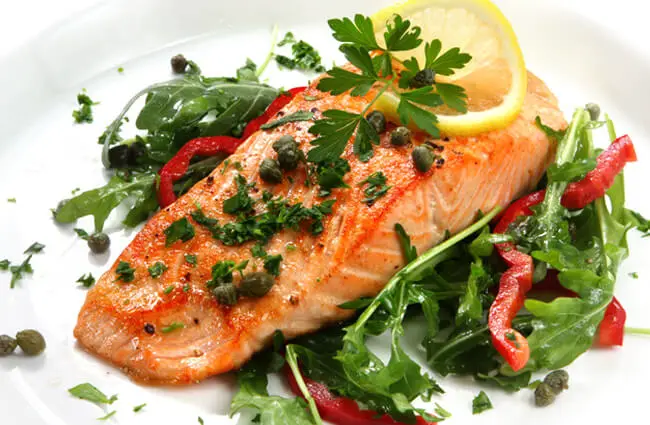
- Economic Value: Historically, commercial fisheries for Atlantic Salmon were a major industry. Today, while wild commercial fisheries are severely restricted or closed due to conservation concerns, aquaculture (salmon farming) has become a massive global industry, providing a significant portion of the world’s salmon supply.
- Recreational Value: Atlantic Salmon are highly prized by sport anglers worldwide, renowned for their fighting spirit and the challenge they present. Fly fishing for salmon is a deeply cherished tradition in many regions, contributing to local economies through tourism.
- Human Impact and Interaction: Unfortunately, human activities have profoundly impacted Atlantic Salmon populations.
- Overfishing: Historically, intense commercial fishing pressure in both freshwater and marine environments led to significant declines.
- Habitat Destruction: Dam construction blocks migration routes, alters water flow, and degrades spawning habitats. Pollution from agriculture, industry, and urban runoff contaminates rivers. Deforestation along riverbanks increases water temperatures and sediment runoff.
- Aquaculture: While providing food, salmon farming presents challenges. Escaped farmed salmon can interbreed with wild populations, diluting genetic diversity and potentially introducing diseases or parasites.
- Climate Change: Rising water temperatures in rivers and oceans, altered precipitation patterns, and changes in ocean currents all pose threats to salmon survival and migration success.
Conservation Challenges and Efforts
The Atlantic Salmon faces numerous threats, and its populations have declined dramatically in many areas. Conservation efforts are multifaceted and ongoing.
- Habitat Restoration: Removing obsolete dams, installing fish ladders, restoring riparian vegetation, and improving water quality are crucial.
- Fisheries Management: Strict regulations on recreational and commercial fishing, including catch-and-release practices and seasonal closures, are implemented to protect wild stocks.
- Aquaculture Management: Efforts are underway to improve farming practices, reduce escapes, prevent disease transmission, and develop closed-containment systems.
- International Cooperation: Given the salmon’s migratory nature, international agreements and collaborations are essential for managing shared marine feeding grounds and addressing transboundary issues.
- Genetic Conservation: Programs to preserve the genetic diversity of wild salmon populations are vital for their long-term resilience.
Encountering Atlantic Salmon in the Wild: A Guide for Enthusiasts and Hikers
For animal lovers and hikers hoping to witness the Atlantic Salmon in its natural habitat, a few guidelines can enhance the experience while ensuring the fish’s well-being.
- Where to Look:
- Rivers and Streams: Focus on clear, cold rivers known to support salmon populations, particularly during their upstream migration (late spring to autumn). Look for areas with rapids, waterfalls, or fish ladders where salmon might be jumping.
- Spawning Grounds: In autumn, look for shallow, gravelly areas in rivers where females might be constructing redds.
- How to Spot Them:
- Jumping: Salmon are famous for leaping out of the water, especially when navigating obstacles or during their migration.
- Movement in Water: Look for large, dark shapes moving against the current or resting in deeper pools. During spawning, males can exhibit vibrant reddish hues.
- Redds: Keep an eye out for disturbed patches of lighter-colored gravel on the riverbed, indicating a recently constructed redd.
- What to Do (and Not Do):
- Observe from a Distance: Maintain a respectful distance to avoid disturbing the fish, especially during spawning.
- Do Not Interfere: Never attempt to touch, catch, or harass salmon. This is illegal in most areas and highly detrimental to the fish, particularly during their vulnerable spawning phase.
- Stay on Trails: Stick to designated paths to avoid trampling sensitive riparian vegetation or disturbing riverbanks.
- Report Concerns: If you observe distressed fish, poaching, or significant pollution, report it to local wildlife authorities or conservation organizations.
Caring for Atlantic Salmon in Captivity: Insights for Zookeepers
Caring for Atlantic Salmon in a captive environment, such as an aquarium or research facility, requires specialized knowledge to mimic their natural conditions and ensure their health and welfare.
- Water Quality: This is paramount.
- Temperature: Maintain cold, stable temperatures, typically between 4-15°C (39-59°F), depending on the life stage. Smolts and adults require cooler temperatures.
- Oxygenation: High dissolved oxygen levels are critical, mirroring their natural, fast-flowing river and ocean environments.
- pH: Keep pH within a neutral to slightly acidic range (6.5-7.5) for freshwater stages, and appropriate marine pH for saltwater stages.
- Ammonia/Nitrite/Nitrate: Strict monitoring and filtration systems are essential to keep these waste products at undetectable or very low levels.
- Diet and Nutrition:
- Life Stage Specific: Provide appropriate diets for each life stage. Parr require small, high-protein pellets mimicking insect larvae. Smolts and adults need larger, nutrient-dense feeds formulated for salmon, often containing fishmeal and oils.
- Feeding Schedule: Regular, measured feedings to prevent overfeeding and maintain water quality.
- Enrichment and Environment:
- Flow and Current: Replicate natural river currents in freshwater tanks to encourage natural swimming behavior and muscle development.
- Substrate and Cover: For parr, provide gravel substrate and hiding places (rocks, artificial plants) to reduce stress.
- Space: Ensure ample tank space to prevent overcrowding, which can lead to stress, aggression, and disease.
- Disease Prevention and Health Monitoring:
- Quarantine: New arrivals should be quarantined to prevent disease introduction.
- Regular Checks: Daily observation for signs of disease (e.g., lesions, abnormal swimming, lethargy) or stress.
- Biosecurity: Strict biosecurity protocols are necessary to prevent the spread of pathogens.
- What to Avoid:
- Overcrowding, poor water quality, sudden temperature fluctuations, inappropriate diet, and lack of environmental enrichment are all detrimental to Atlantic Salmon health in captivity.
Fascinating Facts About Atlantic Salmon
The Atlantic Salmon is full of surprises and incredible adaptations:
- Incredible Navigation: Salmon possess an extraordinary sense of smell, allowing them to navigate thousands of miles of ocean and locate their precise natal river, sometimes even their specific spawning grounds.
- Leaping Ability: They are renowned for their ability to leap over obstacles, sometimes clearing barriers several feet high, a feat of pure strength and determination.
- Color Change: Their silvery ocean coloration provides camouflage in open water, while the reddish hues and spots developed during spawning help them blend into riverbeds and attract mates.
- “King of Fish”: Historically, the Atlantic Salmon was so abundant and highly valued that it earned the moniker “King of Fish” in many European cultures.
- Growth in the Ocean: A smolt weighing just a few ounces can return from the ocean weighing several pounds, showcasing the incredible productivity of marine ecosystems.
- Genetic Diversity: Even within a single river system, different populations of Atlantic Salmon can exhibit unique genetic characteristics, adapted to specific stretches of the river.
Conclusion: A Call to Protect the King of Fish
The Atlantic Salmon stands as a powerful symbol of wildness, resilience, and the intricate connections within our natural world. Its epic life cycle, from tiny egg to ocean wanderer and back again, inspires awe and reminds us of the profound beauty and complexity of aquatic ecosystems. However, the challenges it faces are immense, serving as a stark reminder of humanity’s impact on the environment. Protecting the Atlantic Salmon means protecting the health of our rivers, the vitality of our oceans, and the delicate balance of countless other species. Through continued research, dedicated conservation efforts, and a collective commitment to responsible stewardship, we can ensure that the majestic Atlantic Salmon continues its incredible journey for generations to come, a true testament to the enduring wonders of nature.
![Closeup of a beautiful Red Angus cowPhoto by: U.S. Department of Agriculture [pubic domain]https://creativecommons.org/licenses/by/2.0/](https://animals.net/wp-content/uploads/2020/03/Red-Angus-4-238x178.jpg "Red Angus")
![Closeup of a beautiful Red Angus cowPhoto by: U.S. Department of Agriculture [pubic domain]https://creativecommons.org/licenses/by/2.0/](https://animals.net/wp-content/uploads/2020/03/Red-Angus-4-100x75.jpg "Red Angus")