The Brown Trout, Salmo trutta, is more than just a fish. It is a living testament to adaptability, a jewel of freshwater ecosystems, and a creature that has captivated anglers, scientists, and nature enthusiasts for centuries. From its intricate patterns to its cunning survival strategies, this species offers a wealth of knowledge for anyone eager to delve into the aquatic world.
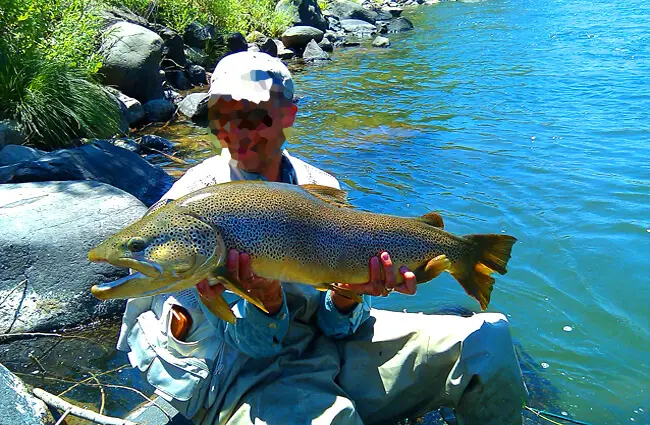
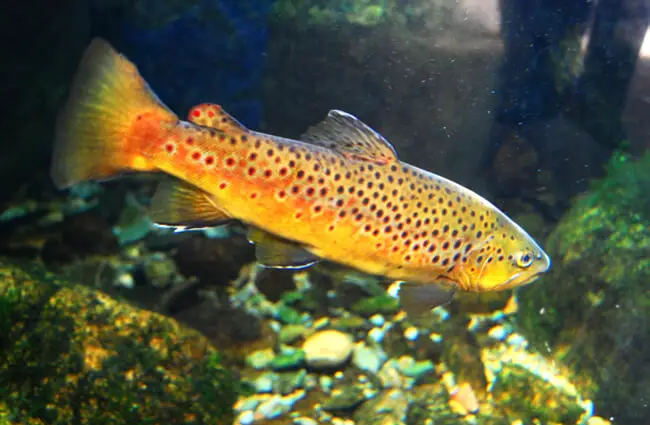
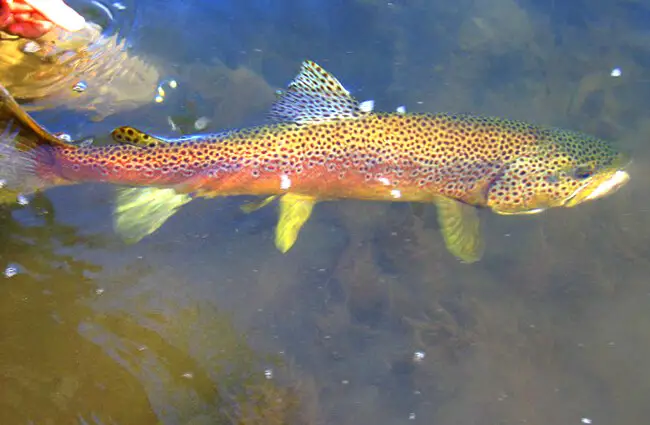
Often recognized by its distinctive olive-brown back, lighter flanks, and cream-colored belly, the Brown Trout is adorned with dark spots, some ringed with pale halos, and often vibrant red or orange spots along its sides. These markings provide excellent camouflage against the varied riverbeds and lake bottoms it calls home. While its size can vary dramatically depending on its environment and food availability, individuals can range from a mere 10 inches to impressive specimens exceeding 30 inches, with some sea-run forms growing even larger.
Where the Wild Trout Roam: Brown Trout Habitats
For students researching Brown Trout habitat or animal lovers hoping to spot one, understanding their preferred environment is key. Brown Trout are native to Europe and parts of Asia, but their remarkable adaptability has led to their introduction and establishment in freshwater systems across the globe, making them one of the most widely distributed freshwater fish species.
Preferred Aquatic Conditions
- Temperature: Brown Trout thrive in cool, well-oxygenated waters, ideally between 45 and 65 degrees Fahrenheit (7-18 degrees Celsius). They are sensitive to high temperatures, which can stress them and reduce oxygen levels.
- Water Quality: Clean, unpolluted water is paramount. They are an indicator species, meaning their presence often signifies a healthy aquatic environment.
- Flow: While they can inhabit still waters, they generally prefer flowing rivers and streams, especially those with a good current to bring food and oxygen.
- Cover: Essential for survival, cover provides refuge from predators and strong currents. This includes:
- Undercut banks
- Submerged logs and branches (snags)
- Large rocks and boulders
- Overhanging vegetation
- Deep pools
- Substrate: Gravelly or rocky bottoms are crucial for spawning.
Diverse Habitats, Diverse Forms
The Brown Trout exhibits incredible phenotypic plasticity, meaning its appearance and behavior can change significantly based on its environment. This has led to the recognition of several distinct forms:
- River/Stream Trout: The most common form, found in cool, clear rivers and streams. These are typically smaller, highly territorial, and feed primarily on aquatic and terrestrial insects.
- Lake Trout (Loch Trout): Inhabiting larger bodies of still water, these trout often grow larger due to a more abundant food supply, including smaller fish. They may migrate into tributary streams to spawn.
- Sea-Run Trout (Anadromous Trout or “Salmo trutta trutta”): Known as “sea trout” in many regions, these individuals migrate from freshwater rivers to the sea to feed and grow, returning to their natal rivers to spawn. They can achieve impressive sizes and are often silvery in color while at sea, regaining their brown coloration upon returning to fresh water.
To find a Brown Trout in the wild, focus your search on the cooler, upstream sections of rivers and streams, especially those with good cover and clear water. Look for areas where the current creates eddies or deep pools near fallen trees or large rocks. In lakes, they will often be found near drop-offs or where cool streams enter the lake.
An Ancient Lineage: Brown Trout’s Evolutionary History
The evolutionary journey of the Brown Trout is a fascinating tale of adaptation and dispersal. Originating in the Atlantic drainages of Europe and parts of Western Asia, Salmo trutta has diversified over millennia, giving rise to numerous genetically distinct populations and subspecies.
Genetic Diversity and Subspecies
The species complex of Salmo trutta is incredibly rich in genetic variation. Historically, scientists recognized several subspecies based on geographical distribution and morphological differences, such as:
- Salmo trutta trutta: The anadromous (sea-run) form.
- Salmo trutta fario: The riverine (freshwater resident) form.
- Salmo trutta lacustris: The lacustrine (lake resident) form.
However, modern genetic studies suggest a more complex picture, often indicating that these forms are not distinct subspecies but rather ecological morphs within a single, highly adaptable species. The genetic differences observed across its native range reflect long periods of isolation and adaptation to local conditions, resulting in unique gene pools in different river systems and regions.
Global Spread and Human Influence
The Brown Trout’s global distribution today is largely a result of human intervention. Beginning in the 19th century, it was widely introduced to new continents, including North America, South America, Australia, New Zealand, and parts of Africa and Asia. This was primarily driven by its popularity as a sport fish and its ability to thrive in diverse environments. While these introductions have created new angling opportunities, they have also sometimes led to ecological challenges, including competition with or predation on native fish species.
The Gourmet of the River: Brown Trout’s Diet
A Brown Trout’s diet is as varied as its habitat, shifting significantly as the fish grows and adapts to seasonal changes and food availability. This opportunistic feeding strategy is a key factor in its success across diverse environments.
From Tiny Morsels to Substantial Meals
- Juvenile Diet: Young Brown Trout, or fry, begin their lives feeding on microscopic organisms and small invertebrates found in the streambed, such as larval insects.
- Sub-Adult and Adult Diet: As they grow, their diet expands dramatically. They become voracious predators, consuming a wide array of prey:
- Aquatic Insects: Mayflies, caddisflies, stoneflies, midges, and their larval and nymphal stages form a significant part of the diet.
- Terrestrial Insects: Grasshoppers, crickets, beetles, ants, and other insects that fall into the water are readily consumed.
- Crustaceans: Scuds (amphipods) and crayfish are important food sources, especially in certain habitats.
- Mollusks: Snails and small mussels can also be part of their diet.
- Small Fish: Larger Brown Trout are piscivorous, preying on smaller fish species, including minnows, sculpins, and even smaller trout. This is particularly true for lake-dwelling and sea-run forms, which can grow to impressive sizes by consuming other fish.
- Amphibians: Small frogs and salamanders may occasionally be taken.
- Rodents: In rare instances, very large Brown Trout have been known to consume small rodents that fall into the water.
The Brown Trout’s diet makes it a crucial link in the food web, transferring energy from lower trophic levels to higher predators. Its feeding habits are also a primary reason for its popularity among anglers, who meticulously study insect hatches and prey movements to mimic them with artificial lures.
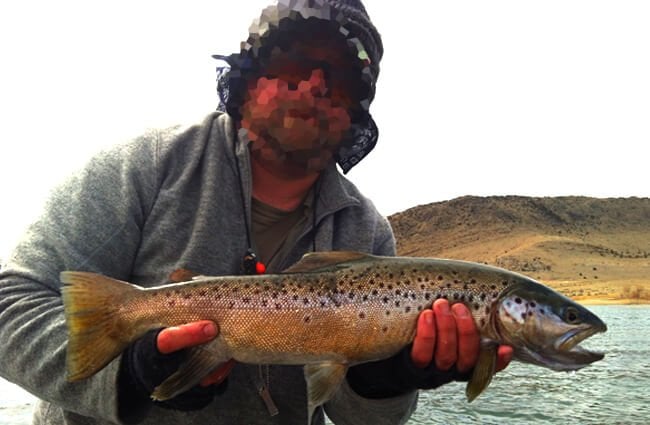
The Dance of Life: Mating and Reproduction
The reproductive cycle of the Brown Trout is a remarkable display of instinct and resilience, a critical period that ensures the continuation of the species. Understanding this process is vital for students and aspiring zoologists alike.
The Spawning Season
Brown Trout typically spawn in the autumn or early winter, usually from October to January in the Northern Hemisphere, when water temperatures drop and stream flows increase. The exact timing can vary based on geographic location and local environmental conditions.
The Spawning Journey and Redds
- Migration: Mature trout, sometimes traveling considerable distances, migrate upstream to their natal spawning grounds. Sea-run trout undertake epic journeys from the ocean back into freshwater rivers.
- Redd Construction: The female, or hen, selects a suitable site, typically a shallow, gravelly riffle with good water flow and oxygenation. Using her tail, she excavates a depression in the streambed, known as a “redd.” This process dislodges fine sediments, creating a clean bed of gravel for the eggs.
- Spawning Act: A male, or cock, will join the female in the redd. The female releases her eggs (ova) into the redd, and the male simultaneously releases milt (sperm) to fertilize them. A single female can lay anywhere from a few hundred to several thousand eggs, depending on her size.
- Egg Burial: After fertilization, the female moves upstream slightly and excavates more gravel, which drifts downstream to cover the newly laid eggs. This protective layer of gravel shields the eggs from predators and strong currents, while allowing oxygenated water to flow over them.
Incubation and Alevins
The eggs incubate within the redd for several weeks to months, a period highly dependent on water temperature. Colder water means a longer incubation period. Once hatched, the young trout, called “alevins,” remain in the gravel, nourished by a yolk sac attached to their bellies. As the yolk sac is absorbed, they develop into “fry” and emerge from the gravel to begin feeding independently, starting their own life cycle in the river.
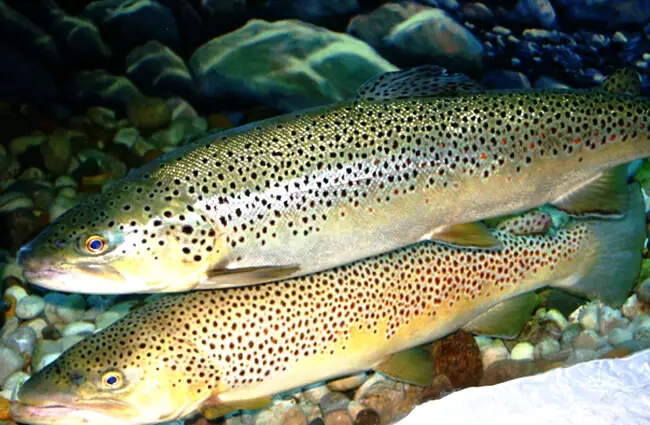
An Ecosystem Engineer: Brown Trout’s Role and Interactions
The Brown Trout’s presence in an ecosystem is a clear indicator of health and vitality. Its interactions with other animals and its contribution to the overall food web are significant.
Contribution to the Ecosystem
- Predator: As a mid-level predator, especially in its adult stages, the Brown Trout helps regulate populations of aquatic insects, crustaceans, and smaller fish. This predation can influence the structure and diversity of invertebrate communities.
- Prey: Despite being a predator, Brown Trout themselves are a food source for a variety of animals. Young trout are vulnerable to larger fish, birds (such as kingfishers, herons, and ospreys), and mammals (like otters, mink, and raccoons). Even adult trout can fall prey to larger predators, especially during spawning migrations when they are more exposed.
- Nutrient Cycling: Through their feeding and waste production, trout contribute to the cycling of nutrients within the aquatic environment. Sea-run trout, in particular, can transport marine-derived nutrients into freshwater systems when they return to spawn and eventually die.
Interaction with Other Animals
Brown Trout interact with a complex web of species:
- Invertebrates: They consume a vast array of aquatic invertebrates, influencing their populations and life cycles.
- Other Fish: They compete with other fish species for food and habitat. In introduced environments, they can outcompete or prey upon native fish, sometimes leading to declines in indigenous populations.
- Riparian Zone Species: Their health is intrinsically linked to the health of the riparian zone (the land bordering the river). Healthy riparian vegetation provides shade, stabilizes banks, and contributes terrestrial insects to the trout’s diet.
The Human Connection: Culture, Conservation, and Coexistence
The Brown Trout holds a special place in human culture, particularly in the realm of angling, and its interactions with humans are multifaceted, ranging from recreational pursuits to critical conservation efforts.
Contribution to Human Culture
- Angling Icon: For centuries, the Brown Trout has been a prized game fish, celebrated for its beauty, fighting spirit, and elusive nature. Fly fishing, in particular, has developed into an art form around the pursuit of trout, with rich traditions, literature, and specialized gear.
- Economic Impact: Trout fishing supports a significant recreational industry, contributing to local economies through tourism, guiding services, tackle sales, and accommodation.
- Cultural Symbolism: In many regions, the Brown Trout symbolizes wildness, clean water, and the natural beauty of rivers and streams.
Interaction with Humans
- Recreational Fishing: This is the most common interaction. Responsible angling practices, such as catch and release, barbless hooks, and adherence to regulations, are crucial for sustainable populations.
- Conservation Efforts: Humans play a vital role in protecting Brown Trout. This includes:
- Habitat restoration (e.g., planting riparian vegetation, removing barriers, improving water quality).
- Stocking programs (though sometimes controversial, these can supplement wild populations or create put-and-take fisheries).
- Research and monitoring to understand population dynamics and health.
- Threats from Human Activity: Brown Trout face numerous threats, primarily from human activities:
- Habitat Degradation: Pollution (agricultural runoff, industrial discharge), deforestation leading to increased sedimentation, and dam construction altering natural flow regimes.
- Climate Change: Rising water temperatures and altered precipitation patterns can reduce suitable habitat.
- Overfishing: Unregulated or excessive fishing pressure can deplete populations.
- Invasive Species: Introduction of non-native species can lead to competition or predation.
![Brown Trout being tagged and released Photo by: USFWS Mountain-Prairie [Public Domain] https://creativecommons.org/licenses/by/2.0/](https://animals.net/wp-content/uploads/2020/01/Brown-Trout-3-650x425.jpg)
Practical Insights for Enthusiasts and Caretakers
For the Hiker: Encountering Brown Trout in the Wild
If you are hiking near a stream or river and spot a Brown Trout, consider yourself lucky. These fish are often wary. Here is what to do:
- Observe from a Distance: Keep your distance to avoid startling the fish. Sudden movements or shadows can send them darting for cover.
- Minimize Disturbance: Avoid wading into the water unless absolutely necessary. If you must cross, do so carefully and quietly.
- Leave No Trace: Pack out everything you pack in. Do not leave trash or introduce foreign substances into the water.
- Appreciate, Do Not Interfere: Enjoy the sight, but do not attempt to touch or catch the fish unless you are a licensed angler following local regulations. Interfering with wildlife can be harmful to the animal and may be illegal.
For the Zookeeper: Caring for Brown Trout in Captivity
Caring for Brown Trout in a captive environment requires meticulous attention to their specific needs to ensure their health and well-being.
Tasks to Perform:
- Water Quality Monitoring: Regularly test water parameters including temperature (maintain 45-65°F / 7-18°C), dissolved oxygen, pH (neutral to slightly alkaline, 6.5-8.0), ammonia, nitrite, and nitrate.
- Filtration and Aeration: Ensure robust filtration systems (mechanical, biological, chemical) and adequate aeration to maintain high dissolved oxygen levels and remove waste products.
- Habitat Enrichment: Provide a stimulating environment that mimics their natural habitat. This includes:
- Varied substrate (gravel, small rocks).
- Plenty of hiding places (artificial logs, rock structures, PVC pipes).
- Areas with varying current speeds.
- Overhanging structures or artificial plants for shade and cover.
- Diet Management: Feed a high-quality, balanced diet formulated for salmonids. Offer a variety of foods, including commercial trout pellets, and occasional live or frozen invertebrates (e.g., bloodworms, brine shrimp) to enrich their diet and stimulate natural feeding behaviors. Adjust feeding frequency and quantity based on fish size, activity level, and water temperature.
- Health Checks: Regularly observe fish for signs of stress or disease, such as lethargy, abnormal swimming, clamped fins, lesions, or changes in coloration. Isolate sick fish promptly and consult with an aquatic veterinarian.
- Tank Maintenance: Perform regular partial water changes and clean tank surfaces to prevent algae buildup and maintain water clarity.
What to Avoid:
- Overcrowding: This leads to stress, poor water quality, and increased susceptibility to disease.
- Sudden Environmental Changes: Avoid rapid fluctuations in water temperature, pH, or other parameters, as these can be highly stressful.
- Poor Water Quality: Neglecting water quality will inevitably lead to health issues and mortality.
- Inappropriate Diet: Feeding low-quality food or an unbalanced diet can lead to nutritional deficiencies.
- Lack of Cover: Without adequate hiding places, trout will be constantly stressed, leading to poor health and shy behavior.
- Rough Handling: If fish must be handled, do so gently, with wet hands, and minimize time out of water.
A Huge List of Interesting Facts About Brown Trout
- Color Variation: Brown Trout can vary dramatically in color, from silvery in sea-run forms to dark brown or even golden in stream-dwelling individuals, often matching their surroundings perfectly.
- Lifespan: In the wild, Brown Trout typically live for 3 to 7 years, though some individuals in ideal conditions can live for over 10 years.
- Territorial Nature: Adult Brown Trout are highly territorial, especially in streams, and will aggressively defend their preferred lies (resting and feeding spots).
- Nocturnal Feeders: While they feed during the day, larger Brown Trout are often more active and opportunistic feeders during twilight hours and at night.
- Leaping Ability: Brown Trout are powerful jumpers, capable of leaping over obstacles like small waterfalls during their upstream migrations.
- Sensory Prowess: They possess excellent eyesight, a keen sense of smell, and a well-developed lateral line system to detect vibrations in the water, all crucial for hunting and avoiding predators.
- Cannibalism: Larger Brown Trout are known to prey on smaller trout, including their own species, especially when other food sources are scarce.
- Introduced Species Success: Brown Trout have been introduced to more countries than any other salmonid species, highlighting their incredible adaptability.
- “Ferox” Trout: In some large, deep lakes, a unique form of Brown Trout known as “Ferox” trout exists. These are exceptionally large, long-lived, and primarily piscivorous, feeding almost exclusively on other fish.
The Enduring Legacy of the Brown Trout
The Brown Trout, with its striking beauty, remarkable adaptability, and complex life cycle, stands as a true marvel of the natural world. From its ancient European origins to its global presence today, it continues to inspire awe and curiosity. Whether you are a student delving into its biology, an angler seeking its challenge, a hiker admiring its wild grace, or a zookeeper dedicated to its care, the Brown Trout offers endless opportunities for learning and appreciation. Protecting its habitats and understanding its needs are not just about preserving a single species, but about safeguarding the health and vitality of the freshwater ecosystems we all depend on.
![Closeup of a beautiful Red Angus cowPhoto by: U.S. Department of Agriculture [pubic domain]https://creativecommons.org/licenses/by/2.0/](https://animals.net/wp-content/uploads/2020/03/Red-Angus-4-238x178.jpg "Red Angus")
![Closeup of a beautiful Red Angus cowPhoto by: U.S. Department of Agriculture [pubic domain]https://creativecommons.org/licenses/by/2.0/](https://animals.net/wp-content/uploads/2020/03/Red-Angus-4-100x75.jpg "Red Angus")