In the vast, icy expanse of the world’s highest plateaus, a magnificent creature thrives, defying the harsh realities of extreme altitude and unforgiving cold. This is the Yak, a true titan of the Himalayas, whose very existence is a testament to nature’s incredible power of adaptation. More than just a large bovine, the Yak is a cornerstone of its ecosystem and a vital partner to the human cultures that share its challenging home. Join us on an expedition to uncover the secrets of this remarkable animal, from its ancient origins to its crucial role in the modern world.
The Yak: A High-Altitude Marvel
The Yak, scientifically known as Bos grunniens for the wild species and Bos mutus for the domestic variant, is a long-haired bovine found throughout the Himalayan region of South Central Asia, the Tibetan Plateau, and as far north as Mongolia and Russia. These impressive mammals are perfectly engineered for life in some of the planet’s most extreme environments, where oxygen is scarce and temperatures plummet.
Where the Wild Yaks Roam: Habitat and Range
Wild Yaks are predominantly found in the remote, treeless uplands of the Tibetan Plateau and surrounding mountainous regions, including parts of China, India, and Nepal. Their preferred habitat consists of alpine tundra, cold deserts, and grasslands at elevations typically ranging from 3,000 to 5,500 meters (10,000 to 18,000 feet) above sea level. These areas are characterized by sparse vegetation, strong winds, and extreme temperature fluctuations, conditions that would be lethal to most other large mammals. Domestic Yaks, on the other hand, are found across a wider range, often at slightly lower altitudes, wherever human communities have settled in these high-altitude zones.
Physical Prowess: Built for the Cold
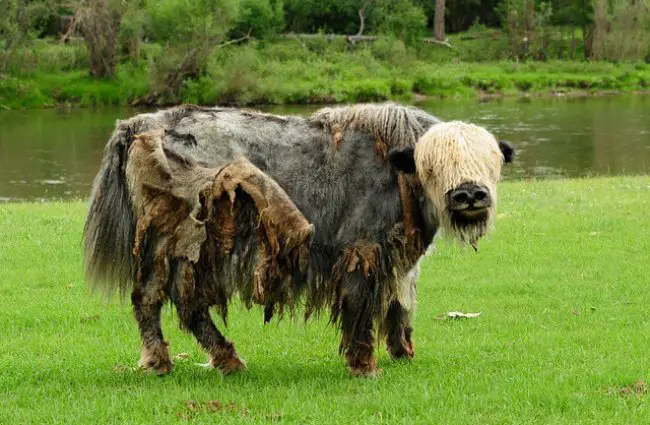
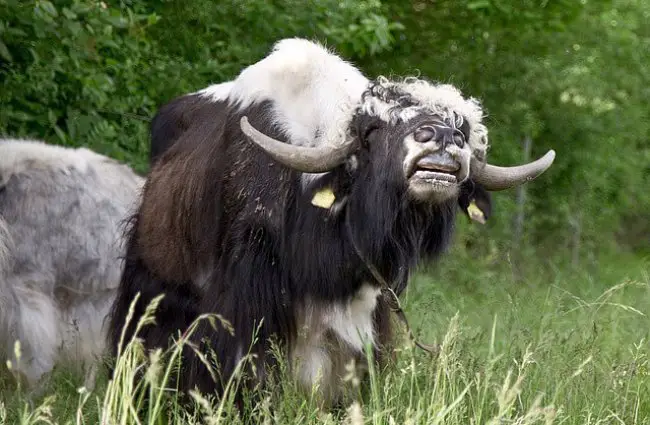
Yaks possess a suite of remarkable adaptations that allow them to thrive in their frigid homeland. Their most striking feature is their dense, shaggy coat, which consists of long, coarse outer hair and a thick, woolly undercoat. This double layer provides exceptional insulation against the biting cold and strong winds. They also have a thick layer of subcutaneous fat, further enhancing their thermal regulation. Their large lungs and heart, combined with a higher concentration of red blood cells, enable them to efficiently extract oxygen from the thin, high-altitude air, a feat few other mammals can match. Broad hooves provide excellent traction on rocky and snowy terrain, while their strong, stocky build helps them navigate steep slopes.
Dietary Habits: Grazing the Roof of the World
As herbivores, Yaks primarily graze on the tough, sparse vegetation found in their alpine environment. Their diet consists mainly of grasses, sedges, herbs, and mosses. During the harsh winters, when fresh vegetation is scarce, they will dig through snow with their muzzles to reach dormant plants and lichens. Their digestive system is highly efficient, allowing them to extract maximum nutrients from low-quality forage. This ability to survive on meager resources is critical for their survival in such an unproductive landscape.
Social Structure and Behavior
Wild Yaks typically live in herds, with females and their young forming larger groups, sometimes numbering in the hundreds. Adult males often live solitarily or in smaller bachelor groups, joining the female herds primarily during the mating season. They are generally peaceful animals, but males can become aggressive during the rut. Yaks communicate through a variety of grunts and snorts, and their characteristic “grunting” sound is what gives the domestic species its scientific name, Bos grunniens, meaning “grunting ox.” Despite their size, they are surprisingly agile and can move quickly across challenging terrain.
Encountering Yaks in the Wild: A Hiker’s Guide
For those fortunate enough to trek through the high Himalayas, encountering a Yak can be a truly awe-inspiring experience. However, it is crucial to remember that these are wild animals, and respect for their space is paramount. Here are some guidelines:
- Maintain Distance: Always keep a significant distance, at least 50 to 100 meters (160 to 330 feet), from both wild and domestic Yaks.
- Avoid Sudden Movements: Move slowly and predictably. Sudden gestures can startle them.
- Never Approach Calves: Mother Yaks are highly protective of their young and can be aggressive if they perceive a threat.
- Observe Body Language: A Yak lowering its head, pawing the ground, or snorting loudly can indicate agitation. If you observe these signs, slowly back away.
- Do Not Feed: Feeding wild animals can alter their natural behavior and make them dependent on humans, which is detrimental to their survival.
- Respect Herders: If you encounter domestic Yaks with herders, follow their guidance and respect their traditional practices.
By following these simple rules, you can ensure a safe and memorable encounter for both yourself and these magnificent creatures.
Delving Deeper: The Yak’s Enduring Legacy
An Evolutionary Journey: Adapting to Extremes
The evolutionary history of the Yak is a fascinating tale of adaptation to one of Earth’s most challenging environments. Genetic studies suggest that Yaks diverged from other bovine species approximately 1 to 5 million years ago, evolving their unique physiological traits in response to the increasing altitude and cooling climate of the Tibetan Plateau. Their specialized hemoglobin, larger lung capacity, and efficient circulatory system are all hallmarks of this long evolutionary process, allowing them to thrive where oxygen levels are significantly lower than at sea level. This remarkable adaptation makes them a prime example of natural selection at work, fine-tuning a species for ultimate survival in a niche environment.
Life Cycle and Reproduction
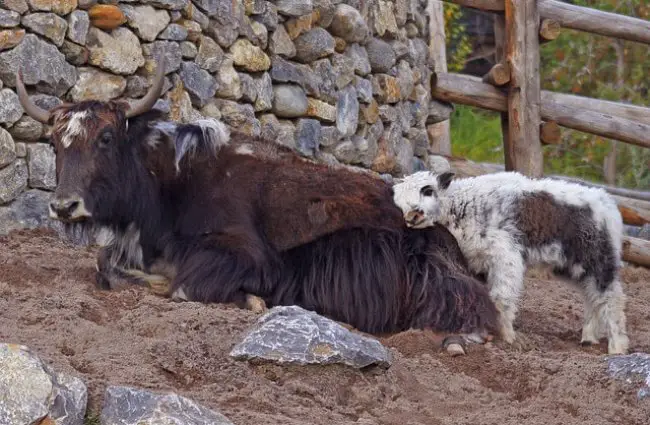
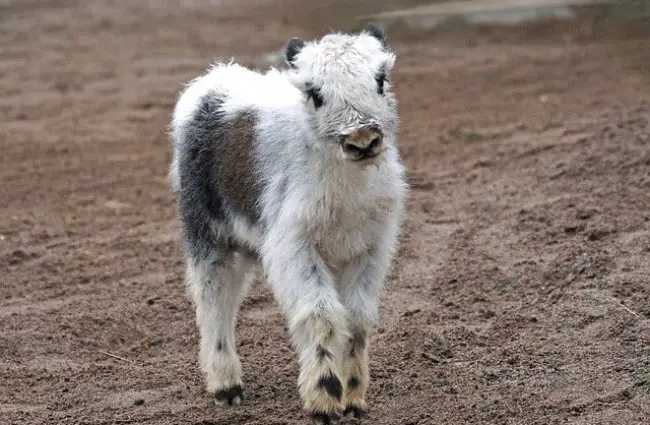
Yak reproduction is a slow and deliberate process, reflecting the harsh conditions of their habitat. The mating season, or rut, typically occurs in late summer or early autumn. Males engage in impressive displays of dominance, including roaring, head-tossing, and sometimes fierce sparring with their horns to gain access to females. After a gestation period of approximately 257 to 270 days (about 9 months), a single calf is usually born in late spring or early summer, when forage is more abundant and the weather is less severe. Calves are precocial, meaning they are relatively mature and mobile shortly after birth, an essential trait for survival in a predator-rich environment. They are suckled for about a year, but may begin to graze within weeks. Sexual maturity is reached around 3 to 4 years of age, and Yaks can live for 20 to 25 years in the wild, and sometimes longer in captivity.
Ecosystem Role: Architects of the Alpine Landscape
Yaks play a crucial role in shaping the high-altitude ecosystems they inhabit. As large grazers, they influence vegetation composition and structure, helping to maintain the health of alpine grasslands. Their grazing patterns can prevent overgrowth of certain plant species, promoting biodiversity. Their droppings fertilize the soil, returning nutrients to the ecosystem. Wild Yaks are also a significant prey species for apex predators like the Tibetan wolf and snow leopard, forming a vital link in the food chain. Their presence supports a complex web of life, from the smallest insects to the largest carnivores, making them an indispensable component of the Tibetan Plateau’s ecological balance.
Yak and Humanity: A Symbiotic Relationship
For thousands of years, the Yak has been an indispensable partner to the nomadic peoples of the Himalayas and Tibetan Plateau. Domesticated Yaks provide a multitude of resources, making human life possible in these challenging regions. They are used for:
- Transportation: As pack animals, carrying goods across treacherous mountain passes.
- Milk: Rich and nutritious, used to make butter, cheese, and yogurt. Yak butter is culturally significant, used in butter tea and religious lamps.
- Meat: A primary source of protein for many communities.
- Wool and Hides: Their dense fur is spun into yarn for clothing, tents, and ropes, offering superior warmth. Hides are used for leather goods.
- Dung: Dried Yak dung is a crucial fuel source in treeless regions, providing warmth for homes and cooking.
This deep interdependence highlights the Yak’s profound contribution to human culture, economy, and survival in one of the world’s most extreme environments.
Conservation Status: A Future in the Balance
While domestic Yaks are numerous, the wild Yak population faces significant threats. The International Union for Conservation of Nature (IUCN) currently lists the wild Yak as Vulnerable. Primary threats include habitat loss and fragmentation due to human encroachment, competition with domestic livestock for grazing land, poaching for meat and horns, and hybridization with domestic Yaks, which can dilute the wild gene pool. Conservation efforts focus on establishing protected areas, anti-poaching initiatives, and promoting sustainable land management practices to ensure the survival of this iconic species in its natural habitat.
Fascinating Yak Facts
Here are some intriguing facts that highlight the Yak’s unique characteristics:
- Yaks have sweat glands, but they are non-functional, meaning they do not sweat to cool down. They rely on panting and seeking shade.
- Their blood contains a high concentration of red blood cells and hemoglobin, allowing them to efficiently absorb and transport oxygen in thin air.
- A Yak’s body temperature is lower than most other bovines, another adaptation to conserve energy in cold environments.
- Wild Yaks are generally larger and more robust than their domestic counterparts.
- The word “Yak” itself is derived from the Tibetan word “gyag” for the male of the species.
- Yak butter tea is a staple drink in Tibet, providing warmth and energy.
- They possess a unique ability to digest cellulose more efficiently than many other ruminants, crucial for their diet of tough grasses.
- Despite their massive size, Yaks are remarkably sure-footed climbers.
A Zookeeper’s Guide to Yak Care
Caring for Yaks in a captive environment requires a deep understanding of their natural history and physiological needs. Replicating their high-altitude, cold environment is often challenging, but careful management can ensure their well-being.
Essential Tasks for Zookeepers:
- Habitat Replication: Provide large enclosures with varied terrain, including areas for grazing and shelter from sun and rain. Access to cold, fresh water is vital.
- Temperature Management: While Yaks tolerate extreme cold, they are highly susceptible to heat stress. Ensure ample shade and cooling options during warmer months, such as misters or mud wallows.
- Dietary Provision: Offer a diet primarily of high-quality hay, supplemented with appropriate grains and mineral blocks. Mimic their natural grazing behavior as much as possible.
- Hoof Care: Regular inspection and trimming of hooves are essential to prevent overgrowth and related health issues, especially since they are not walking on rocky terrain as much as in the wild.
- Coat Maintenance: While their coat is self-insulating, monitoring for parasites and matting is important. Brushing can help manage shedding.
- Veterinary Care: Establish a routine veterinary schedule for vaccinations, deworming, and general health checks. Be vigilant for signs of respiratory issues or heat stress.
- Social Structure: House Yaks in appropriate social groups, typically a herd structure, to promote natural behaviors.
- Enrichment: Provide environmental enrichment to stimulate natural behaviors, such as browse, rubbing posts, and varied feeding locations.
Things to Avoid in Yak Care:
- Overheating: This is perhaps the most critical factor. Never expose Yaks to prolonged high temperatures or direct sun without adequate shade and cooling.
- Overfeeding: While they are large animals, overfeeding, especially with rich grains, can lead to obesity and digestive problems.
- Isolation
![Closeup of a beautiful Red Angus cowPhoto by: U.S. Department of Agriculture [pubic domain]https://creativecommons.org/licenses/by/2.0/](https://animals.net/wp-content/uploads/2020/03/Red-Angus-4-238x178.jpg "Red Angus")
![Closeup of a beautiful Red Angus cowPhoto by: U.S. Department of Agriculture [pubic domain]https://creativecommons.org/licenses/by/2.0/](https://animals.net/wp-content/uploads/2020/03/Red-Angus-4-100x75.jpg "Red Angus")