The ocean’s most graceful wanderers, Wandering Albatrosses, are truly magnificent creatures. These birds, masters of the wind and wave, hold a special place in both natural history and human imagination. Renowned for their immense wingspans and incredible journeys, they are a symbol of freedom and resilience. This comprehensive guide delves into the world of the Wandering Albatross, exploring its life history, behavior, ecological role, and the challenges it faces in a changing world.
Understanding the Wandering Albatross
A Giant of the Southern Oceans
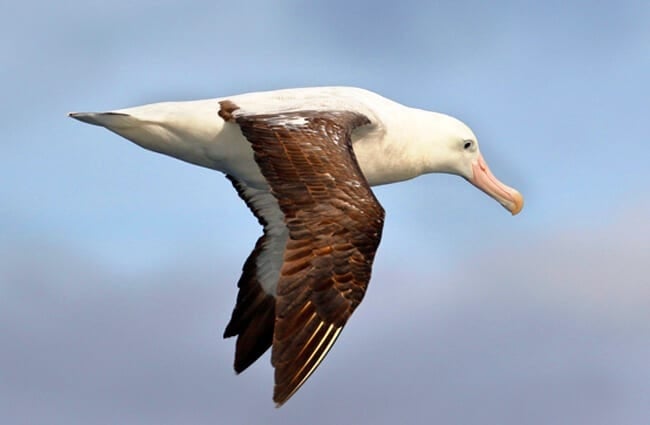
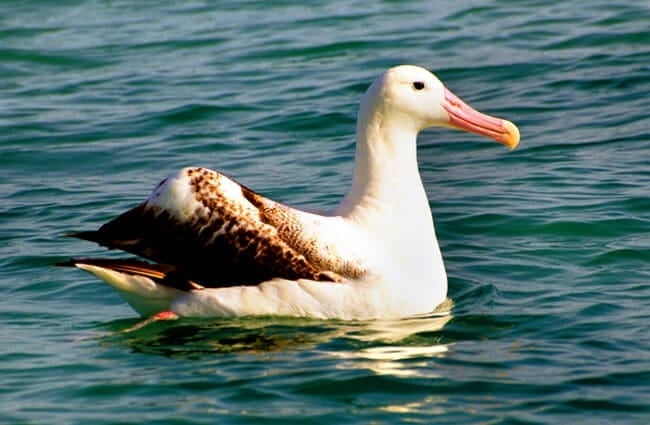
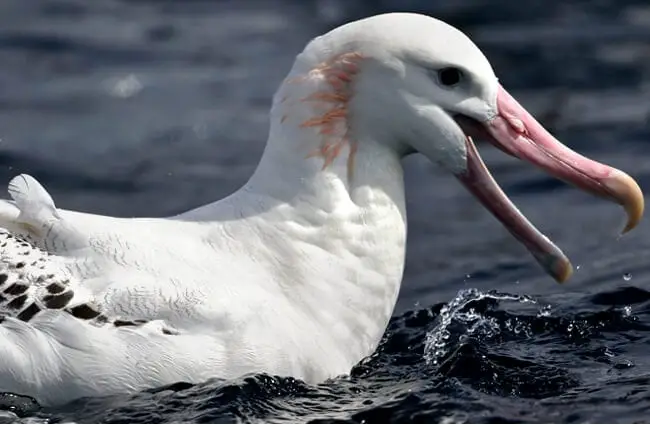
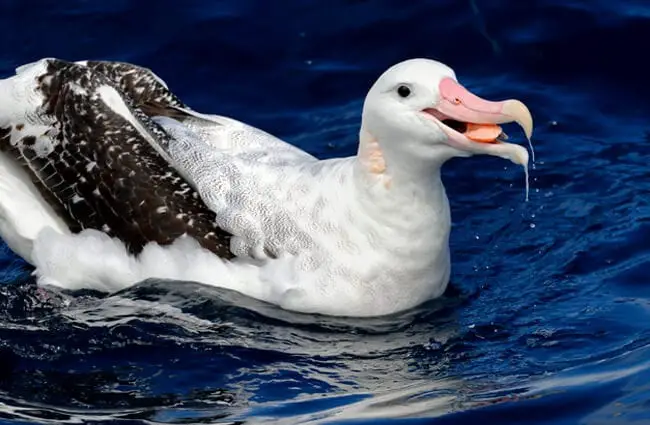
The Wandering Albatross, Diomedea exulans, is a large seabird in the albatross family. Its defining characteristic is its incredible wingspan, averaging between 2.8 to 3.5 meters (9 to 11.5 feet). This makes it the bird with the largest wingspan of any living species. Their weight ranges from 6.8 to 14 kilograms (15 to 31 pounds). Plumage is predominantly white, with dark brown and black wingtips. Young birds have a mottled brown appearance that gradually transitions to white as they mature.
Habitat and Distribution
These birds are circumpolar, meaning they inhabit the Southern Ocean and the subantarctic regions. Key breeding locations include the islands of South Georgia, the Crozet Islands, Prince Edward Islands, and Macquarie Island. They spend most of their lives at sea, only returning to land to breed. Their expansive range allows them to forage across vast stretches of ocean, following the winds and currents in search of food. They are rarely seen closer to the equator.
Life Cycle and Behavior
Diet and Foraging
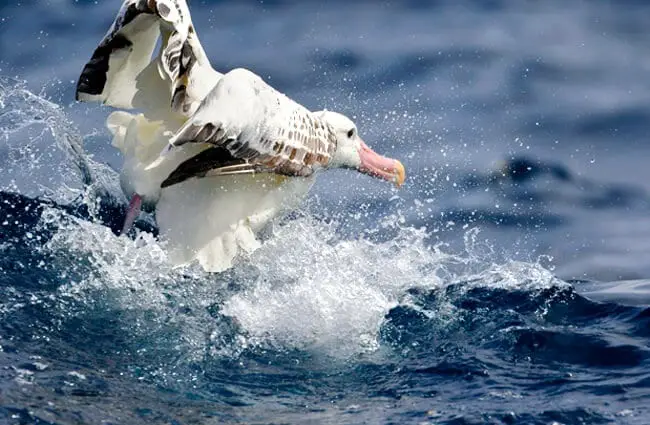
Wandering Albatrosses are opportunistic feeders, consuming squid, fish, and crustaceans. They employ several foraging strategies, including surface seizing, where they snatch prey from the water’s surface, and dynamic soaring, utilizing wind gradients to cover large distances with minimal energy expenditure. They often follow ships to scavenge for discarded fish, but this dependence can be detrimental to their health. Their diet varies based on location and prey availability, but krill and squid are dietary staples.
Mating and Reproduction
These birds are known for their elaborate courtship displays. These involve synchronized movements, vocalizations, and bill-clacking. Wandering Albatrosses are largely monogamous, forming long term pair bonds that can last for life. They breed slowly, with pairs typically raising a single chick every two years. Nests are constructed on the ground, using readily available materials like vegetation, mud, and stones. Incubation lasts around 11 weeks, with both parents sharing duties. Raising a chick is a lengthy process, requiring significant parental investment, and fledglings don’t reach full maturity for several years.
Flight and Navigation
The Wandering Albatross’s immense wingspan allows for exceptional gliding flight. They can cover vast distances with minimal flapping, exploiting wind currents and utilizing aerodynamic principles to stay aloft. This efficient flight style enables them to travel thousands of kilometers in search of food. They navigate using a combination of cues, including magnetic fields, wave patterns, and possibly even olfactory senses. Their ability to return to the same breeding grounds year after year is a testament to their incredible navigational skills.
Ecological Role and Interactions
A Keystone Species
Wandering Albatrosses play a vital role in the Southern Ocean ecosystem. As top predators, they help regulate populations of squid, fish, and other marine organisms. Their foraging activities also contribute to nutrient cycling, as they transport nutrients from deeper waters to the surface. They often interact with other seabirds and marine mammals, sometimes competing for food or scavenging for scraps.
Interactions with Humans
Historically, Wandering Albatrosses were hunted for their feathers, oil, and meat. While this practice has largely ceased, they still face significant threats from human activities. These include bycatch in longline fisheries, plastic pollution, and climate change. They are particularly vulnerable to entanglement in fishing gear, which can lead to injury or death. Ingestion of plastic debris can also cause health problems and reduce breeding success.
Conservation Status and Future Outlook
Threats and Challenges
The Wandering Albatross is currently listed as Vulnerable by the International Union for Conservation of Nature (IUCN). Several populations are declining due to the threats mentioned above. Bycatch in longline fisheries remains the most significant threat, followed by plastic pollution and climate change. Changing ocean temperatures and shifting prey distributions are also impacting their breeding success and foraging efficiency.
Conservation Efforts
Various conservation measures are underway to protect Wandering Albatrosses. These include the implementation of bird excluding devices on fishing vessels, reduction of plastic pollution, and establishment of marine protected areas. International collaborations are essential to address these challenges effectively. Monitoring population trends and conducting research on their foraging behavior are also crucial for informing conservation strategies.
Deeper Dive for Enthusiasts and Professionals
Evolutionary History
The albatross family, including the Wandering Albatross, is believed to have evolved from procellariform seabirds during the Paleogene period. Their large wingspan and efficient gliding flight are adaptations to life in the open ocean. Fossil evidence suggests that early albatrosses were smaller than modern species. Their evolutionary history is closely linked to changes in ocean currents and prey availability.
Observing Wandering Albatrosses in the Wild
For those hoping to witness these magnificent birds firsthand, several locations offer excellent viewing opportunities. Subantarctic islands like South Georgia, the Crozet Islands, and Macquarie Island are prime breeding grounds. Pelagic trips (boat excursions into the open ocean) can also provide opportunities to observe them foraging at sea. When observing these birds, it’s crucial to maintain a respectful distance and avoid disturbing their breeding colonies.
Caring for Wandering Albatrosses in Captivity
Caring for Wandering Albatrosses in captivity presents unique challenges due to their large size and complex needs. They require spacious enclosures that mimic their natural habitat, including access to a large body of water for swimming and exercising their wings. Their diet must be carefully formulated to provide the necessary nutrients. Enrichment activities are essential to stimulate their natural behaviors and prevent boredom. Careful attention to their social needs is also crucial, as they are highly social birds.
The Wandering Albatross stands as a symbol of the wild Southern Ocean. Understanding its life history, ecological role, and the challenges it faces is crucial for ensuring its survival for generations to come. Through continued research, conservation efforts, and responsible human actions, we can help safeguard the future of this magnificent creature.
![Closeup of a beautiful Red Angus cowPhoto by: U.S. Department of Agriculture [pubic domain]https://creativecommons.org/licenses/by/2.0/](https://animals.net/wp-content/uploads/2020/03/Red-Angus-4-238x178.jpg "Red Angus")
![Closeup of a beautiful Red Angus cowPhoto by: U.S. Department of Agriculture [pubic domain]https://creativecommons.org/licenses/by/2.0/](https://animals.net/wp-content/uploads/2020/03/Red-Angus-4-100x75.jpg "Red Angus")