
The Wahoo: A Glimpse into the Ocean’s Speed Demon
Deep beneath the shimmering surface of the world’s tropical and subtropical oceans, a true marvel of evolution slices through the water with unparalleled grace and speed. This is the Wahoo, a fish whose very name evokes a sense of excitement and wonder. Known scientifically as Acanthocybium solandri, this magnificent creature is much more than just a prized catch for anglers; it is a vital component of marine ecosystems and a testament to nature’s incredible design.
From its sleek, torpedo-shaped body to its razor-sharp teeth, every aspect of the Wahoo is engineered for life as a top-tier pelagic predator. Join us on a journey to uncover the secrets of this enigmatic fish, exploring its habitat, habits, and its fascinating interactions with both the ocean world and human culture.
What is a Wahoo? An Introduction to a Pelagic Powerhouse
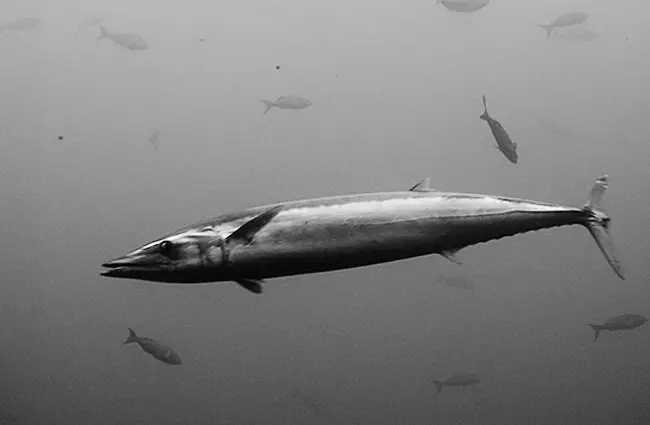
The Wahoo is a large, predatory ray-finned fish belonging to the mackerel family, Scombridae. It is often confused with mackerel or tuna due to its similar body shape, but it possesses distinct characteristics that set it apart. Its common name, “Wahoo,” is thought to originate from the Hawaiian island of Oahu, where it is known as “Ono,” meaning “delicious.” This name is a fitting tribute to its highly sought-after culinary qualities.
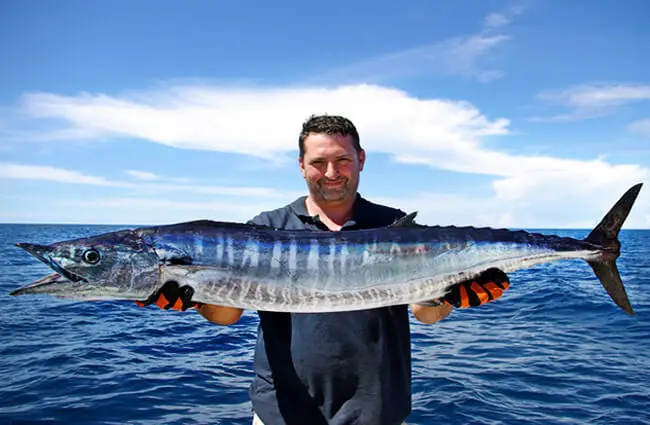
Characterized by its striking iridescent blue-green back, silvery sides, and a series of irregular, vertical blue stripes that often fade shortly after death, the Wahoo is a truly beautiful fish. Its elongated, fusiform body is perfectly adapted for speed, allowing it to cut through water with minimal resistance. A prominent dorsal fin runs almost the entire length of its back, followed by a series of small finlets, a common feature among fast-swimming scombrids.
Habitat and Distribution: Roaming the Open Ocean
Wahoo are truly creatures of the open ocean, preferring the warm, tropical and subtropical waters of the Atlantic, Pacific, and Indian Oceans. They are a pelagic species, meaning they inhabit the water column away from the coast and seafloor. Their preferred habitat includes offshore waters, often found around seamounts, banks, and areas where currents converge, bringing nutrient-rich waters and baitfish to the surface.
These fish are highly migratory, undertaking extensive journeys across vast ocean expanses. While they are found globally, their distribution is concentrated in warmer latitudes, generally between 40°N and 40°S. They typically stay in the upper layers of the water column, from the surface down to about 150 meters (500 feet), where they hunt their prey.
Diet and Feeding Behavior: An Opportunistic Apex Predator
As an apex predator in its environment, the Wahoo has a voracious appetite. Its diet primarily consists of other fish and squid. Common prey items include small tunas, mackerels, flying fish, and various species of squid. Wahoo are opportunistic hunters, meaning they will strike at whatever prey is available and vulnerable.
Their hunting strategy relies heavily on their incredible speed and sharp teeth. They are ambush predators, often lurking near structures or current lines, waiting to dart out and strike unsuspecting prey. Their powerful jaws are lined with numerous small, razor-sharp teeth, perfectly designed for slicing through fish flesh. They are known for their lightning-fast strikes, often leaving little chance for their prey to escape.
Reproduction and Life Cycle: A Fast-Growing Ocean Dweller
The Wahoo exhibits a fascinating reproductive strategy characterized by rapid growth and frequent spawning. They are broadcast spawners, releasing eggs and sperm into the open water where fertilization occurs externally. Spawning typically takes place in warm, tropical waters throughout much of the year, although peak periods can vary by region.
Female Wahoo are highly fecund, capable of releasing millions of eggs during a single spawning season. The eggs are pelagic, drifting with ocean currents until they hatch into larvae. Wahoo larvae are planktonic, feeding on microscopic organisms until they grow large enough to hunt small fish and invertebrates. They grow very quickly, reaching sexual maturity within one to two years. Their lifespan is relatively short for a large fish, typically around 5 to 6 years, though some individuals may live longer.

Evolutionary History: A Scombrid Success Story
The Wahoo’s evolutionary journey places it firmly within the Scombridae family, a diverse group that includes tunas, mackerels, and bonitos. This family is renowned for its members’ adaptations for fast swimming and predatory lifestyles in the open ocean. The Wahoo’s distinct features, such as its elongated body, finlets, and specialized dentition, are all refinements of traits found across the Scombridae, optimized for its specific niche.
Fossil records indicate that scombrids have been present in the oceans for millions of years, evolving alongside other marine predators. The Wahoo represents a highly specialized branch of this lineage, showcasing convergent evolution with other fast-swimming fish like billfish, where similar body plans arise independently due to similar environmental pressures.
Ecosystem Contribution and Interactions with Other Animals
As a top-level predator, the Wahoo plays a crucial role in maintaining the balance of marine ecosystems. By preying on smaller fish and squid, it helps to regulate their populations, preventing overgrazing of plankton and smaller invertebrates. Its presence indicates a healthy and robust food web.
Wahoo themselves are preyed upon by even larger oceanic predators, particularly large sharks and billfish, especially when they are juveniles. They also interact with other pelagic species, sometimes forming loose aggregations with other scombrids or around floating debris, which can attract baitfish and, consequently, predators. Their migratory patterns also connect different parts of the ocean, acting as vectors for energy transfer across vast distances.
Wahoo and Human Interaction: From Angling to Aquaculture
Humans have a long-standing relationship with the Wahoo, primarily centered around fishing. Its incredible speed and powerful fight make it a highly prized game fish for recreational anglers worldwide. The thrill of hooking a Wahoo, known for its blistering runs and acrobatic leaps, is an experience many fishermen cherish.
Commercially, Wahoo is also a valuable catch. Its firm, white, flaky flesh is considered a delicacy in many cultures, particularly in Hawaii where it is known as Ono. It is often served grilled, seared, or as sashimi. While not typically targeted by large-scale industrial fisheries, it is a significant bycatch in some tuna and billfish operations and is caught by artisanal and small-scale commercial fishermen.
Conservation efforts for Wahoo generally focus on sustainable fishing practices, given its fast growth rate and widespread distribution. While not currently considered endangered, monitoring of populations and responsible management are essential to ensure its continued abundance.
Finding Wahoo in the Wild: A Guide for Animal Lovers and Aspiring Zoologists
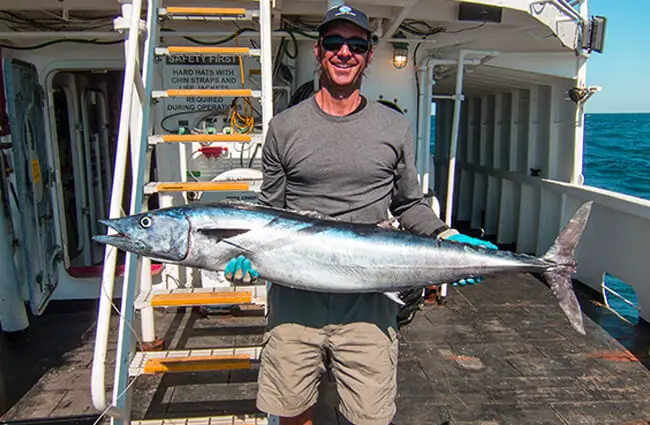
For those eager to observe Wahoo in their natural habitat, understanding their behavior and preferred environments is key. Direct observation of live Wahoo by divers is rare but possible, usually in clear, offshore waters around oceanic structures like seamounts or FADs (Fish Aggregating Devices).
- Where to Look: Focus on tropical and subtropical offshore waters. Look for areas with strong currents, temperature breaks, and concentrations of baitfish. Seamounts, offshore reefs, and floating debris (like logs or Sargassum weed) often attract Wahoo.
- When to Look: Wahoo can be found year-round in their preferred habitats, but their presence can be seasonal in certain regions due to migration patterns. Early mornings and late afternoons are often prime feeding times.
- How to Find Them (Indirectly): For most, the best way to “find” a Wahoo is through sportfishing. Trolling with lures or live bait at high speeds (often 8-15 knots) is the most effective method. Pay attention to local fishing reports and charter captains who specialize in pelagic species.
- What to Expect: If you are lucky enough to spot one while diving, expect a fleeting glimpse. Wahoo are incredibly fast and generally wary of humans. They will likely dart away quickly.
Encountering a Wahoo in the Wild: Advice for the Unlikely Hiker
It is important to clarify that Wahoo are exclusively marine fish, inhabiting the open ocean. Therefore, a hiker on land would not encounter a live Wahoo in its natural habitat. If a hiker were to encounter a Wahoo, it would almost certainly be a deceased specimen washed ashore.
Should you find a Wahoo washed up on a beach:
- Observe from a Distance: Do not touch the fish directly, especially if its condition is unknown.
- Note its Condition: Observe for any obvious injuries, signs of disease, or fishing gear entanglement.
- Report if Necessary: If you believe the fish is part of a larger stranding event, or if it appears to be a rare occurrence, consider reporting it to local marine authorities or wildlife agencies. They may be interested in collecting samples for research.
- Do Not Consume: Unless you are certain of its freshness and origin, it is best not to consume any fish found washed ashore.
![This Wahoo was caught in the Gulf of Mexico NOAA/NMFS/SEFSC Pascagoula Laboratory; Collection of Brandi Noble [Public domain]](https://animals.net/wp-content/uploads/2020/02/Wahoo-4-650x425.jpg)
Caring for Wahoo in Captivity: A Zookeeper’s Hypothetical Challenge
Keeping Wahoo in captivity is an extraordinary challenge, so much so that they are almost never found in public aquariums. Their specific needs make them unsuitable for typical captive environments. However, if a hypothetical scenario required a zookeeper to care for a Wahoo, the tasks and considerations would be immense:
- Enclosure Requirements:
- Vast Space: Wahoo are incredibly fast and active swimmers, requiring enormous, circular tanks to prevent collisions with walls and allow for continuous movement. A tank of several million gallons would be a minimum.
- Water Quality: Pristine, highly oxygenated, and stable tropical oceanic water conditions are paramount. Advanced filtration, temperature control, and salinity management systems would be essential.
- Currents: Mimicking natural ocean currents could help stimulate natural swimming behavior and aid in oxygen uptake.
- Diet and Feeding:
- Live Prey: Initially, live fish and squid would be necessary to encourage feeding.
- Transition to Prepared Foods: Gradually, a diet of high-quality, varied frozen fish (like mackerel, herring, squid) supplemented with vitamins would be introduced. Feeding would need to be frequent and scattered to encourage natural hunting instincts.
- Behavioral Enrichment:
- Schooling: Wahoo are often solitary but can form loose aggregations. Providing a large enough space for multiple individuals, if possible, could reduce stress.
- Environmental Complexity: While pelagic, subtle changes in current or the introduction of temporary floating structures might offer some stimulation.
- Health Monitoring and Avoidances:
- Stress Reduction: Wahoo are highly susceptible to stress from confinement, noise, and sudden movements. A quiet environment and minimal human disturbance would be crucial.
- Injury Prevention: Their speed makes them prone to injury from tank walls or other tank mates. Smooth, rounded tank surfaces are vital.
- Disease Management: Regular water quality checks and observation for signs of disease are critical, as stress can compromise their immune system.
- Avoidance of Handling: Direct handling should be avoided at all costs due to their delicate skin, powerful movements, and sharp teeth. Any medical procedures would require specialized techniques and sedation.
The immense resources and specialized knowledge required highlight why Wahoo are best admired in their natural, boundless ocean home.

A Huge List of Interesting Wahoo Facts
- Blazing Speed: Wahoo are among the fastest fish in the ocean, capable of bursts of speed exceeding 60 miles per hour (96 km/h).
- Razor Teeth: Their mouths are armed with numerous small, triangular, razor-sharp teeth, perfect for slicing through prey.
- Color Changing: The vibrant vertical stripes on a Wahoo’s body can fade almost instantly after death, a phenomenon known as “post-mortem color change.”
- Hawaiian Delicacy: In Hawaii, Wahoo is known as “Ono,” which means “delicious” or “good to eat,” reflecting its high culinary value.
- Solitary Hunters: While they can sometimes be found in small groups, Wahoo are generally solitary hunters.
- No Swim Bladder: Unlike many fish, Wahoo do not possess a swim bladder. This adaptation requires them to constantly swim to maintain buoyancy, contributing to their active lifestyle.
- Rapid Growth: Wahoo grow incredibly fast, reaching sexual maturity within one to two years.
- Global Roamers: They are found in tropical and subtropical waters across the Atlantic, Pacific, and Indian Oceans.
- Game Fish Status: Wahoo are highly prized by sport fishermen for their powerful runs and challenging fight.
- Sleek Design: Their fusiform, torpedo-shaped body is a classic example of hydrodynamic efficiency in nature.
- Pelagic Lifestyle: They spend their entire lives in the open ocean, far from coastal areas or the seafloor.
- Opportunistic Predators: Their diet consists mainly of other fish and squid, and they will strike at almost any available prey.
Conclusion: The Enduring Allure of the Wahoo
The Wahoo stands as a magnificent emblem of the ocean’s power and beauty. From its incredible speed and predatory prowess to its vital role in the marine food web, this fish embodies the dynamic forces at play in our planet’s vast waters. Whether admired by a marine biologist, sought by an angler, or savored by a gourmand, the Wahoo leaves an indelible impression.
Understanding and appreciating creatures like the Wahoo is not just about scientific curiosity; it is about recognizing the intricate connections that sustain life on Earth. As we continue to explore and learn about these ocean speedsters, we gain a deeper respect for the wild, untamed beauty of our blue planet and the importance of its conservation for future generations.
![Closeup of a beautiful Red Angus cowPhoto by: U.S. Department of Agriculture [pubic domain]https://creativecommons.org/licenses/by/2.0/](https://animals.net/wp-content/uploads/2020/03/Red-Angus-4-238x178.jpg "Red Angus")

![Closeup of a beautiful Red Angus cowPhoto by: U.S. Department of Agriculture [pubic domain]https://creativecommons.org/licenses/by/2.0/](https://animals.net/wp-content/uploads/2020/03/Red-Angus-4-100x75.jpg "Red Angus")