A Deep Dive into the World of the Veiled Chameleon
The Veiled Chameleon, Chamaeleo calyptratus, is one of the most recognizable and popular chameleon species. Native to the Arabian Peninsula, this remarkable reptile captivates with its striking appearance and intriguing behaviors. This guide explores the Veiled Chameleon in depth, covering its natural history, biology, behavior, and interactions with both the environment and humans.
Natural History and Habitat
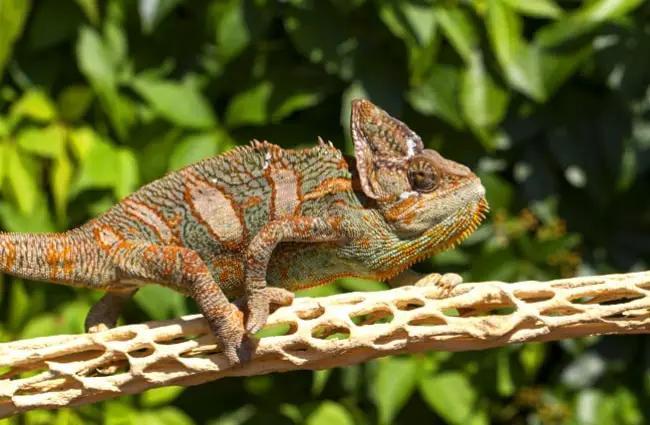
Veiled Chameleons originate from the mountainous regions of Yemen, Saudi Arabia, and Oman. They inhabit a variety of habitats, including humid highlands, valleys, and cultivated lands. These areas provide the moisture, vegetation, and temperature regulation essential for their survival. The preferred elevation ranges from 1,400 to over 2,000 meters, where cooler temperatures and higher humidity prevail. The species has also been introduced to other parts of the world, including Hawaii, where feral populations now exist.
Physical Characteristics
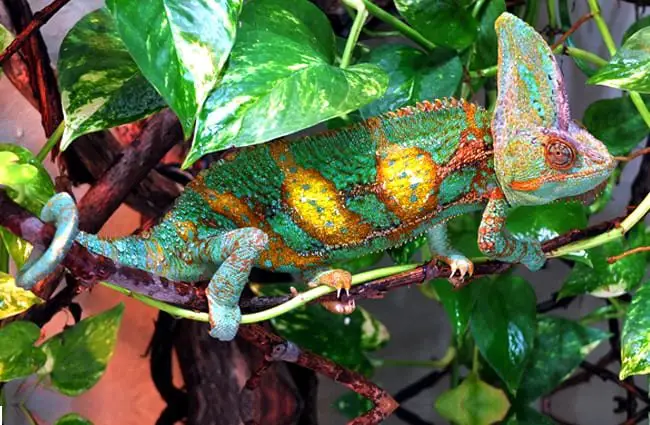
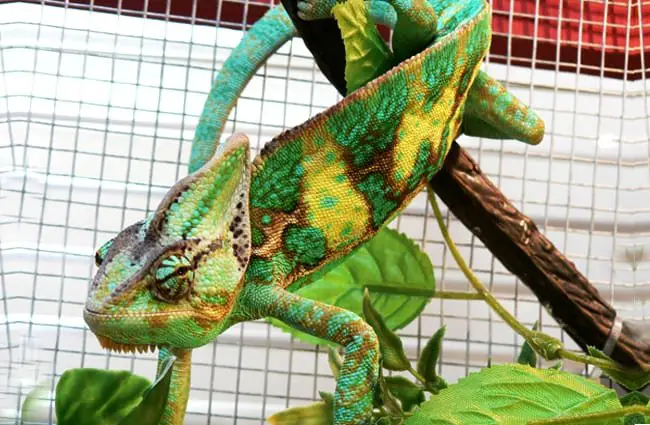
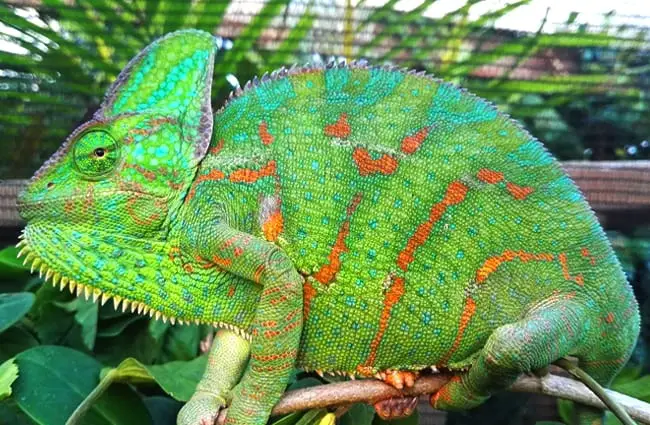
The Veiled Chameleon is a relatively large species, with males reaching lengths of up to 60 centimeters and females growing to around 40 centimeters. Males are distinguished by a prominent casque, a large, bony crest on their head. This casque is thought to help channel rainwater toward the mouth and to enhance visual display during mating rituals. Both sexes exhibit remarkable color‑changing abilities, shifting between shades of green, brown, yellow, and reddish hues. This camouflage serves several purposes, including thermoregulation, communication, and blending into their surroundings.
Diet and Hunting Strategies
Veiled Chameleons are primarily insectivores, feeding on insects, small invertebrates, and occasionally vegetation. Their specialized tongue can extend to more than twice the length of their body, allowing them to snatch prey from a distance with incredible accuracy. The tongue is coated in sticky mucus, ensuring a secure grasp on the target. Their hunting strategy involves patiently waiting for prey to approach, then rapidly extending the tongue to capture it. In captivity, a varied diet—including crickets, mealworms, locusts, and leafy greens—is essential for maintaining optimal health.
Behavior and Social Structure
Veiled Chameleons are generally solitary, with males exhibiting territorial behavior. They communicate through visual displays, such as changes in color and body posture, and subtle vocalizations. During breeding season, males become more vibrant and engage in elaborate displays to attract females. They bob their heads, inflate throat pouches, and change color to signal readiness to mate. Veiled Chameleons are diurnal, meaning they are most active during the day, spending much of their time basking in the sun to regulate body temperature.
Evolutionary History
The evolutionary history of the Veiled Chameleon is closely tied to the geological history of the Arabian Peninsula. Chameleons as a family originated in Africa, with various species radiating outward over millions of years. The Veiled Chameleon likely diverged from other lineages as the Arabian Peninsula became geographically isolated, allowing the development of unique characteristics such as the prominent casque and larger size. Fossil records are limited, but genetic studies suggest a relatively recent divergence from other chameleon species.
Reproduction and Life Cycle
Veiled Chameleons have a unique reproductive strategy. Females can store sperm from a single mating event and lay multiple clutches of eggs throughout the breeding season. The eggs are laid in a burrow dug into the ground, typically in moist soil. Incubation time varies with temperature but generally lasts between 45 and 60 days. A single clutch can contain up to 50 eggs, although not all will hatch successfully. The hatchlings are miniature versions of adults and become immediately independent, feeding on small insects.
Ecological Role and Interactions
Veiled Chameleons play a significant role in their ecosystem as both predators and prey. They help control insect populations and serve as a food source for larger predators such as birds and snakes. Their presence also contributes to nutrient cycling, as they consume insects and excrete waste. In introduced environments, such as Hawaii, they can become invasive, disrupting the local ecosystem by competing with native species and preying on vulnerable invertebrates.
Veiled Chameleons and Humans
Veiled Chameleons are popular pets due to their striking appearance and relatively easy care. Potential owners should be aware of their specific needs, including a spacious enclosure, proper lighting and temperature control, and a varied diet. It is crucial to provide a stimulating environment with plenty of climbing branches and foliage to mimic their natural habitat. They are also studied in the field of biomechanics, with researchers examining their unique tongue projection mechanism and color‑changing abilities.
Caring for Veiled Chameleons in Captivity – A Zookeeper’s Perspective
Maintaining the health and well-being of Veiled Chameleons in captivity requires meticulous attention to detail. Providing a large, vertically oriented enclosure is paramount, allowing them to exhibit natural climbing behaviors. Temperature gradients are crucial, with basking spots reaching 32-35°C and cooler areas around 24-26°C. Humidity levels should be maintained between 50-70%. Regular misting and a shallow water dish provide hydration. UVB and UVA lighting are essential for vitamin D3 synthesis and overall health. A varied diet of gut‑loaded insects dusted with calcium and vitamin supplements is critical. Monitoring for signs of illness—such as lethargy, loss of appetite, or abnormal behavior—is essential. Quarantine procedures should be strictly followed when introducing new individuals to prevent the spread of disease.
Encountering a Veiled Chameleon in the Wild
If you are fortunate enough to encounter a Veiled Chameleon in its native habitat or an introduced environment, observe from a respectful distance. Avoid handling the animal, as this can cause stress and potentially transmit diseases. Do not disturb its habitat or attempt to feed it. Report any sightings to local wildlife authorities, especially in areas where the species is not native. This information can help track the spread of invasive populations and inform conservation efforts.
Interesting Facts
- Veiled Chameleons can change color not only for camouflage but also to express mood and regulate body temperature.
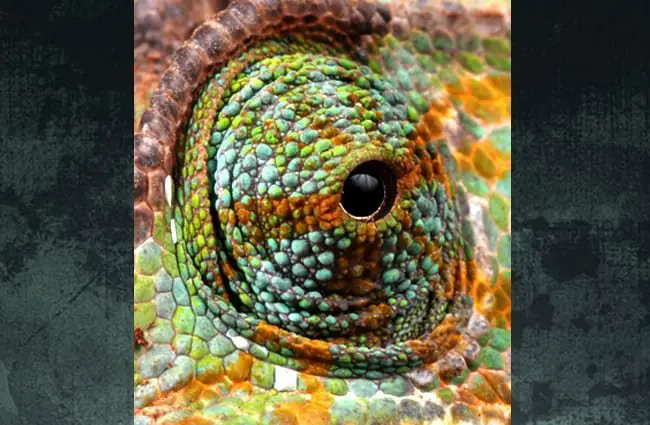
- Their eyes can move independently of each other, providing a panoramic view of their surroundings.
- They are capable of projecting their tongue at incredible speed, capturing prey in a fraction of a second.
- Males display vibrant colors during courtship, inflating throat pouches and bobbing their heads.
- Veiled Chameleons are relatively long‑lived reptiles, with some individuals living for over 10 years in captivity.
The Veiled Chameleon remains a captivating species, offering a glimpse into the fascinating world of reptiles. By understanding their biology, behavior, and ecological role, we can appreciate their beauty and contribute to their conservation.
![Closeup of a beautiful Red Angus cowPhoto by: U.S. Department of Agriculture [pubic domain]https://creativecommons.org/licenses/by/2.0/](https://animals.net/wp-content/uploads/2020/03/Red-Angus-4-238x178.jpg "Red Angus")

![Closeup of a beautiful Red Angus cowPhoto by: U.S. Department of Agriculture [pubic domain]https://creativecommons.org/licenses/by/2.0/](https://animals.net/wp-content/uploads/2020/03/Red-Angus-4-100x75.jpg "Red Angus")