The very name “Vampire Bat” conjures images of shadowy creatures of the night, a reputation fueled by folklore and Hollywood. Yet, beneath the sensationalism lies one of nature’s most extraordinary and misunderstood mammals. Far from mythical monsters, these fascinating bats are a testament to evolutionary ingenuity, possessing a highly specialized diet and complex social behaviors that challenge our preconceived notions. Join us on a journey to uncover the true story of the vampire bat, from its unique biology to its surprising role in the ecosystem and its interactions with the human world.
Unveiling the Vampire Bat: A Biological Marvel
When one speaks of “vampire bats,” it is important to understand that this refers to a small, distinct group of bats, not all bats. There are three known species of vampire bats, all native to the Americas: the Common Vampire Bat (Desmodus rotundus), the Hairy-legged Vampire Bat (Diphylla ecaudata), and the White-winged Vampire Bat (Diaemus youngi). These creatures are unique among the nearly 1,400 known bat species for their exclusive sanguivorous diet, meaning they feed solely on blood.
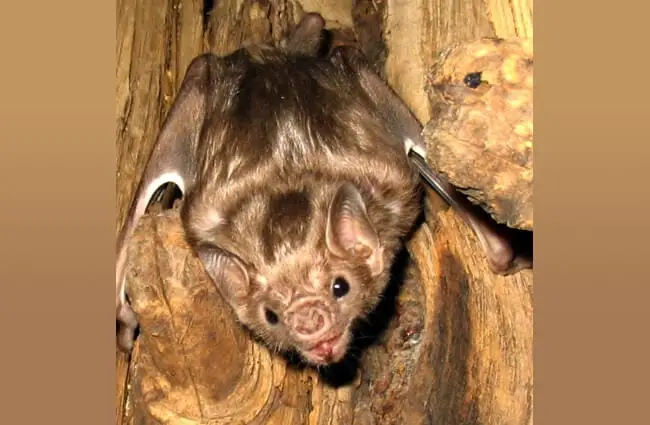
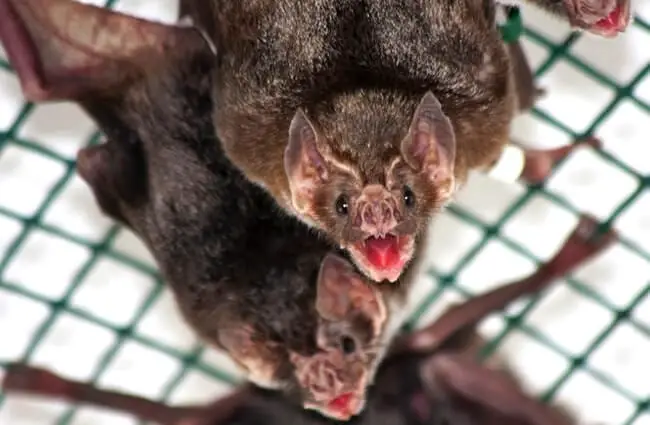
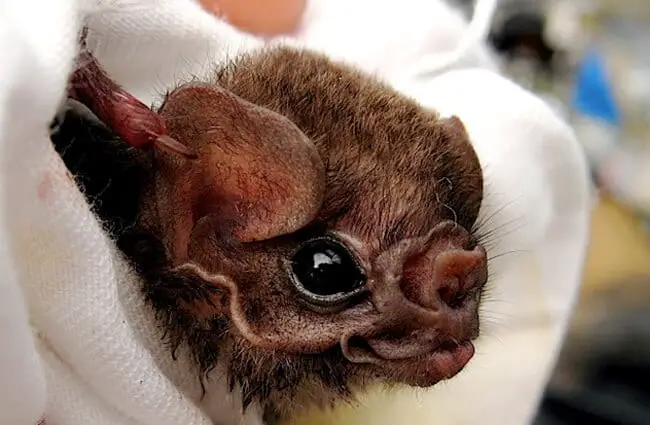
These bats are relatively small, typically weighing between 15 to 50 grams with a wingspan of around 20 to 40 centimeters. Their physical adaptations are perfectly suited for their specialized lifestyle. They possess sharp incisors and canines designed for making precise, shallow cuts, and their saliva contains potent anticoagulants that prevent blood from clotting, ensuring a steady meal. Unlike many bats that rely on echolocation for navigation, vampire bats also employ highly sensitive thermoreceptors on their noses to detect warm blood flow close to the surface of their prey’s skin.
Where Do Vampire Bats Call Home? Habitat and Distribution
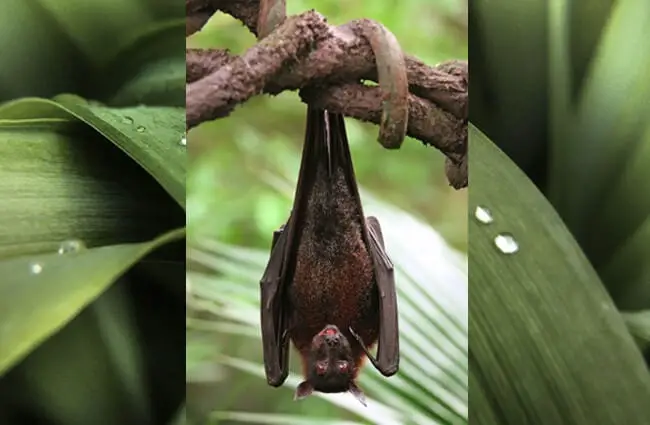
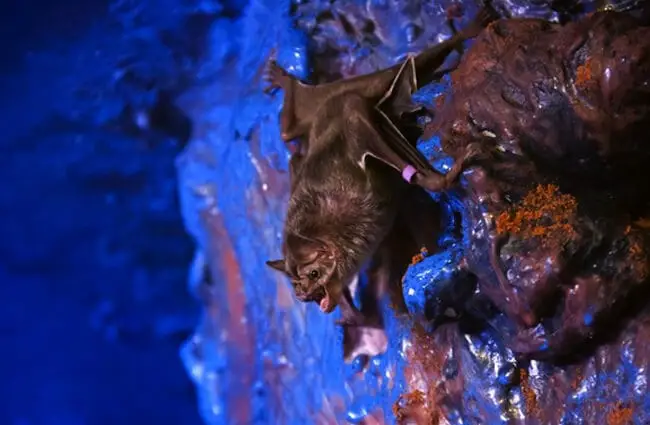
Vampire bats are exclusively found in the warmer regions of the Americas, ranging from Mexico through Central America and into South America, reaching as far south as northern Argentina, Chile, and Uruguay. Their preferred habitats are tropical and subtropical environments, characterized by dense vegetation and ample roosting sites.
These nocturnal creatures spend their days roosting in dark, secluded places. Common roosting sites include:
- Caves
- Abandoned mines
- Hollow trees
- Old wells
- Derelict buildings
- Rock crevices
They often share these roosts with other bat species, and sometimes even with other animals. The availability of suitable roosting sites and a consistent food supply are crucial factors determining their distribution. Aspiring zoologists or animal lovers hoping to observe them in the wild would need to travel to these specific regions and focus on nocturnal observation near livestock or wild animal populations, always maintaining a respectful and safe distance.
The Blood Meal: Diet and Feeding Behavior
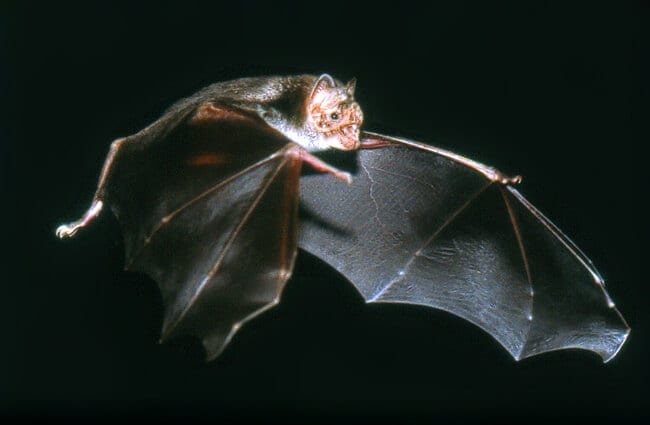
The diet of a vampire bat is perhaps its most defining characteristic. Unlike the fruit or insect-eating bats, these three species are obligate sanguivores. The Common Vampire Bat primarily feeds on the blood of mammals, often livestock such as cattle, horses, and pigs, but also wild mammals. The Hairy-legged and White-winged Vampire Bats, on the other hand, tend to prefer avian blood, targeting sleeping birds.
Their feeding process is a marvel of adaptation:
- Locating Prey: Vampire bats use echolocation to navigate and locate potential prey. Once close, their specialized thermoreceptors help them pinpoint areas on the prey’s skin where blood vessels are near the surface.
- Landing and Approach: They are remarkably agile on the ground, capable of walking, hopping, and even running using their thumbs and hind limbs. This allows them to approach sleeping animals stealthily.
- The Bite: Using their razor-sharp incisors, they make a small, shallow incision, typically only a few millimeters deep. The bite is often painless, thanks to a mild anesthetic in their saliva, allowing the prey to remain undisturbed.
- The Feast: Their saliva contains a cocktail of anticoagulants, most famously Draculin, which prevents blood clotting, and vasodilators, which increase blood flow. The bat then laps up the flowing blood, consuming about a tablespoon per feeding.
A single bat typically feeds for about 20 to 30 minutes. While they consume a relatively small amount of blood, repeated bites on livestock can lead to anemia and secondary infections, posing an economic concern for farmers.
A Deeper Dive: Evolution, Reproduction, and Ecosystem Role
Evolutionary History: A Specialized Path
The evolutionary journey of vampire bats into sanguivory is a fascinating tale of adaptation. While the exact timeline is debated, it is believed that their ancestors were insectivorous bats that gradually shifted their diet. This transition likely involved a series of incremental adaptations, such as developing specialized teeth for piercing skin, evolving anticoagulants in their saliva, and enhancing their ability to detect warmth and navigate on the ground.
The three species of vampire bats are not closely related to other bat families, suggesting a unique and convergent evolution of their blood-feeding habit. Their remarkable adaptations highlight the power of natural selection in shaping organisms to exploit even the most unusual ecological niches. Studying their genetics and physiology offers insights into anticoagulant development and other biomedical applications.
Mating and Reproduction: Social Bonds and Parental Care
Vampire bats exhibit a polygynous mating system, where one male mates with multiple females. They live in colonies that can range from a few individuals to hundreds, often with a stable social structure. Reproduction can occur year-round in tropical climates, though there might be peaks depending on food availability and environmental conditions.
- Gestation: After mating, the gestation period lasts approximately seven months.
- Birth: Females typically give birth to a single pup. The pup is born relatively large and well-developed, capable of clinging to its mother.
- Parental Care: Pups are nursed for several months, sometimes up to nine months. During this period, they are entirely dependent on their mothers. Interestingly, other females in the colony may also assist in caring for pups, demonstrating a degree of communal care.
- Lifespan: In the wild, vampire bats can live for about 9 to 12 years, and significantly longer in captivity, sometimes exceeding 20 years.
Their social structure is particularly notable for its altruistic behavior, such as food sharing. If a bat fails to find a meal for a night, a successful roost-mate may regurgitate blood to feed the hungry individual, a behavior crucial for survival given that a bat can only survive about two nights without food.
Contribution to the Ecosystem and Interaction with Other Animals
While often viewed negatively due to their feeding habits, vampire bats play a unique, albeit small, role in their ecosystems. As predators of blood, they interact directly with a wide range of mammals and birds. Their presence can influence the behavior of prey animals, making them more vigilant. However, their primary ecological impact is often related to their role as potential vectors for disease.
Their most significant interaction with other animals, beyond feeding, is within their own colonies. The aforementioned food sharing behavior is a prime example of reciprocal altruism, a complex social interaction where individuals help others with the expectation of future reciprocation. This strengthens colony bonds and enhances the survival of the group.
From a broader perspective, they are part of the intricate food web, and their removal could have unforeseen consequences, though their specific contribution to nutrient cycling or pollination is negligible compared to other bat species.
Vampire Bats and Humanity: Culture, Encounters, and Care
Vampire Bats in Human Culture
The vampire bat’s unique diet has profoundly influenced human culture, particularly in Western folklore. The legend of the vampire, a supernatural entity that feeds on human blood, predates the discovery of these bats by Europeans. However, once explorers encountered these blood-feeding bats in the Americas, the bats quickly became intertwined with the existing vampire myths, solidifying their fearsome image.
Today, the term “vampire” is almost synonymous with these bats in popular culture, appearing in countless books, films, and media. This cultural representation often exaggerates their danger and size, contributing to widespread misconceptions and fear. Understanding the actual biology of these bats helps to demystify them and appreciate their natural history rather than their fictionalized counterparts.
Interaction with Humans: Risks and Realities
Direct interaction between vampire bats and humans is relatively rare, as bats generally avoid human contact. However, their feeding habits do present certain risks, primarily concerning disease transmission. The most significant concern is rabies.
- Rabies Transmission: Vampire bats can carry and transmit rabies virus. While only a small percentage of bats are infected, a bite from a rabid bat can be fatal if not treated promptly. This is why it is crucial to avoid handling any wild bat.
- Livestock Impact: For farmers in their range, vampire bats can be a nuisance. Repeated bites can stress livestock, lead to anemia, and open wounds susceptible to secondary infections, resulting in economic losses.
- Conservation Status: The Common Vampire Bat is not currently considered endangered, but habitat loss and human persecution can impact local populations. The other two species are less common and their conservation status is monitored.
Encountering a Vampire Bat in the Wild: What to Do
For hikers, researchers, or anyone in regions where vampire bats live, encountering one is a possibility. It is vital to approach such an encounter with caution and respect for wildlife.
- Do Not Approach or Touch: Never attempt to handle a wild bat, especially one that appears disoriented, injured, or on the ground during the day. This behavior can indicate illness, including rabies.
- Observe from a Distance: If you see bats roosting or flying, enjoy the spectacle from a safe distance.
- Protect Yourself: If you are camping or sleeping outdoors in an area known for bats, ensure your tent or sleeping area is sealed to prevent bats from entering.
- Seek Medical Attention: If you are bitten or scratched by a bat, or if you wake up to find a bat in your room, seek immediate medical advice. Post-exposure prophylaxis for rabies is highly effective if administered promptly.
Remember, bats are generally shy and will avoid humans. Most bats are beneficial to ecosystems, and even vampire bats are not inherently aggressive towards humans.
Caring for Vampire Bats in Captivity: A Zookeeper’s Guide
Caring for vampire bats in a zoo or research setting requires specialized knowledge and dedication. Their unique dietary and social needs must be meticulously met to ensure their health and well-being.
- Enclosure Design:
- Space: Provide ample flight space.
- Roosts: Offer a variety of roosting options, including dark, secluded areas that mimic caves or hollow trees.
- Temperature and Humidity: Maintain stable tropical temperatures and high humidity levels.
- Lighting: Utilize a reverse light cycle to allow for natural nocturnal activity during visitor hours.
- Dietary Management:
- Blood Source: The primary diet consists of defibrinated animal blood, typically from cattle or pigs, obtained from certified sources.
- Supplementation: Blood must be supplemented with vitamins and minerals to ensure complete nutrition.
- Feeding Schedule: Provide fresh blood daily, often in shallow dishes or specialized feeders.
- Social Structure:
- Colony Living: Vampire bats are highly social and thrive in colonies. Maintaining a suitable group size is crucial for their psychological well-being and allows for natural behaviors like food sharing.
- Enrichment: Provide environmental enrichment to stimulate natural behaviors, such as climbing structures, varied roosting materials, and opportunities for social interaction.
- Health Monitoring:
- Regular Checks: Daily observation for changes in behavior, appetite, or physical condition.
- Veterinary Care: Routine veterinary examinations, including weight checks, physical assessments, and parasite screening.
- Vaccination: Rabies vaccination protocols are often in place for captive bats and staff working with them.
- Avoidances:
- Isolation: Do not house vampire bats individually unless medically necessary, as social deprivation can cause stress.
- Inconsistent Diet: Avoid feeding unsupplemented or improperly sourced blood.
- Poor Hygiene: Strict hygiene protocols are essential to prevent disease transmission within the colony and to staff.
A Huge List of Interesting Facts About Vampire Bats
Beyond the myths and basic biology, vampire bats hold a trove of fascinating details:
- Walking Masters: Unlike most bats, vampire bats are incredibly agile on the ground, capable of a unique “vampire hop” or “bounding gait” using their powerful hind legs and thumbs.
- Thermal Vision: Their specialized facial pits contain thermoreceptors that can detect infrared radiation, allowing them to “see” warm blood vessels under the skin of their prey.
- Anticoagulant Superstars: The anticoagulant in their saliva, Draculin, is being studied for potential medical applications in treating human blood clots and strokes.
- Food Sharing Altruism: They are one of the few non-primate species known to practice reciprocal altruism, sharing regurgitated blood with hungry roost-mates, even if they are not closely related.
- Long Tongues: Their tongues have grooves on the underside that act like straws, allowing them to lap up blood efficiently.
- Kidney Power: Vampire bats have highly efficient kidneys that can quickly process the large amount of water ingested with blood, allowing them to excrete dilute urine even while feeding, reducing their body weight for flight.
- Smallest of the Blood-Drinkers: Despite their fearsome reputation, they are relatively small bats.
- Not All Bats: It is crucial to remember that only three out of nearly 1,400 bat species are vampire bats. The vast majority of bats are harmless and beneficial.
- Silent Hunters: Their approach to prey is incredibly stealthy, often going unnoticed by the sleeping animal.
- Social Grooming: Like many social animals, vampire bats engage in allogrooming, where individuals groom each other, strengthening social bonds and helping to remove parasites.
Conclusion: Beyond the Myth, A Creature of Wonder
The vampire bat, often demonized by folklore and misunderstood by the public, is in reality a creature of remarkable biological adaptation and complex social behavior. From its specialized diet and unique hunting techniques to its altruistic food-sharing and intricate evolutionary history, this small mammal offers a wealth of knowledge for students, zoologists, and anyone with a curiosity for the natural world.
By dispelling the myths and embracing the scientific facts, we can move beyond fear to appreciate the vampire bat for what it truly is: an extraordinary example of life’s incredible diversity and resilience. Understanding these creatures is not just about their survival, but also about appreciating the delicate balance of ecosystems and the fascinating ways in which life adapts to thrive.
![Closeup of a beautiful Red Angus cowPhoto by: U.S. Department of Agriculture [pubic domain]https://creativecommons.org/licenses/by/2.0/](https://animals.net/wp-content/uploads/2020/03/Red-Angus-4-238x178.jpg "Red Angus")
![Closeup of a beautiful Red Angus cowPhoto by: U.S. Department of Agriculture [pubic domain]https://creativecommons.org/licenses/by/2.0/](https://animals.net/wp-content/uploads/2020/03/Red-Angus-4-100x75.jpg "Red Angus")