The Remarkable Uromastyx: A Spiny Tail Lizard of the Old World
The world of reptiles boasts a stunning diversity, and within it, the Uromastyx stands out as a truly unique creation. Often referred to as spiny tail lizards, these fascinating creatures inhabit arid regions across Africa and Asia, showcasing remarkable adaptations to survive in challenging environments. This guide delves into the life of the Uromastyx, exploring its history, behavior, habitat, and its role in the ecosystems it calls home.
Origins and Evolution
A Glimpse into the Past
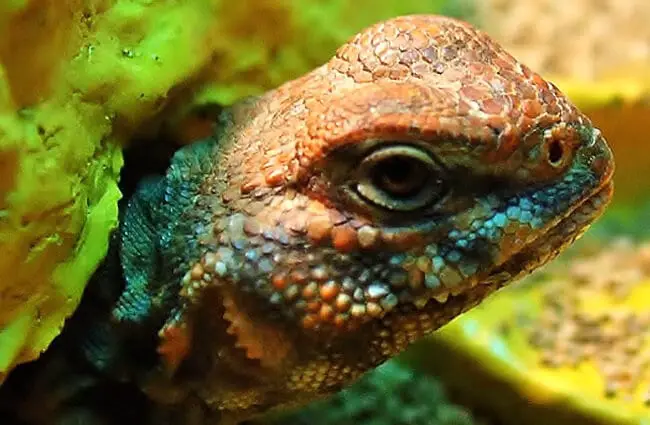
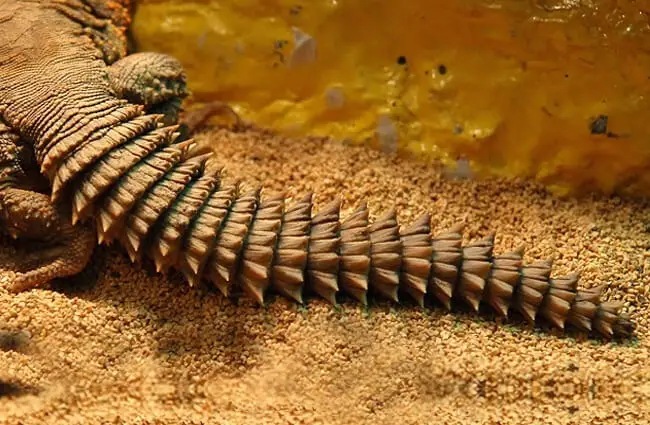
The Uromastyx genus belongs to the Agamidae family, a diverse group of lizards found across Africa, Asia, and Australia. Fossil evidence suggests that agamids have existed for millions of years, with the Uromastyx lineage likely diverging from other agamid groups during the Late Cretaceous or early Paleogene period. Their evolutionary journey has been shaped by the arid environments they inhabit, leading to the development of specialized features for survival. The spiny tail, the hallmark of these lizards, is believed to have evolved as a defense mechanism against predators, potentially serving as a club or a distraction. The robust build and herbivorous diet are further adaptations to life in harsh, arid landscapes.
Habitat and Distribution
Where Uromastyx Thrive
Uromastyx lizards are predominantly found in rocky deserts, semi‑deserts, and arid scrublands of North Africa, the Middle East, and Central Asia. Their distribution extends from Morocco and Algeria in the west to Iran and parts of India in the east. These lizards prefer areas with rocky outcrops, providing shelter from the sun and potential predators. They are well adapted to withstand extreme temperatures and scarce water resources. The availability of suitable vegetation, such as grasses, shrubs, and succulents, is also a key factor influencing their distribution. Uromastyx are often found basking on rocks or seeking refuge in crevices, demonstrating their ability to regulate their body temperature in challenging conditions.
Diet and Feeding Behavior
Herbivores of the Desert
Unlike many lizards that are carnivorous or insectivorous, Uromastyx lizards are primarily herbivores. Their diet consists of a variety of plant materials, including leaves, stems, flowers, and fruits. They have a strong preference for succulent plants, which provide a source of moisture in arid environments. Uromastyx possess specialized teeth adapted for grinding tough plant fibers. They are known for their deliberate and methodical feeding style, carefully selecting and consuming plant matter. They also ingest grit such as soil and sand, which aids digestion and provides essential minerals. This unique dietary adaptation allows them to thrive in environments where other lizards struggle to survive.
Behavior and Social Structure
Solitary Lives with Occasional Interactions
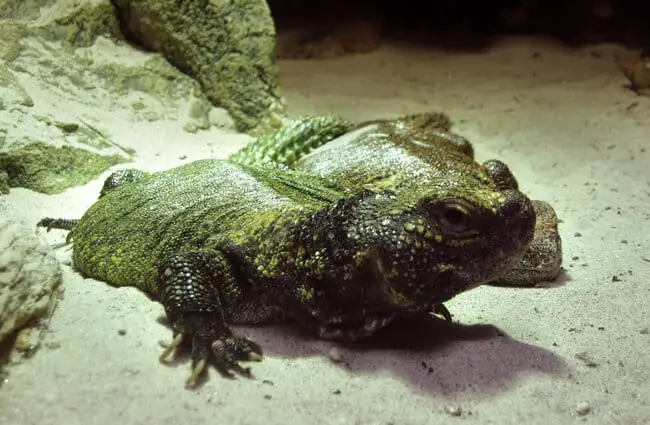
Uromastyx lizards are generally solitary animals, with limited social interactions. They establish and defend territories, typically marked by scent and visual displays. Males may engage in combat during the breeding season, competing for access to females. These contests often involve head bobbing, dewlap displays, and physical pushing and biting. While generally solitary, Uromastyx may congregate in areas with abundant food resources or suitable basking spots. They communicate through visual signals, such as body postures and tail movements. They are diurnal animals, most active during the warmer hours of the day. They exhibit a unique defense mechanism involving inflating their bodies and raising their spiny tails to deter potential predators.
Reproduction and Life Cycle
Mating, Nesting, and Growth
The breeding season for Uromastyx lizards typically occurs in the spring. Males attract females through visual displays and courtship rituals. After mating, the female lays a clutch of eggs in a burrow or a shallow nest excavated in the soil. The number of eggs varies depending on the species and the size of the female. The eggs are typically buried and left to incubate naturally. The incubation period lasts several weeks to a few months, depending on the temperature. Once hatched, the young lizards are miniature versions of their parents. They are precocial, meaning they are relatively independent from birth. The young grow rapidly, feeding primarily on plant matter and, in some species, on insects during early life stages. They reach sexual maturity within a few years, completing the life cycle.
Ecological Role and Interactions
A Vital Component of Arid Ecosystems
Uromastyx lizards play an important role in arid ecosystems. As herbivores, they help control plant growth and influence vegetation structure. They also serve as prey for larger predators, such as birds of prey, snakes, and mammals. Their digging activities contribute to soil aeration and nutrient cycling. Uromastyx interact with other lizard species, competing for resources and territory. They often coexist with other desert reptiles, such as geckos, skinks, and snakes, forming a complex web of interactions. Their presence indicates a healthy and functioning ecosystem, reflecting the biodiversity of arid regions.
Uromastyx and Human Interactions
Cultural Significance and Conservation Concerns
In some cultures, Uromastyx lizards are considered a delicacy, hunted and consumed as a traditional food source. They are also kept as pets by reptile enthusiasts, admired for their unique appearance and docile temperament. However, habitat loss and overcollection pose significant threats to their populations. Conservation efforts are crucial to protect their remaining habitats and ensure their long‑term survival. Sustainable harvesting practices are also important to minimize the impact of human activities on their populations. Educating local communities about the importance of conservation can further contribute to their protection.
Detailed Insights for Enthusiasts and Professionals
Species Identification and Captive Care
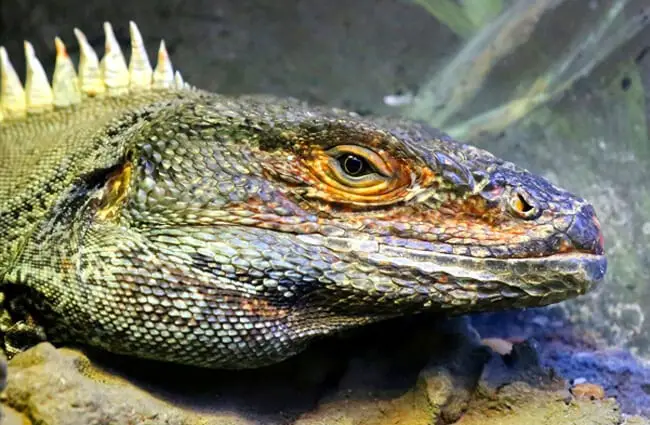
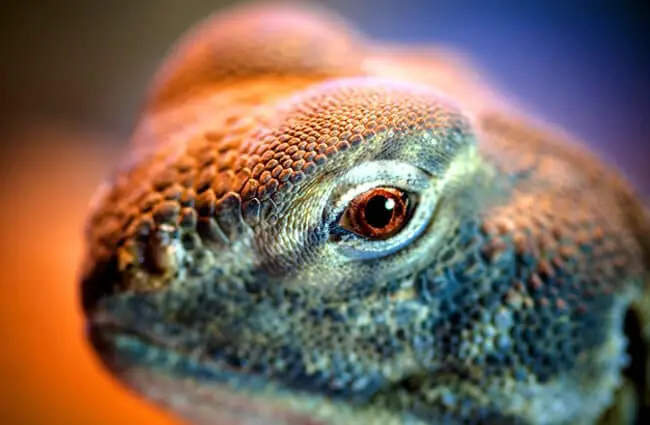
Several species of Uromastyx exist, each with unique characteristics and distributions. Common species include the Egyptian Uromastyx (Uromastyx aegyptia), the Iranian Uromastyx (Uromastyx bellii), and Peters’ Uromastyx (Uromastyx petersii). Careful observation of their size, color, and scale patterns is essential for accurate identification. For those keeping Uromastyx in captivity, a spacious enclosure with appropriate temperature gradients, UVB lighting, and a substrate suitable for burrowing is essential. A diet consisting of dark leafy greens, vegetables, and limited amounts of fruit is recommended. Regular monitoring of their health and behavior is crucial for maintaining their well‑being.
Conservation Status and Threats
The conservation status of Uromastyx varies depending on the species and region. Some species are considered vulnerable or endangered due to habitat loss, overcollection, and climate change. Protecting their natural habitats is the most effective way to ensure their survival. Implementing sustainable harvesting practices and combating illegal trade are also crucial. Research into their population dynamics and ecological requirements can inform conservation efforts. Collaboration between scientists, conservation organizations, and local communities is essential for achieving long‑term success.
Final Thoughts
The Uromastyx is a remarkable reptile, uniquely adapted to thrive in harsh environments. From its spiny tail to its herbivorous diet, every aspect of its biology reflects its evolutionary history and ecological role. As we continue to explore and understand these fascinating creatures, we must also prioritize their conservation, ensuring their survival for generations to come.
![Closeup of a beautiful Red Angus cowPhoto by: U.S. Department of Agriculture [pubic domain]https://creativecommons.org/licenses/by/2.0/](https://animals.net/wp-content/uploads/2020/03/Red-Angus-4-238x178.jpg "Red Angus")
![Closeup of a beautiful Red Angus cowPhoto by: U.S. Department of Agriculture [pubic domain]https://creativecommons.org/licenses/by/2.0/](https://animals.net/wp-content/uploads/2020/03/Red-Angus-4-100x75.jpg "Red Angus")