
The Reign of the Tyrant Lizard: A Deep Dive into Tyrannosaurus
For over a century, Tyrannosaurus rex has captivated the human imagination. More than just a monstrous predator, Tyrannosaurus represents the pinnacle of Late Cretaceous evolution, a testament to the power of natural selection. This article explores the life, times, and legacy of this iconic dinosaur, drawing on the latest paleontological discoveries to paint a comprehensive picture of its world.
I. A Portrait of the Predator
A. Physical Characteristics
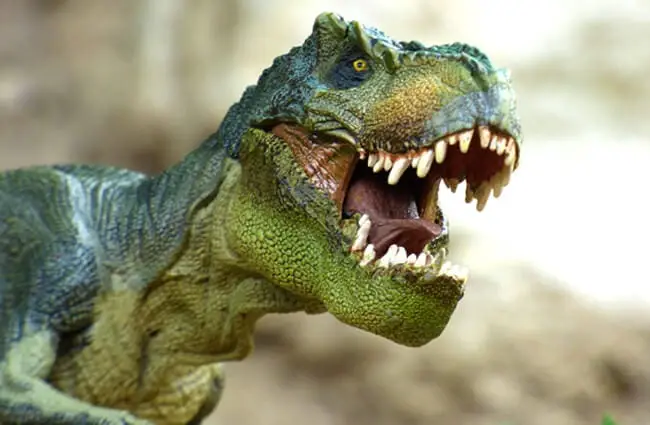
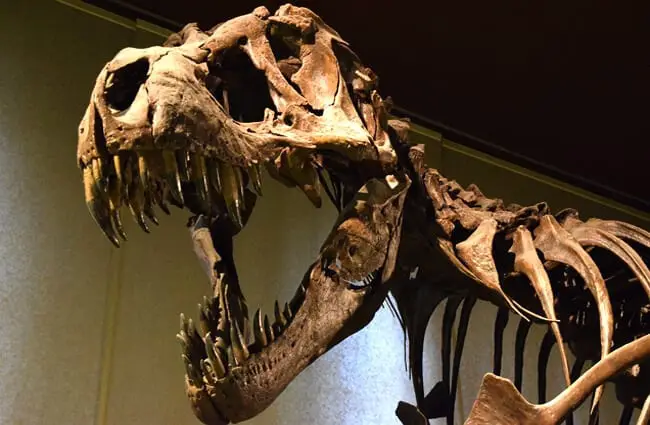
The name Tyrannosaurus rex means “tyrant lizard king,” and the dinosaur lived up to its regal title. Adults typically reached lengths of 40 feet and stood 12 to 13 feet tall at the hips. Estimates of its weight vary, but a common range is 7 to 9 tons. Tyrannosaurus possessed a massive skull, up to 5 feet long, equipped with powerful jaws and banana‑shaped, serrated teeth. Its robust legs allowed for a surprisingly swift pace, though debate continues regarding its exact running speed. Perhaps counterintuitively, Tyrannosaurus also had relatively small arms, the function of which remains a topic of scientific discussion. Theories range from grasping prey to aiding in mating or simply being vestigial structures.
B. Distinguishing Features
Beyond sheer size, Tyrannosaurus can be distinguished by several key features. The sagittal crest, a bony ridge on the top of the skull, likely served as an anchor point for powerful jaw muscles. A large fenestra (opening) in the skull reduced weight without compromising strength. The dinosaur’s binocular vision, a trait shared with many modern predators, suggests a reliance on sight for hunting.
II. Life in the Cretaceous World
A. Habitat and Distribution
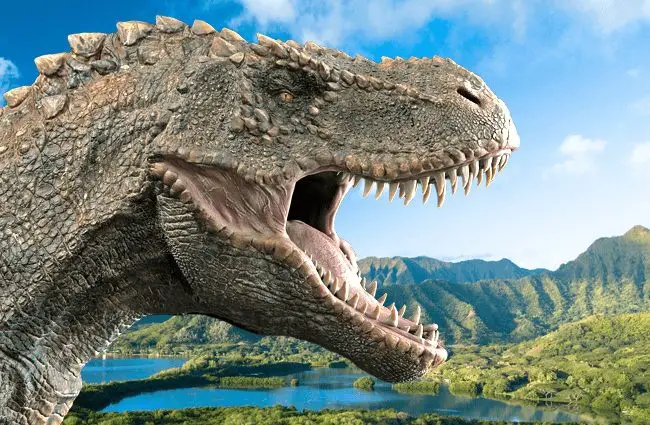
Fossil evidence suggests that Tyrannosaurus inhabited western North America during the Late Cretaceous period, approximately 68 to 66 million years ago. The environment was a subtropical, forested landscape with extensive river systems and floodplains. Fossils have been discovered in states like Montana, Wyoming, South Dakota, and Texas, indicating a widespread range across the region. This suggests Tyrannosaurus was well‑adapted to a variety of habitats within this landscape.
B. Diet and Hunting Strategies
Tyrannosaurus was undoubtedly a carnivore, but its exact hunting style is a matter of ongoing debate. The “active predator” theory posits that Tyrannosaurus actively pursued and ambushed prey, relying on its size and strength. However, mounting evidence supports the “opportunistic scavenger” hypothesis, suggesting that Tyrannosaurus frequently fed on already deceased animals. It is likely the truth lies somewhere in between, with Tyrannosaurus being a flexible feeder capable of both hunting and scavenging depending on the circumstances. Fossilized bite marks on other dinosaur bones, as well as evidence of bone‑crushing capabilities, demonstrate its powerful bite force. Some paleontologists estimate that Tyrannosaurus could deliver a bite force exceeding 8,000 pounds.
C. Social Behavior
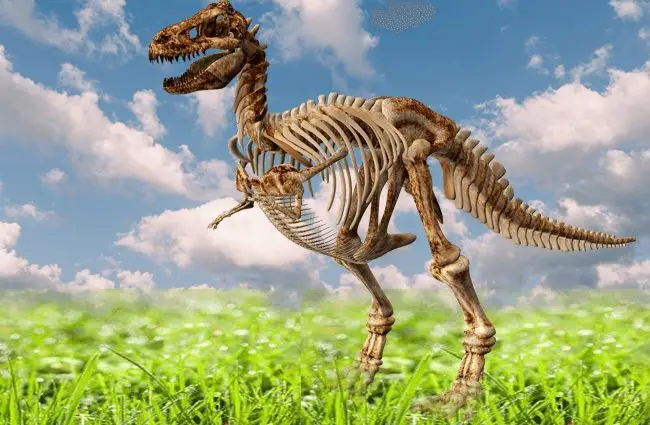
Determining the social behavior of extinct animals is challenging. However, a fossilized trackway in Wyoming suggests that Tyrannosaurus may have occasionally traveled in small groups. This could indicate cooperative hunting or simply that individuals with similar ranges temporarily converged. Evidence of healed bite marks on Tyrannosaurus fossils also suggests that these animals sometimes engaged in intraspecific combat, potentially over territory or mates.
III. Reproduction and Growth
A. Mating and Nesting
Direct evidence of Tyrannosaurus mating behavior is scarce. However, scientists infer that, like modern birds and reptiles, Tyrannosaurus likely engaged in elaborate courtship displays. Nesting sites have not been definitively identified, but it is hypothesized that Tyrannosaurus laid eggs in nests similar to those built by modern crocodiles and birds. The number of eggs laid in a clutch is unknown, but it is thought that Tyrannosaurus invested significant parental care in protecting its young.
B. Growth and Lifespan
Tyrannosaurus experienced a period of rapid growth during its adolescence. Studies of bone histology reveal that some individuals gained as much as 5 kilograms per day. This growth slowed as the animal reached maturity. Tyrannosaurus likely reached sexual maturity around 4 to 5 years of age and may have lived for 20 to 30 years. Determining the exact lifespan is difficult, as it depends on factors such as diet, environment, and predation pressure.
IV. Tyrannosaurus and Its Ecosystem
A. Prey and Predators
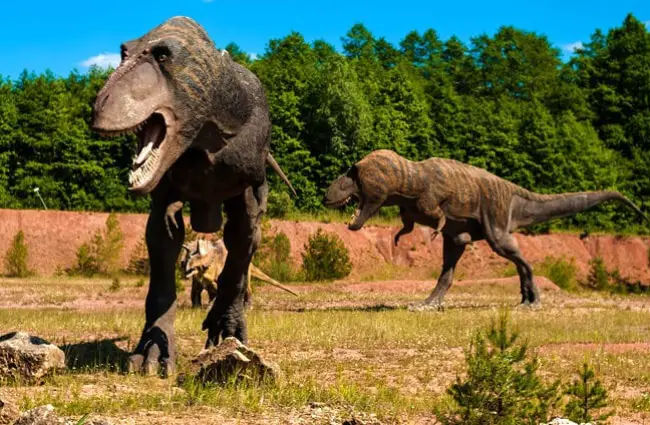
Tyrannosaurus preyed on a variety of herbivores, including Triceratops and Edmontosaurus. These herbivores were large, well‑armored creatures, making them challenging prey. While Tyrannosaurus was an apex predator, it was not immune to competition. Juvenile tyrannosaurids may have occupied a similar niche, potentially competing for resources. Young Tyrannosaurus were likely vulnerable to attacks from other predators, such as dromaeosaurids.
B. Ecological Role
As an apex predator, Tyrannosaurus played a crucial role in regulating herbivore populations and maintaining ecosystem balance. Its scavenging habits also helped to remove carrion, preventing the spread of disease. The extinction of Tyrannosaurus at the end of the Cretaceous period likely had cascading effects on the entire ecosystem.
V. Tyrannosaurus in Human Culture and Science
A. Paleontological Discoveries
The first Tyrannosaurus fossils were discovered in 1902, sparking intense scientific interest. Since then, numerous fossils have been unearthed, providing valuable insights into the dinosaur’s anatomy, behavior, and evolution. Recent discoveries, such as exquisitely preserved skin impressions and evidence of feathering in juvenile specimens, continue to refine our understanding of Tyrannosaurus.
B. Cultural Impact
Tyrannosaurus has become a cultural icon, featured in countless books, movies, and television shows. Jurassic Park, in particular, popularized the dinosaur and sparked a renewed interest in paleontology. The image of Tyrannosaurus as a terrifying predator has captured the public imagination and continues to inspire awe and wonder.
VI. Practical Considerations
Encountering a Tyrannosaurus in the Wild (Hypothetical)
Let’s address the unlikely scenario of encountering a Tyrannosaurus in the wild. First, remain calm. Avoid direct eye contact, as this may be perceived as a challenge. Slowly back away, creating distance between yourself and the animal. Do not run, as this may trigger a chase response. Seek shelter behind a large object, such as a tree or rock. And, perhaps most importantly, hope this is just a very vivid dream.
Caring for a Captive Tyrannosaurus (Hypothetical)
Zookeepers tasked with caring for a captive Tyrannosaurus would face unique challenges. A spacious enclosure mimicking the dinosaur’s natural habitat would be essential. A diet consisting of large quantities of meat would be required. Enrichment activities, such as puzzle feeders and novel objects, would be necessary to stimulate the animal’s intelligence and prevent boredom. Strict safety protocols would be paramount to protect both staff and the dinosaur.
The story of Tyrannosaurus rex is far from complete. Ongoing research continues to reveal new secrets about this remarkable dinosaur. As we delve deeper into the past, we gain a greater appreciation for the incredible diversity of life on Earth and the power of evolution.
![Closeup of a beautiful Red Angus cowPhoto by: U.S. Department of Agriculture [pubic domain]https://creativecommons.org/licenses/by/2.0/](https://animals.net/wp-content/uploads/2020/03/Red-Angus-4-238x178.jpg "Red Angus")
![Closeup of a beautiful Red Angus cowPhoto by: U.S. Department of Agriculture [pubic domain]https://creativecommons.org/licenses/by/2.0/](https://animals.net/wp-content/uploads/2020/03/Red-Angus-4-100x75.jpg "Red Angus")