The South American plains and foothills are home to a creature of remarkable adaptability and intriguing behavior: the Tuco Tuco. Often overlooked due to its small size and subterranean lifestyle, this rodent plays a surprisingly significant role in its ecosystem. This guide delves into the world of the Tuco Tuco, exploring its biology, behavior, habitat, and ecological importance.
Understanding the Tuco Tuco
What exactly is a Tuco Tuco?
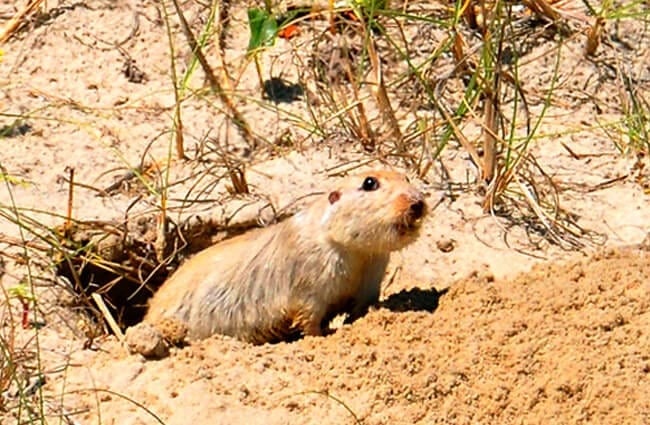
The name “Tuco Tuco” isn't a single species, but rather a collective name for several closely related species within the genus Ctenomys. There are over 60 recognized species, each with slight variations in size, color, and habitat preference. These rodents are characterized by their robust bodies, short tails, and powerful forelimbs – perfectly suited for digging. They are generally brownish in color, providing camouflage within their grassland and scrubland environments. Adults typically range in length from 10 to 25 centimeters, making them relatively small rodents.
Where do they live?
Tuco Tucos are endemic to South America, primarily found in Argentina, Bolivia, Brazil, Paraguay, and Uruguay. They inhabit a diverse range of habitats, from open grasslands and savannas to shrublands and even the edges of forests. Their presence isn't uniform; they are largely absent from rainforests and very high-altitude regions. Each species often occupies a specific niche within this broader range, dictated by soil type, vegetation, and climate. The distribution of the various Ctenomys species is a fascinating area of ongoing research.
Life Underground
The Burrow System
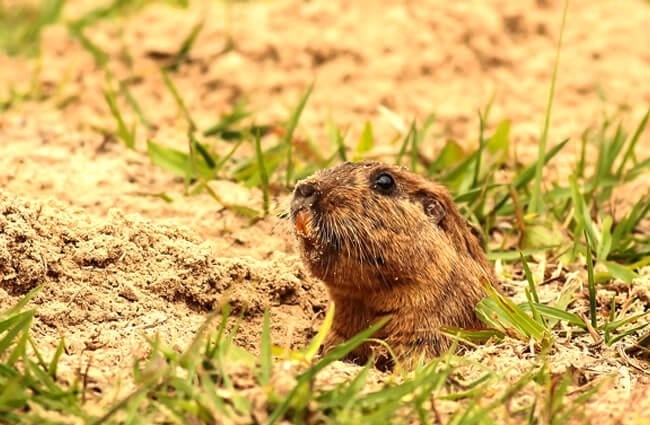
The defining characteristic of the Tuco Tuco is its elaborate burrow system. These aren't simple tunnels; they are complex networks that can extend several meters in length and depth. The burrows serve multiple purposes, providing shelter from predators and the elements, as well as a safe space for raising young. A typical burrow system includes chambers for sleeping, food storage, and waste disposal. Different individuals might maintain multiple burrows within their territory, connected by a series of tunnels.
Diet and Foraging
Tuco Tucos are primarily herbivorous, feeding on grasses, roots, seeds, and occasionally fruits or agricultural crops. Their diet varies depending on the season and availability of food. They are skilled foragers, often venturing above ground to collect vegetation, but quickly retreating to the safety of their burrows when threatened. They are also known to cache food within their burrows for later consumption, especially during the drier months. Interestingly, some species supplement their diet with insects or small invertebrates.
Behavior and Social Structure
Territoriality and Communication
Tuco Tucos are generally solitary and territorial animals. They defend their burrow systems aggressively against intruders, using a combination of vocalizations, scent marking, and physical displays. These rodents communicate through a variety of methods, including high‑pitched squeaks and thumps created by striking their feet against the ground. Scent glands located on their bodies play a crucial role in marking territory and signaling information to other individuals. A fascinating aspect of their communication is the use of seismic signals – vibrations transmitted through the soil – to warn neighbors of danger.
Reproduction and Life Cycle
The breeding season for Tuco Tucos varies depending on the species and location, but typically occurs during the warmer months. Gestation lasts approximately 50 to 60 days, resulting in a litter of two to five pups. The young are born blind and helpless, relying entirely on their mother for care. They are gradually weaned and begin to explore their surroundings, learning essential survival skills from their parents. Tuco Tucos typically live for two to three years in the wild, although some individuals may survive longer.
Ecological Importance and Interactions
The Ecosystem Engineer
Tuco Tucos are considered “ecosystem engineers” due to their significant impact on the landscape. Their burrowing activities aerate soil, improve drainage, and promote plant growth. The burrows also provide shelter for other animals, including reptiles, amphibians, and birds. By dispersing seeds and consuming vegetation, they play a role in maintaining plant diversity. Their activities directly affect soil composition and water infiltration rates.
Predators and Prey
Tuco Tucos serve as an important food source for a variety of predators, including foxes, hawks, owls, snakes, and other carnivorous mammals. Their burrowing behavior provides a crucial defense mechanism, allowing them to quickly escape from danger. They exhibit a heightened level of vigilance, constantly scanning their surroundings for potential threats.
Tuco Tucos and Humans
Agricultural Impacts
In some areas, Tuco Tucos are considered agricultural pests due to their consumption of crops and damage to fields caused by their burrowing. However, their overall impact on agriculture is often overstated, and they can also provide benefits such as soil aeration and pest control. Efforts to control Tuco Tuco populations can have unintended consequences for the ecosystem.
Conservation Status
The conservation status of Tuco Tucos varies depending on the species. While some species are relatively common and widespread, others are rare or endangered due to habitat loss, fragmentation, and overgrazing. Conservation efforts are needed to protect these unique rodents and their vital role in the South American ecosystem.
For the Aspiring Zoologist
Evolutionary History
The genus Ctenomys is thought to have originated during the late Miocene or early Pliocene epoch. The evolutionary relationships between the different species are complex and still being investigated using molecular and morphological data. Researchers believe that the diversification of Tuco Tucos was driven by changes in climate and habitat during the Pleistocene epoch. Studying their genetics reveals insights into their adaptation to different environmental conditions.
Further Research Areas
Ongoing research focuses on the behavioral ecology of Tuco Tucos, including their social structure, communication, and foraging strategies. Scientists are also investigating the physiological adaptations that allow them to thrive in their challenging environments. Understanding their immune system and susceptibility to diseases is also a growing area of interest.
The Tuco Tuco, though small and often unseen, is a remarkable creature deserving of our attention and respect. Its intricate burrowing behavior, ecological importance, and evolutionary history make it a fascinating subject for both scientific study and general appreciation.
![Closeup of a beautiful Red Angus cowPhoto by: U.S. Department of Agriculture [pubic domain]https://creativecommons.org/licenses/by/2.0/](https://animals.net/wp-content/uploads/2020/03/Red-Angus-4-238x178.jpg "Red Angus")


![Closeup of a beautiful Red Angus cowPhoto by: U.S. Department of Agriculture [pubic domain]https://creativecommons.org/licenses/by/2.0/](https://animals.net/wp-content/uploads/2020/03/Red-Angus-4-100x75.jpg "Red Angus")