The trumpeter swan, a magnificent bird renowned for its size, beauty, and distinctive bugling call, holds a special place in both natural history and human culture. Once facing near extinction, successful conservation efforts have brought this iconic species back from the brink. This article delves into the fascinating world of the trumpeter swan, exploring its biology, behavior, habitat, and the ongoing story of its recovery.
A Majestic Overview of the Trumpeter Swan
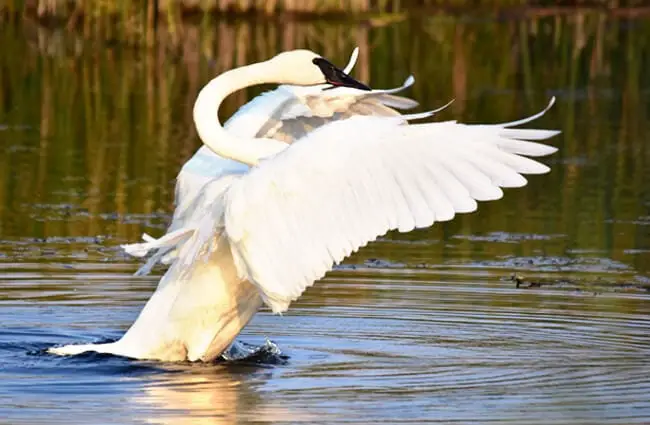
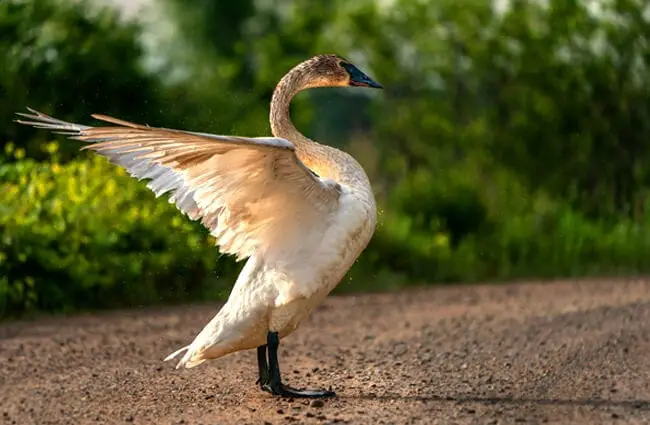
Cygnus buccinator, as the trumpeter swan is scientifically known, is the largest native waterfowl species in North America. Adults typically weigh between 21 and 32 pounds and boast an impressive wingspan ranging from 6 to 7 feet. Their plumage is almost entirely pure white, except for a black bill and legs. A key identifying feature is the triangular patch of bare skin on the bill, which extends backward between the eyes.
Physical Characteristics and Identification
Distinguishing trumpeter swans from other white swan species, particularly the introduced mute swan, can be tricky. Mute swans have an orange bill with a black knob at the base, and they hold their necks in a graceful curve, unlike the trumpeter swan’s straight neck posture. The trumpeter swan’s call is also distinctly different, a resonant, trumpet-like bugling sound, hence the name.
Habitat and Distribution
Historically, trumpeter swans ranged across much of North America, breeding in wetlands, lakes, and rivers. By the mid‑20th century, their numbers had plummeted to fewer than 400 due to habitat loss and overhunting. Today, these swans can be found breeding in western North America, including Alaska, Canada, and parts of the northwestern United States. Several reintroduced populations also exist in the eastern United States and Midwest.
Preferred Environments
Trumpeter swans prefer large, shallow bodies of water with abundant aquatic vegetation. These wetlands provide essential food sources and breeding grounds. They require open water for takeoff and landing, as well as areas of undisturbed vegetation for nesting. During winter, they often congregate on open water or in fields where they can forage for grains and tubers.
Diet and Foraging Behavior
Trumpeter swans are primarily herbivores, with a diet consisting largely of aquatic vegetation such as submerged plants, tubers, and roots. They also consume agricultural grains like wheat and barley when available. Their foraging behavior is fascinating – they often “tip up,” submerging their heads and necks to reach underwater vegetation while keeping their bodies afloat. They are opportunistic feeders and will occasionally consume insects or small invertebrates.
Nutritional Needs
Maintaining their large body size requires a substantial intake of food. During the breeding season and migration, swans must eat a substantial portion of their body weight daily. The availability of high‑quality food sources is crucial for their survival and reproductive success.
Mating, Reproduction and Life Cycle
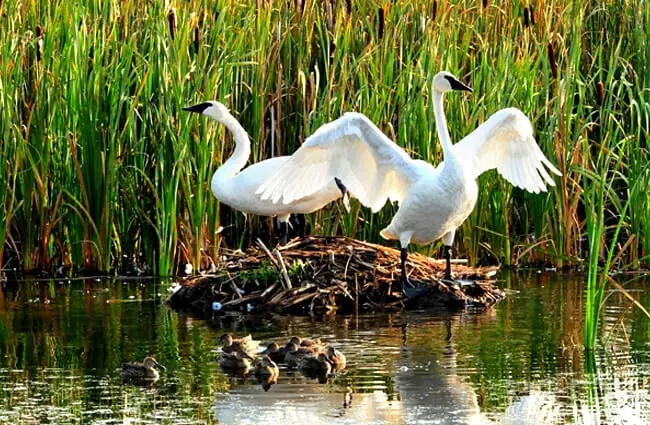
Trumpeter swans are generally monogamous, forming long‑term pair bonds that can last for many years, or even a lifetime. They typically mate in the spring and build large nests made of vegetation on the ground near water. The female lays between 4 and 9 eggs, which are incubated for about 30 to 35 days.
Raising the Young
Both parents participate in caring for the cygnets, which are precocial, meaning they are relatively independent at birth. The cygnets are covered in fluffy gray down and can swim and feed themselves shortly after hatching. However, they remain closely guarded by their parents for several months. It takes approximately 3 to 4 years for a cygnet to reach full maturity and begin breeding.
Behavioral Ecology
Their foraging activities can influence the structure and composition of aquatic vegetation. They also contribute to nutrient cycling and provide habitat for other species. As large, charismatic birds, they serve as an important indicator of wetland health.
Threats and Conservation
Trumpeter swans may aggressively defend their nesting sites against intruders, including other swans, ducks, and even humans. They occasionally compete with other waterfowl for food and habitat. Predators, such as coyotes, foxes, and eagles, may prey on eggs and cygnets, but adult swans are relatively safe due to their size and vigilance.
The trumpeter swan has made a remarkable recovery from the brink of extinction. Through dedicated conservation efforts, including habitat protection, reintroduction programs, and hunting regulations, the population has grown to over 60,000 individuals. However, these swans still face threats from habitat loss, collisions with power lines, lead poisoning from ingested lead shot, and climate change.
Continued monitoring of populations, protection of critical habitats, and public education are essential for ensuring the long‑term survival of the trumpeter swan. Reducing lead contamination in wetlands and mitigating the impacts of climate change are also crucial conservation priorities.
Cultural Significance
For centuries, trumpeter swans have held cultural significance for Indigenous peoples of North America. They are often featured in stories, songs, and artwork, and their feathers are used in ceremonies and crafts. In many cultures, these swans symbolize grace, beauty, and spiritual power.
Historically, trumpeter swans were hunted for their meat, feathers, and eggs. The demand for swan feathers, used in quill pens and decorations, contributed to their decline. Today, hunting of trumpeter swans is regulated, and many areas are designated as protected habitats. The birds also play a role in ecotourism, attracting birdwatchers and nature enthusiasts.
If you encounter a trumpeter swan in the wild, observe it from a respectful distance. Avoid approaching too closely, especially if the swan is nesting or has cygnets. Do not feed the birds, as this can disrupt their natural foraging behavior and make them dependent on humans. If you notice an injured or distressed swan, contact a local wildlife rehabilitation center or conservation authority.
Captive Management
Zookeepers and wildlife rehabilitators caring for trumpeter swans require specialized knowledge and facilities. These swans need large enclosures with access to both land and water. Their diet should consist of high‑quality aquatic vegetation, supplemented with formulated waterfowl feed. Regular health checks and parasite control are essential. Enrichment activities, such as providing floating vegetation and opportunities for social interaction, can enhance their well‑being. Avoid overcrowding and ensure that the enclosure is free from hazards.
Conservation Legacy
The trumpeter swan stands as a testament to the power of conservation and the enduring beauty of the natural world. Its majestic presence continues to inspire awe and wonder, reminding us of the importance of protecting our wetlands and preserving biodiversity for future generations.
![Closeup of a beautiful Red Angus cowPhoto by: U.S. Department of Agriculture [pubic domain]https://creativecommons.org/licenses/by/2.0/](https://animals.net/wp-content/uploads/2020/03/Red-Angus-4-238x178.jpg "Red Angus")
![Closeup of a beautiful Red Angus cowPhoto by: U.S. Department of Agriculture [pubic domain]https://creativecommons.org/licenses/by/2.0/](https://animals.net/wp-content/uploads/2020/03/Red-Angus-4-100x75.jpg "Red Angus")