
The Late Cretaceous period, roughly 68 to 66 million years ago, was a time of giants. Among these magnificent creatures, few are as iconic and instantly recognizable as Triceratops. This herbivorous dinosaur, with its massive frill and three prominent horns, continues to capture the imagination of scientists and the public alike. But what do we really know about this fascinating creature? This article delves into the life and times of Triceratops, exploring its anatomy, behavior, habitat, evolution, and its lasting impact on our understanding of the prehistoric world.
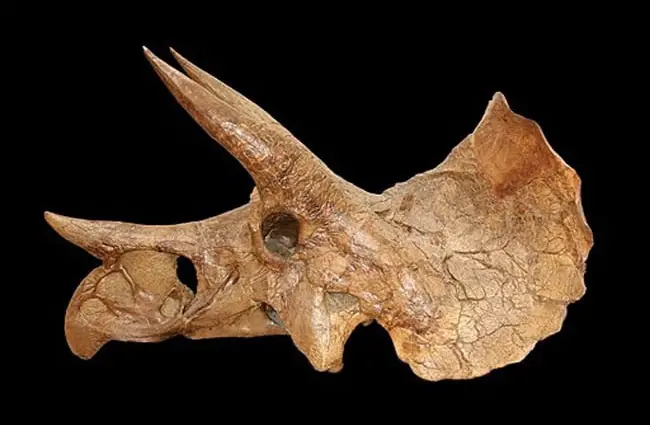
The Anatomy of a Horned Giant
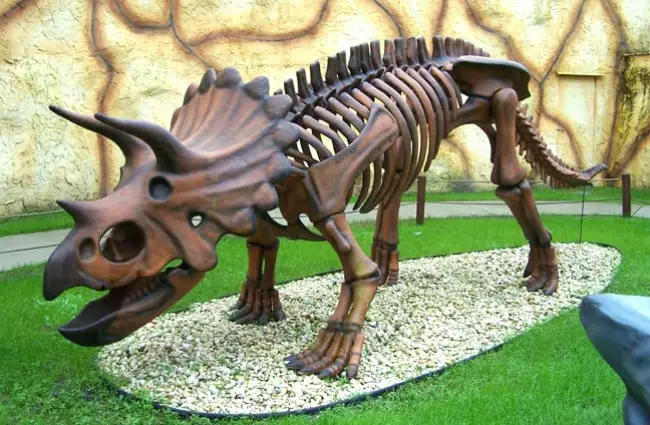
Triceratops, meaning “three-horned face,” was a ceratopsid dinosaur, a group characterized by their large bodies, frills, and horns. Adults could grow up to 9 meters (30 feet) in length and weigh between 6 to 12 tons. The most striking features are, of course, its horns. Two long, forward-pointing horns above the eyes were likely used for display, combat with rivals, and possibly defense against predators like Tyrannosaurus rex. A smaller, shorter horn resided on the nose.
The massive bony frill, extending from the back of the skull, was not solid bone. It was covered in skin and contained large openings. While it added to the animal’s impressive size, its primary function is still debated. Theories range from muscle attachment and display to thermoregulation and species recognition. The large size of the frill, coupled with the horns, almost certainly made Triceratops a formidable opponent.
Habitat and Distribution
Fossil evidence indicates that Triceratops roamed the western portions of North America during the Late Cretaceous. Remains have been discovered in present-day Montana, Wyoming, South Dakota, Colorado, Alberta, and Saskatchewan. The environment was vastly different than it is today. The landscape was characterized by coastal plains, subtropical forests, and swampland. Triceratops thrived in these lush environments, alongside other dinosaurs like Edmontosaurus and Tyrannosaurus rex.
The diet of Triceratops played a crucial role in shaping the ecosystem. It was a low browser, meaning it fed on vegetation close to the ground. Fossil evidence suggests it consumed ferns, cycads, and possibly flowering plants. Its beak-like mouth and dental battery, consisting of hundreds of tightly packed teeth, were perfectly adapted for shearing through tough plant material. This constant foraging would have kept the undergrowth in check, influencing plant distribution and creating habitat for smaller animals.
Diet and Feeding Habits
Understanding the diet of Triceratops is more than just identifying what it ate. It’s about understanding its role in the ancient food web. A full grown Triceratops would have required a considerable amount of vegetation daily. Paleontologists estimate that it consumed over 25 kilograms of plants each day. This indicates a significant impact on the plant life of the region. Fossilized stomach contents have revealed a varied diet, though the exact composition is still under investigation.
Evolutionary History
The evolutionary story of Triceratops is a fascinating one. It belongs to the ceratopsid family, which originated in Asia during the early Cretaceous period. Early ceratopsids were much smaller and lacked the elaborate frills and horns of their later relatives. Over millions of years, these dinosaurs migrated to North America and evolved into the iconic forms we know today.
For a long time, Triceratops and Torosaurus were considered distinct genera. Torosaurus had a much larger frill with two large fenestrae (openings). However, recent research suggests that Torosaurus may actually represent the mature form of Triceratops. As Triceratops aged, its frill would have changed shape and developed the larger fenestrae, effectively transforming it into what was previously considered a separate species. This is a prime example of how ongoing research can reshape our understanding of dinosaur evolution.
Social Behavior and Reproduction
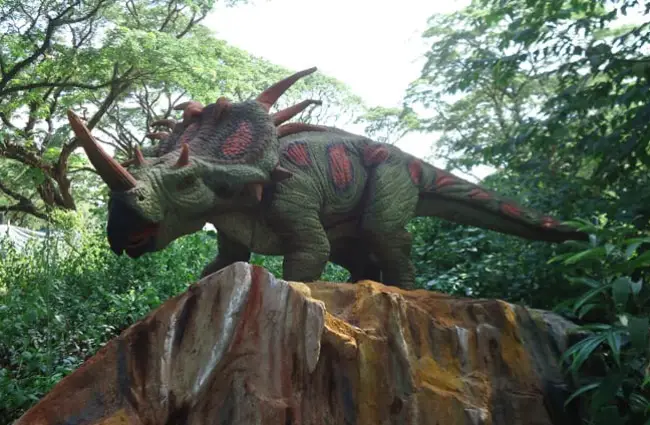
Determining the social behavior of extinct animals is challenging, but fossil evidence provides some clues. While no direct evidence of herding behavior has been found, bonebeds containing multiple Triceratops individuals suggest they may have occasionally gathered in groups. This could have been for protection, migration, or mating.
The reproductive process of Triceratops remains largely unknown. It’s likely they laid eggs, similar to other dinosaurs and reptiles. Nesting sites have not yet been discovered. It is believed they likely had a relatively long lifespan, potentially reaching 60 to 70 years.
Triceratops and Its Ecosystem
Triceratops played a vital role in its ecosystem. As a large herbivore, it helped to shape the vegetation and create habitat for other animals. It also served as prey for large predators like Tyrannosaurus rex. Fossil evidence suggests that Triceratops was a common target for Tyrannosaurus rex. Bite marks on Triceratops bones attest to these epic battles. The horns and frill would have provided some defense, but a determined Tyrannosaurus rex could likely overcome even a healthy adult Triceratops.
The presence of Triceratops also influenced the behavior of other herbivores. Its grazing patterns would have created open areas, allowing smaller herbivores to access food. It’s likely a complex web of interactions kept the ecosystem in balance.
Triceratops in Popular Culture and Human Interaction
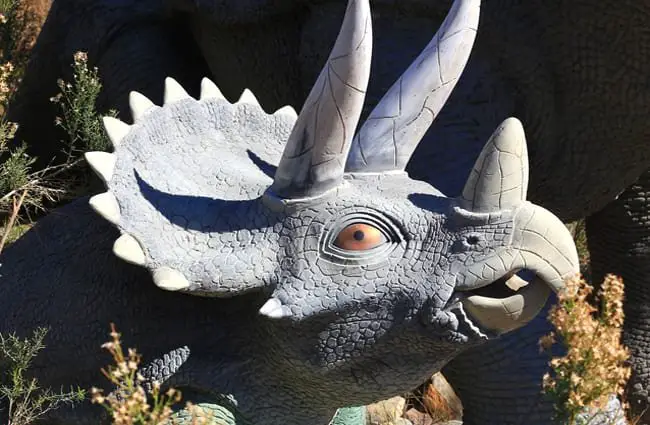
Triceratops has become a cultural icon, appearing in countless books, movies, and documentaries. Its distinctive appearance makes it instantly recognizable, and its role as a formidable opponent to Tyrannosaurus rex has captured the imagination of millions. From its early depictions in scientific illustrations to its modern portrayal in blockbuster films, Triceratops continues to fascinate and inspire.
While no direct interaction between humans and Triceratops was possible, its fossilized remains have provided invaluable insights into the prehistoric world. Paleontologists continue to unearth new fossils, revealing more about its anatomy, behavior, and evolutionary history.
The story of Triceratops is a testament to the power of evolution and the wonders of the prehistoric world. Its legacy continues to inspire scientific inquiry and captivate the imagination of people around the globe. While it may be extinct, Triceratops remains a vibrant symbol of a bygone era, reminding us of the incredible diversity of life that has graced our planet.
![Closeup of a beautiful Red Angus cowPhoto by: U.S. Department of Agriculture [pubic domain]https://creativecommons.org/licenses/by/2.0/](https://animals.net/wp-content/uploads/2020/03/Red-Angus-4-238x178.jpg "Red Angus")


![Closeup of a beautiful Red Angus cowPhoto by: U.S. Department of Agriculture [pubic domain]https://creativecommons.org/licenses/by/2.0/](https://animals.net/wp-content/uploads/2020/03/Red-Angus-4-100x75.jpg "Red Angus")