The Reign of Titanoboa: Unearthing the Past’s Largest Snake
Imagine a snake so large it could swallow a crocodile whole. This was not a creature of myth, but a reality in the Paleocene epoch: Titanoboa cerrejonensis, the largest snake ever discovered. This colossal reptile offers a fascinating window into a bygone era and challenges our understanding of both snake evolution and the ancient ecosystems they inhabited.
A Giant Among Snakes: Physical Characteristics
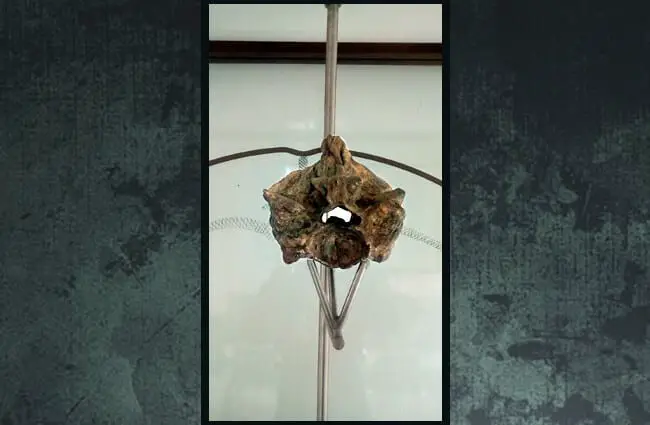
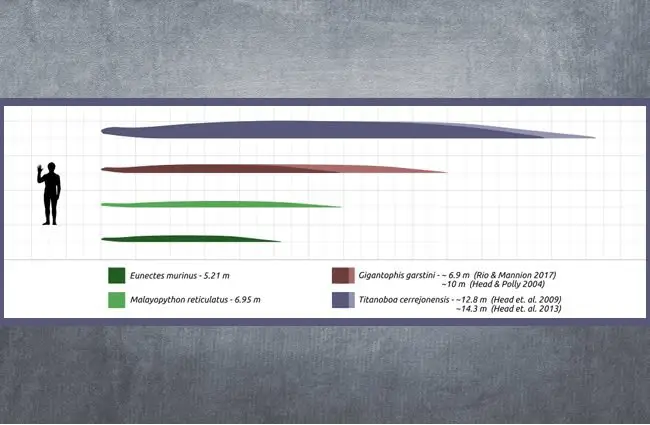
Titanoboa was not only long but also massively built. Estimates suggest an average length of around 12.8 meters (42 feet), with the largest specimens potentially reaching over 14 meters (46 feet). Its weight is estimated at over 1,100 kilograms (2,400 pounds), comparable to a small car. Unlike modern constrictors that rely on squeezing prey, Titanoboa had a robust build, suggesting it subdued prey through a combination of constriction and powerful force. Fossilized vertebrae provide strong evidence of its immense girth and a powerful muscular system capable of supporting such a massive body.
Habitat and Distribution: A Paleocene South America
The fossils of Titanoboa have been exclusively found in the Cerrejón Formation of northeastern Colombia. This geological formation dates back to the Paleocene epoch, approximately 60 to 58 million years ago. During this period, the region was a hot, humid, swampy rainforest, teeming with life. The climate was consistently warm, providing an ideal environment for ectotherms to thrive. The Cerrejón ecosystem was rich in large crocodilians, turtles, and early mammals, forming the base of Titanoboa’s food chain. The presence of Titanoboa suggests that the Paleocene had higher average temperatures than previously thought, because ectothermic animals are strongly influenced by ambient temperatures.
Diet and Predation: A Formidable Apex Predator
As an apex predator, Titanoboa sat at the top of the food chain. Fossil evidence, particularly the size of its skull and the strength of its jaws, strongly suggests it preyed upon large animals. Crocodilians appear to have been a staple in its diet, with fossils discovered showing signs of snake predation. Turtles and early mammals were also likely targeted. Titanoboa was not an active hunter in the modern sense; it likely employed ambush tactics, lying in wait near waterways and striking when prey came within range. Its massive size and strength would have allowed it to quickly subdue even large animals. The lack of other large predators in the Paleocene environment likely enabled Titanoboa to reach such extraordinary sizes.
Evolutionary History: Tracing the Roots of a Giant
Titanoboa belongs to the Boidae family, the same family as anacondas and boas. However, it represents a distinct genus and species, showcasing a unique evolutionary pathway. Its evolutionary origins are believed to be linked to terrestrial varanoid lizards that evolved into modern snakes. The warm climate of the Paleocene played a crucial role in Titanoboa’s evolution. Higher temperatures increased metabolic rates, allowing the snake to grow larger and faster. The absence of competition from other large predators also contributed to its gigantism. Studying Titanoboa’s evolutionary history provides valuable insights into the broader story of snake evolution and the factors that drive gigantism in reptiles.

Reproduction and Life Cycle: Mysteries of the Paleocene
The reproductive habits of Titanoboa remain largely speculative, as no fossilized eggs or young have been discovered. Based on its close relatives—boas and anacondas—it is likely that Titanoboa was ovoviviparous, giving birth to live young. This reproductive strategy would have provided greater protection for developing embryos. The size of Titanoboa also suggests a relatively slow reproductive rate, with females producing only a few offspring at a time. The lifespan of Titanoboa is unknown, but given its size and metabolic rate, it likely lived for several decades. Further research and the discovery of new fossils are needed to shed more light on the reproductive and life cycle of this magnificent creature.
Ecological Role: Shaping the Paleocene Ecosystem
As an apex predator, Titanoboa played a crucial role in regulating the populations of its prey, maintaining the balance of the Paleocene ecosystem. The presence of such a large predator influenced the behavior and distribution of other animals. By preying on large crocodilians and other vertebrates, Titanoboa likely prevented any single species from becoming overly dominant. The decline of Titanoboa, which occurred as the climate cooled and the environment changed, likely had cascading effects on the entire ecosystem. The loss of such a dominant predator would have altered the structure and function of the Paleocene community.
Titanoboa and Humans: A Distant Past
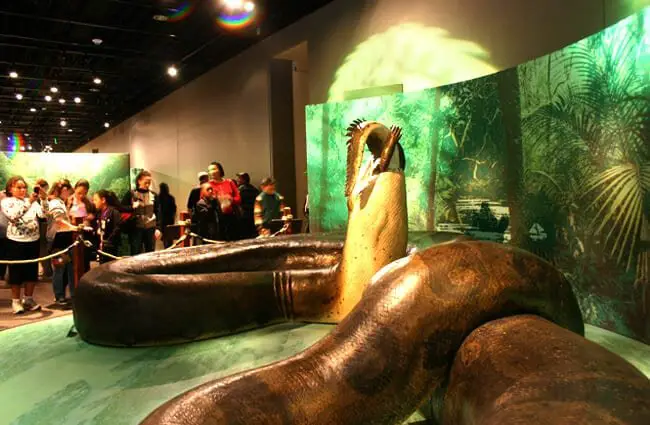
Of course, humans did not coexist with Titanoboa. The snake vanished millions of years before the emergence of our species. However, the discovery of Titanoboa has captured the public imagination and sparked interest in paleontology and prehistoric life. Museum exhibits and documentaries featuring Titanoboa help educate the public about the incredible diversity of life on Earth and the importance of preserving our planet’s natural heritage. The snake serves as a reminder of the dramatic changes that have occurred throughout Earth’s history and the power of evolution.
Interesting Facts About Titanoboa
- Weight: Estimated at over 1,100 kilograms (2,400 pounds).
- Length: Reached lengths of up to 14 meters (46 feet) or more.
- Habitat: Lived in the hot, humid rainforests of Paleocene Colombia.
- Diet: Primarily preyed on large crocodilians, turtles, and early mammals.
- Temperature Connection: Its size suggests a warmer global climate during the Paleocene.
- Discovery Location: Fossils found in the Cerrejón Formation of Colombia.
- Evolutionary Family: Belongs to the Boidae family, related to anacondas and boas.
Titanoboa remains a captivating creature from a bygone era. Through continued research and the discovery of new fossils, we can continue to unravel the mysteries of this colossal snake and gain a deeper understanding of the prehistoric world it inhabited.
![Closeup of a beautiful Red Angus cowPhoto by: U.S. Department of Agriculture [pubic domain]https://creativecommons.org/licenses/by/2.0/](https://animals.net/wp-content/uploads/2020/03/Red-Angus-4-238x178.jpg "Red Angus")
![Closeup of a beautiful Red Angus cowPhoto by: U.S. Department of Agriculture [pubic domain]https://creativecommons.org/licenses/by/2.0/](https://animals.net/wp-content/uploads/2020/03/Red-Angus-4-100x75.jpg "Red Angus")