The world of snakes holds a particular fascination, and among these remarkable reptiles the taipan stands out. Renowned for possessing some of the most potent venom of any land snake, the taipan is a creature of both power and subtlety. This guide delves into the comprehensive world of taipans, exploring their biology, behavior, habitat, and interaction with both the ecosystem and humans.
Understanding Taipans: A Deep Dive
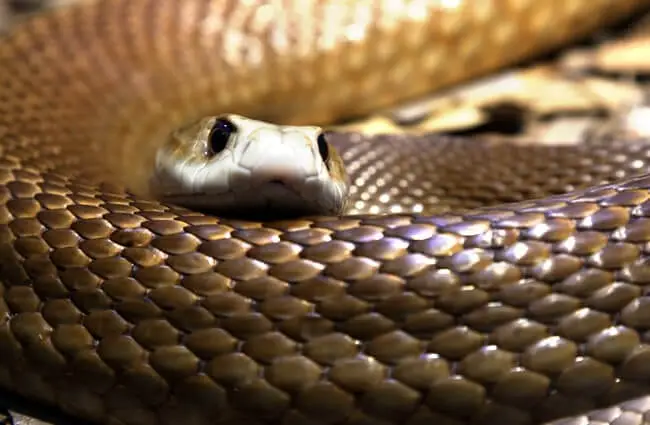
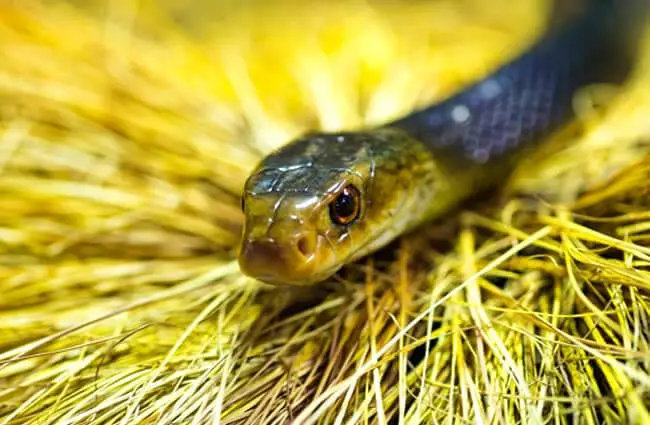
The name “taipan” does not refer to a single species but rather to a genus, Oxyuranus, containing several closely related snakes. The most well known are the Coastal Taipan (Oxyuranus scutellatus) and the Inland Taipan (also known as the Fierce Snake, Oxyuranus microlepidotus). Both are native to Australia and each has adapted to thrive in its specific environment.
Species Spotlight
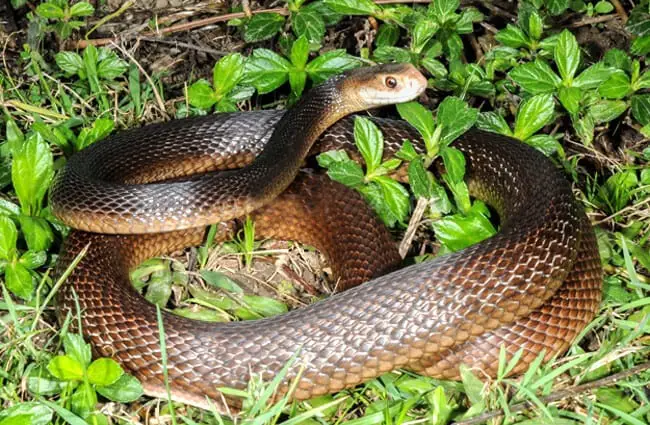
Coastal Taipan: This snake favors the coastal regions of northern and eastern Australia, including Queensland and New South Wales. It is a large, fast moving snake, often found in open forests, woodlands, and cane fields. Coastal taipans are generally more aggressive than inland taipans and will readily defend themselves if threatened.
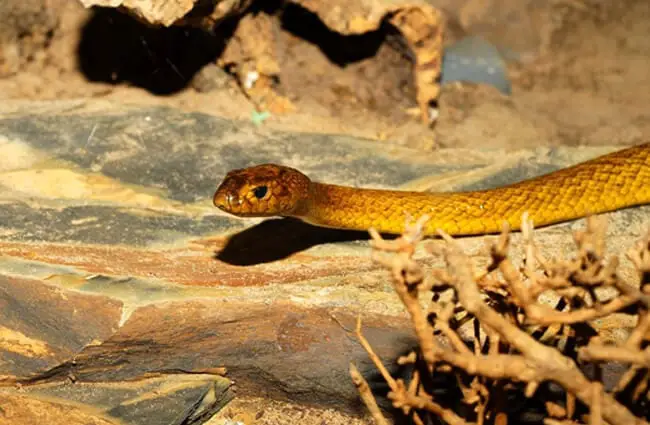
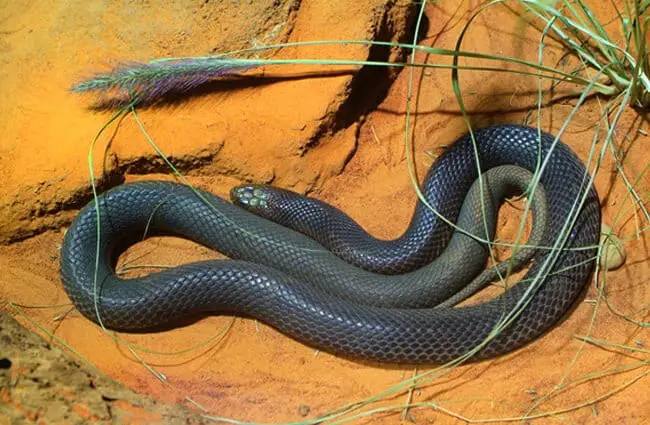
Inland Taipan: In contrast the Inland Taipan is found in the semi arid regions of central Australia. It is a more reclusive snake, preferring to inhabit cracks and crevices in the black soil plains. Despite its potent venom the Inland Taipan is generally shy and avoids confrontation, relying on camouflage and hiding as its primary defense mechanisms.
Physical Characteristics
Taipans are relatively large snakes. Coastal taipans can grow to lengths of up to 3.3 meters (over 10 feet), while Inland taipans typically reach around 2.5 meters (8 feet). They have smooth scales, a slender build, and a distinctive slightly flattened head. Coloration varies depending on the species and individual but typically ranges from shades of brown, olive, and gray. Inland taipans often darken in color during the winter months, possibly to absorb more heat.
Habitat and Distribution
As mentioned earlier taipans are exclusively found in Australia. The distribution of each species is dictated by its preferred habitat. Coastal taipans thrive in warmer, wetter environments while Inland taipans prefer the drier inland regions. Both species require access to prey and suitable shelter such as logs, rocks, or burrows. The varying climates and landscapes of Australia provide a diverse range of habitats that support these remarkable snakes.
Diet and Hunting Strategies
Taipans are carnivores and their diet consists primarily of small mammals such as rodents and bandicoots. They are ambush predators patiently waiting for prey to come within striking distance. Their venom is a potent neurotoxin that rapidly paralyzes the prey. Taipans have relatively small teeth compared to some other venomous snakes so they rely on a swift accurate strike to deliver the venom. Once the prey is immobilized the taipan will constrict it before consuming it whole.
Reproduction and Life Cycle
Taipans are oviparous meaning they lay eggs. Breeding season typically occurs during the spring and summer months. The female taipan will lay a clutch of 10 to 30 eggs in a sheltered location such as a hollow log or burrow. The eggs incubate for around 50 to 70 days after which the hatchlings emerge. Young taipans are independent from birth and must fend for themselves. Their lifespan in the wild is estimated to be between 10 and 15 years.
Taipans and the Ecosystem
As apex predators taipans play a crucial role in maintaining the balance of their ecosystems. By controlling populations of rodents and other small mammals they help prevent overgrazing and protect vegetation. They themselves may become prey for larger predators such as birds of prey and goannas although this is relatively uncommon due to their potent venom.
Human Interactions and Safety
While taipans are undeniably dangerous bites are relatively rare. Most bites occur when people accidentally step on or disturb a snake. It is important to remember that taipans are not aggressive creatures and will generally avoid confrontation if given the opportunity.
What to do if you encounter a taipan
- Stay calm: Panicking will only worsen the situation.
- Maintain distance: Back away slowly and give the snake plenty of space.
- Do not attempt to handle or kill the snake: This will only increase your risk of being bitten.
- Seek medical attention immediately if bitten: Antivenom is available but prompt treatment is crucial.
Antivenom
Antivenom for both Coastal and Inland Taipans is available in Australia. It is important to note that antivenom is not a cure all and can have side effects. However it remains the most effective treatment for taipan bites.
A Closer Look: Evolutionary History
The evolutionary history of taipans is complex and still being researched. The genus Oxyuranus is believed to have diverged from other elapid snakes (the family that includes cobras, mambas, and coral snakes) millions of years ago. The development of their highly potent venom is thought to have been driven by the need to subdue fast moving prey in the Australian environment. The Inland Taipan in particular has evolved a remarkably potent venom possibly due to the scarcity of prey in its arid habitat.
Taipans in Captivity
Caring for taipans in captivity requires specialized knowledge and facilities. They need a spacious enclosure that mimics their natural habitat with appropriate temperature and humidity levels. Their diet consists of rodents and they need access to fresh water. Handling taipans should only be performed by experienced keepers and strict safety protocols must be followed. Zookeepers caring for taipans also play an important role in educating the public about these fascinating creatures and promoting conservation efforts.
Interesting Facts About Taipans
- The Inland Taipan is considered the most venomous land snake in the world based on its LD50 value (a measure of venom toxicity).
- Coastal taipans are known for their speed and agility and can strike with remarkable accuracy.
- Taipans have excellent eyesight and are able to detect movement from a considerable distance.
- Their venom contains a complex mixture of toxins including neurotoxins, hemotoxins, and myotoxins.
- Taipans play an important role in traditional Aboriginal Australian culture and feature in Dreamtime stories and art.
The taipan with its potent venom and remarkable adaptations is a testament to the power of evolution. By understanding these fascinating creatures we can appreciate their role in the ecosystem and ensure their survival for generations to come.
![Closeup of a beautiful Red Angus cowPhoto by: U.S. Department of Agriculture [pubic domain]https://creativecommons.org/licenses/by/2.0/](https://animals.net/wp-content/uploads/2020/03/Red-Angus-4-238x178.jpg "Red Angus")

![Closeup of a beautiful Red Angus cowPhoto by: U.S. Department of Agriculture [pubic domain]https://creativecommons.org/licenses/by/2.0/](https://animals.net/wp-content/uploads/2020/03/Red-Angus-4-100x75.jpg "Red Angus")