The African Spur-Thighed Tortoise: A Comprehensive Guide
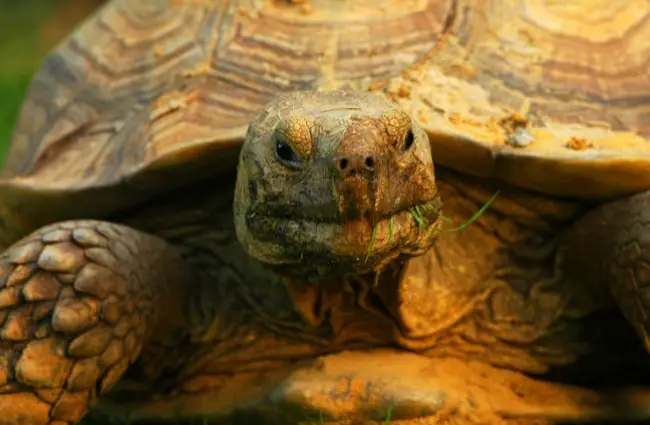
The Sulcata tortoise, Centrochelys sulcata, is an iconic reptile native to the Sahel region of Africa. Often referred to as the African spur-thighed tortoise because of the prominent spurs on its hind legs, this species holds a unique place in the animal kingdom. It is a creature of impressive size, remarkable adaptability, and surprising complexity. This guide delves into the world of the Sulcata tortoise, covering its natural history, behavior, conservation status, and interaction with both its environment and humans.
Habitat and Distribution
Sulcata tortoises inhabit the semi arid regions of the Sahel, a transitional zone between the Sahara Desert to the north and the savanna to the south. Their range extends across several countries including Chad, Eritrea, Ethiopia, Mali, Mauritania, Niger, Senegal, Sudan, and parts of Nigeria. This region experiences distinct wet and dry seasons, and Sulcata tortoises have evolved to thrive in these challenging conditions. They prefer grasslands and shrublands with access to water sources during the rainy season, retreating into burrows or shaded areas during the hottest and driest months. Finding a Sulcata in the wild requires knowledge of these arid and semi arid grassland environments. Look for signs of digging and grazing, particularly after rainfall. Their distribution is not uniform; they are more common in areas with deeper soils suitable for burrow construction.
Evolutionary History
The evolutionary history of the Sulcata tortoise reveals a fascinating story of adaptation to a harsh environment. While the exact origins are still under investigation, Centrochelys sulcata is believed to have diverged from other tortoise lineages millions of years ago. The species’ ancestors likely inhabited more widespread habitats before becoming restricted to the Sahel due to climate change and the rise of the Sahara Desert. The development of its large size and ability to conserve water were crucial adaptations for survival in this arid region. Fossil records are limited, making a complete understanding of its evolution challenging. However, morphological and genetic studies suggest a close relationship with other African tortoise species.
Diet and Foraging Behavior
Sulcata tortoises are primarily herbivores, with a diet consisting mainly of grasses, leaves, stems, and flowers. They are opportunistic feeders, consuming whatever vegetation is available. During the wet season, when grasses are abundant, they graze extensively. During the dry season, they rely on stored water and consume succulents, shrubs, and even dried vegetation. They have a remarkable ability to extract moisture from their food and conserve water within their bodies. Their strong beak and jaws enable them to process tough plant material. They also exhibit coprophagy, consuming their own feces to extract additional nutrients. This behavior is especially important for obtaining essential vitamins and minerals.
Life Cycle: Mating, Reproduction, and Growth
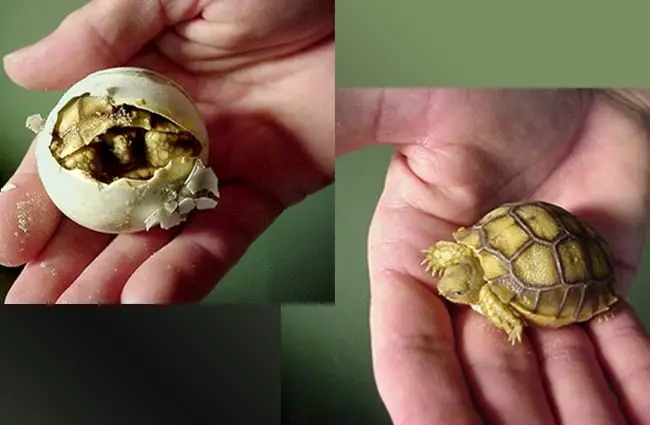
The mating season for Sulcata tortoises typically coincides with the beginning of the rainy season. Males will actively pursue females, engaging in elaborate courtship displays that involve head bobbing, shell ramming, and vocalizations. Competition between males for access to females can be fierce. After successful mating, the female will dig a nest, typically in sandy or loamy soil. She lays a clutch of 10 to 30 eggs, burying them and leaving them to incubate. Incubation lasts approximately three to six months, depending on temperature. Hatchlings are relatively small, measuring only a few inches in length. They are vulnerable to predators and rely on camouflage and burrowing for protection. Sulcata tortoises grow at a remarkable rate, reaching maturity in 15 to 20 years. They can live for over 70 years in the wild, and even longer in captivity.
Ecological Role and Interactions
Sulcata tortoises play a significant role in their ecosystem. As herbivores, they help to shape vegetation communities. Their grazing activities can prevent the dominance of certain plant species and promote biodiversity. They also serve as a food source for predators, including hyenas, jackals, and birds of prey. Their burrows provide shelter for other animals, such as lizards and snakes. Furthermore, they contribute to seed dispersal by consuming fruits and seeds. They often coexist with other tortoise species, such as the Leopard tortoise, sharing resources and habitats. Understanding these interactions is crucial for effective conservation efforts.
Sulcata Tortoises and Humans: History and Current Status
Historically, Sulcata tortoises were hunted for food by local communities. However, in recent decades, the primary threat to their survival has become the pet trade. Their relatively small size as hatchlings and their impressive size as adults make them desirable pets. However, many owners are unprepared for the long term commitment and the considerable space and resources required to care for a Sulcata tortoise properly. As a result, many are abandoned or neglected. Habitat loss due to agriculture and urbanization also poses a threat. The species is currently listed as Vulnerable by the International Union for Conservation of Nature (IUCN). Conservation efforts focus on regulating the pet trade, protecting critical habitats, and raising awareness about the importance of responsible ownership.
Encountering a Sulcata Tortoise in the Wild: What to Do
If you encounter a Sulcata tortoise in the wild, it’s important to observe it from a distance and avoid disturbing it. Do not attempt to handle or move the tortoise. If it appears injured or in distress, contact a local wildlife rehabilitation center or conservation organization. It’s also important to report any instances of illegal poaching or trade to the appropriate authorities. Remember that these animals are an important part of the ecosystem, and their survival depends on our respect and protection.
Caring for a Sulcata Tortoise in Captivity: A Zookeeper’s Guide
Caring for a Sulcata tortoise in captivity requires a significant commitment and specialized knowledge. Provide a large outdoor enclosure with plenty of space for grazing and exploration. The enclosure should include both sunny and shaded areas, as well as a shallow pool of water for drinking and soaking. The substrate should be a mix of soil, sand, and hay. A varied diet consisting of grasses, leafy greens, and vegetables is essential. Supplement the diet with calcium and vitamin D3. Monitor the tortoise’s health regularly and provide veterinary care as needed. Avoid overcrowding and ensure proper hygiene to prevent disease. Remember that Sulcata tortoises can live for many decades, so be prepared to provide long term care.
Fascinating Facts About the Sulcata Tortoise
- Sulcata tortoises can grow to be over 30 inches long and weigh over 200 pounds.
- They are capable of digging extensive burrows that can provide shelter from the heat and predators.
- They can survive for extended periods without access to water by conserving moisture within their bodies.
- They are relatively fast runners for tortoises, capable of reaching speeds of up to 6 miles per hour.
- Their spurs on their hind legs are used for defense and during mating displays.
- Young Sulcatas are very vulnerable to predation from birds, jackals, and other animals.
- The species is known for its strong personality and inquisitive nature.
The Sulcata tortoise is a remarkable creature that embodies the resilience and adaptability of life in the African Sahel. Its unique characteristics, ecological role, and cultural significance make it a species worthy of our admiration and protection. By understanding its needs and threats, we can work together to ensure its survival for generations to come.
![Closeup of a beautiful Red Angus cowPhoto by: U.S. Department of Agriculture [pubic domain]https://creativecommons.org/licenses/by/2.0/](https://animals.net/wp-content/uploads/2020/03/Red-Angus-4-238x178.jpg "Red Angus")
![Closeup of a beautiful Red Angus cowPhoto by: U.S. Department of Agriculture [pubic domain]https://creativecommons.org/licenses/by/2.0/](https://animals.net/wp-content/uploads/2020/03/Red-Angus-4-100x75.jpg "Red Angus")