A Deep Dive into the World of Spoonbills
Spoonbills are captivating wading birds instantly recognizable by their uniquely shaped bills. These fascinating creatures inhabit wetlands across the globe, displaying a blend of elegance and efficiency in their foraging habits. This guide offers a comprehensive exploration of spoonbills, covering their habitat, behavior, evolutionary history, and ecological significance.
What Defines a Spoonbill?
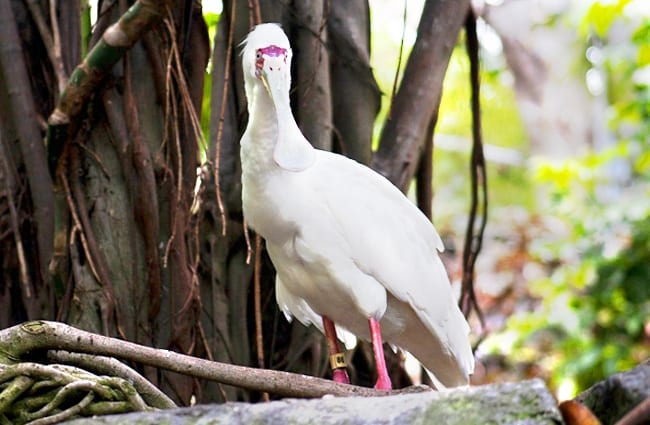
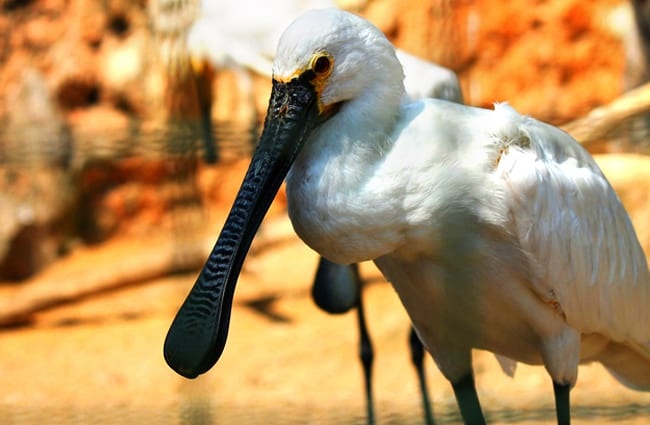
The most striking feature of a spoonbill is, unsurprisingly, its bill. The bill is broad and flattened, resembling a spoon, and is used in a side‑sweeping motion to sift through water and mud for small fish, crustaceans, and insects. This specialized feeding technique sets them apart from other wading birds like herons and ibises. There are six recognized species of spoonbill, each with slight variations in plumage and distribution.
Spoonbill Species Around the Globe
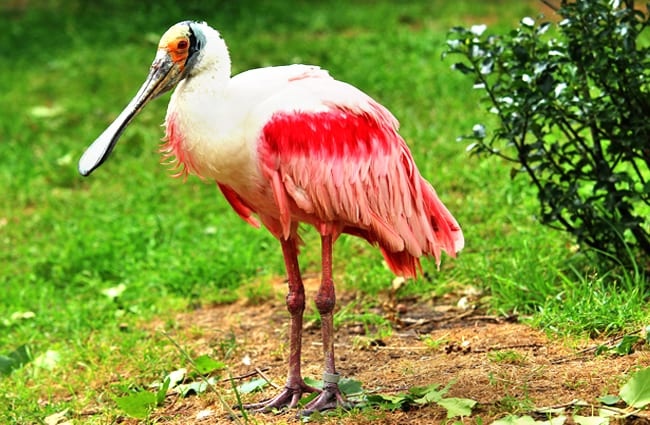
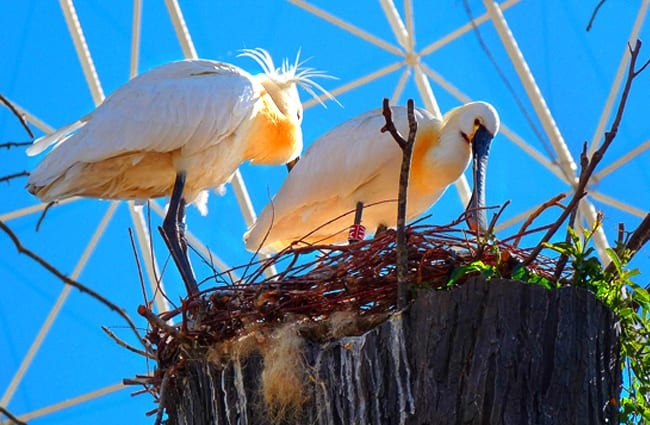
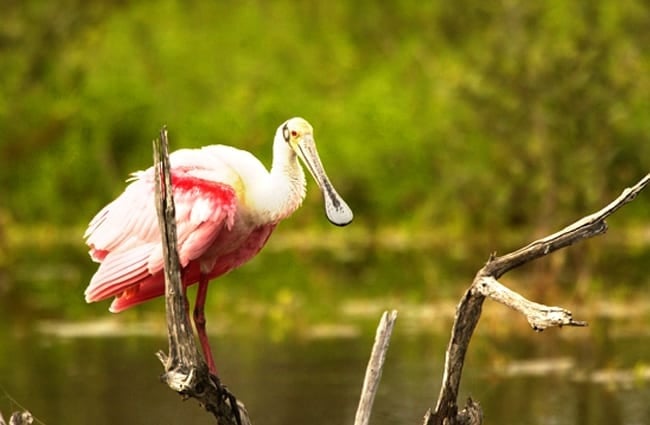
The six species are the Roseate Spoonbill (Platalea ajaja), the Eurasian Spoonbill (Platalea leucorodia), the African Spoonbill (Platalea alba), the Japanese Crested Spoonbill (Platalea pygmaea), the Black‑Faced Spoonbill (Platalea melanorhynchos), and the Australian Spoonbill (Platalea regius). The Roseate Spoonbill, found in the Americas, is famous for its vibrant pink plumage, a result of its diet rich in carotenoids. The Eurasian Spoonbill, common in Europe and Asia, is typically white with a distinctive spoon‑shaped bill.
Habitat and Distribution
Spoonbills are primarily found in shallow wetlands, including marshes, lagoons, swamps, and estuaries. These habitats provide the ideal conditions for foraging and nesting. They require relatively undisturbed areas with ample food resources. The distribution of spoonbills varies by species. For example, the Roseate Spoonbill is limited to the Americas, while the Eurasian Spoonbill has a much wider range spanning Europe, Asia, and parts of Africa. The Black‑Faced Spoonbill is critically endangered and its habitat is limited to East Asia.
Evolutionary History
The evolutionary origins of spoonbills can be traced back to the order Pelecaniformes, which includes herons, egrets, and ibises. Fossil evidence suggests that early spoonbills emerged during the Paleogene period, around 65 million years ago. Over time, they evolved their distinctive spoon‑shaped bills, adapting to a specialized feeding strategy. The current six species represent a relatively recent diversification, with genetic studies revealing distinct lineages within the Platalea genus.
Diet and Foraging Behavior
Spoonbills are opportunistic feeders, consuming a variety of small aquatic animals. Their diet includes fish, crustaceans, insects, and mollusks. They typically forage in shallow water, wading through marshes and swamps with their bills submerged. The unique side‑sweeping motion of their bills allows them to detect prey through touch. They often forage in groups, increasing their efficiency in locating food. A fascinating aspect of their feeding behavior is their ability to tilt their heads underwater, further enhancing their ability to detect prey.
Mating and Reproduction
Spoonbills are generally monogamous, forming long‑term pair bonds. They breed during the spring and summer months, typically in colonies. Nests are built from sticks and vegetation, often located in trees or shrubs near water. A clutch typically consists of 2 to 5 eggs, which are incubated by both parents for about 28 days. Chicks are altricial, meaning they are born helpless and require extensive parental care. Both parents feed the chicks regurgitated food. Young spoonbills fledge after about 50 to 60 days.
Ecological Role and Interactions
Spoonbills play a crucial role in wetland ecosystems. As predators of aquatic invertebrates and small fish, they help to regulate populations and maintain the balance of the food web. They also contribute to nutrient cycling through their foraging and waste products. Spoonbills often coexist with other wading birds, such as herons and egrets, sharing habitat and foraging grounds. They may also compete with these birds for resources. They can be preyed upon by larger birds of prey, such as eagles and hawks, and by mammals like foxes and raccoons.
Spoonbills and Human Interactions
Historically, spoonbills were hunted for their feathers, which were used in the millinery trade. This practice led to significant declines in some populations. Today, spoonbills are protected by law in many countries. Habitat loss and degradation remain major threats. Wetlands are increasingly being drained or converted for agricultural and urban development, reducing the availability of suitable foraging and nesting sites. Pollution, particularly from agricultural runoff, also poses a risk. Conservation efforts focus on protecting and restoring wetlands, as well as raising public awareness about the importance of these birds.
Observing Spoonbills in the Wild
If you are interested in observing spoonbills in the wild, focus on visiting shallow wetlands during the spring and summer months. Look for areas with abundant vegetation and open water. Bring binoculars or a spotting scope for better viewing. Be patient and observant, as spoonbills can be shy and elusive. Maintain a respectful distance to avoid disturbing them. Remember to follow all local regulations and guidelines.
Caring for Spoonbills in Captivity
Caring for spoonbills in captivity requires specialized knowledge and facilities. They need large enclosures that simulate their natural wetland habitat, with access to both water and land. The water should be kept clean and well‑filtered. They require a varied diet of fish, crustaceans, and insects. Regular veterinary care is essential to monitor their health and prevent disease. Enrichment activities, such as providing nesting materials and opportunities for foraging, are important to stimulate their natural behaviors. A common mistake in captivity is not providing enough space, which can lead to stress and behavioral problems.
Fascinating Spoonbill Facts
- The pink coloration of the Roseate Spoonbill is derived from the carotenoids in their diet.
- Spoonbills often stir up the water with their feet to flush out prey.
- They can fly with their necks outstretched, creating a graceful silhouette.
- Black‑Faced Spoonbills are among the most endangered bird species worldwide.
- Spoonbills can live for more than 15 years in the wild.
Conclusion
Spoonbills are remarkable birds that add beauty and ecological value to wetlands around the globe. Their unique feeding adaptations, fascinating behaviors, and critical role in ecosystem health make them a subject of ongoing research and conservation efforts. By understanding and appreciating these magnificent creatures, we can help ensure their survival for generations to come.

![Closeup of a beautiful Red Angus cowPhoto by: U.S. Department of Agriculture [pubic domain]https://creativecommons.org/licenses/by/2.0/](https://animals.net/wp-content/uploads/2020/03/Red-Angus-4-238x178.jpg "Red Angus")



![Closeup of a beautiful Red Angus cowPhoto by: U.S. Department of Agriculture [pubic domain]https://creativecommons.org/licenses/by/2.0/](https://animals.net/wp-content/uploads/2020/03/Red-Angus-4-100x75.jpg "Red Angus")