The Fiery Red Jewel of the Pacific: Unraveling the Mysteries of the Sockeye Salmon
Few creatures embody the raw power and enduring spirit of the wild quite like the Sockeye Salmon. Known for its spectacular crimson transformation during its final journey, this iconic fish is more than just a culinary delight; it is a linchpin in vast ecosystems, a marvel of evolutionary adaptation, and a testament to nature’s incredible cycles. From the depths of the ocean to the pristine freshwater streams, the Sockeye’s life story is a saga of survival, migration, and profound ecological impact.
This article delves deep into the world of the Sockeye Salmon, exploring its fascinating biology, its critical role in the environment, and its intricate relationship with both wildlife and humanity. Prepare to embark on a journey that reveals why this vibrant fish captures the imagination of zoologists, inspires conservationists, and remains a vital part of our natural heritage.
Sockeye Salmon: A Profile of an Aquatic Athlete
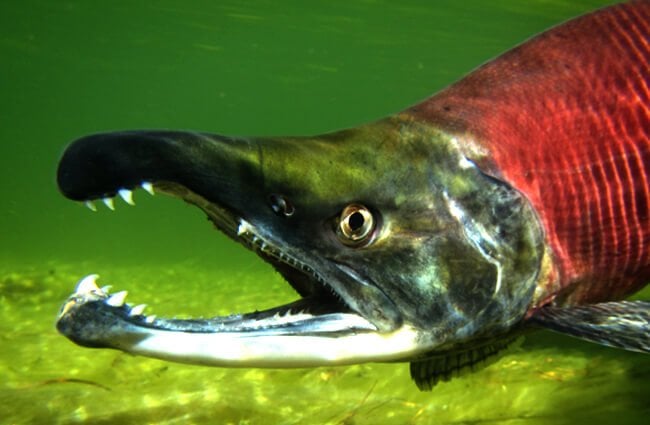
The Sockeye Salmon, scientifically known as Oncorhynchus nerka, is one of the most recognizable and ecologically significant species of Pacific salmon. Its name is believed to be an anglicization of suk-kegh, a word from the Halkomelem language of the indigenous peoples of the Fraser River, meaning “red fish.” This moniker aptly describes its most striking characteristic during its spawning phase.
These remarkable fish are primarily found in the northern Pacific Ocean and its associated freshwater systems. Their range extends from the west coast of North America, from the Columbia River in Oregon north to Alaska, and across to the Asian coast, including Siberia, Kamchatka, and northern Japan. They are anadromous, meaning they spend a significant portion of their lives maturing in saltwater before returning to their natal freshwater streams to reproduce.
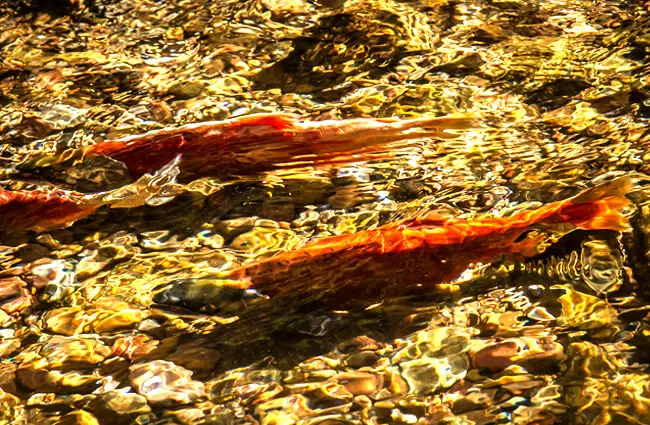
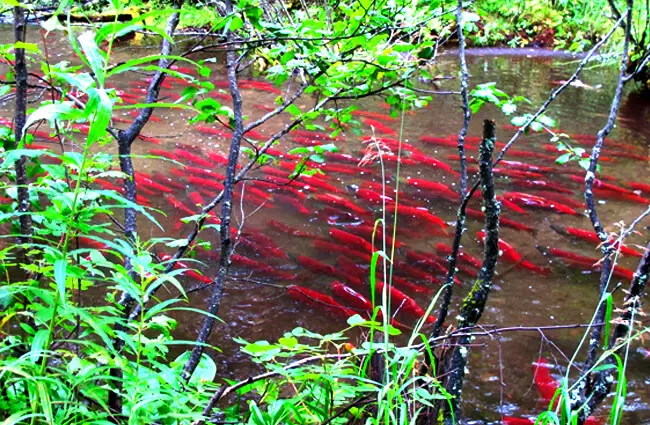
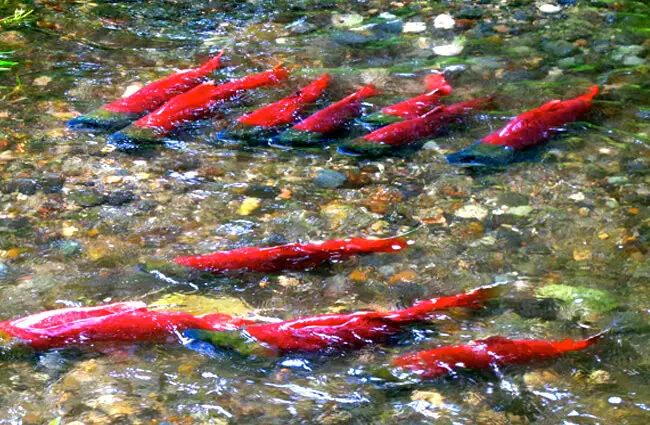
Identifying a Sockeye Salmon can be quite straightforward, especially during their spawning migration. In the ocean, they possess a sleek, silvery body with a bluish-green back, typical of many pelagic fish. However, as they transition to freshwater for spawning, their appearance undergoes a dramatic metamorphosis. Males and females alike develop a brilliant red body and a green head, often accompanied by a hooked snout (kype) in males. This vibrant coloration is a clear signal of their reproductive readiness and is one of nature’s most stunning displays.
The Landlocked Cousin: Kokanee Salmon
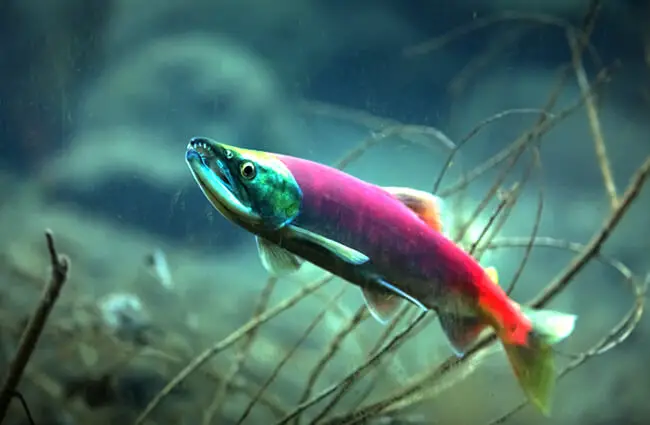
A fascinating variant of the Sockeye is the Kokanee Salmon. These are landlocked populations of Sockeye that have adapted to complete their entire life cycle exclusively in freshwater lakes and rivers, never migrating to the ocean. While genetically identical to their anadromous counterparts, Kokanee are typically smaller and often retain a more silvery appearance for longer, though they too develop the characteristic red spawning colors. They are a testament to the Sockeye’s adaptability and provide unique opportunities for studying salmonid evolution in isolated environments.
A Diet of Plankton and the Energy of the Ocean
Sockeye Salmon have a distinct diet that sets them apart from other Pacific salmon species. While in the ocean, their primary food source consists of zooplankton, particularly copepods and euphausiids. Their numerous, fine gill rakers are perfectly adapted for filtering these tiny crustaceans from the water column. This planktivorous diet is responsible for the rich, deep orange-red color of their flesh, a characteristic highly prized by humans. As they migrate into freshwater for spawning, Sockeye largely cease feeding, relying entirely on the energy reserves accumulated during their time in the ocean.
The Epic Journey: Sockeye Salmon Migration and Reproduction
The life cycle of the Sockeye Salmon is one of nature’s most extraordinary sagas, a testament to instinct and endurance. It begins in the gravel beds of freshwater rivers and streams, often hundreds or even thousands of miles from the ocean.
- Egg Stage: Females deposit their eggs in nests called “redds,” dug in gravelly streambeds. A single female can lay between 2,000 and 5,000 eggs. Males then fertilize them. The eggs incubate through the winter, protected by the gravel.
- Alevin Stage: Upon hatching, the young salmon are called alevins. They remain in the gravel, absorbing nutrients from their attached yolk sacs.
- Fry Stage: Once the yolk sac is absorbed, the alevins emerge from the gravel as fry. Unlike other Pacific salmon, Sockeye fry typically spend one to three years in freshwater lakes, feeding on zooplankton and growing before migrating to the ocean. This extended freshwater rearing phase is a key distinguishing feature.
- Smolt Stage: As they prepare for their ocean migration, the fry undergo a physiological transformation called smoltification, adapting their bodies for saltwater. They are now called smolts.
- Ocean Phase: Sockeye smolts migrate downstream to the ocean, where they spend two to three years growing rapidly, feeding on zooplankton, and accumulating the energy reserves needed for their return journey.
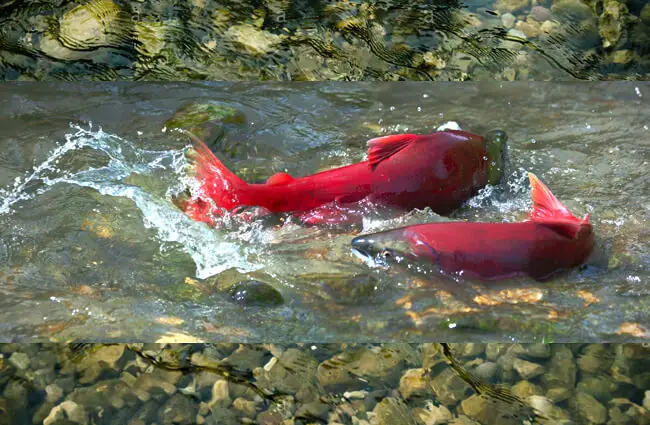
- Spawning Migration: Driven by an incredible homing instinct, adult Sockeye return to their natal streams to spawn. This upstream migration is a monumental feat, often involving navigating strong currents, waterfalls, and predators. During this journey, their bodies undergo dramatic changes: their silvery ocean coloration transforms into the iconic red body and green head, and their internal organs begin to shut down as their reproductive systems mature. They cease feeding and rely solely on stored fat reserves.
- Spawning and Death: Upon reaching their spawning grounds, females dig redds, lay eggs, and males fertilize them. After spawning, both males and females die, their bodies providing vital nutrients to the freshwater ecosystem. This semelparous reproductive strategy, where an organism reproduces once and then dies, is characteristic of Pacific salmon.
Evolutionary Insights: A Legacy of Adaptation
The Sockeye Salmon’s life history is a testament to millions of years of evolution. Their anadromous lifestyle, with distinct freshwater and saltwater phases, represents a highly successful adaptation to exploit the rich food resources of the ocean while utilizing the protected environments of freshwater for reproduction. The existence of Kokanee populations highlights the species’ genetic plasticity and ability to adapt to varying environmental conditions, potentially representing a pathway for speciation or a fallback strategy in the face of blocked ocean access. Studying Sockeye Salmon provides invaluable insights into fish migration, osmoregulation, and the genetic basis of complex behavioral patterns.
Sockeye Salmon: A Keystone Species and Ecosystem Engineer
The ecological importance of Sockeye Salmon cannot be overstated. They are often considered a keystone species, meaning their presence has a disproportionately large effect on their environment relative to their abundance. Their annual migrations and subsequent deaths are a critical event for countless other species and entire ecosystems.
- Nutrient Cycling: When Sockeye return to freshwater to spawn and die, their decaying bodies release marine-derived nutrients (MDN) into nutrient-poor freshwater and riparian zones. These nutrients, rich in nitrogen, phosphorus, and carbon, fertilize stream banks, forests, and lakes, supporting the growth of algae, aquatic insects, and riparian vegetation. This transfer of oceanic energy to terrestrial environments is a unique and vital ecological service.
- Food Source: Sockeye Salmon are a crucial food source for a vast array of predators.
- Mammals: Grizzly bears, black bears, wolves, otters, and even humans rely heavily on salmon runs for sustenance, particularly to build fat reserves for winter.
- Birds: Eagles, ospreys, gulls, and various waterfowl feast on live salmon, eggs, and carcasses.
- Other Fish: Trout, char, and other fish species prey on salmon eggs and fry.
- Habitat Engineering: The digging of redds by spawning females can alter stream morphology, creating diverse habitats for other aquatic organisms.
Human Interaction and Cultural Significance
For millennia, Sockeye Salmon have been intertwined with human cultures, particularly those of indigenous peoples along the Pacific Rim. For many First Nations and Native American tribes, salmon are not merely food; they are central to spiritual beliefs, ceremonies, social structures, and economic well-being. Traditional fishing methods, preservation techniques, and the sustainable management of salmon runs have been passed down through generations.
Today, Sockeye Salmon remain economically vital. They support significant commercial fisheries, providing a highly valued protein source globally. Recreational fishing for Sockeye is also popular, drawing anglers to rivers during the spawning season. However, this interaction comes with responsibilities. Overfishing, habitat degradation from logging, mining, and urbanization, dam construction blocking migration routes, and climate change all pose significant threats to Sockeye populations. Sustainable management practices, habitat restoration, and international cooperation are essential to ensure the future of this magnificent species.
A Huge List of Interesting Sockeye Salmon Facts
- Color Transformation: The vibrant red and green spawning colors are not just for show; they are a visual signal to attract mates and deter rivals.
- “Zombie Fish”: The term “zombie fish” is sometimes used to describe spawning Sockeye due to their deteriorating bodies, fungal growths, and tattered fins after their arduous journey and before death.
- Homing Instinct: Sockeye Salmon possess an extraordinary ability to navigate back to the exact stream of their birth, likely using a combination of magnetic fields, celestial cues, and olfactory (smell) memory.
- Longest Migration: Some Sockeye populations, particularly those in the Fraser River system, undertake migrations of over 1,000 miles upstream.
- Energy Expenditure: During their spawning migration, Sockeye can lose up to 60% of their body weight.
- Kokanee Size: Landlocked Kokanee Salmon are typically much smaller than their anadromous Sockeye counterparts, rarely exceeding 18 inches in length.
- Gill Rakers: Sockeye have more and finer gill rakers than other Pacific salmon species, perfectly adapted for filtering zooplankton.
- Predator Feast: A single grizzly bear can consume dozens of salmon in a day during the peak of the run.
- Nutrient Contribution: The carcasses of spawning salmon can contribute up to 25% of the nitrogen in riparian vegetation.
- Lifespan: The typical lifespan of a Sockeye Salmon is 4 to 6 years.
Finding Sockeye Salmon in the Wild: A Guide for Animal Lovers
Witnessing the Sockeye Salmon run is an unforgettable experience. To find them, focus on their spawning season and preferred habitats:
- When to Look: The exact timing varies by region and specific river system, but Sockeye typically return to freshwater to spawn from late summer through early autumn (July to October). Peak viewing often occurs in August and September.
- Where to Look:
- Rivers and Streams: Seek out clear, gravel-bottomed rivers and streams that flow into larger lakes or directly to the ocean. Look for areas with relatively shallow, flowing water where salmon can dig redds.
- Lakes: If you are looking for Kokanee, focus on large, deep freshwater lakes in the Pacific Northwest and interior regions.
- Observation Points: Many national parks, state parks, and wildlife refuges in Alaska, British Columbia, Washington, and Oregon have designated salmon viewing platforms or trails. Popular spots include the Adams River in British Columbia (famous for its dominant Sockeye runs every four years), Brooks Falls in Alaska (known for bear viewing during salmon runs), and various rivers in the Pacific Northwest.
- What to Look For:
- Red Bodies: The most obvious sign is their brilliant red and green spawning coloration.
- Activity: Look for splashing, jumping, and fish actively moving upstream. You might see females digging redds or males defending territories.
- Carcasses: Unfortunately, you will also see deceased salmon along the banks, a natural part of their life cycle.
Encountering Sockeye Salmon in the Wild: A Hiker’s Etiquette
If you are fortunate enough to encounter Sockeye Salmon during a hike, remember that you are witnessing a critical and vulnerable stage of their lives. Your actions can impact their success.
Do’s:
- Observe from a Distance: Use binoculars or a telephoto lens. Avoid approaching too closely, especially to spawning fish.
- Stay on Trails: Stick to designated paths to avoid disturbing riparian vegetation and potential redds.
- Keep Pets Leashed: Dogs can harass salmon and disturb spawning grounds.
- Respect Wildlife: Be aware that salmon runs attract predators like bears. Carry bear spray and know how to use it.
- Leave No Trace: Pack out everything you pack in. Do not leave trash or food scraps.
Don’ts:
- Do Not Disturb Spawning Fish: Avoid wading into streams where salmon are present. Do not touch or harass them.
- Do Not Interfere with Redds: Do not walk on gravel beds in streams, as you could crush eggs.
- Do Not Feed Wildlife: Feeding bears or other animals can habituate them to humans, leading to dangerous encounters.
- Do Not Take Fish Illegally: Be aware of local fishing regulations and licenses.
Caring for Sockeye Salmon in Captivity: A Zookeeper’s Guide
Keeping Sockeye Salmon, especially the anadromous form, in captivity presents unique challenges due to their complex life cycle and specific environmental needs. Zookeepers aiming to care for Sockeye must meticulously replicate their natural conditions.
Essential Tasks for Zookeepers:
- Water Quality Management:
- Temperature: Maintain cool, stable water temperatures (typically 8-15°C or 46-59°F), mimicking their natural habitat.
- Oxygenation: Ensure high dissolved oxygen levels, crucial for active fish.
- Filtration: Implement robust filtration systems to keep water pristine and free of ammonia, nitrites, and nitrates.
- Salinity (for anadromous forms): For Sockeye that undergo smoltification, facilities must be equipped to gradually transition water from freshwater to saltwater and vice versa, replicating their natural migration. This requires careful monitoring of salinity levels.
- Diet and Nutrition:
- Juveniles/Fry: Provide a diet rich in zooplankton or specialized commercial diets designed for salmon fry.
- Adults (Ocean Phase): Offer high-quality commercial salmon pellets, supplemented with krill or other small crustaceans to mimic their natural planktivorous diet and maintain flesh coloration.
- Spawning Adults: Understand that spawning Sockeye cease feeding. Provide a suitable environment for their final life stage without attempting to force-feed.
- Habitat Enrichment:
- Currents: Create strong water currents in tanks to simulate river flow, encouraging natural swimming behavior and muscle development.
- Substrate: For spawning Kokanee or if attempting captive breeding, provide gravel beds for redd construction.
- Space: Ensure ample swimming space to prevent stress and aggression.
- Health Monitoring:
- Regularly observe fish for signs of stress, disease, or injury (e.g., lethargy, abnormal swimming, lesions, fin rot).
- Implement quarantine protocols for new arrivals.
- Consult with aquatic veterinarians for specific health concerns.
- Life Cycle Management: For educational purposes, displaying different life stages may require separate tanks and specific environmental adjustments for each stage.
What Zookeepers Should Avoid:
- Sudden Environmental Changes: Avoid abrupt shifts in water temperature, pH, or salinity, which can cause severe stress.
- Overcrowding: High densities lead to stress, aggression, poor water quality, and increased disease susceptibility.
- Improper Diet: Feeding inappropriate foods can lead to nutritional deficiencies and health problems.
- Harassment: Minimize handling and avoid any actions that could startle or stress the fish.
- Ignoring Behavioral Cues: Changes in swimming patterns, schooling behavior, or feeding enthusiasm can indicate underlying problems.
Conclusion: A Call for Conservation
The Sockeye Salmon stands as a powerful symbol of the interconnectedness of nature. Its life cycle, a breathtaking journey from freshwater to ocean and back again, underscores the delicate balance of ecosystems and the profound impact a single species can have. From nourishing vast forests to feeding mighty predators and sustaining human cultures, the Sockeye’s contribution is immeasurable.
As we continue to learn more about these incredible fish, it becomes increasingly clear that their future, and the health of the environments they inhabit, depends on our collective actions. Protecting Sockeye Salmon means safeguarding clean water, healthy forests, and the intricate web of life that makes our planet so vibrant. By understanding, appreciating, and advocating for these fiery red jewels of the Pacific, we ensure that their epic saga continues for generations to come.
![Closeup of a beautiful Red Angus cowPhoto by: U.S. Department of Agriculture [pubic domain]https://creativecommons.org/licenses/by/2.0/](https://animals.net/wp-content/uploads/2020/03/Red-Angus-4-238x178.jpg "Red Angus")
![Closeup of a beautiful Red Angus cowPhoto by: U.S. Department of Agriculture [pubic domain]https://creativecommons.org/licenses/by/2.0/](https://animals.net/wp-content/uploads/2020/03/Red-Angus-4-100x75.jpg "Red Angus")