
High in the world’s most formidable mountain ranges, a creature of unparalleled grace and mystery roams. Known as the “Ghost of the Mountains,” the snow leopard (Panthera uncia) is an apex predator perfectly adapted to its harsh, icy domain. This magnificent feline captivates with its ethereal beauty and elusive nature, embodying the wild spirit of the high altitudes. Unraveling the secrets of the snow leopard offers not just a glimpse into the life of a remarkable animal, but also a deeper understanding of the delicate balance of mountain ecosystems.
The Ghost of the Mountains: An Introduction
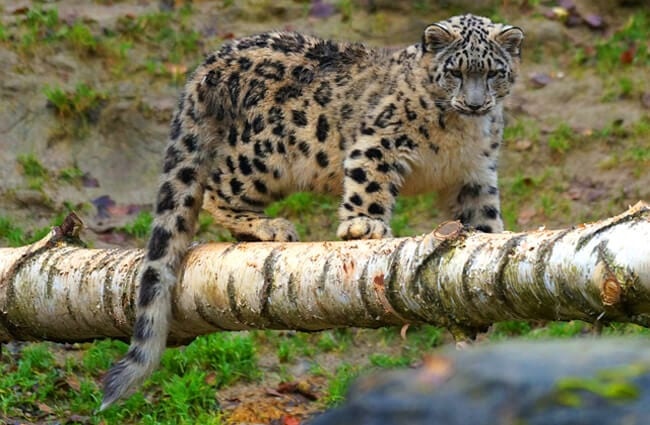
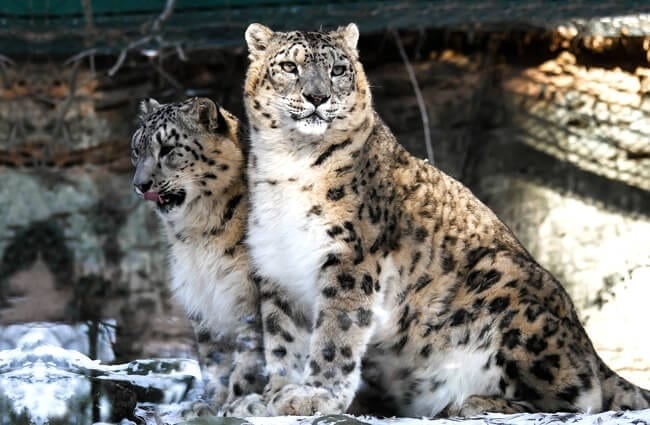
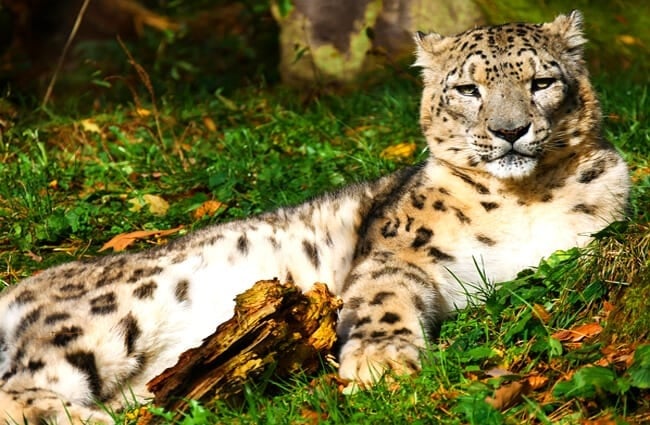
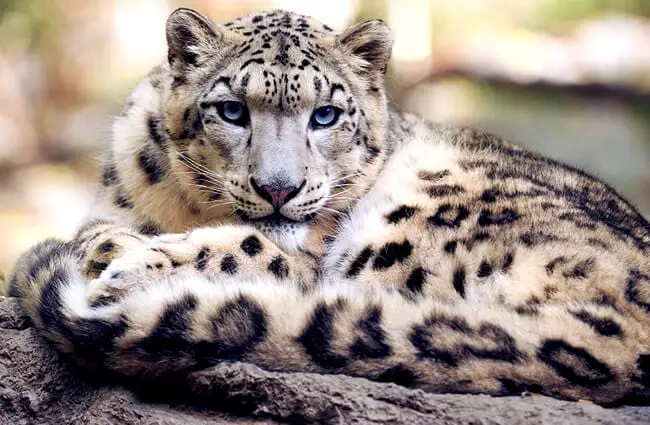
The snow leopard is a medium-sized wild cat, renowned for its thick, beautiful fur, which provides exceptional camouflage against rocky, snowy backdrops. Its coat is typically smoky gray to yellowish-tan, marked with dark rosettes and spots that help it blend seamlessly into its environment. A long, thick tail, almost as long as its body, serves as a crucial counterbalance for navigating treacherous terrain and as a warm wrap during frigid nights. With powerful legs and large, fur-covered paws that act like natural snowshoes, this cat is a master of its challenging habitat.
Where the Wild Things Are: Habitat and Range
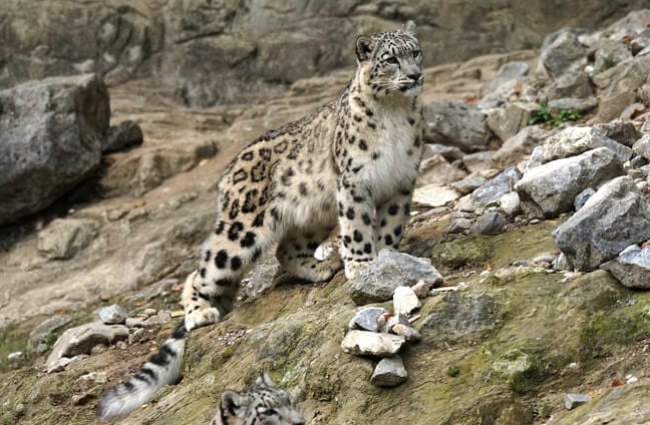
The snow leopard’s kingdom spans the rugged, high-altitude mountain ranges of Central and South Asia. Its primary habitat includes the Himalayas, Karakoram, Hindu Kush, Pamir, Tian Shan, Altai, and other associated ranges. These cats typically inhabit elevations between 3,000 and 5,500 meters (9,800 to 18,000 feet), though they can descend to lower altitudes during winter months in pursuit of prey. Their preferred terrain is steep, broken country with cliffs, rocky outcrops, and ravines, which provide excellent cover and vantage points for hunting. This vast, remote, and often inaccessible territory makes studying them a significant challenge for zoologists.
A Hunter’s Arsenal: Diet and Hunting Strategies
As a top predator, the snow leopard’s diet primarily consists of wild ungulates. Its main prey species include the Himalayan blue sheep (bharal), ibex, argali, and various species of wild goats and sheep. When these larger prey are scarce, snow leopards are opportunistic hunters, preying on smaller animals such as marmots, pikas, hares, and birds. They are also known to take domestic livestock, which unfortunately can lead to conflict with human communities.
Their hunting strategy relies heavily on stealth and surprise. Snow leopards are ambush predators, using their incredible camouflage to stalk prey unnoticed. They often hunt at dawn and dusk, patiently waiting for an opportune moment before launching a powerful pounce, sometimes from a considerable distance downhill. Their strong hind legs allow them to leap up to 15 meters (50 feet) in a single bound, a testament to their athletic prowess in extreme environments.
Life’s Journey: Mating, Reproduction, and Cub Rearing
Snow leopards are largely solitary animals, coming together primarily for mating. The breeding season typically occurs from January to March. After a gestation period of approximately 90 to 100 days, a female gives birth to a litter of one to five cubs, though two or three is most common. Births usually take place in a sheltered den, often a rocky crevice or cave, during late spring or early summer.
Cubs are born blind and helpless, weighing around 300 to 600 grams (0.6 to 1.3 pounds). Their eyes open after about seven days, and they begin to walk at five weeks. The mother is solely responsible for raising her young, teaching them essential hunting and survival skills. Cubs remain with their mother for 18 to 22 months, learning to navigate their harsh environment and hunt effectively, before dispersing to establish their own territories. This extended period of maternal care is crucial for their survival in such a demanding landscape.
Deeper Dive: Ecology and Evolution
The Evolutionary Tale: A Unique Feline Lineage
The evolutionary history of the snow leopard is a fascinating chapter in feline development. Genetic studies have revealed that the snow leopard is a distinct species within the Panthera genus, more closely related to the tiger than to other large spotted cats like the leopard. Its lineage diverged from other big cats approximately 3 to 5 million years ago, allowing it ample time to evolve its specialized adaptations for high-altitude living. These adaptations include a thick fur coat, a large nasal cavity to warm cold air, and a powerful chest for navigating steep slopes. Its unique evolutionary path underscores its remarkable resilience and specialization.
Keystone of the Peaks: Ecosystem Role and Interactions
As the apex predator in its ecosystem, the snow leopard plays a vital role in maintaining the health and balance of its mountain habitat. By preying on wild ungulates, it helps to regulate their populations, preventing overgrazing and ensuring the vitality of mountain vegetation. This in turn supports a diverse array of other species. Snow leopards also interact with other predators such as wolves and bears, though direct competition is often minimized by differences in preferred prey or hunting grounds. Scavengers, like vultures and foxes, benefit from the remains of snow leopard kills, further integrating them into the intricate food web of the high mountains.
Snow Leopards and Humanity
Whispers in the Wind: Cultural Significance
For centuries, the snow leopard has held a profound place in the cultures of the communities living within its range. It is often revered as a symbol of strength, mystery, and the untamed wilderness. In many local traditions, the snow leopard is seen as a guardian spirit of the mountains, a creature of immense power and spiritual significance. Its image appears in folklore, traditional art, and even modern national symbols, reflecting its deep cultural resonance. This reverence, however, sometimes coexists with fear, particularly when leopards prey on livestock, creating complex human-wildlife dynamics.
Sharing the High Places: Human Interaction and Conservation
The relationship between snow leopards and humans is a delicate one, often fraught with challenges. The primary threats to snow leopards are human-induced:
- Poaching: Their beautiful fur and body parts are highly valued in illegal wildlife trade.
- Habitat Loss and Fragmentation: Infrastructure development, mining, and expanding human settlements encroach upon their territory.
- Prey Depletion: Overhunting of wild ungulates by humans reduces the snow leopard’s food base.
- Human-Wildlife Conflict: Retaliatory killings occur when snow leopards prey on domestic livestock, a significant issue for herding communities.
- Climate Change: Shifting snowlines and altered weather patterns threaten their specialized habitat.
Conservation efforts are multifaceted, focusing on protecting habitats, combating poaching, and mitigating human-wildlife conflict through community engagement, livestock insurance schemes, and predator-proof corrals. Understanding and respecting the needs of both the snow leopard and the local people is paramount for their long-term survival.
Practical Insights and Expert Knowledge
Seeking the Elusive: Tips for Wildlife Enthusiasts
For the dedicated animal lover hoping to catch a glimpse of a snow leopard in the wild, patience, preparation, and respect are key.
- Where to Go: Prime locations include Ladakh in India, Spiti Valley in India, Hemis National Park in India, parts of Nepal (like Dolpo and Annapurna regions), Bhutan, and specific areas in Kyrgyzstan and Mongolia.
- When to Go: Winter months (November to March) are often considered the best time, as snow leopards descend to lower altitudes in search of prey, making them slightly more accessible. The snow also provides a stark contrast, potentially aiding spotting.
- How to Find One:
- Engage experienced local guides and reputable tour operators specializing in snow leopard treks. Their knowledge of the terrain and animal behavior is invaluable.
- Be prepared for extreme cold, high altitudes, and strenuous trekking.
- Use high-quality binoculars or a spotting scope.
- Look for signs: pugmarks, scrapes on rocks, scat, and prey animals exhibiting alarm behavior.
- Practice ethical wildlife viewing: maintain a respectful distance, avoid disturbing the animals, and never attempt to approach them.
Finding a snow leopard is incredibly challenging, even for seasoned trackers. It often requires multiple days of dedicated searching, but the reward of seeing this magnificent creature in its natural habitat is unparalleled.
When Paths Cross: What to Do if You Encounter a Snow Leopard
While extremely rare, an encounter with a snow leopard in the wild can happen, particularly for hikers venturing into their remote territories. If you find yourself in such a situation, remember these guidelines:
Stay Calm and Do Not Run: Running can trigger a chase response in a predator. Stand your ground.
Make Yourself Look Large: Raise your arms, open your jacket, and make noise. This can make you appear more intimidating.
Maintain Eye Contact: This can signal that you are not prey.
Back Away Slowly: Give the leopard space to retreat. Do not turn your back.
Never Approach: Do not attempt to get closer for a better look or a photo. This is a wild animal and can be dangerous.
Report the Sighting: Inform local park authorities or conservation groups of your encounter, providing details of the location and behavior.
Snow leopards are generally shy and will avoid human contact. An encounter is more likely to be a brief sighting before the animal disappears.
Caring for the Ghost: A Zookeeper’s Guide
Caring for snow leopards in captivity is a specialized and demanding task, requiring a deep understanding of their natural history and behavioral needs.
- Enclosure Design:
- Must mimic their natural rocky, mountainous habitat with verticality, ledges, and hiding spots.
- Provide ample space for climbing, jumping, and patrolling.
- Include natural substrates, water features, and varied temperatures (shade and sun).
- Ensure robust security to prevent escapes and protect both animals and public.
- Diet:
- A carefully balanced diet of commercially prepared carnivore diets supplemented with whole prey items (e.g., rabbits, chickens) to provide essential nutrients and promote natural feeding behaviors.
- Feeding schedules should vary to encourage hunting instincts.
- Enrichment:
- Crucial for physical and mental well-being.
- Includes puzzle feeders, scent enrichment, rotating toys, new climbing structures, and varied substrates.
- Opportunities for climbing, scratching, and scent marking are vital.
- Health Monitoring:
- Regular veterinary check-ups, vaccinations, and parasite control.
- Close observation for any changes in behavior, appetite, or physical condition.
- Training for voluntary participation in medical procedures can reduce stress.
- Breeding Programs:
- Zoos play a critical role in Species Survival Plans (SSPs) for endangered species like the snow leopard.
- Careful genetic management ensures healthy and diverse captive populations.
- What to Avoid:
- Over-handling or excessive human contact, which can stress the animals and lead to habituation.
- Monotonous environments lacking stimulation.
- Inconsistent routines that can cause anxiety.
- Diets lacking essential nutrients or variety.
The goal is to provide an environment that promotes natural behaviors, excellent health, and contributes to the conservation of the species.
Beyond the Basics: A Compendium of Snow Leopard Wonders
A Huge List of Interesting Facts About Snow Leopards
- Silent Hunters: Unlike other big cats, snow leopards cannot roar. They communicate through chuffs, growls, meows, and hisses.
- Tail of Wonders: Their incredibly long, thick tail (up to 90% of their body length) is not just for balance, but also acts as a warm blanket when they sleep, wrapping around their body and face.
- Powerful Leapers: They are capable of leaping up to 15 meters (50 feet) horizontally, one of the longest jumps of any cat.
- Built for Cold: Their fur is exceptionally thick, with a dense undercoat, providing insulation in temperatures as low as -40°C (-40°F).
- Snowshoe Paws: Their large, fur-covered paws act like natural snowshoes, distributing their weight and providing grip on snow and ice. The fur also protects their pads from the cold.
- Unique Eyes: Snow leopards have pale green or grey eyes, a striking feature against their spotted coats.
- Solitary Nomads: They are generally solitary, territorial animals, marking their presence with scrapes, scent marks, and scat.
- Crepuscular Hunters: Most active at dawn and dusk, though they can hunt at any time.
- Lifespan: In the wild, they typically live for 10 to 12 years, but can live up to 20 years in captivity.
- Conservation Status: Classified as “Vulnerable” by the IUCN, with an estimated wild population of 4,000 to 6,500 individuals.
- High-Altitude Specialists: Their large nasal cavities help warm the cold, thin mountain air before it reaches their lungs.
- Master of Camouflage: Their spotted and rosetted coat provides perfect camouflage in the rocky, snowy terrain, making them incredibly difficult to spot.
- Territorial Markers: They use a variety of scent marks, including urine sprays and scrapes, to communicate with other snow leopards in their vast territories.
- Dietary Flexibility: While preferring large ungulates, they are highly adaptable and will eat almost anything available, from small rodents to domestic livestock.
- Strong Jaws: Their powerful jaws and sharp teeth are capable of taking down prey much larger than themselves.
The Future of the Ghost
The snow leopard remains one of the planet’s most enigmatic and awe-inspiring creatures. Its continued existence is a testament to its incredible adaptability and resilience in some of the world’s most extreme environments. However, its future hangs in the balance, threatened by a complex web of human pressures. By understanding its biology, ecology, and cultural significance, and by supporting dedicated conservation efforts, humanity can ensure that the “Ghost of the Mountains” continues to roam the high peaks for generations to come. Protecting the snow leopard means protecting the health of the entire mountain ecosystem, a vital resource for both wildlife and people.
![Closeup of a beautiful Red Angus cowPhoto by: U.S. Department of Agriculture [pubic domain]https://creativecommons.org/licenses/by/2.0/](https://animals.net/wp-content/uploads/2020/03/Red-Angus-4-238x178.jpg "Red Angus")

![Closeup of a beautiful Red Angus cowPhoto by: U.S. Department of Agriculture [pubic domain]https://creativecommons.org/licenses/by/2.0/](https://animals.net/wp-content/uploads/2020/03/Red-Angus-4-100x75.jpg "Red Angus")