The world of mammals boasts a remarkable diversity, and among its most recognizable, yet often misunderstood, members is the skunk. These charismatic creatures, famed for their potent defensive spray, are far more than just their signature scent suggests. This guide delves into the fascinating life of skunks, exploring their biology, behavior, ecology, and relationship with humans.
Skunk Basics: Identification and Distribution
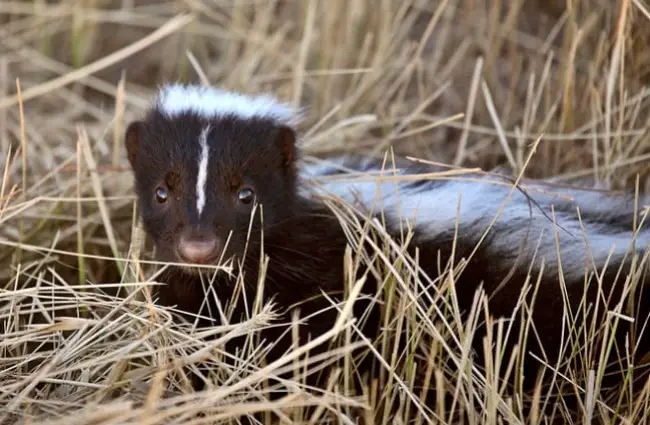
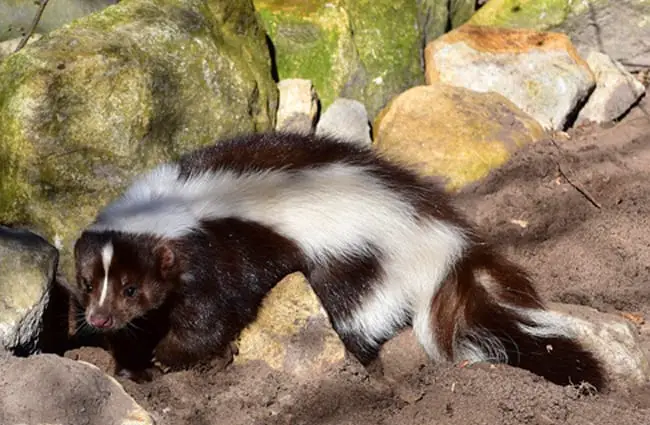
Skunks are mammals belonging to the family Mephitidae. They are easily identifiable by their striking black and white coloration, which serves as a warning to potential predators. There are four species of skunk found in North America: the striped skunk (Mephitis mephitis), the hooded skunk (Mephitis macroura), the spotted skunk (Spilogale putorius), and the hog‑nosed skunk (Conepatus leuconotus). Striped skunks are the most widespread, ranging from Canada to Central America. Spotted skunks are smaller and found primarily in the United States and Mexico, while hooded and hog‑nosed skunks have more limited ranges. Beyond North America, skunks are also found in South America.
Their size varies depending on the species, but most skunks are between the size of a house cat and a small dog, typically weighing between 2 and 10 pounds. They possess a stocky build and relatively short legs. Their paws are equipped with strong claws, ideal for digging and foraging.
Evolutionary History and Ancestry
The evolutionary history of skunks is complex and still under investigation. Fossil evidence suggests that the earliest ancestors of modern skunks appeared during the Miocene epoch, approximately 23 to 5 million years ago. These early skunks were likely smaller and more primitive than their modern counterparts. Skunks were once classified within Mustelidae, but modern genetic and morphological studies place them in a separate family, Mephitidae, within the superfamily Musteloidea. This highlights the importance of ongoing research in refining our understanding of mammalian relationships.
Habitat and Diet: A Forager’s Life
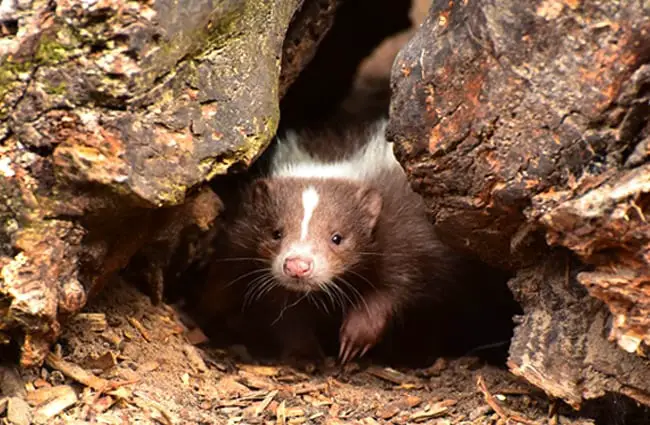
Skunks are adaptable animals, inhabiting a wide range of habitats. They are found in forests, grasslands, deserts, and even suburban areas. They prefer habitats that offer a combination of cover for denning and open areas for foraging. Skunks often make their dens in burrows abandoned by other animals, under rocks or logs, or in crevices. Sometimes they will create a den under buildings or decks.
Skunks are opportunistic omnivores, meaning they eat a diverse diet depending on availability. Their diet includes insects, larvae, rodents, eggs, fruits, berries, and carrion. They are skilled diggers, using their strong claws to unearth insects and grubs. They’ve even been known to raid gardens and garbage cans, earning them a reputation as a nuisance in some areas. In the wild, their foraging habits play a vital role in controlling insect populations and dispersing seeds.
Behavior and Social Structure
Skunks are generally solitary animals, except during the breeding season and when females are raising their young. They are primarily nocturnal, meaning they are most active at night. During the day, they typically rest in their dens. While not strictly territorial, skunks will defend their dens and immediate surroundings from intruders. Communication occurs through scent marking and vocalizations, although they are generally quiet creatures.
Reproduction and Life Cycle
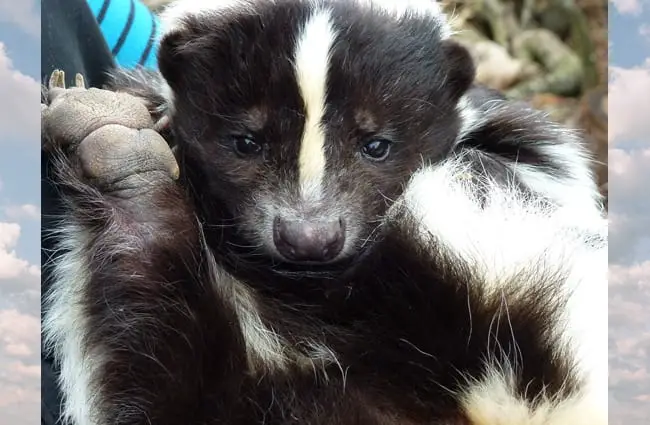
The breeding season for skunks typically occurs in late winter or early spring. Males compete for access to females. After a gestation period of around 60 to 75 days, females give birth to a litter of 2 to 10 kits. Young skunks are born blind and helpless, relying entirely on their mother for care. The kits are weaned at around 6 to 8 weeks of age and begin to explore their surroundings with their mother. They reach sexual maturity at around one year of age. The average lifespan of a skunk in the wild is around 3 to 5 years, although they can live longer in captivity.
The Skunk’s Signature Defense
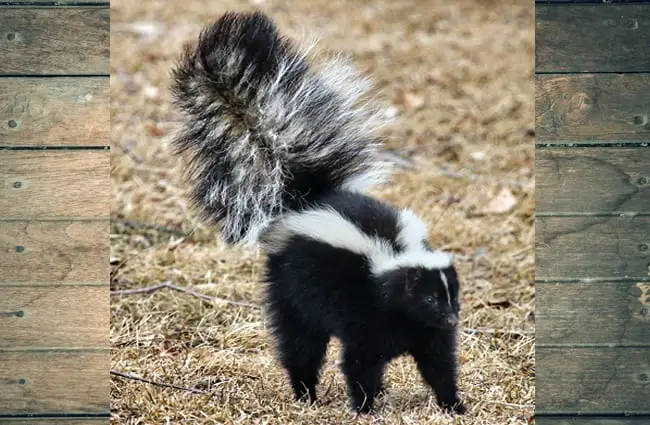
The most famous characteristic of skunks is undoubtedly their ability to spray a foul‑smelling liquid from their anal glands. This spray is a potent defense mechanism, deterring predators such as coyotes, foxes, and owls. The spray contains a sulfur‑containing chemical called thiols, which are responsible for the distinctive odor. The spray can cause temporary irritation of the eyes and nose, and can produce nausea, giving the skunk time to escape. Skunks can accurately aim their spray up to 10 feet. It’s important to note that skunks don’t spray indiscriminately. They typically provide warning signals, such as stomping their feet and raising their tail, before resorting to spraying.
Ecological Role and Interactions with Other Animals
Skunks play an important role in their ecosystems. As opportunistic feeders, they help control populations of insects, rodents, and other pests. They also contribute to seed dispersal through their foraging habits. Skunks can sometimes coexist peacefully with other animals, but they can also be preyed upon by larger carnivores. They occasionally fall victim to vehicle collisions, particularly in areas with high traffic volume.
Skunks and Humans: Coexistence and Challenges
Skunks often come into contact with humans, particularly in suburban and agricultural areas. They may raid gardens, dig under buildings, or scavenge for food in garbage cans. This can lead to conflicts with humans, who may view skunks as pests. However, it’s important to remember that skunks are wild animals and are simply trying to survive. Preventing conflicts involves securing garbage cans, sealing off access to under buildings, and removing potential food sources. If you encounter a skunk, it’s best to give it space and avoid startling it.
Cultural Significance
Skunks hold diverse cultural significance. In some Native American traditions, they are revered as powerful animals with medicinal properties. Their scent has been used in traditional ceremonies and healing practices. In popular culture, skunks are often portrayed as comical or mischievous characters. The term “skunked” is also used colloquially to describe something that is ruined or spoiled.
Skunk Care in Captivity
Caring for skunks in captivity requires specialized knowledge and commitment. Their diet should be varied and include insects, fruits, vegetables, and a commercial carnivore diet. They require spacious enclosures with digging opportunities and access to fresh water. Skunks are intelligent and inquisitive animals, requiring enrichment activities to prevent boredom. It is important to note that removing the scent glands is unethical and harmful. Zookeepers and wildlife rehabilitators should prioritize the animal’s welfare and provide a stimulating and enriching environment.
Interesting Skunk Facts
Here are a few intriguing facts about skunks:
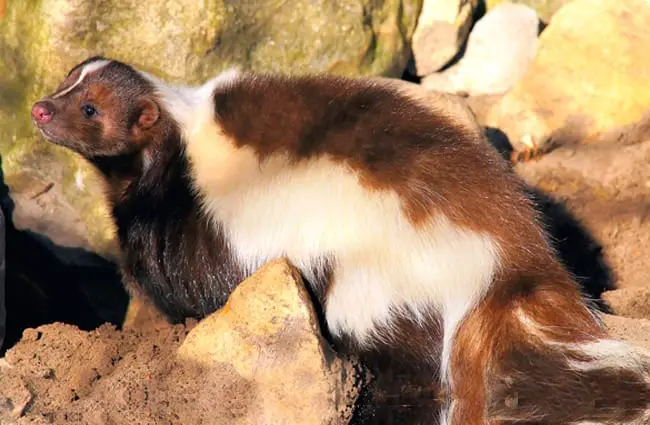
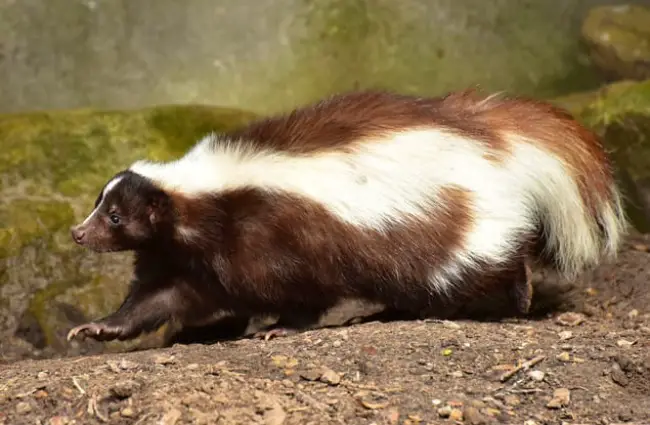
- Some skunk species are not entirely black and white; they can also be brown or gray.
- Skunks can climb trees, although they are not particularly agile climbers.
- They have relatively poor eyesight but a keen sense of smell and hearing.
- While usually solitary, some skunks may share dens during extreme weather or when resources are scarce.
- Their spray is not harmful to humans, but it can cause temporary discomfort.
Skunks are truly remarkable creatures, deserving of our respect and admiration. By understanding their biology, behavior, and ecological role, we can foster peaceful coexistence and ensure their continued survival in a changing world. Their unique blend of charm and defense mechanisms makes them a captivating subject for study and a vital part of the natural world.
![Closeup of a beautiful Red Angus cowPhoto by: U.S. Department of Agriculture [pubic domain]https://creativecommons.org/licenses/by/2.0/](https://animals.net/wp-content/uploads/2020/03/Red-Angus-4-238x178.jpg "Red Angus")

![Closeup of a beautiful Red Angus cowPhoto by: U.S. Department of Agriculture [pubic domain]https://creativecommons.org/licenses/by/2.0/](https://animals.net/wp-content/uploads/2020/03/Red-Angus-4-100x75.jpg "Red Angus")