
From rolling green pastures to rugged mountain peaks, the humble sheep has carved out an extraordinary existence across our planet. Often perceived as simple creatures, these woolly wonders possess a rich history, complex behaviors, and an undeniable impact on both natural ecosystems and human civilization. Join us on a fascinating journey to uncover the intricate world of sheep, revealing why they are far more than just fluffy lawnmowers.
The Enduring Appeal of Sheep: An Introduction
Sheep, scientifically classified as Ovis aries, are domesticated ruminant mammals that have been integral to human survival and culture for millennia. While the image of a domestic sheep grazing peacefully is common, their wild relatives roam some of the world’s most challenging terrains, showcasing incredible resilience and adaptability. Understanding sheep means appreciating their dual nature: the gentle farm animal and the hardy survivor of the wilderness.
These social animals are known for their distinctive woolly coats, their keen senses, and their crucial role in various ecosystems. Whether you are a student researching their biology, an animal lover hoping to spot them in their natural habitat, or an aspiring zoologist eager for deeper insights, this comprehensive guide will illuminate the many facets of sheep life.
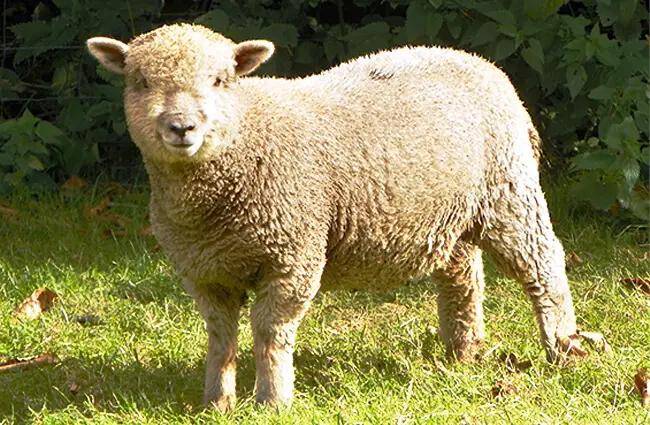
Where the Wild Things Are: Sheep Habitats and Distribution
While domestic sheep are found globally wherever humans have settled, their wild ancestors and cousins occupy a more specialized range of habitats. Wild sheep species, such as the Mouflon, Bighorn Sheep, Dall Sheep, and Urial, are typically found in mountainous regions, deserts, and rocky terrains across North America, Europe, and Asia. These environments provide natural defenses against predators and access to varied forage.
- North America: Bighorn Sheep and Dall Sheep thrive in the rugged mountains and alpine meadows, from the Rockies to Alaska.
- Europe and Asia: The Mouflon, considered a wild ancestor of domestic sheep, inhabits mountainous areas of Corsica, Sardinia, and parts of mainland Europe. Urials are found across Central and South Asia, preferring arid, hilly, and mountainous regions.
Domestic sheep, on the other hand, are incredibly adaptable. They can be found in almost any climate, from the cold, damp highlands of Scotland to the hot, dry plains of Australia, thanks to selective breeding that has produced varieties suited to diverse conditions. Their preferred environment generally includes open grasslands, pastures, and meadows where they can graze freely and safely.
A Journey Through Time: The Evolution of Sheep
The evolutionary history of sheep is a captivating tale of adaptation and domestication. Modern domestic sheep (Ovis aries) are believed to have descended primarily from the wild Mouflon (Ovis orientalis) found in Western Asia and Europe, with some genetic contributions from the Urial (Ovis vignei) of Central Asia. This domestication event is one of the earliest known, occurring approximately 8,000 to 11,000 years ago in Mesopotamia.
Early humans recognized the immense value of these wild ungulates, initially for their meat and skins, and later for their wool and milk. Through generations of selective breeding, sheep gradually lost many of their wild traits, such as their strong flight response and seasonal shedding of wool, developing the dense, continuous fleece we associate with them today. This long history of co-existence has shaped both sheep and human societies profoundly.
The Grazing Lifestyle: What Do Sheep Eat?
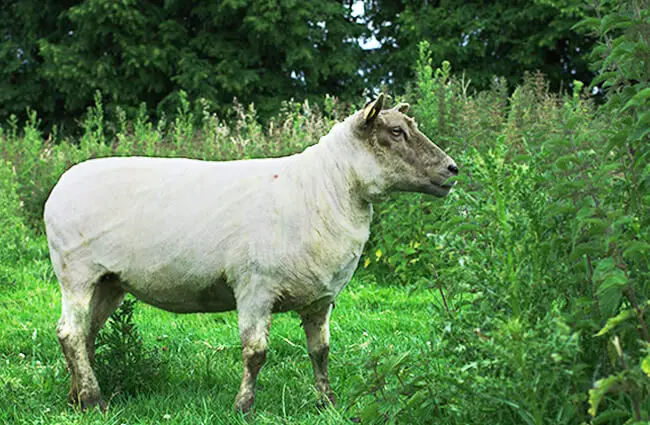
Sheep are quintessential herbivores, specifically grazers and ruminants. Their diet consists almost exclusively of plant matter, primarily grasses, legumes, and forbs. Their unique digestive system, featuring a four-chambered stomach, allows them to efficiently break down cellulose, a complex carbohydrate found in plant cell walls, which most other mammals cannot digest.
- Ruminant Digestion: Food is first swallowed into the rumen, where microbial fermentation begins. The sheep then regurgitates and re-chews this partially digested material, known as cud, before swallowing it again for further digestion in the other stomach chambers.
- Dietary Preferences: While grasses form the bulk of their diet, sheep will also browse on leaves, twigs, and shrubs, especially when preferred forage is scarce. They are known to be selective grazers, often choosing the most nutritious parts of plants.
- Water Needs: Access to fresh water is crucial for sheep, particularly for lactating ewes and in hot climates.
For zookeepers or farmers caring for sheep, providing a balanced diet is paramount. This typically involves high-quality pasture, supplemented with hay during winter or dry seasons, and sometimes grain or mineral supplements to ensure all nutritional requirements are met. Overfeeding concentrates or sudden dietary changes can lead to digestive issues.
The Cycle of Life: Mating and Reproduction in Sheep
Sheep reproduction is a seasonal affair, largely influenced by photoperiod (daylight length). Most sheep breeds are “short-day breeders,” meaning they become fertile as the days shorten in autumn. This ensures lambs are born in spring when weather conditions are milder and forage is abundant.
- Mating Season (Rut): Rams (male sheep) become more aggressive and competitive during the rut, often engaging in head-butting contests to establish dominance and win access to ewes (female sheep).
- Gestation: The gestation period for sheep is approximately five months (around 142 to 152 days).
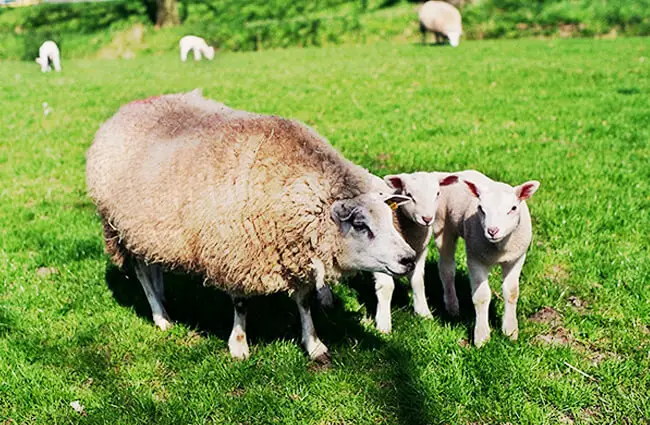
- Lambing: Ewes typically give birth to one or two lambs, though triplets or even quadruplets are not uncommon in some breeds. Lambs are born relatively precocial, meaning they are able to stand and nurse shortly after birth.
- Maternal Care: Ewes are highly protective mothers, forming strong bonds with their lambs. They communicate through bleats and scent, guiding their offspring and defending them from perceived threats.
For zookeepers, monitoring pregnant ewes, providing a clean and safe lambing environment, and ensuring adequate nutrition for both mother and lambs are critical tasks. Early intervention for any lambing difficulties is essential for the survival of both ewe and lamb.
A World of Senses: How Sheep Perceive Their Environment
Sheep possess a remarkable array of senses that help them navigate their world, detect predators, and maintain social cohesion within their flock.
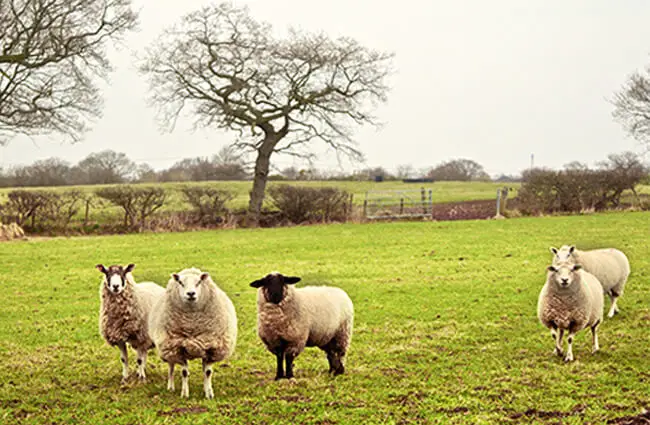
- Vision: Sheep have nearly panoramic vision, with a field of view extending up to 300 degrees. This wide peripheral vision is a crucial adaptation for detecting predators from almost any direction without moving their heads. However, their depth perception is not as strong, especially directly in front of their nose.
- Hearing: Their ears are highly mobile and can swivel independently, allowing them to pinpoint sounds from various directions. They are sensitive to a wide range of frequencies, helping them pick up subtle cues from their environment and flock members.
- Smell: An acute sense of smell plays a vital role in sheep life. It is used for identifying individuals, recognizing their lambs, detecting predators, and locating suitable forage. Rams also use scent to detect ewes in estrus.
- Touch: Sheep are sensitive to touch, particularly around their faces and legs. This sensitivity is important for social bonding, such as when ewes lick their lambs, and for navigating their environment.
![Sheep have a 300-deg field of vision. Photo by: Bernard Spragg. NZ [public domain] https://creativecommons.org/licenses/by-sa/2.0/](https://animals.net/wp-content/uploads/2020/03/Sheep-6-650x425.jpg)
Sheep in the Wild: Ecosystem Contributions and Interactions
Wild sheep species play significant roles in their native ecosystems. As primary consumers, they are crucial links in the food chain, converting plant matter into energy that supports predators like wolves, coyotes, mountain lions, and eagles. Their grazing habits also influence plant diversity and landscape structure, preventing overgrowth and promoting the health of certain plant communities.
Domestic sheep, when managed appropriately, can also contribute positively to ecosystems through targeted grazing for weed control or fire prevention. However, poorly managed domestic flocks can lead to overgrazing, soil erosion, and competition with native wildlife for resources. Understanding these interactions is key to sustainable land management and conservation efforts.
Sheep and Humanity: A Timeless Partnership
The relationship between sheep and humans is one of the longest and most impactful in history. Sheep have provided humanity with essential resources for millennia, shaping cultures, economies, and even our language.
Cultural Significance and Contributions
- Wool: Perhaps their most famous contribution, wool has been used for clothing, blankets, and textiles for thousands of years, prized for its warmth, durability, and breathability.
- Meat and Milk: Lamb and mutton are staple foods in many cultures, and sheep’s milk is used to produce a variety of cheeses and other dairy products.
- Fertilizer: Sheep manure is a valuable natural fertilizer, enriching soil and supporting agricultural productivity.
- Cultural Symbolism: Sheep appear frequently in religious texts, folklore, and proverbs, often symbolizing innocence, purity, guidance, or vulnerability. Phrases like “counting sheep” for sleep or “black sheep of the family” are deeply ingrained in our lexicon.
Interaction with Humans: From Farm to Wilderness
Domestic sheep are generally docile and accustomed to human presence. They are managed in flocks, often with the help of herding dogs, and are central to the livelihoods of countless farmers worldwide. Their interaction with humans is typically one of care and management.
Wild sheep, however, are wary of humans. They maintain a safe distance and will flee if approached too closely. Their survival depends on their ability to avoid predators, including humans. Respecting their space is paramount for anyone encountering them in the wild.
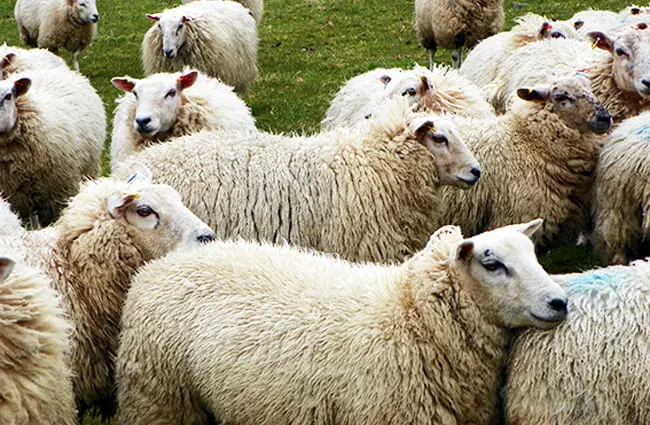
Encountering Sheep in the Wild: A Hiker’s Guide
For the avid animal lover or hiker hoping to spot wild sheep, a few guidelines can enhance the experience while ensuring safety for both you and the animals.
- Where to Look: Focus on mountainous and rocky regions in North America (Bighorn, Dall Sheep) or parts of Europe and Asia (Mouflon, Urial). Look for them on steep slopes, rocky outcrops, and alpine meadows, often near cliffs where they can escape predators.
- How to Find Them:
- Binoculars/Spotting Scope: Essential for scanning distant slopes.
- Early Morning/Late Evening: Wild sheep are often most active during cooler parts of the day.
- Look for Signs: Droppings, tracks, and rubbed areas on rocks or trees can indicate their presence.
- What to Do if You Encounter One:
- Maintain Distance: Never approach wild sheep. Use binoculars to observe them from afar. A good rule of thumb is to stay at least 100 yards (about 90 meters) away.
- Be Quiet and Still: Sudden movements or loud noises can startle them.
- Never Feed Them: Feeding wild animals can alter their natural behavior, make them dependent on humans, and expose them to diseases.
- Respect Their Space: If a sheep changes its behavior because of your presence (e.g., stops grazing, looks directly at you, moves away), you are too close.
- Safety: While wild sheep are not typically aggressive towards humans, a cornered or threatened animal, especially a ram during the rut, can be dangerous. Always give them an escape route.
Caring for Captive Sheep: A Zookeeper’s Handbook
Caring for sheep in a captive environment, whether in a zoo or on a farm, requires dedication and knowledge of their specific needs.
Essential Tasks for Zookeepers
- Diet Management: Provide a consistent diet of high-quality forage (hay, pasture) supplemented with appropriate minerals and vitamins. Monitor body condition regularly to prevent obesity or malnourishment.
- Enclosure Design: Ensure a safe, spacious enclosure with adequate shelter from weather extremes. Fencing must be secure to prevent escapes and protect from predators. Provide enrichment, such as varied terrain or browse, to encourage natural behaviors.
- Health Monitoring: Daily observation for signs of illness (lethargy, changes in appetite, lameness, discharge). Regular veterinary check-ups, vaccinations, and deworming are crucial.
- Hoof Care: Sheep hooves grow continuously and need regular trimming (every 6-12 weeks) to prevent overgrowth, lameness, and foot rot.
- Shearing: Domestic sheep with continuous wool growth require shearing at least once a year, typically in spring, to prevent overheating, matting, and parasitic infestations.
- Social Needs: Sheep are highly social animals and should always be kept in groups. Isolation can cause stress and behavioral problems.
- Breeding Management: If breeding, carefully manage breeding seasons, monitor pregnant ewes, and provide specialized care for lambs.
What to Avoid
- Sudden Dietary Changes: Can cause severe digestive upset.
- Overcrowding: Leads to stress, disease transmission, and aggression.
- Isolation: Sheep need companionship.
- Neglecting Hoof Care: Can lead to painful lameness and infections.
- Ignoring Signs of Illness: Prompt action is vital for recovery.
- Rough Handling: Can stress the animals and lead to injury.
A Flock of Fascinating Facts About Sheep
Beyond their practical uses, sheep are full of surprising traits and behaviors:
- Excellent Memory: Sheep can remember at least 50 individual sheep and human faces for years.
- Complex Social Structures: They form strong social bonds within their flocks and can recognize individual members.
- Emotional Intelligence: Research suggests sheep can experience a range of emotions, including fear, anger, despair, and happiness.
- Self-Medication: Wild sheep have been observed eating specific plants when they are ill, suggesting a form of self-medication.
- No Upper Front Teeth: Instead of upper incisors, sheep have a hard dental pad against which their lower teeth bite, perfectly adapted for grazing.
- Different Tails: While many domestic sheep have short, docked tails, some breeds, particularly those from Asia and Africa, have long, fat-storing tails.
- “Counting Sheep” Origin: The phrase likely comes from shepherds needing to count their flock at night, a repetitive and calming task.
- Color Vision: Sheep have dichromatic vision, meaning they can see two primary colors, typically blue and green, but struggle with red.
The Enduring Legacy of Sheep
From their ancient origins in the wild mountains to their ubiquitous presence on farms worldwide, sheep represent a remarkable success story in the animal kingdom. Their adaptability, social intelligence, and profound contributions to human society make them far more than just a source of wool or meat. They are living testaments to the power of evolution and the enduring bond between humans and the natural world.
Whether you are observing a wild ram atop a craggy peak or admiring a flock in a verdant pasture, take a moment to appreciate the complex and fascinating lives of these incredible animals. Their story is intertwined with our own, a reminder of the rich tapestry of life on Earth.
![Closeup of a beautiful Red Angus cowPhoto by: U.S. Department of Agriculture [pubic domain]https://creativecommons.org/licenses/by/2.0/](https://animals.net/wp-content/uploads/2020/03/Red-Angus-4-238x178.jpg "Red Angus")



![Closeup of a beautiful Red Angus cowPhoto by: U.S. Department of Agriculture [pubic domain]https://creativecommons.org/licenses/by/2.0/](https://animals.net/wp-content/uploads/2020/03/Red-Angus-4-100x75.jpg "Red Angus")