The Enigmatic Shad: A Comprehensive Guide
Shad, a name evoking images of silvery flashes beneath the water’s surface, represent a fascinating group of fish with a rich history and vital ecological role. Belonging to the herring family Clupeidae, these anadromous fish undertake remarkable journeys that connect freshwater rivers with the vastness of the ocean. This guide delves into the world of shad, exploring their biology, behavior, and significance—from their evolutionary origins to their place in human culture.
What is Shad?
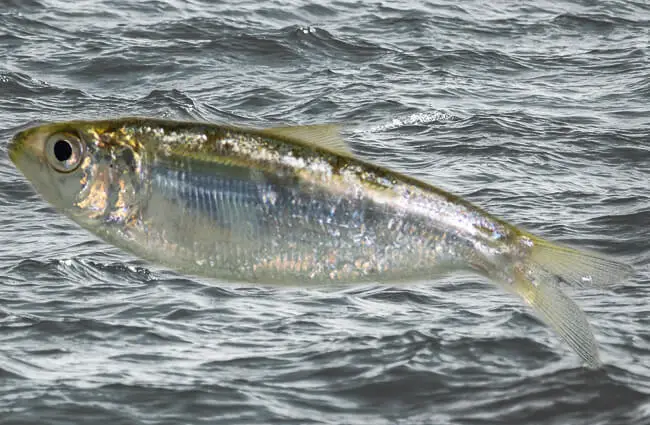
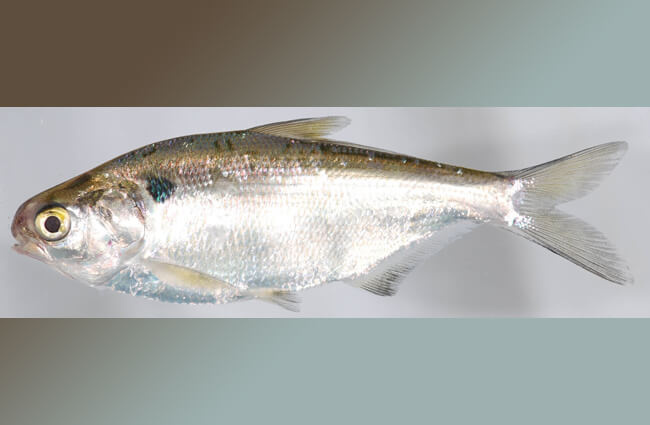
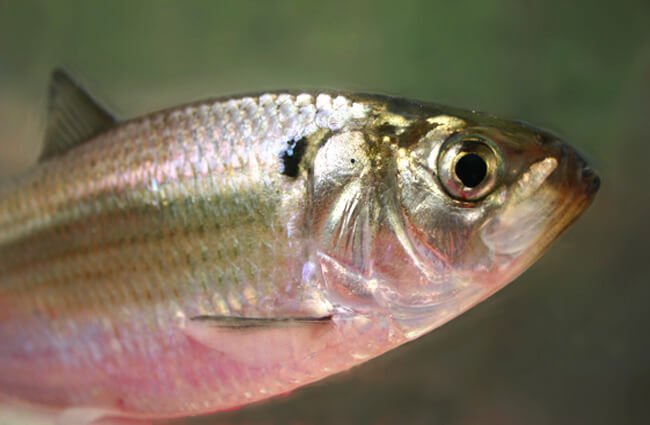
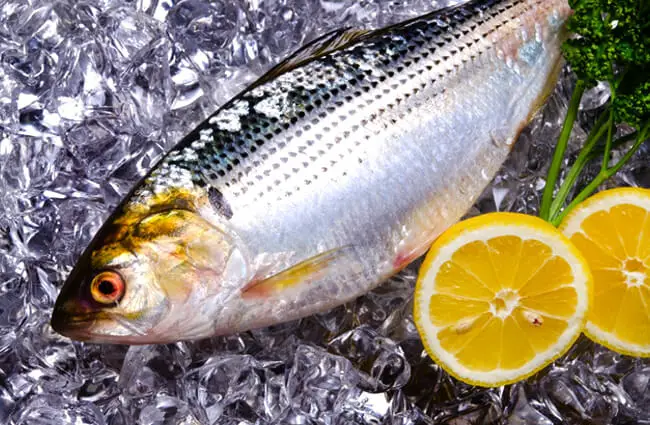
The term “shad” generally refers to several species within the Alosa genus. The most well‑known are the American shad (Alosa sapidissima), Hickory shad (Alosa umbrata), and Gizzard shad (Dorosoma cepedianum). While all share key characteristics, differences exist in size, habitat preference, and life history. American and Hickory shad are prized by anglers and historically supported substantial commercial fisheries. Gizzard shad, though less commonly eaten, play a crucial role in aquatic ecosystems as a forage fish.
Evolutionary History and Taxonomy
The evolutionary history of shad, like that of many fish, is deeply rooted in the geological past. Fossil records suggest that the Clupeidae family, including shad, dates back to the Cretaceous period, over 66 million years ago. These early ancestors likely inhabited marine environments, gradually adapting to freshwater systems. The anadromous lifestyle, a characteristic of many shad species, is thought to have evolved as a strategy to exploit both marine and freshwater resources. Phylogenetic studies continue to refine our understanding of the relationships within the Alosa genus and its broader family.
Habitat and Distribution
Shad exhibit a diverse range of habitats throughout their life cycle. American and Hickory shad spend the majority of their lives in the ocean, ranging from the waters of the Atlantic Ocean to the Gulf of Mexico, depending on the species. For reproduction, they undertake remarkable migrations upstream into freshwater rivers and streams. The precise river systems utilized vary depending on the species and geographical location. The Atlantic coast of North America, particularly rivers from Maine to Florida, historically provided prime spawning grounds for American shad. Gizzard shad are primarily freshwater inhabitants found in large rivers, reservoirs, and lakes throughout the central United States, and they are not anadromous.
Diet and Feeding Habits
The diet of shad changes significantly throughout their life cycle. As juveniles in freshwater, they primarily feed on microscopic zooplankton and small invertebrates. As they mature and move to saltwater, their diet expands to include larger zooplankton, small fish, and other invertebrates. Gizzard shad are filter feeders, consuming vast quantities of phytoplankton and small organisms, which contributes to nutrient cycling in aquatic ecosystems. They possess specialized gill rakers adapted for efficient filtering of water. The availability of food resources plays a crucial role in their growth and reproductive success.
Reproduction and Life Cycle
Shad are prolific broadcasters, releasing large quantities of eggs and sperm into the water column during spawning. Spawning typically occurs in the spring, triggered by rising water temperatures and flows. American and Hickory shad often migrate considerable distances upstream to reach their ancestral spawning grounds. They prefer gravel or rocky substrates for depositing their eggs. The eggs are buoyant and drift with the current until they hatch. Larval shad feed on zooplankton and gradually develop into juveniles. The time to maturity varies depending on the species, but can range from three to five years. Successful reproduction is heavily influenced by factors such as water quality, flow regimes, and the availability of suitable spawning habitat.
Gizzard shad spawn in freshwater streams and lakes, depositing eggs on vegetated or sandy substrates. Their eggs hatch into larvae that feed on phytoplankton before growing into juvenile fish.
Ecological Role and Interactions
Shad play a vital role in aquatic ecosystems. As both predators and prey, they contribute to the complex food web. Juvenile shad serve as an important food source for larger fish, birds, and mammals. Adults consume plankton and small invertebrates, helping to regulate their populations. Gizzard shad, through their filter feeding, can significantly impact water clarity and phytoplankton levels, and they also contribute to nutrient cycling by excreting waste products. Shad migrations can transport nutrients from marine to freshwater systems, enriching the food web. Their presence or absence can serve as an indicator of overall ecosystem health.
Shad and Humans: A Historical and Cultural Connection
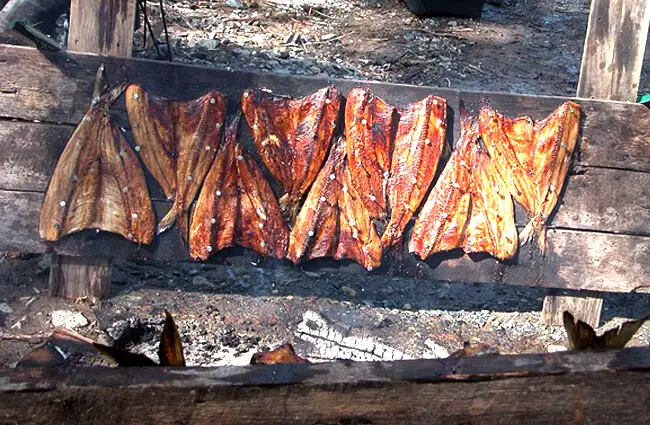
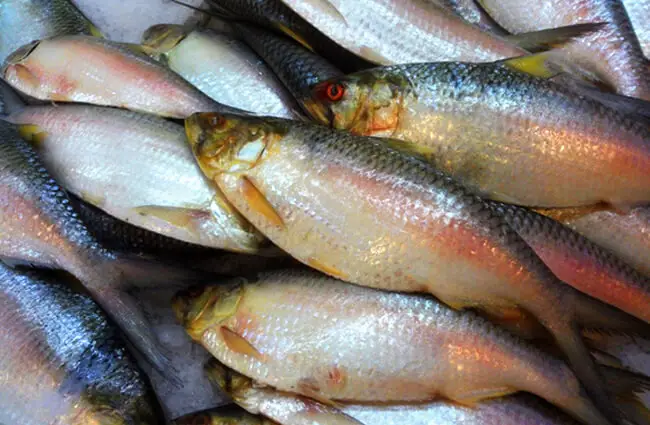
For centuries, shad have been an important food source for humans, particularly along the Atlantic coast of North America. Historically, Native American tribes relied heavily on shad as a staple food. European colonists quickly recognized the abundance of shad and established commercial fisheries. Shad were often smoked, pickled, or salted for preservation. The annual shad run became a cultural event, with communities gathering to harvest and celebrate the fish. While commercial fisheries have declined in recent decades, shad remain a popular recreational fishing target. The fish is also featured in various cuisines around the world.
Conservation Status and Threats
Several factors threaten shad populations. Habitat loss and degradation, particularly due to dams and other barriers to migration, are major concerns. Dams obstruct access to spawning grounds, fragmenting populations and reducing reproductive success. Pollution, including industrial and agricultural runoff, can degrade water quality and harm shad. Overfishing, though less prevalent today, historically contributed to population declines. Climate change, with its associated effects on water temperatures and flows, poses an additional threat. Conservation efforts include dam removal or modification, habitat restoration, and sustainable fisheries management.
Gizzard shad can become locally abundant, and in some regions they are considered a nuisance species, but they also face threats from habitat changes and water quality issues.
Encountering Shad in the Wild
When encountering shad in the wild, it is best to observe them from a distance and avoid disturbing their natural behavior. If fishing for shad, ensure compliance with all local regulations and practice responsible angling techniques. Report any signs of distress or unusual behavior to local authorities. Remember that shad are an important part of the ecosystem, and their protection benefits everyone.
Shad in Captivity
Maintaining shad in captivity is challenging due to their migratory nature and specific environmental requirements. Large tanks with flowing water and ample space are essential. Replicating natural seasonal changes in temperature and light is also crucial. The diet should consist of a variety of live or frozen foods, including zooplankton, small fish, and invertebrates. Regular monitoring of water quality is vital to ensure the health and well‑being of the fish. Providing enriching stimuli, such as plants or artificial structures, can help reduce stress and promote natural behaviors.
Fascinating Facts About Shad
- American shad can travel over 200 miles upstream to spawn.
- Gizzard shad can live for up to 10 years.
- Shad have a silvery sheen due to microscopic guanine crystals in their scales.
- The roe of American shad is considered a delicacy in some cultures.
- American and Hickory shad are anadromous fish, meaning they migrate between freshwater and saltwater.
Shad, with their remarkable life history and ecological importance, continue to fascinate scientists and nature enthusiasts alike. By understanding their biology, threats, and conservation needs, we can ensure the survival of these magnificent fish for generations to come.
![Closeup of a beautiful Red Angus cowPhoto by: U.S. Department of Agriculture [pubic domain]https://creativecommons.org/licenses/by/2.0/](https://animals.net/wp-content/uploads/2020/03/Red-Angus-4-238x178.jpg "Red Angus")
![Closeup of a beautiful Red Angus cowPhoto by: U.S. Department of Agriculture [pubic domain]https://creativecommons.org/licenses/by/2.0/](https://animals.net/wp-content/uploads/2020/03/Red-Angus-4-100x75.jpg "Red Angus")