Deep within the vibrant tapestry of African wildlife, a creature of striking elegance and unparalleled hunting prowess roams the savannas and wetlands. This is the Serval, a medium-sized wild cat whose distinctive appearance and remarkable adaptations have captivated zoologists and nature enthusiasts alike. Often described as a miniature cheetah with oversized ears, the Serval is a master of its domain, a testament to nature’s ingenious design.
From its towering leaps to its pinpoint hearing, the Serval embodies a unique blend of grace and predatory efficiency. This article delves into the fascinating world of the Serval, exploring its life, its role in the ecosystem, and its intriguing interactions with both the natural world and human society. Prepare to uncover the secrets of this magnificent feline, from its evolutionary journey to practical insights for those who wish to understand it better, whether in the wild or in a carefully managed captive environment.
The Serval: An Introduction to Africa’s Long-Legged Hunter
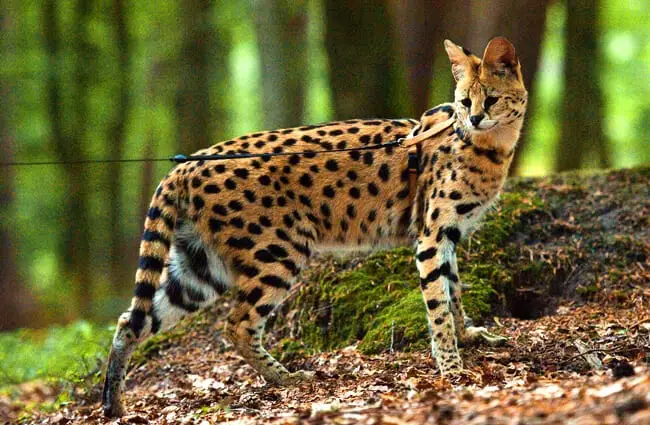
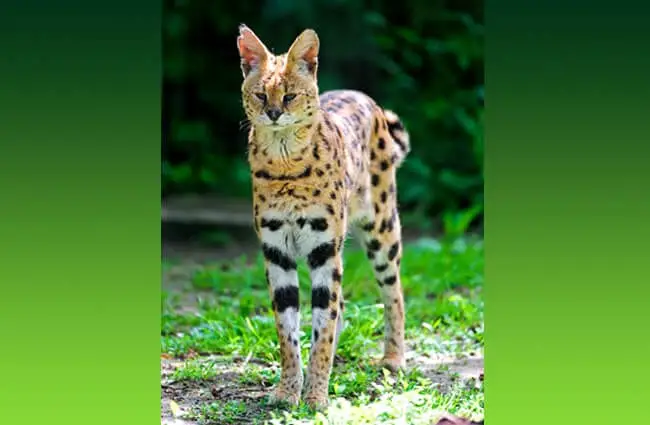
The Serval (Leptailurus serval) is a wild cat native to Africa, renowned for its slender build, long legs, and remarkably large ears. Its coat is typically golden-yellow to tawny, adorned with striking black spots and stripes that provide excellent camouflage in its grassy habitats. These cats are medium-sized, generally weighing between 9 and 18 kilograms (20 to 40 pounds) and standing about 54 to 62 centimeters (21 to 24 inches) at the shoulder. Their tail is relatively short, usually about a third of their body length.
Servals are primarily found across sub-Saharan Africa, preferring well-watered savannas, grasslands, and reed beds. They are solitary animals, largely nocturnal or crepuscular, meaning they are most active during dawn and dusk. Their unique physical attributes are not merely for show; they are finely tuned tools for survival, making the Serval one of the most efficient hunters in its weight class.
Where Servals Call Home: Habitat and Distribution
The Serval’s geographical range spans much of sub-Saharan Africa, extending from the Sahel region in the north down to the Cape Province in the south. However, their distribution is not uniform. These cats exhibit a strong preference for specific types of environments, primarily those with abundant water sources and dense vegetation.
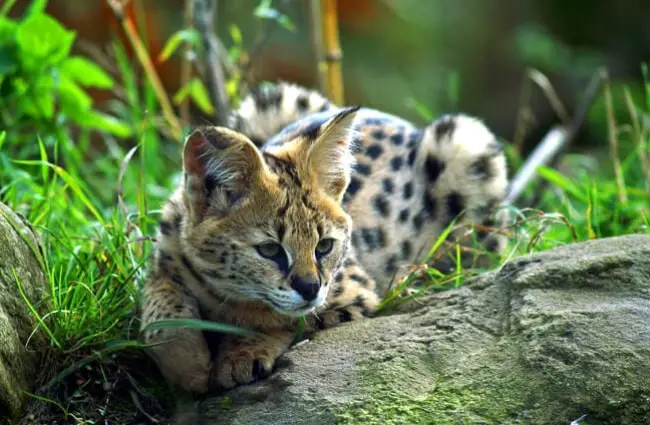
- Preferred Habitats: Servals thrive in wetlands, savannas, and grasslands, particularly those with tall grasses, reeds, and sedges. These environments offer both excellent cover for stalking prey and proximity to water, which is crucial for their survival.
- Water Dependency: Proximity to water is a key factor. Servals are often found near rivers, streams, swamps, and marshes. They are surprisingly adept swimmers, a skill that allows them to cross water bodies and even hunt aquatic prey.
- Avoided Regions: Conversely, Servals generally avoid arid deserts, semi-deserts, and dense tropical rainforests. The lack of water, suitable cover, or appropriate prey in these areas makes them unsuitable for the species.
- Altitude: While primarily found in lowlands, Servals have been observed at altitudes up to 3,800 meters (12,500 feet) in some mountainous regions of East Africa, demonstrating a degree of adaptability.
Understanding their habitat preferences is crucial for anyone hoping to observe these elusive cats in the wild. Their reliance on specific environmental conditions makes them sensitive to habitat degradation and loss.
The Evolutionary Journey of the Serval
The Serval holds a unique position within the Felidae family, the biological family of cats. It belongs to the subfamily Felinae, which includes all small to medium-sized cats. What makes the Serval particularly interesting from an evolutionary perspective is its distinct lineage.
Genetic studies indicate that the Serval diverged early from the common ancestor of other small African cats, such as the Caracal and the African Golden Cat. This early divergence suggests a long, independent evolutionary path, which has allowed the Serval to develop its highly specialized adaptations. Its long legs, large ears, and unique hunting style are not merely convergent evolution with other savanna predators but rather the result of millions of years of fine-tuning within its own evolutionary branch.
This distinct evolutionary history underscores the Serval’s uniqueness and its importance in understanding the broader diversification of the cat family across Africa.
A Master Hunter: Serval’s Diet and Hunting Prowess
The Serval’s diet is a testament to its incredible hunting skills. Unlike many felids that rely on stealth and brute force, the Serval employs a sophisticated array of sensory and physical adaptations to secure its meals. Its diet is primarily carnivorous, focusing on small prey.
What’s on the Menu?
- Small Rodents: The bulk of a Serval’s diet consists of small rodents, such as rats, mice, and voles. Their exceptional hearing allows them to detect these creatures even when they are hidden beneath dense vegetation or underground.
- Birds: Birds are another significant food source. Servals are famous for their spectacular vertical leaps, often reaching heights of 2 meters (6.5 feet) or more, to snatch birds out of the air.
- Amphibians and Reptiles: Frogs, lizards, and snakes are also part of their varied diet, particularly in wetland areas.
- Insects: Larger insects, such as grasshoppers and beetles, can supplement their diet, especially when other prey is scarce.
- Occasional Larger Prey: While less common, Servals are capable of taking down larger prey like hares, hyraxes, and even small antelopes, such as duikers, particularly if opportunities arise or during periods of scarcity.
Hunting Techniques: A Symphony of Senses and Agility
The Serval’s hunting strategy is a marvel of natural engineering:
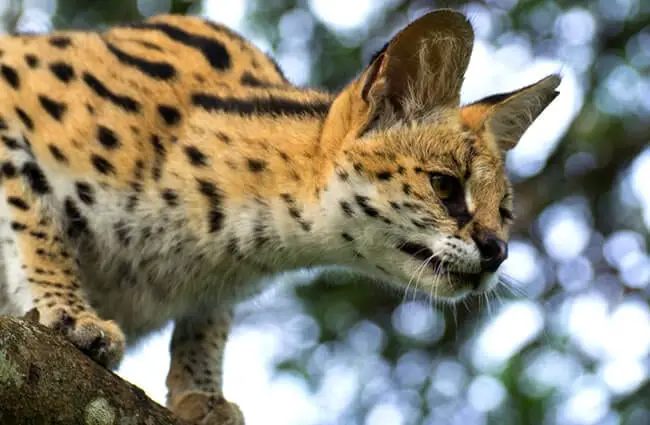
- Exceptional Hearing: With the largest ears relative to body size of any cat, the Serval possesses acute hearing. It can rotate its ears independently, like radar dishes, to pinpoint the exact location of prey, even faint rustling sounds from rodents underground.
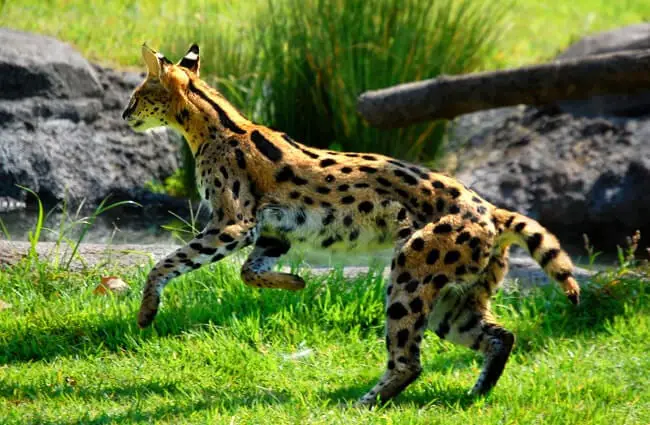
- The “High Jump”: Once prey is located, the Serval often performs a characteristic “high jump,” leaping vertically to pounce on its target from above, pinning it with its forepaws. This technique is particularly effective for catching birds in flight or rodents hiding in tall grass.
- Pouncing and Striking: Servals are not pursuit hunters like cheetahs. Instead, they rely on a series of short, explosive pounces and strikes. They can jump horizontally several meters, covering ground quickly to ambush unsuspecting prey.
- Patience and Stealth: Despite their agility, Servals are also patient hunters, often standing motionless for extended periods, listening intently before making their move.
This specialized hunting behavior makes the Serval a crucial component of its ecosystem, helping to control populations of small animals and maintaining ecological balance.
The Circle of Life: Serval Mating and Reproduction
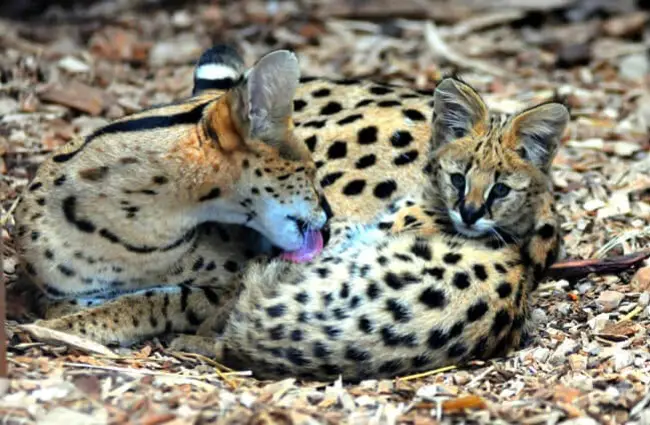
Servals are solitary animals for most of their lives, coming together only for the purpose of mating. Their reproductive cycle is fascinating and finely tuned to ensure the survival of their offspring.
Courtship and Breeding
- Solitary Nature: Outside of the breeding season, Servals maintain individual territories, which they mark with scent and urine.
- Mating Season: While breeding can occur year-round in some regions with stable prey availability, it often peaks during seasons when prey is most abundant, ensuring sufficient resources for raising cubs.
- Gestation: After a successful mating, the gestation period typically lasts between 67 and 77 days.
Birth and Cub Development
- Litter Size: A Serval mother usually gives birth to a litter of one to four cubs, though two or three is most common.
- Den Sites: Cubs are born in secluded den sites, which can include abandoned aardvark burrows, dense thickets, or rock crevices. These sites provide protection from predators and the elements.
- Early Life: Newborn Serval cubs are blind and helpless, weighing only about 250 grams (9 ounces). Their eyes open after 9 to 13 days, and they begin to crawl around 2 weeks of age.
- Maternal Care: The mother Serval is solely responsible for raising her cubs. She provides milk, protection, and eventually teaches them essential hunting skills.
- Weaning and Independence: Cubs are typically weaned between 5 and 7 months of age. They remain with their mother, learning to hunt and survive, until they are around 1 year old, at which point they disperse to establish their own territories.
- Sexual Maturity: Servals reach sexual maturity at approximately 18 to 24 months of age.
Ecological Role: Servals in the African Ecosystem
As a specialized predator of small animals, the Serval plays a vital role in maintaining the health and balance of its ecosystem.
- Population Control: By preying on rodents and birds, Servals help to regulate the populations of these species. This prevents overgrazing by herbivores and reduces the spread of diseases that can be carried by rodents.
- Food Web Dynamics: Servals are an integral part of the food web. While they are predators, young Servals can also become prey for larger carnivores such as leopards, hyenas, and large pythons, especially when they are vulnerable in their dens.
- Indicator Species: The presence of a healthy Serval population can indicate a thriving wetland or grassland ecosystem, as these cats require specific environmental conditions and a robust prey base.
Servals and Humanity: Interaction and Conservation
The relationship between Servals and humans is complex, ranging from historical conflict to modern conservation efforts.
Historical and Current Interactions
- Hunting and Fur Trade: Historically, Servals were hunted for their beautiful spotted coats, which were used in the fur trade. While this practice has largely diminished, illegal poaching still occurs in some areas.
- Persecution as Livestock Predators: In agricultural areas, Servals are sometimes persecuted by farmers who mistakenly believe they prey on poultry or small livestock. While a Serval might occasionally take a chicken, their primary diet consists of wild rodents and birds.
- Habitat Loss: The most significant threat to Serval populations today is habitat loss and fragmentation. As human populations expand, wetlands are drained for agriculture, development, or livestock grazing, directly impacting the Serval’s preferred habitat.
- Road Accidents: Servals are also vulnerable to road accidents, particularly in areas where their habitats intersect with human infrastructure.
Conservation Status
The Serval is currently listed as “Least Concern” by the IUCN (International Union for Conservation of Nature). However, this status masks regional declines and the ongoing threats they face. Conservation efforts focus on:
- Habitat Protection: Establishing and protecting national parks and wildlife reserves that encompass Serval habitats.
- Community Education: Educating local communities about the Serval’s ecological role and promoting coexistence.
- Anti-Poaching Measures: Combating illegal hunting and trade.
Servals in Human Culture
While not as prominent in folklore as lions or leopards, Servals have gained recognition in other ways:
- Exotic Pet Trade: Servals are sometimes kept as exotic pets. However, this practice is highly controversial and often detrimental to the animal’s welfare. Servals are wild animals with complex needs that cannot be fully met in a domestic setting. They require specialized diets, vast enclosures, and can exhibit natural wild behaviors that are challenging and potentially dangerous in a home environment. Many end up abandoned or in rescue facilities.
- Hybridization: The Serval is one of the parent species of the Savannah cat, a popular domestic hybrid breed. Savannah cats are created by crossing a domestic cat with a Serval, resulting in a feline with a wild appearance but a more domesticated temperament.
A Huge List of Interesting Facts About Servals
The Serval is full of surprises. Here are some fascinating facts that highlight its unique adaptations and behaviors:
- Longest Legs: Servals possess the longest legs relative to body size of any cat species. This adaptation allows them to see over tall grasses and contributes to their impressive leaping ability.
- Giant Ears: Their ears are not just large, they are also highly mobile, able to rotate 180 degrees independently to pinpoint the faintest sounds of prey.
- Vertical Leapers: They can leap up to 2 meters (6.5 feet) straight into the air to catch birds in flight.
- Horizontal Jumpers: Servals can also jump horizontally several meters, covering ground quickly during a pounce.
- Water Lovers: Unlike many cats, Servals are excellent swimmers and are not averse to water. They will readily enter water to hunt or cross obstacles.
- Solitary Hunters: They are generally solitary animals, except during mating or when a mother is raising cubs.
- Nocturnal and Crepuscular: Most active during the cooler hours of dawn, dusk, and night, avoiding the midday heat.
- Unique Coat Patterns: Each Serval’s spot and stripe pattern is unique, much like human fingerprints.
- Diverse Vocalizations: Servals communicate through a range of sounds including chirps, purrs, growls, hisses, and even a high-pitched scream.
- Impressive Lifespan: In the wild, Servals typically live for about 10 years, but in captivity, they can live for up to 20 years.
- Territorial Markers: They mark their territories using scent glands, urine, and by scratching trees.
- Efficient Killers: Servals have one of the highest hunting success rates among wild cats, often catching prey on more than 50% of their attempts.
Practical Insights for Serval Enthusiasts and Professionals
For the Aspiring Wildlife Spotter: How to Find a Serval in the Wild
Spotting a Serval in its natural habitat is a truly rewarding experience, but it requires patience, knowledge, and a bit of luck. Here’s how to increase your chances:
- Location is Key: Focus your search on sub-Saharan Africa, specifically in countries known for their healthy Serval populations, such as Tanzania, Kenya, South Africa, and Botswana. Look for areas with wetlands, tall grasslands, and proximity to water sources. National parks and reserves with these habitats are your best bet.
- Timing Matters: Servals are primarily crepuscular and nocturnal. The best times for viewing are during dawn (just after sunrise) and dusk (just before sunset). Night drives with a spotlight (where permitted) can also be productive.
- Look for Signs: Keep an eye out for tracks in muddy areas near water, or listen for their distinctive chirping vocalizations, especially during mating season.
- Patience and Observation: Servals are shy and well-camouflaged. Drive slowly, scan the edges of tall grass, and spend time observing quiet areas. A good pair of binoculars is essential.
- Respect Wildlife: Always maintain a safe and respectful distance. Never approach or attempt to feed a wild Serval.
Encountering a Serval in the Wild: What to Do
While Servals are generally shy and avoid human contact, an encounter can happen. Knowing how to react is crucial for both your safety and the animal’s well-being:
- Maintain Distance: The most important rule is to keep a safe and respectful distance. Do not approach the animal, even if it appears calm or curious.
- Do Not Engage: Avoid making sudden movements or loud noises that might startle the Serval. Do not try to attract its attention.
- Never Feed: Feeding wild animals can habituate them to humans, leading to dangerous encounters and disrupting their natural hunting behaviors.
- Observe Quietly: If the Serval remains in view, enjoy the rare opportunity to observe it quietly from a distance. Use binoculars for a closer look.
- Retreat Slowly: If the Serval appears agitated or begins to approach you (which is rare), back away slowly and calmly. Do not run, as this can trigger a chase response in predators.
- Report if Necessary: If you encounter an injured or distressed Serval, or one that appears unusually bold or aggressive, report it to park rangers or local wildlife authorities.
Caring for a Serval in Captivity: A Zookeeper’s Guide
Caring for a Serval in a zoological setting requires specialized knowledge and dedication to replicating its natural environment and meeting its complex needs. It is a demanding role that goes far beyond simply providing food and water.
Essential Tasks for Zookeepers
- Spacious and Enriched Enclosure:
- Size: Provide a large, secure enclosure that allows for extensive movement, running, and jumping. Servals are highly active.
- Vertical Space: Include climbing structures, elevated platforms, and sturdy branches to satisfy their natural inclination to climb and perch.
- Water Features: A pool or large water basin is essential, as Servals enjoy swimming and playing in water.
- Hiding Spots: Offer dense vegetation, artificial dens, or sheltered areas where the Serval can retreat for privacy and security.
- Substrate: A natural substrate like soil, grass, or sand is preferable for digging and scent marking.
- Specialized Diet:
- Whole Prey: The diet should mimic their natural intake, consisting primarily of whole prey items such as rats, mice, guinea pigs, and quail. This provides essential nutrients, bone, and fur/feathers for digestive health.
- Supplements: Ensure a balanced diet with appropriate vitamin and mineral supplements, especially calcium, to prevent nutritional deficiencies.
- Feeding Schedule: Feed once or twice daily, adjusting portion sizes based on the individual Serval’s age, activity level, and metabolic rate.
- Enrichment Feeding: Incorporate puzzle feeders or hide food items to encourage natural foraging behaviors.
- Environmental Enrichment:
- Sensory Enrichment: Introduce new scents (herbs, spices, other animal scents), sounds, and visual stimuli.
- Physical Enrichment: Provide toys, balls, scratching posts, and rotating climbing structures to keep them mentally and physically stimulated.
- Behavioral Enrichment: Encourage hunting behaviors through scattered feeding or by presenting live (ethically sourced) insects.
- Health Monitoring and Veterinary Care:
- Daily Checks: Observe the Serval daily for any changes in behavior, appetite, stool consistency, or physical condition.
- Regular Vet Visits: Schedule routine veterinary examinations, vaccinations, and parasite control.
- Training for Medical Procedures: Positive reinforcement training can help facilitate voluntary participation in medical procedures, reducing stress for both the animal and staff.
- Behavioral Observation:
- Understanding Solitary Nature: Recognize that Servals are solitary. Do not force social interactions with other Servals unless part of a carefully managed breeding program and the animals show compatibility.
- Monitoring Stress: Be vigilant for signs of stress or boredom, such as pacing, excessive grooming, or aggression, and adjust enrichment accordingly.
What to Avoid
- Inadequate Enclosure Size: A small or barren enclosure will lead to stress and behavioral issues.
- Improper Diet: Feeding only processed meat or an unbalanced diet will result in severe health problems.
- Over-Handling: Servals are wild animals. Avoid excessive direct handling unless absolutely necessary for medical reasons, as it can cause stress and habituation to humans in an unhealthy way.
- Lack of Enrichment: A lack of mental and physical stimulation can lead to boredom, lethargy, and stereotypical behaviors.
- Forced Socialization: Do not attempt to house incompatible Servals together or force social interaction, as this can lead to injury or severe stress.
- Public Direct Contact: Never allow the public to have direct contact with Servals, as they are wild animals and can be unpredictable.
Conclusion: The Enduring Allure of the Serval
The Serval stands as a remarkable example of evolutionary specialization, a creature perfectly adapted to its African wetland and savanna habitats. From its distinctive appearance and unparalleled hunting skills to its crucial role in maintaining ecological balance, every aspect of the Serval’s life tells a story of survival and adaptation.
As we continue to explore and understand the natural world, the Serval reminds us of the intricate beauty and delicate balance of ecosystems. Protecting these magnificent cats, and the habitats they call home, is not just about preserving a single species; it is about safeguarding the rich biodiversity that makes our planet so extraordinary. Whether observed in the wild or cared for in a professional zoological setting, the Serval’s enduring allure continues to inspire awe and a deeper appreciation for the wonders of the animal kingdom.
![Closeup of a beautiful Red Angus cowPhoto by: U.S. Department of Agriculture [pubic domain]https://creativecommons.org/licenses/by/2.0/](https://animals.net/wp-content/uploads/2020/03/Red-Angus-4-238x178.jpg "Red Angus")
![Closeup of a beautiful Red Angus cowPhoto by: U.S. Department of Agriculture [pubic domain]https://creativecommons.org/licenses/by/2.0/](https://animals.net/wp-content/uploads/2020/03/Red-Angus-4-100x75.jpg "Red Angus")