Beneath the ocean’s shimmering surface lies a world teeming with wonders, and among its most captivating residents are the creatures we affectionately call sea stars. Far more than just pretty decorations of the seabed, these fascinating invertebrates are vital components of marine ecosystems, boasting an array of unique adaptations that have allowed them to thrive for millions of years. Prepare to dive deep into the intricate lives of these stellar inhabitants, from their ancient origins to their crucial roles in our oceans today.
Often mistakenly referred to as “starfish,” the correct scientific term, “sea star,” highlights their true nature as echinoderms, not fish. This distinction is more than just semantics; it underscores their unique biology, setting them apart from the finned inhabitants of the sea.
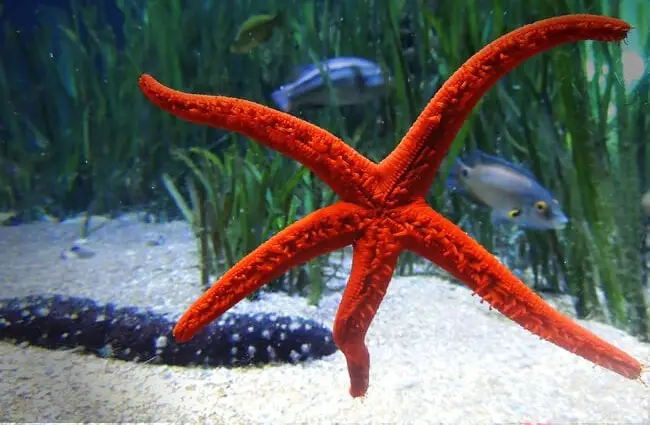
Where the Stars Reside: Sea Star Habitats and How to Spot Them
Sea stars are truly global citizens of the ocean, inhabiting virtually every marine environment from the frigid polar seas to the warm tropical waters. Their adaptability is remarkable, allowing them to thrive in diverse habitats:
- Intertidal Zones: Many species are commonly found in tide pools, clinging to rocks or nestled among seaweed, where they endure the dramatic shifts between high and low tide. This is often the easiest place for an animal lover to spot them in the wild.
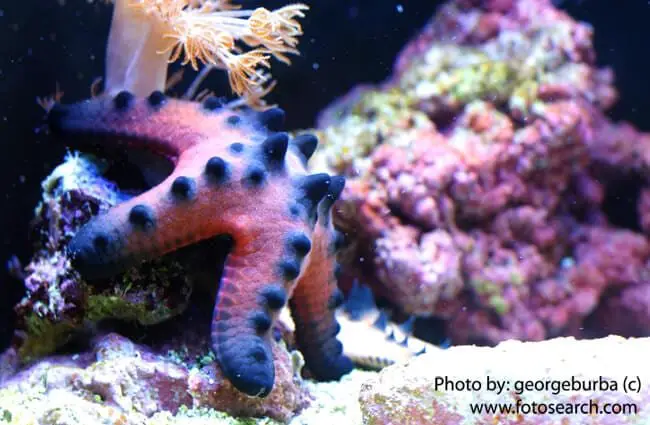
- Shallow Reefs: Coral reefs provide a rich tapestry of life, and sea stars are often integral parts of these vibrant ecosystems, sometimes camouflaged among corals or sponges.
- Deep Sea: Some species have adapted to the crushing pressures and perpetual darkness of the abyssal plains, showcasing the incredible resilience of these creatures.
- Soft Sediments: While many prefer rocky substrates, others burrow into sand or mud, often remaining hidden from view.
Tips for Finding Sea Stars in the Wild:
For the aspiring marine enthusiast hoping to encounter a sea star:
- Timing is Key: Visit rocky shorelines during low tide, when tide pools are exposed.
- Look Carefully: Sea stars can be masters of camouflage. Gently peer into crevices, under rocks (but do not overturn them), and among seaweed.
- Be Gentle: If you find one, observe it without touching. Their delicate tube feet can be easily damaged, and removing them from the water can cause stress and harm. A good rule for any hiker or beachcomber is to observe from a respectful distance and leave wildlife undisturbed.
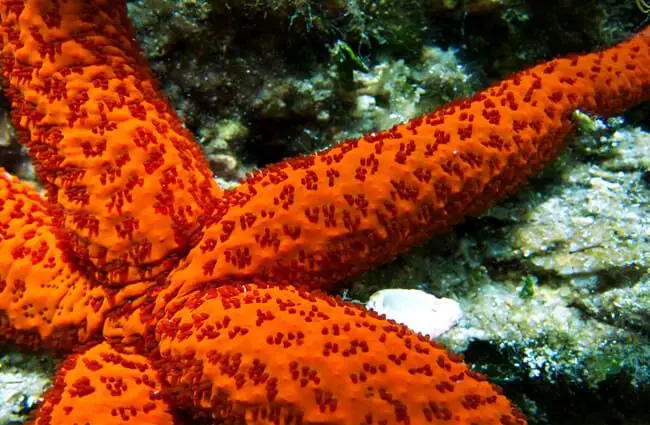
Anatomy of a Star: A Glimpse into Sea Star Biology
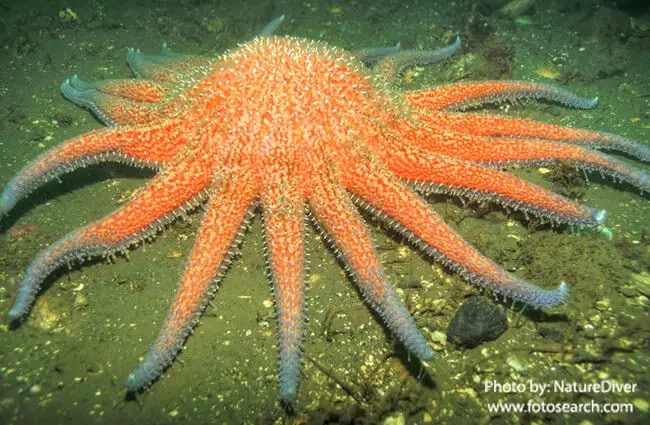
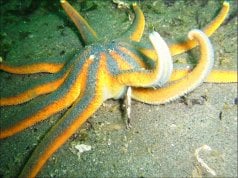
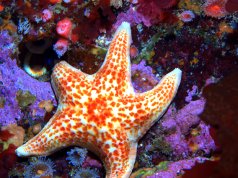
Sea stars possess a unique body plan, typically characterized by radial symmetry, most commonly with five arms radiating from a central disc. However, some species can have many more, with certain sun stars boasting up to 40 arms! Their bodies are covered in a tough, often spiny skin, which provides protection.
The Marvel of the Water Vascular System:
One of the most defining features of sea stars is their sophisticated water vascular system. This hydraulic network powers their thousands of tiny, suction-cup-tipped tube feet located on their underside. This system allows them to:
- Locomotion: Slowly but surely, they glide across surfaces, propelled by the coordinated action of their tube feet.
- Adhesion: The tube feet create powerful suction, enabling them to cling firmly to rocks, even in strong currents, and to pry open the shells of their prey.
- Respiration: Gas exchange occurs across the thin walls of the tube feet and other dermal structures.
- Sensation: The tube feet also play a role in sensing their environment.
At the tip of each arm, many sea stars possess a simple eye spot, capable of detecting light and dark, helping them navigate their surroundings. Their mouth is located on the underside, at the center of their body.
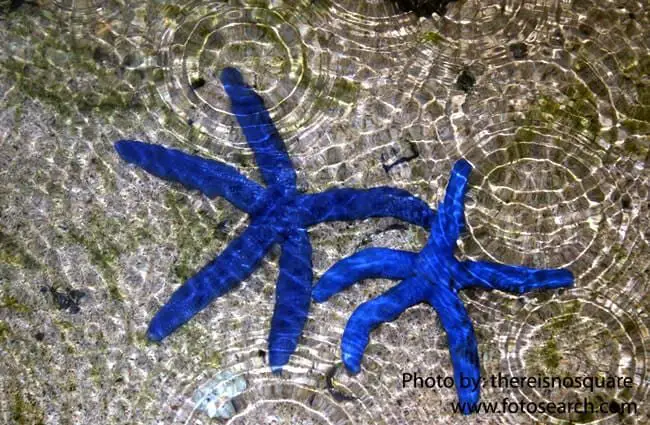
What’s on the Menu? The Diet of a Sea Star
Sea stars are predominantly predators, and their feeding habits are nothing short of extraordinary. Their diet varies depending on the species and habitat, but commonly includes:
- Bivalves: Mussels, clams, and oysters are favorite prey.
- Snails: Various gastropods fall victim to their predatory prowess.
- Barnacles: These sessile crustaceans are a common food source.
- Detritus: Some species are scavengers, feeding on dead organic matter.
- Algae: A few species are herbivorous.
An Unconventional Feast: Stomach Eversion
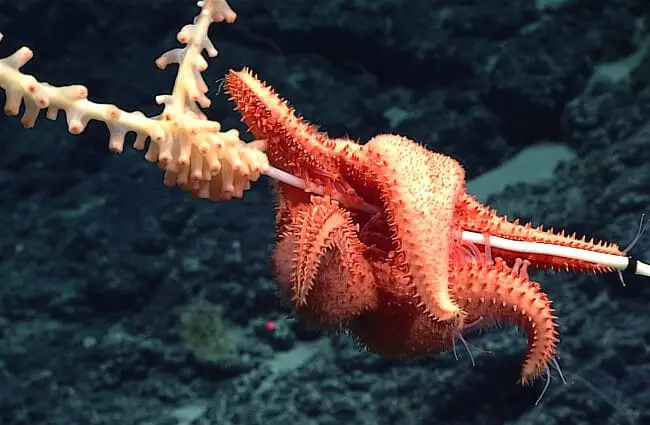
Perhaps the most astonishing aspect of sea star feeding is their ability to evert their stomach. When a sea star encounters a bivalve, it uses its powerful tube feet to slowly pry open the shell, creating a tiny gap. Then, it pushes its cardiac stomach out through its mouth and into the bivalve’s shell. Digestive enzymes are released, liquefying the prey’s soft tissues, which the sea star then absorbs. This external digestion allows them to consume prey much larger than their mouth opening, a truly unique adaptation in the animal kingdom.
The Circle of Life: Reproduction and Regeneration
Sea stars exhibit diverse reproductive strategies, ensuring the continuation of their species.
Mating and Reproduction Process:
- Sexual Reproduction: Most sea stars reproduce sexually. They are typically dioecious, meaning individuals are either male or female. During spawning events, often triggered by environmental cues like water temperature or lunar cycles, males release sperm and females release eggs into the water column. This external fertilization results in free-swimming larval stages, which drift as plankton before settling on the seabed and metamorphosing into juvenile sea stars.
- Asexual Reproduction: Some species can reproduce asexually through fission. An arm, or even a portion of the central disc, can detach and regenerate into a complete new sea star, provided it contains enough vital tissue. This remarkable ability is also crucial for their survival against predators.
The Power of Regeneration:
Beyond reproduction, regeneration is a hallmark of sea star biology. If an arm is lost to a predator or injury, a sea star can regrow it. In some cases, a severed arm can even regenerate an entire new body, provided it retains a piece of the central disc. This incredible regenerative capacity is a subject of intense scientific study, offering insights into tissue repair and development.
Ancient Mariners: The Evolutionary History of Sea Stars
Sea stars belong to the phylum Echinodermata, an ancient group of marine invertebrates with a rich fossil record dating back over 500 million years to the Cambrian period. Their unique radial symmetry and water vascular system are ancient features that have persisted through vast stretches of geological time.
Early echinoderms were more diverse in form, but the basic body plan of sea stars, with their five-part radial symmetry, proved highly successful. Their evolution involved adaptations to various marine environments, leading to the incredible diversity we see today, from the shallow intertidal to the abyssal depths. Studying their fossil record provides invaluable clues about the history of life in the oceans and the development of complex invertebrate body plans.
Ecosystem Engineers: Sea Stars’ Contribution to the Ecosystem
Sea stars are not just passive inhabitants; they are active participants and often crucial players in their ecosystems. Their interactions with other animals are profound:
- Keystone Species: Certain sea star species are considered keystone species. The classic example is the Ochre Sea Star (Pisaster ochraceus) in the Pacific Northwest. By preying on mussels, it prevents them from monopolizing space on the rocks, allowing other species like barnacles, limpets, and algae to thrive. Without the sea star, the biodiversity of the intertidal zone would drastically decline.
- Predator-Prey Dynamics: As predators, they help regulate populations of their prey, preventing overgrazing or overpopulation of certain species.
- Scavengers: Some species contribute to nutrient cycling by consuming detritus and carrion.
- Prey for Others: While tough, sea stars can fall prey to larger fish, birds, and even other invertebrates, contributing to the marine food web.
Sea Stars and Humanity: Culture, Interaction, and Conservation
Sea stars have long captured the human imagination, appearing in various cultural contexts:
- Symbolism: Their star-like shape often symbolizes guidance, inspiration, and wonder. They are frequently depicted in art, jewelry, and decorative items.
- Tourism: They are a major draw for ecotourism, particularly in tide pool exploration and snorkeling, inspiring countless individuals to appreciate marine life.
Human Interaction and Conservation:
Despite their beauty and ecological importance, sea stars face challenges from human activities:
- Habitat Degradation: Pollution, coastal development, and climate change threaten their habitats.
- Over-collection: In some areas, sea stars are collected for souvenirs, which can deplete local populations. It is crucial for beachgoers and divers to remember that these are living creatures and should be left undisturbed in their natural environment.
- Disease: Sea Star Wasting Syndrome, a devastating disease linked to environmental stressors, has caused mass mortalities in many populations, highlighting their vulnerability.
Conservation efforts focus on protecting marine habitats, regulating collection, and understanding the impacts of climate change and disease on these vital creatures.
Caring for Captive Sea Stars: A Zookeeper’s Guide
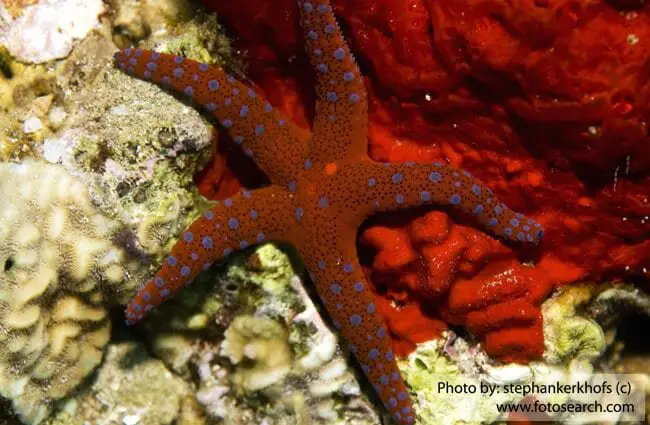
For zookeepers entrusted with the care of sea stars, maintaining a healthy and thriving environment requires specific knowledge and diligent attention to detail.
Essential Tasks for Zookeepers:
- Water Quality Management: This is paramount. Maintain stable salinity, temperature, pH, and dissolved oxygen levels appropriate for the specific species. Regular testing and filtration are critical.
- Dietary Provision: Offer a varied diet of appropriate prey items such as mussels, clams, shrimp, or specialized invertebrate pellets, ensuring they are fresh and free from contaminants. Observe feeding behavior to ensure adequate intake.
- Habitat Enrichment: Provide a suitable substrate and rockwork that mimics their natural environment, offering places to cling, hide, and forage. Ensure all decor is inert and non-toxic.
- Disease Monitoring: Regularly inspect sea stars for any signs of disease, such as lesions, discoloration, or loss of turgor. Prompt isolation and veterinary consultation are essential for any suspected illness.
- Compatibility: Carefully select tank mates to avoid predation or competition. Some sea stars are predatory on other invertebrates.
- Gentle Handling: If handling is absolutely necessary (e.g., for health checks), do so with extreme care, supporting their entire body to avoid damaging their delicate arms and internal structures. Never lift them by a single arm.
What to Avoid in Captive Care:
- Rapid Environmental Changes: Sudden shifts in water parameters can be highly stressful and fatal.
- Copper-Based Medications: Copper is highly toxic to echinoderms and must be strictly avoided in their systems.
- Overfeeding: This can lead to poor water quality and health issues.
- Incompatible Tank Mates: Introducing aggressive fish or invertebrates that might nip at or prey on sea stars.
- Direct Sunlight: Avoid placing tanks where they receive direct, intense sunlight, which can cause overheating and algae blooms.
- Rough Handling: Never pull a sea star off a surface, as this can tear its tube feet and body wall. Allow it to release naturally.
A Universe of Interesting Facts About Sea Stars
- No Brain, No Blood: Sea stars lack a centralized brain and have no true blood. Instead, they circulate seawater through their water vascular system.
- Sensory Arms: While they have eye spots, their entire body surface, particularly their tube feet, is sensitive to touch and chemicals, allowing them to “smell” and “feel” their way around.
- Arm Autotomy: The ability to voluntarily shed an arm (autotomy) is a defense mechanism against predators. The lost arm often distracts the attacker while the sea star escapes.
- Diverse Colors and Textures: Sea stars come in an astonishing array of colors, patterns, and textures, from smooth and vibrant to spiny and camouflaged.
- Lifespan: Depending on the species, sea stars can live for several years, with some larger species potentially living for decades.
- Slow but Steady: Despite their slow movement, their predatory tactics, like stomach eversion, are incredibly effective.
From their ancient lineage to their vital role in maintaining the health of marine ecosystems, sea stars are truly extraordinary creatures. Their unique biology, from the hydraulic power of their tube feet to their astonishing regenerative abilities, continues to inspire awe and scientific inquiry. Understanding and appreciating these stellar invertebrates is not just about marveling at their beauty, but recognizing their indispensable contribution to the intricate web of life beneath the waves. Let us continue to protect these ocean gems for generations to come.
![Closeup of a beautiful Red Angus cowPhoto by: U.S. Department of Agriculture [pubic domain]https://creativecommons.org/licenses/by/2.0/](https://animals.net/wp-content/uploads/2020/03/Red-Angus-4-100x75.jpg "Red Angus")