Deep beneath the waves, where seagrass meadows sway and coral reefs hum with life, dwells a creature unlike any other. With its equine head, prehensile tail, and upright posture, the seahorse captivates the imagination, appearing more like a mythical beast than a fish. Yet, these delicate denizens of the ocean are very real, embodying some of nature’s most extraordinary adaptations and behaviors. From their unique reproductive strategies to their masterful camouflage, seahorses offer a window into the intricate wonders of marine life, inviting us to explore a world both alien and enchanting.
The Enigmatic Seahorse: A Marvel of the Ocean
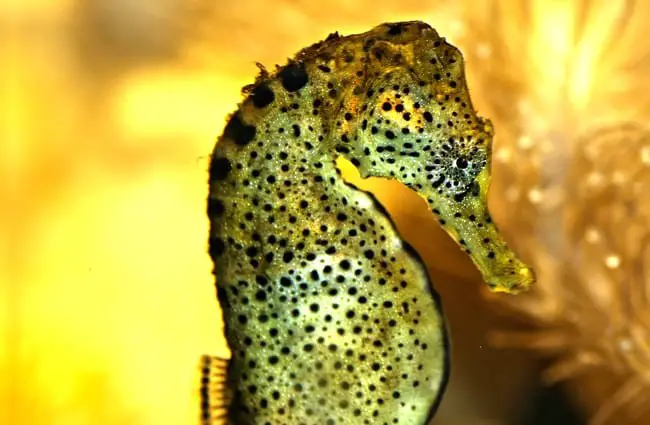
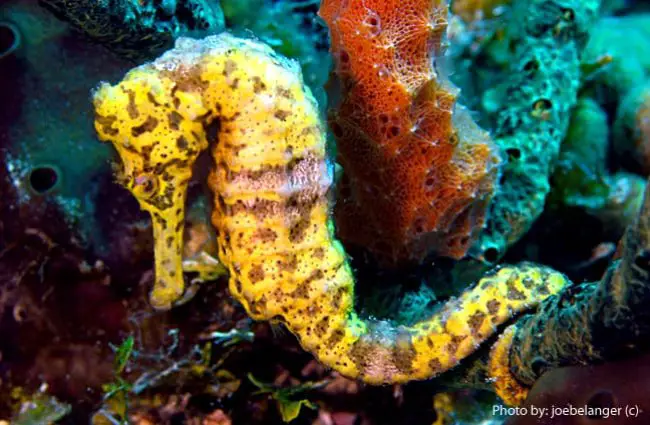
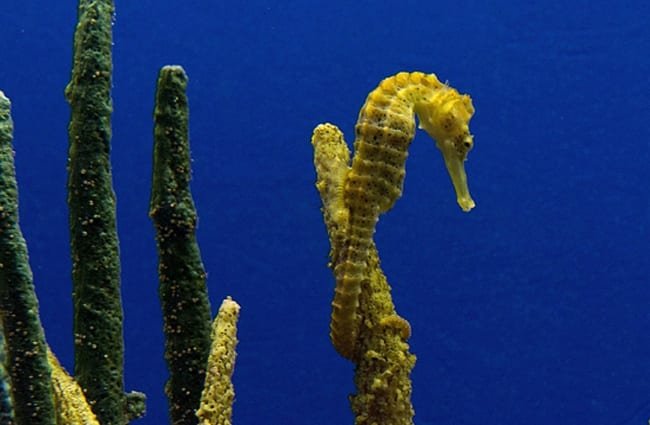
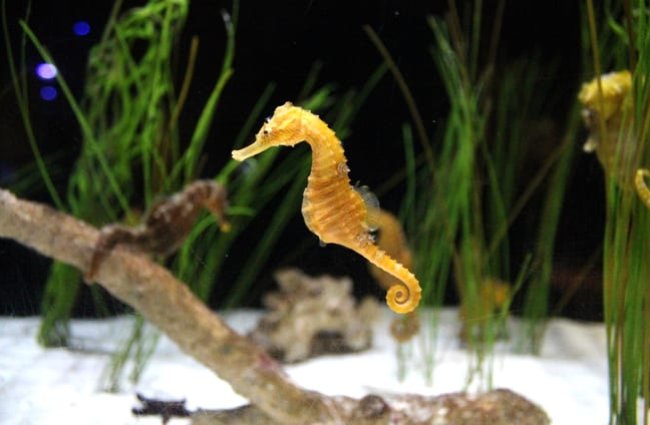
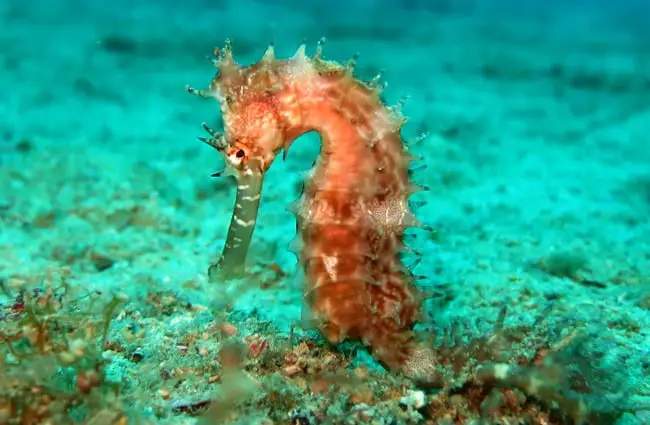
Seahorses, belonging to the genus Hippocampus, are truly one of the ocean’s most iconic and unusual inhabitants. They are not, as their name might suggest, horses of the sea, but rather a specialized type of fish. Their distinctive appearance, characterized by a horse-like head, an upright swimming posture, and a prehensile tail, sets them apart from virtually all other marine species. Unlike most fish that swim horizontally, seahorses navigate the water column vertically, propelled by a rapidly fluttering dorsal fin and tiny pectoral fins that steer. Their bodies are encased in bony plates, forming an external skeleton that offers protection against predators, rather than scales.
These fascinating creatures exhibit a remarkable array of colors and patterns, often changing to blend seamlessly with their surroundings. Their eyes can move independently, allowing them to scan for food and predators simultaneously without moving their heads. With over 40 recognized species, seahorses vary significantly in size, from the diminutive pygmy seahorse, barely a centimeter tall, to the impressive big-belly seahorse, which can reach up to 35 centimeters.
Where the Wild Seahorses Roam: Habitat and Distribution
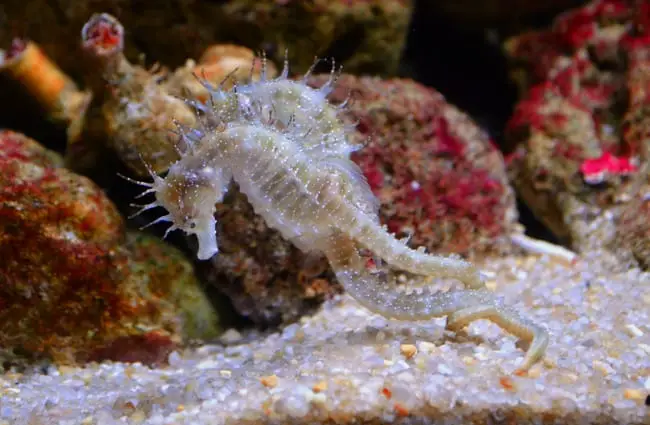
Seahorses are found in shallow, tropical, and temperate waters around the globe, inhabiting a diverse range of coastal environments. Their distribution spans from the Atlantic to the Pacific, and from the Indian Ocean to the Mediterranean Sea. These masters of camouflage prefer habitats where they can anchor themselves with their prehensile tails and blend in with the surrounding vegetation or structures.
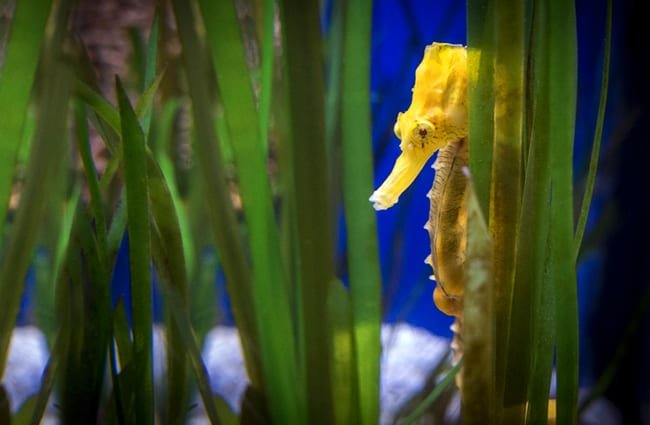
- Seagrass Beds: These underwater meadows are prime seahorse territory, offering abundant food and excellent cover. The blades of seagrass provide perfect vertical anchors for seahorses to cling to while waiting for prey.
- Coral Reefs: The intricate structures of coral reefs provide countless nooks and crannies for seahorses to hide in, especially species that mimic the textures and colors of corals.
- Mangrove Forests: The tangled roots of mangroves offer a protected environment, particularly for juvenile seahorses, shielding them from strong currents and predators.
- Estuaries: Some species are adapted to brackish water, thriving in the calmer, nutrient-rich waters where rivers meet the sea.
For the animal lover hoping to spot a seahorse in the wild, patience and a keen eye are essential. Look for them in the habitats listed above, particularly in calm, clear waters. Snorkeling or diving slowly and carefully along seagrass beds or coral fringes, observing the environment closely for any unusual shapes or movements, is the best approach. Remember, their camouflage is exceptional, so what might look like a piece of seaweed could very well be a seahorse. Always observe from a respectful distance to avoid disturbing these delicate creatures.
A Glimpse into the Past: Seahorse Evolution
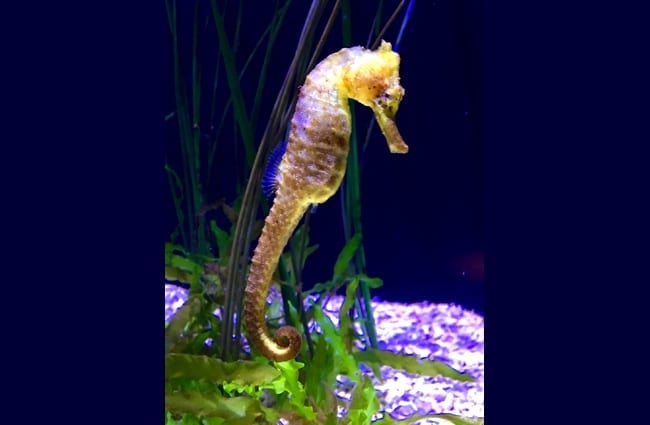
The evolutionary journey of the seahorse is a fascinating tale of adaptation. Scientists believe seahorses evolved from pipefish, their more elongated, horizontally swimming relatives, approximately 25 million years ago. This transition involved a series of remarkable morphological changes that allowed them to thrive in complex, structured environments.
- Upright Posture: The most striking evolutionary shift was the development of their upright swimming posture. This adaptation is thought to have allowed them to better ambush prey in dense seagrass and coral environments, mimicking the vertical lines of their surroundings.
- Prehensile Tail: Unlike most fish, seahorses developed a prehensile tail, capable of grasping onto seagrass, corals, or other holdfasts. This provides stability in currents and allows them to conserve energy by not constantly swimming.
- Fused Jaws: Their distinctive tubular snout is a result of fused jaws, forming a powerful suction feeding apparatus. This specialized mouth allows them to quickly suck in small prey from a distance.
- Bony Armor: The development of an external bony skeleton, rather than scales, provides a robust defense against predators, making them less appealing to eat.
These evolutionary innovations have made seahorses uniquely suited to their niche, showcasing how natural selection can sculpt extraordinary forms from more conventional ancestors.
The Seahorse Menu: What’s for Dinner?
Despite their slow and deliberate movements, seahorses are surprisingly effective predators. Their diet consists primarily of small crustaceans and other tiny invertebrates that drift in the water column or hide among the vegetation. They are ambush predators, relying heavily on their camouflage and patience.
- Primary Prey:
- Brine shrimp
- Copepods
- Amphipods
- Other small planktonic organisms
- Feeding Mechanism: A seahorse’s feeding strategy is a marvel of biomechanics. They wait motionless, often camouflaged, until a suitable prey item drifts within striking distance. Then, with incredible speed, they rapidly expand their snout, creating a powerful vacuum that sucks the unsuspecting prey into their mouth. This “pivot feeding” mechanism is one of the fastest known movements in the animal kingdom, making it incredibly difficult for prey to escape. They have no teeth and swallow their food whole. Because they lack a stomach, food passes through their digestive system quickly, requiring them to eat almost constantly to sustain themselves.
Love in the Ocean: Seahorse Mating and Reproduction
Perhaps the most famous and intriguing aspect of seahorse biology is their unique reproductive strategy, where the male takes on the role of pregnancy. This reversal of traditional gender roles is a cornerstone of their life cycle.
- Courtship Rituals: Seahorses are monogamous, often mating for life or at least for a breeding season. Their courtship is an elaborate daily ritual, involving a “dance” that can last for hours. The male and female change colors, swim together, and entwine their tails. This daily ritual strengthens their pair bond and ensures the male’s brood pouch is ready for eggs.
- Egg Transfer: When the female is ready to lay her eggs, she transfers them into a specialized brood pouch located on the male’s abdomen. This pouch is not merely a holding sac; it is a complex organ that provides a protected, oxygenated, and osmoregulated environment for the developing embryos. The male fertilizes the eggs internally within the pouch.
- Male Pregnancy: The male carries the developing embryos for a period ranging from 10 days to 6 weeks, depending on the species and water temperature. During this time, the pouch provides nutrients and removes waste products, much like a mammalian placenta.
- Birth: When the young are fully developed, the male undergoes muscular contractions to expel the miniature, fully formed seahorses into the water. A single male can give birth to hundreds, sometimes even thousands, of tiny seahorses in one go.
- Parental Care: After birth, the male’s parental duties conclude. The tiny seahorse fry are immediately independent, facing the challenges of survival in the open ocean on their own. Their survival rate is very low, which is why seahorses produce so many offspring.
Seahorses in the Web of Life: Ecosystem Role and Interactions
While often perceived as delicate and vulnerable, seahorses play a subtle yet important role within their marine ecosystems. Their interactions with other animals and their contribution to the overall health of their habitats are significant.
- Predator-Prey Dynamics: Seahorses primarily feed on small crustaceans, helping to regulate populations of these tiny invertebrates. Conversely, due to their bony plates and excellent camouflage, adult seahorses have relatively few natural predators. Larger fish, crabs, and some seabirds might occasionally prey on them, but their primary threat often comes from habitat loss and human activities. Juvenile seahorses, however, are much more vulnerable to predation from a wider range of marine animals.
- Ecosystem Health Indicators: Seahorses are often considered indicator species. Their presence and health can reflect the overall health of their preferred habitats, such as seagrass beds and coral reefs. A decline in seahorse populations can signal environmental degradation, such as pollution, habitat destruction, or climate change impacts.
- Biodiversity Contribution: As unique and specialized fish, seahorses contribute to the rich biodiversity of marine environments. Their existence supports the complex food webs and ecological balance of coastal waters.
Seahorses and Humanity: Culture, Conservation, and Coexistence
The distinctive appearance and unique behaviors of seahorses have long captivated human imagination, leading to their integration into various cultural narratives and unfortunately, also to significant conservation challenges.
Seahorses in Human Culture
Across different cultures, seahorses symbolize a variety of concepts:
- Mythology and Folklore: In ancient Greek and Roman mythology, seahorses were often depicted pulling the chariots of sea gods like Poseidon and Neptune, symbolizing power, strength, and good fortune.
- Art and Jewelry: Their elegant form makes them popular motifs in art, jewelry, and decorative items, often representing grace, charm, and the mysteries of the ocean.
- Symbolism: Due to the male’s pregnancy, seahorses have become a symbol of fatherhood, patience, and protection. They are also often associated with good luck and perseverance.
Human Interaction and Conservation Challenges
Despite their cultural significance, seahorses face numerous threats primarily driven by human activities:
- Habitat Destruction: The degradation and loss of critical habitats like seagrass beds, coral reefs, and mangrove forests due to coastal development, pollution, and dredging are major threats.
- Bycatch: Seahorses are frequently caught unintentionally in fishing gear, particularly bottom trawls and shrimp nets, leading to significant mortality rates.
- Traditional Medicine: There is a substantial global trade in dried seahorses for use in traditional medicine, particularly in Asia, where they are believed to have various medicinal properties.
- Aquarium Trade: The demand for live seahorses for the aquarium trade, both legal and illegal, puts additional pressure on wild populations.
- Climate Change: Rising ocean temperatures and ocean acidification can impact seahorse habitats and their food sources.
What to do if you encounter a seahorse in the wild: If you are lucky enough to spot a seahorse while snorkeling or diving, the best course of action is to observe it quietly and respectfully. Do not attempt to touch, chase, or handle the seahorse. Such actions can cause stress, remove their protective mucous layer, or dislodge them from their holdfasts, making them vulnerable. Simply enjoy the rare moment and leave them undisturbed in their natural environment. Reporting your sighting to local conservation groups can also contribute to monitoring efforts.
Conservation efforts are crucial and include establishing marine protected areas, regulating fishing practices, combating illegal trade, and raising public awareness about their plight. Many seahorse species are listed under CITES (Convention on International Trade in Endangered Species of Wild Fauna and Flora) to control and monitor their international trade.
Caring for Captive Seahorses: A Zookeeper’s Guide
Caring for seahorses in a captive environment, such as a public aquarium or a dedicated home setup, requires specialized knowledge and meticulous attention to detail. Zookeepers and aquarists play a vital role in ensuring the well-being of these delicate creatures.
- Essential Tasks for Zookeepers:
- Water Quality Management: Maintaining pristine water conditions is paramount. This involves regular testing for parameters such as salinity, temperature, pH, ammonia, nitrite, and nitrate. Consistent partial water changes are essential to keep toxins low.
- Diet and Feeding: Seahorses require a diet of live or frozen small crustaceans, such as enriched brine shrimp, mysis shrimp, and copepods. They need to be fed frequently, often multiple times a day, due to their lack of a true stomach. Ensuring the food is appropriately sized and nutritious is critical.
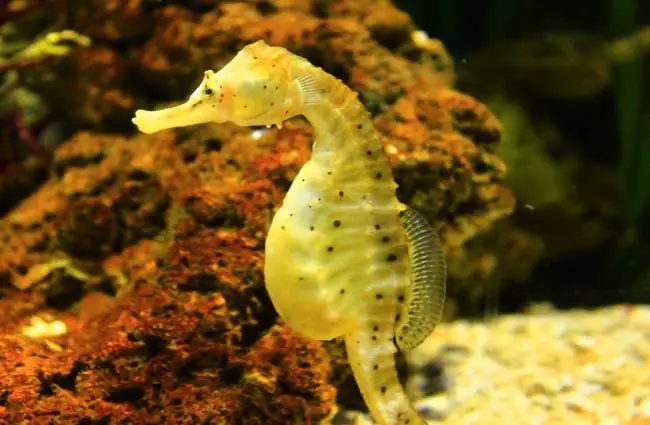
- Appropriate Tank Setup: The aquarium must mimic their natural habitat, providing plenty of holdfasts like artificial corals, seagrass, or plastic plants for them to cling to. Strong currents should be avoided, as seahorses are not strong swimmers. A tall tank is often preferred due to their upright posture.
- Disease Monitoring: Seahorses are susceptible to various diseases, including bacterial infections, fungal infections, and parasitic infestations. Daily observation for signs of distress, changes in behavior, or physical abnormalities is crucial for early intervention.
- Quarantine Protocols: Any new seahorse or tank mate must undergo a strict quarantine period to prevent the introduction of diseases to the main display.
- Species-Specific Care: Different seahorse species have varying requirements regarding temperature, salinity, and tank size. Zookeepers must be knowledgeable about the specific needs of the species under their care.
- What to Avoid:
- Sudden Environmental Changes: Seahorses are highly sensitive to fluctuations in water parameters. Avoid abrupt changes in temperature, salinity, or pH.
- Incompatible Tank Mates: Do not house seahorses with aggressive fish, fast-moving fish that will outcompete them for food, or fish that might nip at their fins or tails. Even some crabs can be dangerous.
- Overfeeding or Underfeeding: While they need frequent meals, overfeeding can lead to poor water quality. Underfeeding will result in malnutrition. Finding the right balance is key.
- Strong Water Flow: Powerful pumps or filters that create strong currents can exhaust seahorses, as they are not built for sustained swimming.
- Handling: Minimize direct handling of seahorses as much as possible, as it can stress them and damage their delicate skin.
Fascinating Facts About Seahorses
Beyond their well-known traits, seahorses hold a treasure trove of lesser-known, yet equally captivating, facts:
- Seahorses are the only fish species where the male carries the eggs.
- They lack a caudal fin (tail fin) and instead use their prehensile tail to grasp objects.
- Their eyes can move independently, allowing them to look forward and backward simultaneously.
- Seahorses have no teeth and a fused jaw, meaning they cannot chew their food.
- They are poor swimmers, relying on a small dorsal fin that flutters up to 35 times per second for propulsion.
- Some seahorse species can change color in a matter of seconds to blend into their surroundings or during courtship.
- The smallest seahorse species, the pygmy seahorse (Hippocampus bargibanti), is less than 2 centimeters tall and lives exclusively on muricella gorgonian corals.
- Seahorses are monogamous, with many species forming pair bonds that last throughout the breeding season, or even for life.
- They communicate through a series of clicks and grunts, particularly during courtship.
- The bony plates covering their bodies provide excellent protection, making them a less appealing meal for many predators.
From their ancient evolutionary roots to their modern-day struggles for survival, seahorses stand as a testament to nature’s boundless creativity. These enchanting creatures, with their unique biology and captivating behaviors, remind us of the incredible diversity that thrives beneath the ocean’s surface. Understanding their lives, appreciating their beauty, and actively participating in their conservation are not just acts of scientific curiosity, but a commitment to preserving the delicate balance of our planet’s most vital ecosystems. The future of these aquatic marvels depends on our collective efforts to protect their homes and ensure their continued existence for generations to come.
![Closeup of a beautiful Red Angus cowPhoto by: U.S. Department of Agriculture [pubic domain]https://creativecommons.org/licenses/by/2.0/](https://animals.net/wp-content/uploads/2020/03/Red-Angus-4-238x178.jpg "Red Angus")
![Closeup of a beautiful Red Angus cowPhoto by: U.S. Department of Agriculture [pubic domain]https://creativecommons.org/licenses/by/2.0/](https://animals.net/wp-content/uploads/2020/03/Red-Angus-4-100x75.jpg "Red Angus")