Welcome, fellow enthusiasts of the ocean’s most enchanting inhabitants! As a zoologist who has spent countless hours observing the intricate dance of life beneath the waves, I am thrilled to share the captivating world of the Sea Dragon. These mesmerizing creatures, often mistaken for mythical beasts, are in fact real, living jewels of the temperate Australian coastlines. Prepare to dive deep into their secrets, from their extraordinary camouflage to their unique family life, and discover why they are truly one of nature’s masterpieces.
Unveiling the Sea Dragon: An Introduction to Marine Majesty
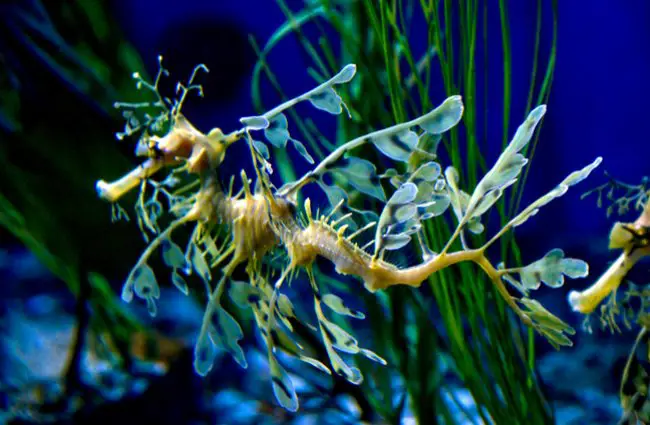
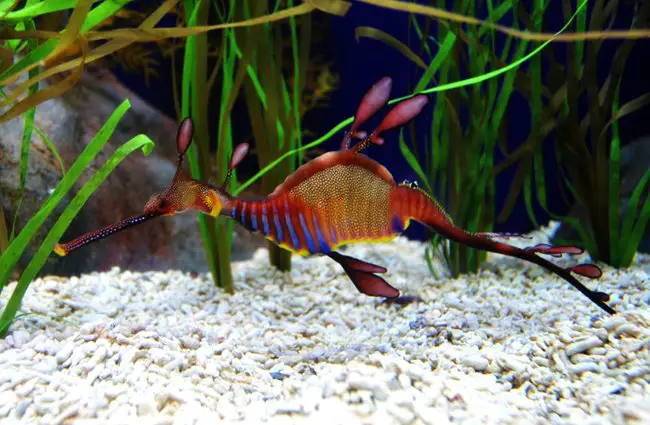
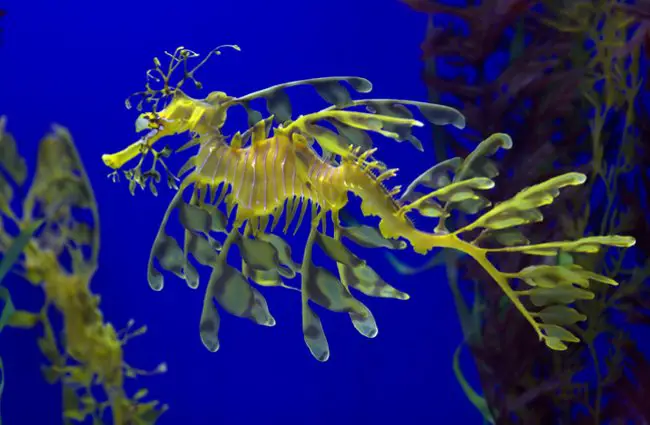
The term “Sea Dragon” conjures images of ancient legends, but in the realm of marine biology, it refers to a group of fish renowned for their elaborate, leaf-like appendages and masterful camouflage. These aren’t your typical fish; they are close relatives of seahorses and pipefishes, belonging to the family Syngnathidae. There are primarily two well-known species that capture our imagination: the Common or Weedy Sea Dragon (Phyllopteryx taeniolatus) and the more ornate Leafy Sea Dragon (Phycodurus eques). Both are celebrated for their stunning appearance and elusive nature.
These creatures are not only beautiful but also fascinating subjects for study, offering insights into adaptation, evolution, and the delicate balance of marine ecosystems. Their very existence is a testament to the incredible diversity of life on Earth.
A Masterpiece of Disguise: Appearance and Anatomy
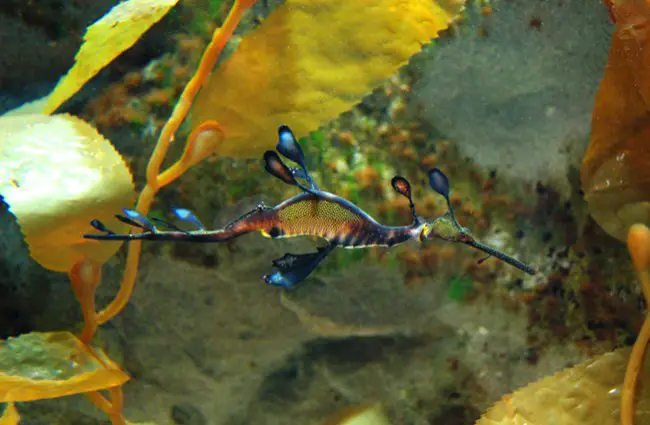
Imagine a creature that blends so seamlessly with its surroundings that it practically disappears. That’s the Sea Dragon. Their most striking feature is their body, adorned with leaf-like appendages that are not fins but extensions of their skin, designed to mimic the seaweed and kelp in their habitat. The Leafy Sea Dragon takes this camouflage to an extreme, with numerous frilly, leaf-like growths covering its entire body, making it almost indistinguishable from floating vegetation.
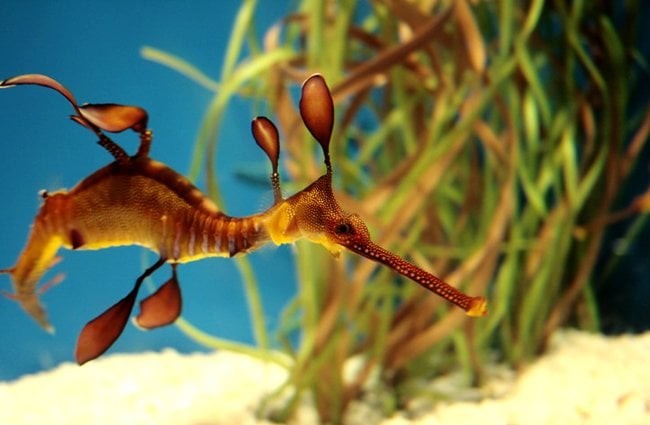
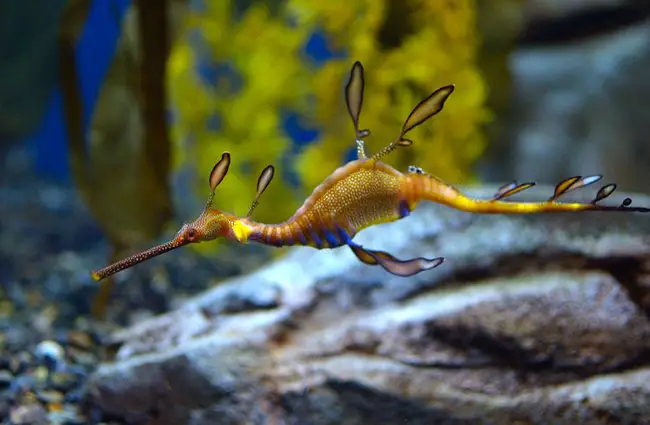
The Weedy Sea Dragon, while less frilly, still possesses impressive weed-like projections that help it vanish into kelp forests. Both species typically grow to about 30-45 centimeters (12-18 inches) in length. Their coloration varies from yellow to green to brown, often with intricate patterns, allowing them to match the specific hues of their local environment. They possess small, tubular mouths, perfectly adapted for their specialized diet, and tiny, almost transparent fins that propel them with an elegant, almost ethereal grace.
Where the Dragons Roam: Habitat and Distribution
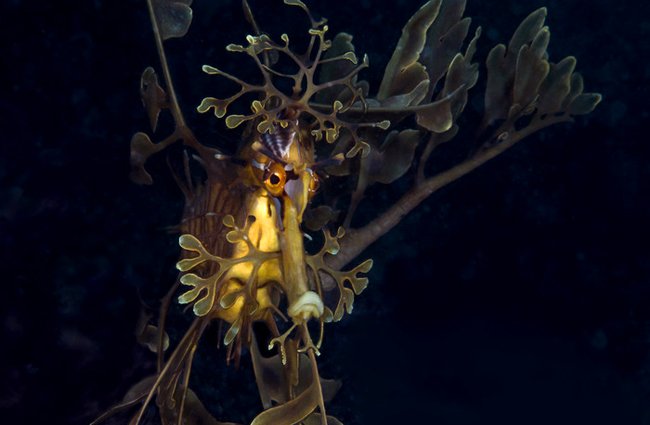
For those dreaming of encountering a Sea Dragon in the wild, their quest will lead you to the temperate coastal waters of southern Australia. These magnificent fish are endemic to this region, meaning they are found nowhere else on Earth naturally. Their preferred habitats are shallow, rocky reefs, kelp forests, and seagrass beds, typically at depths ranging from 3 to 50 meters (10 to 164 feet). They thrive in areas with abundant marine vegetation, which provides both camouflage and a rich hunting ground.
Specific locations where divers and snorkelers might spot them include the waters off South Australia, Victoria, Tasmania, and the southern coast of Western Australia. They are often found clinging to or drifting amongst the very plants they mimic, making them a true challenge to spot even for experienced observers. Patience and a keen eye are essential when searching for these masters of disguise.
The Dragon’s Feast: Diet and Hunting Strategies
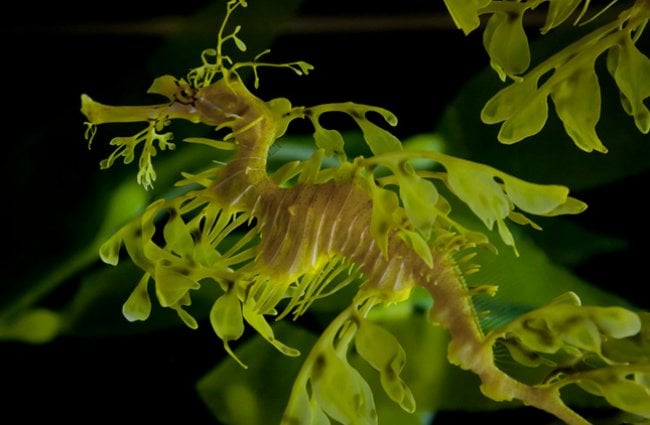
Despite their elaborate appearance, Sea Dragons are carnivores with a specialized diet. Their primary food source consists of tiny crustaceans, particularly mysid shrimp, often referred to as “sea lice.” They also consume other small zooplankton and larval fish. Their hunting technique is a marvel of stealth and precision. With their incredible camouflage, they drift almost imperceptibly through the water, appearing as just another piece of floating seaweed.
When an unsuspecting mysid shrimp drifts within range, the Sea Dragon employs a rapid, suction-feeding mechanism. They quickly open their small, pipe-like mouth, creating a vacuum that sucks the prey directly into their digestive system. This method is incredibly efficient and requires minimal energy expenditure, perfectly suited to their slow, deliberate movements. Their diet plays a crucial role in the local food web, helping to control populations of these small invertebrates.
A Dance of Life: Mating and Reproduction
The reproductive cycle of Sea Dragons is one of the most fascinating aspects of their biology, sharing a unique trait with their seahorse relatives: male pregnancy. The courtship ritual can be an elaborate affair, involving synchronized swimming and displays of color. Once a pair has bonded, the female produces up to 250 bright pink, pea-sized eggs.
Instead of carrying the eggs herself, the female transfers them to a specialized brood patch located on the underside of the male’s tail. This patch is soft and spongy, rich in blood vessels, providing oxygen and nutrients to the developing embryos. The male then carries and protects these eggs for approximately four to eight weeks, depending on the species and water temperature. During this incubation period, the male is particularly vulnerable, as his mobility is somewhat restricted, and he must remain vigilant against predators.
When the young Sea Dragons are ready to hatch, they emerge as miniature versions of their parents, fully independent and equipped with their camouflage from birth. They are immediately capable of feeding on tiny plankton. This unique reproductive strategy highlights a remarkable evolutionary adaptation for parental care in the marine environment.
The Dragon’s Role: Ecosystem Contribution and Interactions
Sea Dragons, while not apex predators, play a vital role in their temperate reef ecosystems. As specialized predators of small crustaceans, they help regulate the populations of these invertebrates, contributing to the overall health and balance of the seagrass beds and kelp forests they inhabit. Their presence indicates a healthy and thriving marine environment, rich in the small organisms that form the base of many food chains.
Their primary interaction with other animals is through their predator-prey relationships. While they hunt mysid shrimp, they themselves can fall prey to larger fish or marine birds, although their exceptional camouflage makes them incredibly difficult to spot. This camouflage is their primary defense mechanism, allowing them to avoid detection rather than relying on speed or aggression. They are generally solitary creatures, interacting mainly during mating season.
Evolutionary Journey: Tracing the Dragon’s Lineage
The evolutionary history of Sea Dragons is deeply intertwined with that of seahorses and pipefishes. All belong to the order Syngnathiformes, characterized by their elongated bodies, small mouths, and fused jaws. It is believed that Sea Dragons evolved from a pipefish-like ancestor, gradually developing their elaborate leaf-like appendages as an adaptation to their specific habitats.
The development of these intricate dermal flaps is a prime example of convergent evolution, where unrelated species develop similar traits to adapt to similar environmental pressures. In the Sea Dragon’s case, the pressure was the need for superior camouflage in dense marine vegetation. Genetic studies continue to refine our understanding of their phylogenetic relationships, revealing the subtle divergences that led to the distinct species we observe today. Their unique morphology is a testament to millions of years of natural selection shaping them into the perfect mimics of their underwater world.
Dragons and Humanity: Culture, Conservation, and Coexistence
Sea Dragons hold a special place in human culture, particularly in Australia. Their unique beauty has made them symbols of marine biodiversity and conservation. The Leafy Sea Dragon, for instance, is the marine emblem of the state of South Australia, reflecting its iconic status. They are popular subjects for underwater photographers and divers, drawing considerable tourism to the regions where they reside.
However, their beauty also makes them vulnerable. Both the Leafy and Weedy Sea Dragons are protected species throughout Australia, primarily due to habitat degradation, pollution, and illegal collection for the aquarium trade. Conservation efforts focus on protecting their critical habitats, regulating human activities in their range, and raising public awareness about their plight. For divers and snorkelers encountering a Sea Dragon, the best practice is to observe from a respectful distance, avoid touching, and never attempt to capture them. Their survival depends on our responsible interaction and dedicated conservation.
Caring for Captive Dragons: A Zookeeper’s Guide
Keeping Sea Dragons in captivity is a challenging but rewarding endeavor, typically reserved for experienced aquarists and public aquariums. Zookeepers caring for these delicate creatures must adhere to stringent protocols to ensure their well-being.
- Habitat Requirements:
- Tank Size: Large tanks, often hundreds of gallons, are necessary to provide ample swimming space and stable conditions.
- Water Quality: Pristine water parameters are paramount. This includes stable temperature (typically 18-22°C or 64-72°F), salinity, pH, and zero ammonia/nitrite. Robust filtration systems are essential.
- Flow: Gentle water movement is preferred, mimicking their natural, calm coastal environments.
- Decor: Abundant live kelp, seagrass, and artificial plant structures are crucial for camouflage and security.
- Diet:
- Live food is essential. Captive Sea Dragons primarily feed on live mysid shrimp, enriched brine shrimp, and sometimes small ghost shrimp.
- Feeding must be frequent and consistent, as they are slow feeders.
- Health Monitoring:
- Daily observation for signs of stress, disease, or injury is critical. This includes changes in color, behavior, appetite, or the appearance of their delicate appendages.
- Regular water testing and preventative care are key.
- Avoidances:
- Stress: Avoid sudden changes in environment, aggressive tank mates, or excessive handling.
- Incompatible Tank Mates: Only peaceful, slow-moving fish that do not compete for food or harass the Sea Dragons should be housed with them.
- Poor Water Quality: This is the most common cause of health issues in captive Sea Dragons.
- Rough Handling: Their delicate appendages can be easily damaged.
Breeding Sea Dragons in captivity is extremely rare and a significant achievement, requiring specialized facilities and expertise.
Fascinating Facts About Sea Dragons
Here’s a collection of intriguing tidbits that further illuminate the wonder of Sea Dragons:
- Slow and Steady: Sea Dragons are notoriously slow swimmers, relying almost entirely on their camouflage for protection rather than speed. Their small, nearly transparent dorsal and pectoral fins undulate rapidly to provide propulsion.
- Male Pregnancy: As mentioned, the males carry the eggs, a rare trait in the animal kingdom shared with seahorses and pipefishes.
- No Prehensile Tail: Unlike seahorses, Sea Dragons do not possess a prehensile tail, meaning they cannot grasp onto seagrass or kelp. They drift freely or hold onto vegetation with their bodies.
- Protected Status: Both Leafy and Weedy Sea Dragons are legally protected species in Australia, making it illegal to collect or harm them.
- Unique Appendages: The “leaves” on their bodies are not used for propulsion; they are purely for camouflage. Their actual fins are almost invisible.
- Solitary Nature: Outside of mating season, Sea Dragons are generally solitary creatures, preferring to blend into their environment alone.
- Long Lifespan: In the wild, Sea Dragons can live for 6 to 10 years, a relatively long lifespan for a fish of their size.
- Indicator Species: Their presence is often an indicator of healthy, thriving temperate marine ecosystems.
Conclusion: Guardians of the Kelp Forest
From their breathtaking camouflage to their unique reproductive strategies, Sea Dragons are truly extraordinary creatures that embody the magic and mystery of our oceans. They are not merely fish; they are living sculptures, evolutionary marvels, and vital components of Australia’s temperate marine ecosystems. Understanding and appreciating these magnificent animals is the first step towards ensuring their survival.
Whether you are a student embarking on a research paper, an animal lover dreaming of a wild encounter, an aspiring zoologist seeking deeper knowledge, or a dedicated zookeeper, the world of the Sea Dragon offers endless fascination. Let us all become advocates for these gentle giants of the kelp forest, ensuring that future generations can continue to marvel at their ethereal beauty.
![Closeup of a beautiful Red Angus cowPhoto by: U.S. Department of Agriculture [pubic domain]https://creativecommons.org/licenses/by/2.0/](https://animals.net/wp-content/uploads/2020/03/Red-Angus-4-238x178.jpg "Red Angus")
![Closeup of a beautiful Red Angus cowPhoto by: U.S. Department of Agriculture [pubic domain]https://creativecommons.org/licenses/by/2.0/](https://animals.net/wp-content/uploads/2020/03/Red-Angus-4-100x75.jpg "Red Angus")