Deep in the heart of deserts, rainforests, and even your backyard, lurks an ancient predator that has captivated human imagination for millennia: the scorpion. Often misunderstood and sometimes feared, these fascinating arachnids are survivors, boasting a lineage stretching back hundreds of millions of years. Far from being mere stinging machines, scorpions are intricate creatures with complex behaviors, vital ecological roles, and a surprising array of adaptations that allow them to thrive in some of the planet’s most extreme environments. Join us on a journey to uncover the true nature of the scorpion, from its evolutionary past to its intricate present, and learn why these eight-legged wonders deserve our respect and understanding.
What Exactly is a Scorpion?
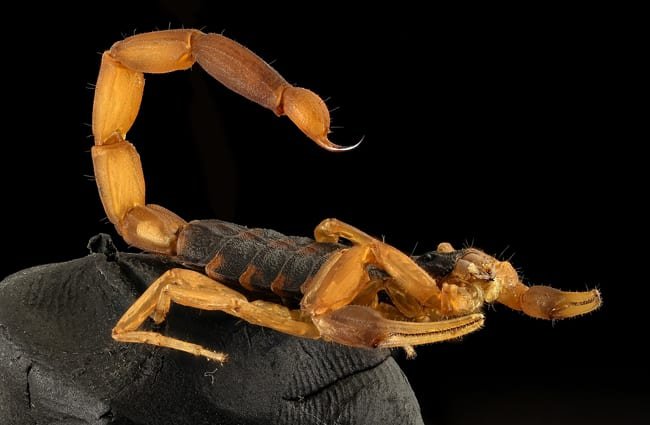
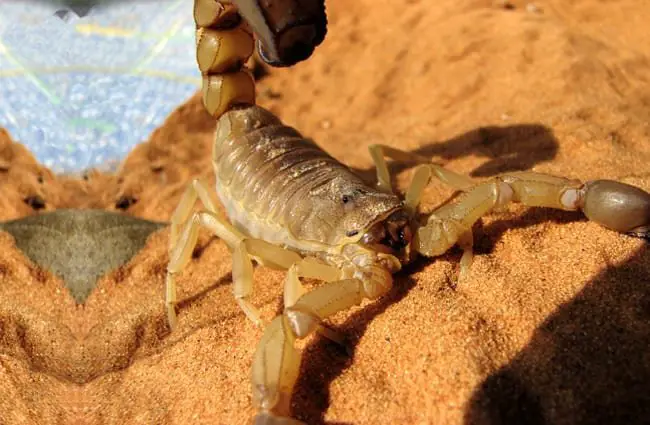
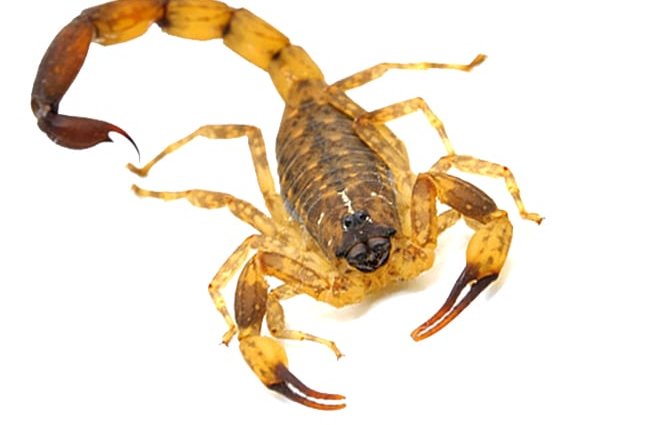
Scorpions are not insects; they belong to the class Arachnida, making them relatives of spiders, mites, and ticks. Characterized by their segmented bodies, eight legs, formidable pincers (pedipalps), and a distinctive, venomous tail (metasoma ending in a telson), scorpions are instantly recognizable. There are over 2,500 known species of scorpions worldwide, ranging in size from less than a centimeter to over 20 centimeters long, each uniquely adapted to its specific niche.
Where and How to Find Scorpions in the Wild
For the aspiring animal lover or zoologist hoping to observe scorpions in their natural habitat, understanding their preferred environments and behaviors is key. Scorpions are remarkably widespread, inhabiting every continent except Antarctica. Their habitats are incredibly diverse, ranging from arid deserts and semi-arid scrublands to tropical rainforests, grasslands, and even temperate forests. They are often found in microhabitats that offer shelter and moisture.
- Preferred Habitats:
- Deserts: Many species are iconic desert dwellers, burrowing into sand or hiding under rocks to escape extreme temperatures.
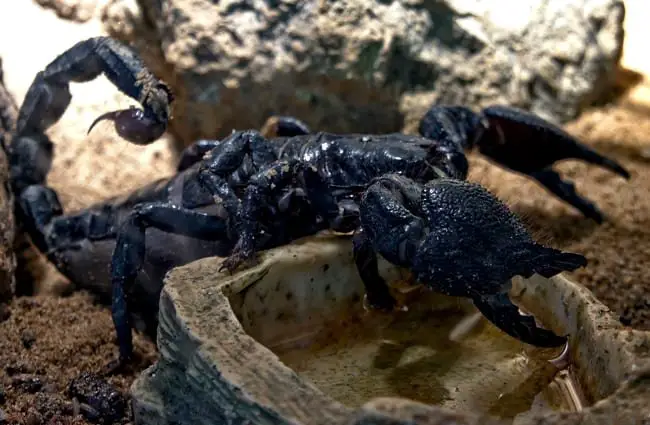
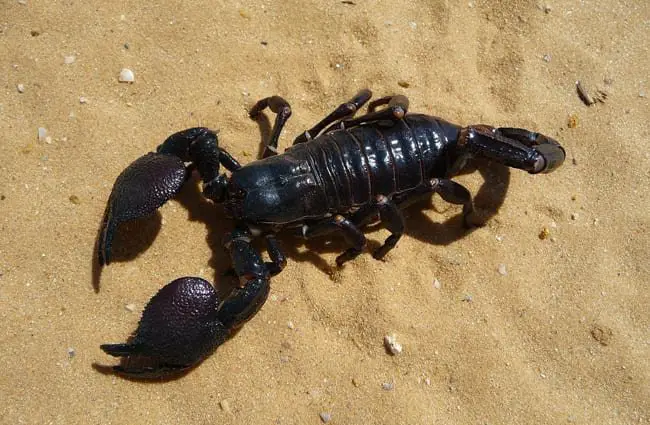
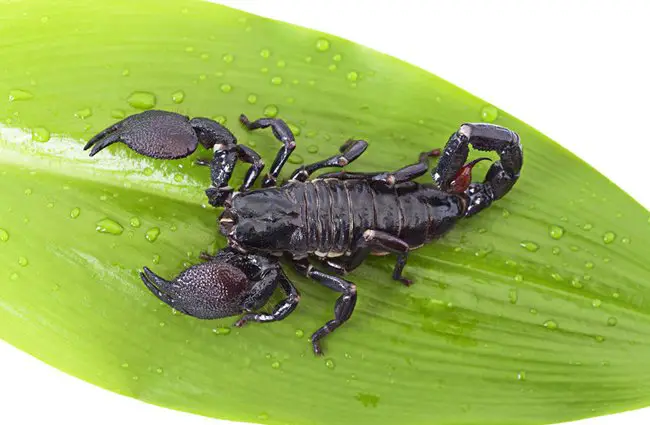
- Forests: Some species, like the Emperor Scorpion, thrive in humid forest environments, often found under logs, leaf litter, or loose bark.
- Grasslands & Shrublands: These areas provide ample cover and prey.
- Urban & Suburban Areas: Scorpions can adapt to human-modified landscapes, often seeking shelter in cracks, crevices, woodpiles, or even inside homes.
- When and How to Look:
- Nocturnal Nature: Scorpions are primarily nocturnal, meaning they are most active at night when temperatures are cooler and prey is abundant. This is the best time to spot them.
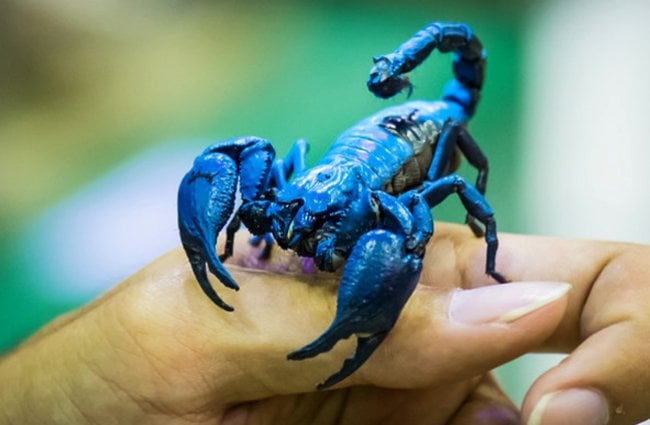
- UV Light: A fascinating characteristic of scorpions is their ability to fluoresce under ultraviolet (UV) light, glowing an eerie blue-green. This makes them surprisingly easy to spot in the dark with a blacklight.
- Where to Search: During the day, scorpions hide to conserve moisture and avoid predators. Look under rocks, logs, fallen bark, leaf litter, discarded items, and in crevices. Always exercise caution when turning over objects.
Encountering a Scorpion: What to Do
For hikers and outdoor enthusiasts, encountering a scorpion is a possibility, especially in warmer climates. While most scorpion stings are comparable to a bee sting, some species possess venom that can be medically significant. Knowing how to react is crucial.
- Stay Calm: Scorpions are not aggressive and will only sting if they feel threatened or are accidentally disturbed.
- Observe from a Distance: Admire the creature from a safe distance. Do not attempt to touch, pick up, or provoke it.
- Check Your Surroundings: Before sitting down, reaching into dark spaces, or putting on shoes, especially in areas known for scorpions, give a quick check. Shake out shoes and clothing left outdoors.
- If Stung:
- Clean the wound with soap and water.
- Apply a cool compress to reduce swelling and pain.
- Over-the-counter pain relievers can help with discomfort.
- Monitor for symptoms. Seek immediate medical attention if symptoms worsen, especially if experiencing difficulty breathing, muscle twitching, or widespread swelling, or if the sting victim is a child or elderly person.
The Ancient Lineage: Scorpion Evolution History
Scorpions are living fossils, with an evolutionary history that predates dinosaurs. Their journey began in the Silurian period, over 430 million years ago, making them among the oldest known terrestrial arthropods. Early scorpions were aquatic, breathing through gills, and likely resembled their modern horseshoe crab relatives. Over millions of years, they gradually adapted to land, developing book lungs for air breathing and evolving the iconic body plan we recognize today. This incredible longevity speaks to their remarkable adaptability and successful predatory strategies, allowing them to survive countless environmental changes and mass extinctions.
Anatomy: A Masterpiece of Adaptation
The scorpion’s body is a marvel of evolutionary engineering, perfectly designed for survival and predation.
- Cephalothorax: The fused head and thorax region, housing the eyes (typically a pair of median eyes and several lateral eyes), mouthparts, and the powerful pedipalps.
- Pedipalps: These are the large, claw-like appendages (chelae) used for grasping prey, defense, and courtship. Their size and strength vary greatly between species.
- Chelicerae: Small, pincer-like mouthparts located near the mouth, used for tearing and chewing food.
- Prosoma: The anterior part of the body, comprising the cephalothorax and its appendages.
- Mesosoma: The seven-segmented abdomen, containing the digestive and reproductive organs.
- Metasoma: The distinctive “tail,” composed of five segments, ending in the telson.
- Telson: The final segment of the metasoma, containing the venom glands and the sharp, curved aculeus (stinger).
- Pectines: Unique comb-like sensory organs located on the underside of the mesosoma. These chemosensory and mechanosensory structures are crucial for detecting pheromones, sensing vibrations, and navigating their environment.
- Exoskeleton: A tough, chitinous outer shell that provides protection and prevents desiccation. Scorpions must molt (shed their exoskeleton) several times as they grow.
- Bioluminescence: Perhaps one of the most intriguing features, scorpions glow under UV light. The exact biological purpose of this fluorescence is still debated, but theories include UV detection, camouflage, or even a warning signal.
A Hunter’s Life: Scorpion’s Diet and Predation
Scorpions are formidable predators, playing a crucial role in their ecosystems by controlling insect populations. Their diet primarily consists of other invertebrates, but larger species can tackle small vertebrates.
- Primary Diet:
- Insects: Crickets, grasshoppers, beetles, cockroaches.
- Spiders and other arachnids.
- Centipedes.
- Opportunistic Hunters: Larger scorpions may prey on small lizards, snakes, mice, or even other scorpions.
- Hunting Strategy: Scorpions are ambush predators. They typically wait patiently for prey to come within striking distance. Once detected, they quickly grab the prey with their pedipalps. If the prey is small and easily subdued, they will immediately begin to tear it apart with their chelicerae. For larger or more struggling prey, they will arch their tail over their body and deliver a venomous sting to immobilize it.
- Digestion: Scorpions cannot ingest solid food. They regurgitate digestive fluids onto their prey, breaking down the tissues externally, and then suck up the liquefied meal.
The Dance of Life: Scorpion’s Mating and Reproduction Process
Scorpion reproduction is a fascinating and complex affair, involving an elaborate courtship ritual and live birth.
- Courtship (Promenade à Deux):
- The male initiates courtship by locating a female, often using pheromones.
- He grasps her pedipalps with his own, engaging in a “dance” known as the “promenade à deux” (walk for two).
- During this dance, which can last for hours, the male guides the female over a suitable substrate, often a flat rock or cleared patch of ground.
- The male deposits a spermatophore (a packet of sperm) onto the substrate.
- He then maneuvers the female over the spermatophore, allowing her genital opercula to open and pick up the sperm packet, thus fertilizing her eggs internally.
- Gestation: Gestation periods vary widely among species, ranging from several months to over a year.
- Live Birth (Viviparous): Unlike most arachnids that lay eggs, scorpions are viviparous, meaning they give birth to live young. The young, called “scorplings,” are born one by one.
- Maternal Care: After birth, the scorplings immediately climb onto their mother’s back, where they remain for their first molt. This maternal care protects them from predators and provides a safe environment as they develop their hardened exoskeletons. The mother does not feed the scorplings during this period; they rely on residual yolk sacs.
- Independence: Once they have molted (usually once or twice), the scorplings disperse and begin their independent lives.
Scorpions in the Ecosystem: Contribution and Interaction with Other Animals
Scorpions are integral components of their respective ecosystems, acting as both predators and prey.
- Predators: By preying on a wide range of insects and other small invertebrates, scorpions help regulate populations of these animals, preventing overgrazing or pest outbreaks. This makes them natural pest controllers in many environments.
- Prey: Despite their venomous sting, scorpions are not at the top of every food chain. They serve as a food source for various animals, including:
- Decomposers (Indirectly): By consuming insects, they indirectly contribute to the decomposition cycle by influencing the populations of primary decomposers.
- Soil Aeration: Burrowing species contribute to soil aeration and turnover, which can benefit plant growth.
Scorpions and Us: A Complex Relationship
Human interaction with scorpions is multifaceted, ranging from fear and medical concern to cultural reverence and scientific interest.
- Medical Significance of Stings:
- While most scorpion stings are relatively harmless, causing localized pain, swelling, and numbness, a small number of species possess potent neurotoxic venom.
- Species like the Arizona bark scorpion (Centruroides sculpturatus) in North America or scorpions from the genus Androctonus and Leiurus in Africa and the Middle East can deliver stings that are medically significant, potentially causing severe pain, muscle spasms, respiratory distress, and in rare cases, death, especially in children or individuals with compromised health.
- Antivenom exists for the most dangerous species, and prompt medical attention is crucial for severe stings.
- Contribution to Human Culture:
- Symbolism: Scorpions have been powerful symbols across cultures. They represent danger, death, protection, sexuality, and even healing.
- Astrology: Scorpio is a zodiac sign, associated with intensity, passion, and transformation.
- Mythology & Folklore: Ancient Egyptians associated scorpions with the goddess Serket, who could both sting and heal. In some African cultures, scorpions are seen as guardians.
- Art & Jewelry: Their distinctive shape has inspired countless artistic representations.
- Medicine: Historically, scorpion venom has been used in traditional medicine, and modern research is exploring its potential for novel drugs, including pain relievers and anti-cancer agents.
- Scorpions as Pets: Certain species, particularly the large, docile Emperor Scorpion (Pandinus imperator), are popular exotic pets. Their relatively easy care requirements and impressive appearance make them appealing to enthusiasts.
Caring for a Scorpion: A Zookeeper’s Guide
For zookeepers or dedicated hobbyists, providing optimal care for captive scorpions requires attention to detail, mimicking their natural environment as closely as possible.
- Enclosure:
- A secure, escape-proof enclosure is paramount. Glass aquariums with tight-fitting lids are ideal.
- Size depends on the species; a 5-10 gallon tank is often sufficient for a single adult.
- Provide ample ventilation.
- Substrate:
- Desert Species: A deep layer (4-6 inches) of sand, coco fiber, or a sand/soil mix that allows for burrowing.
- Forest Species: A deep layer of coco fiber, peat moss, or organic topsoil that retains humidity.
- Hides: Essential for security and stress reduction. Provide cork bark, ceramic caves, half-logs, or flat rocks under which the scorpion can hide during the day.
- Temperature & Humidity:
- Temperature: Varies by species, but generally 70-90°F (21-32°C). Use a heat mat under one side of the tank or a low-wattage heat lamp. Always provide a temperature gradient.
- Humidity: Crucial for forest species (70-80%) and less so for desert species (30-50%). Misting the enclosure or providing a shallow water dish with a sponge can help maintain humidity.
- Water: A shallow, stable water dish should always be available. Ensure it’s not deep enough for the scorpion to drown.
- Diet:
- Live insects are preferred: Crickets, roaches, mealworms.
- Feed 1-2 times per week, offering prey items slightly smaller than the scorpion’s body.
- Remove uneaten prey after 24 hours to prevent mold or injury to the scorpion.
- Handling:
- Avoid Direct Handling: Scorpions are not pets to be handled. Their sting is a defense mechanism.
- Use Tools: If relocation is necessary, use long forceps or a soft brush to gently guide them into a container.
- Molting: During molting, scorpions are vulnerable. Ensure high humidity for forest species to aid shedding. Do not disturb a molting scorpion.
- What to Avoid:
- Cohabitation of multiple scorpions (unless specifically known to be communal and with ample space).
- Overfeeding or underfeeding.
- Sudden temperature fluctuations.
- Handling without proper safety precautions.
- Using pesticides or harsh chemicals near the enclosure.
A Huge List of Interesting Scorpion Facts
Beyond their basic biology, scorpions hold many surprising secrets:
- Ancient Ancestry: Scorpions are among the oldest known terrestrial arthropods, with fossils dating back over 430 million years.
- UV Glow: All scorpions fluoresce under ultraviolet (UV) light, glowing an eerie blue-green. This phenomenon is due to chemicals in their exoskeleton.
- Long Lifespan: Some species can live for 6-8 years in the wild, and even longer in captivity (e.g., Emperor Scorpions can live up to 20 years).
- Exceptional Survivalists: They can survive extreme conditions, including radiation, and some can even hold their breath for up to six days underwater.
- Slow Metabolism: Many scorpions have a very slow metabolism, allowing them to survive for months without food.
- Maternal Care: Mothers carry their young (scorplings) on their backs until they undergo their first molt, offering protection.
- Cannibalism: In some species, especially under stressful conditions or lack of food, cannibalism can occur.
- Venom Diversity: Scorpion venom is a complex cocktail of neurotoxins, enzymes, and other compounds, highly specific to their prey and varying greatly in potency between species.
- Pectines: These unique comb-like structures on their underside are sensory organs, used to detect ground vibrations, pheromones, and the texture of the substrate.
- Burrowing Masters: Many species are expert burrowers, creating intricate tunnels to escape heat and predators.
- Size Doesn’t Equal Danger: The largest scorpions, like the Emperor Scorpion, often have relatively mild venom, while smaller species, such as the Arizona Bark Scorpion, can be highly venomous. Generally, species with large, robust pincers tend to have weaker venom, relying more on crushing prey. Those with slender pincers and thick tails often have more potent venom, relying on the sting to subdue prey.
- Global Distribution: They are found on every continent except Antarctica, adapting to a vast array of climates.
Conclusion: Respecting the Ancient Hunter
From their ancient origins to their vital roles in modern ecosystems, scorpions are truly remarkable creatures. They embody resilience, adaptation, and the intricate balance of nature. While their venomous sting commands respect, a deeper understanding reveals a fascinating world of complex behaviors, unique adaptations, and significant ecological contributions. Whether you are a student researching their history, an animal lover seeking them in the wild, an aspiring zoologist delving into their biology, a hiker navigating their territory, or a zookeeper ensuring their well-being, the scorpion offers endless opportunities for learning and appreciation. By fostering knowledge and respect for these ancient hunters, we can better coexist with them and ensure their continued survival in the diverse habitats they call home.
![Closeup of a beautiful Red Angus cowPhoto by: U.S. Department of Agriculture [pubic domain]https://creativecommons.org/licenses/by/2.0/](https://animals.net/wp-content/uploads/2020/03/Red-Angus-4-100x75.jpg "Red Angus")