
Among the most ancient and majestic birds gracing the skies and wetlands of North America, the Sandhill Crane stands as a testament to enduring natural beauty and ecological resilience. With its distinctive call, graceful dance, and impressive migratory journeys, this avian marvel captures the imagination of birdwatchers, scientists, and casual observers alike. Delving into the world of the Sandhill Crane reveals a creature of remarkable adaptability, complex social structures, and a deep connection to the landscapes it inhabits.
From its prehistoric lineage to its vital role in modern ecosystems, the Sandhill Crane offers a captivating study for anyone interested in the natural world. This comprehensive guide explores every facet of its existence, providing insights for researchers, enthusiasts, and those simply curious about encountering one of nature’s true spectacles.
Meet the Sandhill Crane: An Overview
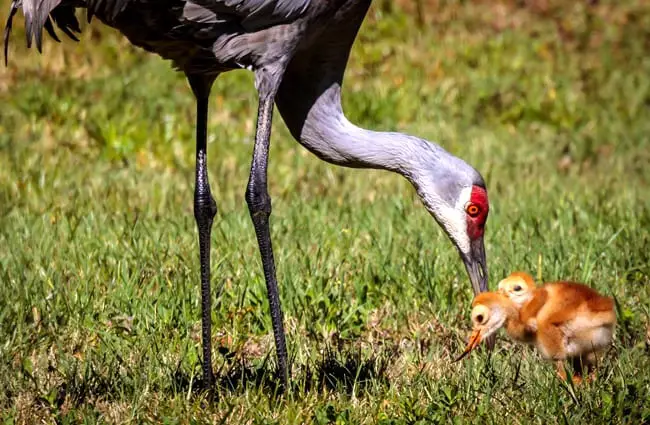
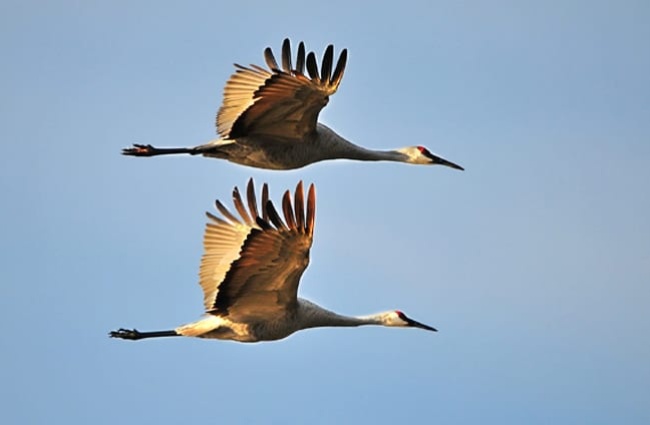
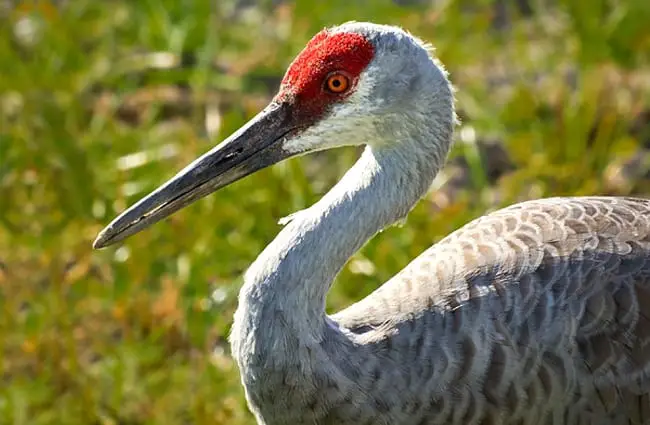
The Sandhill Crane (Antigone canadensis) is a large, long-legged, and long-necked bird, instantly recognizable by its striking appearance and often heard before it is seen. These magnificent birds are known for their impressive size, standing typically between 3 to 4 feet tall with a wingspan that can reach up to 6.5 feet. Their plumage is generally a muted gray, often stained with rust or brown coloration from iron oxides in the wetlands where they forage and preen. A distinctive feature is the patch of bare, reddish skin on the crown of their head, which becomes more vibrant during breeding season.
Sandhill Cranes are highly social birds, often seen in large flocks, particularly during migration and wintering periods. Their vocalizations are a defining characteristic, a loud, rattling, trumpeting call that can carry for miles, produced by their unusually long trachea that coils into their sternum. This unique anatomical feature amplifies their calls, allowing them to communicate across vast distances.
Physical Characteristics and Subspecies
While all Sandhill Cranes share common traits, there are six recognized subspecies, three migratory and three non-migratory. These subspecies vary slightly in size and geographical distribution:
- Lesser Sandhill Crane (A. c. canadensis): The smallest and most numerous, breeding in the Arctic and subarctic.
- Greater Sandhill Crane (A. c. tabida): The largest, breeding across the northern United States and southern Canada.
- Canadian Sandhill Crane (A. c. rowani): Intermediate in size, found in central Canada.
- Florida Sandhill Crane (A. c. pratensis): A non-migratory resident of Florida and southeastern Georgia.
- Mississippi Sandhill Crane (A. c. pulla): A critically endangered non-migratory subspecies found only in Mississippi.
- Cuban Sandhill Crane (A. c. nesiotes): A non-migratory resident of Cuba, also endangered.
Where the Cranes Roam: Habitat and Distribution
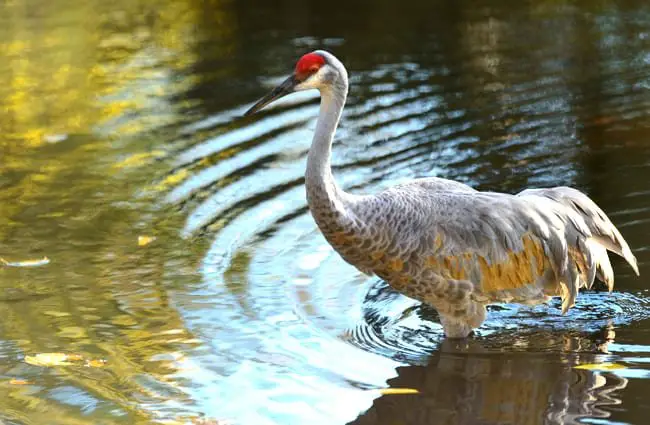
Sandhill Cranes are incredibly adaptable, inhabiting a wide range of open wetland and grassland environments across North America. Their preferred habitats include:
- Wetlands: Marshes, bogs, fens, wet meadows, and shallow freshwater ponds are crucial for nesting and foraging.
- Agricultural Fields: Especially during migration and winter, they frequent cornfields, wheat fields, and other cultivated lands to feed on waste grain.
- Grasslands and Prairies: Open areas provide foraging opportunities and clear sightlines for predator detection.
- Tundra and Taiga: The Lesser Sandhill Cranes breed in the vast, open landscapes of the Arctic and subarctic.
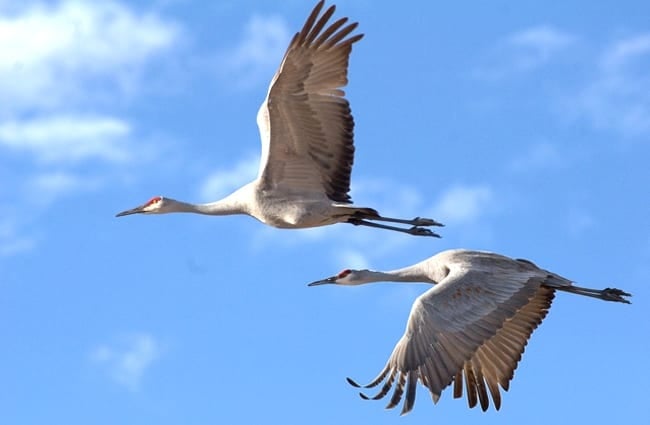
Their distribution spans from the Arctic regions of Canada and Alaska, south through the United States, and into parts of Mexico and Cuba. Migratory populations undertake epic journeys, traveling thousands of miles between their northern breeding grounds and southern wintering areas. Key migratory flyways include the Central, Pacific, and Mississippi Flyways, with immense concentrations gathering at staging areas like Nebraska’s Platte River each spring.
Finding Sandhill Cranes in the Wild
For the aspiring birdwatcher or animal lover, encountering Sandhill Cranes in their natural habitat is an unforgettable experience. Here is how and where to find them:
- Timing is Key: The best times are during spring and fall migration, when large flocks congregate. Spring migration (February to April) and fall migration (September to November) offer spectacular viewing opportunities.
- Location, Location, Location:
- Platte River, Nebraska: The undisputed capital for Sandhill Crane viewing, especially in March, when hundreds of thousands gather.
- Bosque del Apache National Wildlife Refuge, New Mexico: A major wintering ground.
- Jasper-Pulaski Fish and Wildlife Area, Indiana: A significant staging area in the Midwest.
- Florida: Non-migratory populations can be found year-round in wetlands and open fields across the state.
- Listen for Their Calls: Their distinctive, rattling bugle call is often the first sign of their presence.
- Look for Open Spaces: Scan wetlands, agricultural fields, and open grasslands, particularly at dawn and dusk when they are most active.
- Be Patient and Respectful: Observe from a distance using binoculars or a spotting scope. Avoid sudden movements or loud noises that could disturb them.
What’s on the Menu? Sandhill Crane Diet
Sandhill Cranes are opportunistic omnivores, meaning their diet is incredibly varied and depends heavily on seasonal availability and local resources. This adaptability is a key factor in their widespread success. Their long beaks are perfectly suited for probing soft ground and shallow water.
- Plant Matter:
- Grains: Corn, wheat, barley, oats, and other waste grains from agricultural fields form a significant part of their diet, especially during migration and winter.
- Seeds: Various wild seeds, including those from sedges, grasses, and aquatic plants.
- Berries: Small fruits and berries when available.
- Tubers and Rhizomes: They dig for underground plant parts, such as those of sedges and cattails.
- Animal Matter:
- Insects: Grasshoppers, crickets, beetles, and other invertebrates are a staple, particularly during the breeding season.
- Small Vertebrates: Frogs, lizards, snakes, small rodents, and even nestling birds are occasionally consumed.
- Aquatic Life: Snails, crayfish, and other small aquatic invertebrates.
Their diverse diet makes them important seed dispersers and helps control insect populations, contributing to the health of their ecosystems.
The Dance of Life: Mating and Reproduction
The courtship rituals of Sandhill Cranes are among the most spectacular displays in the avian world. These elaborate dances are a joy to behold and play a crucial role in pair bonding.
Courtship and Pair Bonding
- The Crane Dance: Both males and females engage in a captivating dance that involves bowing, jumping, wing flapping, and tossing sticks or grass into the air. This ritual strengthens the pair bond, which typically lasts for life.
- Vocalizations: Unison calls, where both partners call in a synchronized duet, further solidify their bond and announce their territory.
- Monogamy: Sandhill Cranes are generally monogamous, forming strong, long-term pair bonds. If one partner dies, the surviving crane will seek a new mate.
Nesting and Raising Young
- Nesting Season: Breeding typically occurs from March to May, depending on the geographical location.
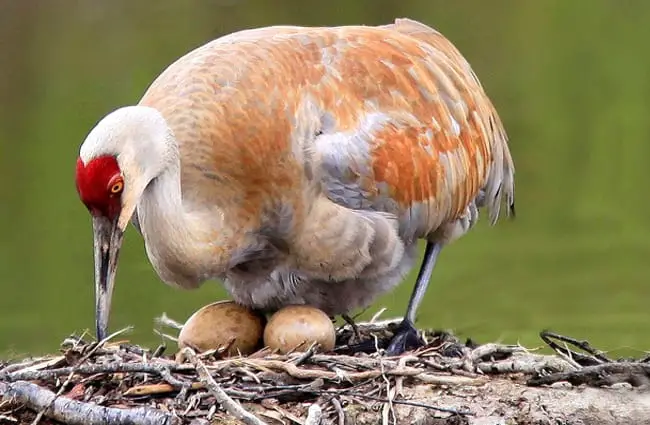
- Nest Construction: Nests are usually large mounds of vegetation (grasses, sedges, cattails) built in shallow water or on dry ground near water. Both parents participate in construction.
- Eggs: Females typically lay 1 to 3, but most commonly 2, olive-brown eggs with darker spots.
- Incubation: Both parents share incubation duties, which last approximately 29 to 32 days.
- Chicks (Colts): Hatchlings, called “colts,” are precocial, meaning they are covered in down and able to walk and leave the nest within hours of hatching.
- Parental Care: Both parents diligently care for the young, feeding and protecting them. Colts remain with their parents for 9 to 10 months, learning essential survival skills, including foraging and migration routes.
- Fledging: Young cranes fledge (take their first flight) at about 65 to 75 days old.
A Legacy in Feathers: Evolution and Ancient History
The Sandhill Crane boasts an incredibly ancient lineage, making it one of the oldest living bird species on Earth. Fossil evidence suggests that cranes have existed for millions of years, with the earliest known crane fossil, Grus cubensis, dating back 2.5 million years. More remarkably, a fossil from the Miocene epoch, approximately 10 million years old, found in Nebraska, is virtually identical to the modern Sandhill Crane. This makes the Sandhill Crane a living fossil, a testament to its successful evolutionary strategy and adaptability over vast geological timescales.
This deep evolutionary history highlights the crane’s enduring design and its ability to thrive through significant environmental changes, including ice ages and shifts in global climate. Their ancient calls echo across landscapes that have witnessed countless transformations, connecting us to a primeval past.
Sandhill Cranes in the Ecosystem and Human Culture
Ecological Contributions and Interactions
Sandhill Cranes are integral components of their ecosystems:
- Seed Dispersers: By consuming various plant seeds, they aid in plant propagation and ecosystem regeneration.
- Pest Control: Their diet of insects and small rodents helps regulate populations of these animals.
- Indicators of Wetland Health: As species dependent on healthy wetlands, their presence and population trends can serve as indicators of environmental quality.
- Prey for Predators: While large, young cranes and eggs can fall prey to raccoons, foxes, coyotes, and large raptors, contributing to the food web.
- Competition: They may compete with other wetland birds for food resources, but their diverse diet often minimizes direct conflict.
Cultural Significance and Human Interaction
Sandhill Cranes hold a special place in human culture, often symbolizing grace, longevity, and vigilance. Their spectacular migrations and elaborate dances have inspired awe for centuries.
- Indigenous Cultures: Many Native American tribes revere cranes, incorporating them into stories, dances, and ceremonies as symbols of wisdom, peace, and the changing seasons.
- Modern Culture: They are popular subjects for wildlife photography, art, and literature. Their annual migrations draw thousands of tourists to viewing sites, contributing to local economies.
- Conservation Efforts: The Mississippi Sandhill Crane, in particular, is a flagship species for wetland conservation, driving efforts to protect and restore critical habitats.
Interactions with Humans: What to Do and What to Avoid
Encountering a Sandhill Crane in the wild is a privilege. Here is how to ensure a positive interaction for both you and the bird:
- Observe from a Distance: Maintain a respectful distance, at least 100 feet (30 meters), to avoid disturbing their natural behavior. Use binoculars for a closer look.
- Stay Quiet and Still: Sudden movements or loud noises can startle cranes, causing them to expend valuable energy flying away.
- Never Feed Wild Cranes: Feeding can habituate them to humans, lead to an unbalanced diet, and make them vulnerable to predators or vehicle collisions. It can also cause aggression.
- Protect Their Habitat: Support wetland conservation and avoid littering.
- If You Encounter a Nest or Chicks: Do not approach. Parental cranes are highly protective and your presence can cause them stress or even lead them to abandon the nest.
- Safety: While generally not aggressive towards humans, a large crane can deliver a powerful peck or kick if it feels threatened, especially when defending young. Always give them space.
Caring for Sandhill Cranes in Captivity: A Zookeeper’s Guide
Caring for Sandhill Cranes in a zoological setting requires a deep understanding of their natural history, behavioral needs, and specific physiological requirements. The goal is to provide an environment that mimics their wild habitat as closely as possible, promoting both physical health and psychological well-being.
Enclosure Design and Enrichment
- Spacious Enclosures: Cranes require large, open enclosures with ample space for walking, foraging, and performing courtship displays. Flight enclosures are ideal for migratory subspecies.
- Water Features: Access to shallow water for wading, bathing, and foraging is essential. This can include ponds, streams, or large wading pools.
- Substrate: A mix of soft earth, grass, and sand allows for natural foraging behaviors and reduces foot problems.
- Vegetation: Native grasses, sedges, and shrubs provide cover, nesting material, and a sense of security.
- Visual Barriers: Strategic placement of plants or structures can reduce stress from constant human presence.
- Enrichment:
- Foraging Opportunities: Hiding food, scattering grain, or providing browse encourages natural foraging behaviors.
- Social Interaction: Cranes are social; housing them in pairs or small flocks (if compatible) is crucial.
- Nesting Materials: Providing ample vegetation for nest building during breeding season.
- Novel Objects: Introducing new, safe objects for investigation and play.
Dietary Management
A balanced diet is paramount for captive Sandhill Cranes:
- Commercial Crane Diet: High-quality, specially formulated crane pellets should form the base of their diet, providing essential vitamins and minerals.
- Supplemental Foods:
- Grains: Whole corn, wheat, and other grains can be offered in moderation.
- Fresh Produce: Chopped fruits and vegetables (e.g., leafy greens, carrots, apples) provide additional nutrients and enrichment.
- Invertebrates: Mealworms, crickets, or other insects can be offered, especially during breeding season to mimic natural protein intake.
- Small Fish/Rodents: Occasionally, small fish or thawed rodents can be provided as a protein source, particularly for breeding pairs.
- Calcium and Vitamin D3: Ensure adequate calcium intake, especially for breeding females, often supplemented through cuttlebone or calcium powder. Access to natural sunlight or full-spectrum lighting is vital for Vitamin D3 synthesis.
- Water: Fresh, clean water must always be available.
Health and Veterinary Care
- Regular Health Checks: Daily observation for changes in behavior, appetite, droppings, or physical condition.
- Preventative Medicine: Regular deworming, vaccinations (if appropriate for the region and facility), and parasite control.
- Foot Care: Monitor feet for lesions or bumblefoot, which can be common in captive birds on improper substrates.
- Wing Clipping/Pinioning: For non-flight enclosures, wing clipping (temporary) or pinioning (permanent) may be necessary for safety and containment, performed by a qualified veterinarian.
- Stress Reduction: Minimize sudden disturbances, loud noises, and changes in routine. Provide hiding spots.
Reproduction in Captivity
- Pair Compatibility: Careful introduction of potential mates is crucial, as not all cranes will bond.
- Nesting Substrate: Provide ample natural materials for nest building.
- Incubation: Allow natural incubation if parents are reliable. Otherwise, artificial incubation may be necessary.
- Chick Rearing: Parent-rearing is preferred. If hand-rearing, use crane puppets to prevent imprinting on humans. Ensure a warm, secure brooder and appropriate chick diet.
What to Avoid in Captive Care
- Isolation: Cranes are social; prolonged isolation can lead to stress and behavioral issues.
- Improper Diet: Diets high in processed foods or lacking essential nutrients can cause health problems.
- Small Enclosures: Restricting movement can lead to muscle atrophy, stress, and aggression.
- Lack of Enrichment: A barren environment leads to boredom and stereotypic behaviors.
- Sudden Changes: Cranes are sensitive to changes in their environment or routine.
- Direct Human Contact: Unless for medical reasons, minimize direct handling to reduce stress and prevent habituation.
A Huge List of Interesting Facts About Sandhill Cranes
- Living Fossils: As mentioned, Sandhill Cranes have existed in their current form for at least 10 million years, making them one of the oldest bird species.
- Impressive Migrators: Some populations travel over 5,000 miles each year between their breeding and wintering grounds.
- High Flyers: During migration, they can fly at altitudes of up to 12,000 feet, sometimes even higher.
- Wind Riders: They often use thermals and updrafts to conserve energy during long flights, soaring gracefully.
- Unique Trachea: Their long trachea coils into the sternum, acting as a resonating chamber to produce their distinctive, loud calls.
- Rust-Stained Feathers: The rusty color on their feathers comes from preening with mud and vegetation rich in iron oxides.
- Lifelong Partners: Sandhill Cranes typically mate for life, reinforcing their bond with elaborate dances.
- “Colts” Not Chicks: Their young are called colts, a term usually reserved for young horses.
- Precocial Young: Colts are able to walk and leave the nest within hours of hatching.
- Parental Dedication: Both parents share incubation duties and care for their young for up to 10 months.
- Omnivorous Diet: They eat a wide variety of foods, from grains and seeds to insects, frogs, and small rodents.
- Social Birds: They often gather in massive flocks, especially during migration, creating breathtaking spectacles.
- Conservation Success Story: While some subspecies are endangered, the overall population of Sandhill Cranes has largely recovered from historical declines, thanks to conservation efforts.
- Wetland Architects: Their foraging and nesting activities can subtly shape wetland environments.
- Vigilant Watchers: Cranes are known for their alertness, often standing tall to scan for predators.
Conclusion: The Enduring Majesty of the Sandhill Crane
The Sandhill Crane is more than just a large bird; it is a symbol of wildness, resilience, and the intricate beauty of our natural world. From its ancient origins to its vital role in contemporary ecosystems, this species offers endless fascination. Whether you are a student researching its biology, an animal lover seeking a glimpse of its majestic dance, an aspiring zoologist delving into its complex life, a hiker encountering one in the wild, or a dedicated zookeeper ensuring its well-being, the Sandhill Crane provides a profound connection to nature.
By understanding and appreciating these magnificent birds, we contribute to their continued survival and ensure that their trumpeting calls will echo across our landscapes for generations to come. Their story is a powerful reminder of the importance of conservation and the wonders that await us when we take the time to observe and learn from the natural world.
![Closeup of a beautiful Red Angus cowPhoto by: U.S. Department of Agriculture [pubic domain]https://creativecommons.org/licenses/by/2.0/](https://animals.net/wp-content/uploads/2020/03/Red-Angus-4-238x178.jpg "Red Angus")
![Closeup of a beautiful Red Angus cowPhoto by: U.S. Department of Agriculture [pubic domain]https://creativecommons.org/licenses/by/2.0/](https://animals.net/wp-content/uploads/2020/03/Red-Angus-4-100x75.jpg "Red Angus")


