
The sambar, a majestic deer found across South and Southeast Asia, is a creature of captivating beauty and ecological importance. Often overlooked in favor of its more famous cousins, the sambar boasts a rich history, complex social behaviors, and a crucial role in maintaining the health of its forest ecosystems. This comprehensive guide delves into the world of the sambar, exploring its biology, behavior, habitat, and interactions with both the environment and humans.
Understanding the Sambar
Physical Characteristics
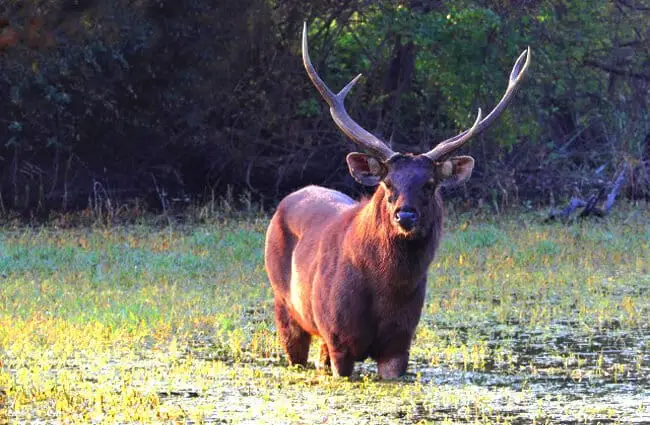
Sambar are large deer, typically standing between 1.0 and 1.5 meters at the shoulder and weighing between 130 and 240 kilograms. Their coat is generally reddish‑brown to grayish‑brown, providing excellent camouflage within the forests they inhabit. Males, known as stags, possess impressive antlers that are typically three‑tined, though variations occur. These antlers are shed annually and regrow, a process driven by hormonal changes and indicative of the stag’s health and maturity. A distinctive feature is the thick, shaggy mane around the neck, particularly prominent in males during the breeding season.
Habitat and Distribution
Sambar are found in a diverse range of habitats, from tropical rainforests and evergreen forests to moist deciduous forests and grasslands. They exhibit a preference for areas with dense undergrowth and access to water sources, such as rivers and swamps. Their distribution spans the Indian subcontinent, Southeast Asia—including Thailand, Malaysia, and Indonesia—and parts of southern China. Sambar are adaptable and can thrive in varied terrains, but their survival depends on the preservation of these forested landscapes.
Behavior and Ecology
Diet and Foraging
Sambar are primarily herbivores, feeding on leaves, grasses, fruits, and occasionally aquatic plants. Their diet varies depending on the season and availability of resources. They are crepuscular feeders, most active during dawn and dusk, which allows them to avoid the heat of the day and reduce encounters with predators. Sambar also wallow in muddy areas, which is thought to help regulate their body temperature and deter insects.
Social Structure and Communication
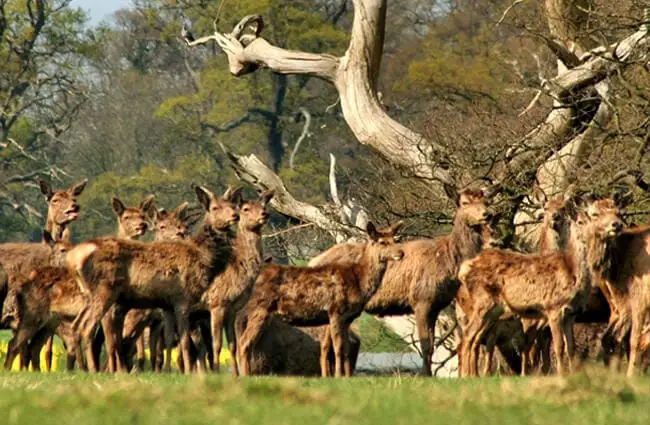
Sambar exhibit a flexible social structure. While often seen alone or in small groups, they can also form larger herds, particularly during the breeding season or in areas with abundant resources. Communication occurs through a variety of methods, including vocalizations, scent marking, and body language. Males use roaring calls during the rut (breeding season) to attract females and challenge rivals. Scent marking, achieved through rubbing antlers on trees and depositing urine and feces, plays a crucial role in establishing territory and communicating information to other sambar.
Reproduction and Life Cycle
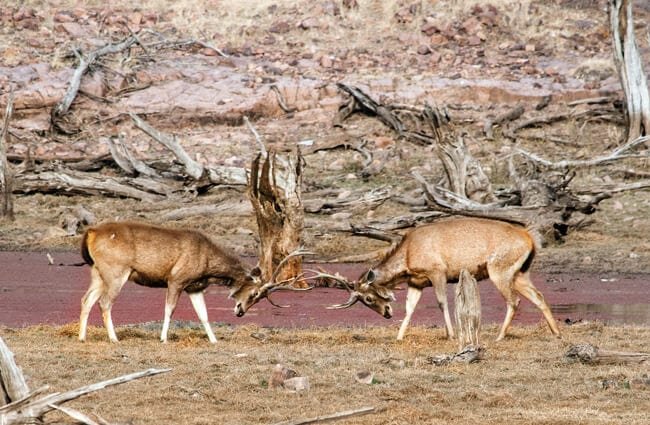
The breeding season, or rut, typically occurs between February and April. Males compete for access to females through displays of strength and sometimes engage in fierce battles, locking antlers in a test of dominance. After a gestation period of approximately 270 to 285 days, females give birth to a single calf. Calves are typically born during the dry season, providing them with a good chance of survival. The calf remains dependent on its mother for several months, learning essential survival skills. Sambar can live for 20 to 25 years in the wild.
Sambar in the Ecosystem
Ecological Role
Sambar play a vital role in maintaining the health and biodiversity of their forest ecosystems. As herbivores, they influence vegetation growth and seed dispersal. Their grazing habits create open spaces within the forest, promoting the growth of new plants. They also serve as an important prey species for large carnivores, such as tigers, leopards, and dholes.
Interactions with Other Species
Besides predation, sambar interact with other species in various ways. They often share habitats with other deer species, such as muntjacs and chital. They also compete for resources with other herbivores. Certain bird species, such as mynas and bulbuls, follow sambar herds, feeding on insects disturbed by their movements.
Sambar and Humans
Historical and Cultural Significance
Sambar have long been hunted for their meat and hides in many parts of their range. In some cultures, they hold symbolic significance, appearing in folklore and traditional art. Historically, sambar were a source of sustenance for indigenous communities, but sustainable hunting practices were often employed to ensure the long‑term survival of the species.
Current Threats and Conservation
Today, sambar face a number of threats, including habitat loss and fragmentation due to deforestation, poaching for meat and antlers, and competition with livestock. Human‑wildlife conflict also poses a challenge, as sambar may raid crops, leading to retaliatory killings. Conservation efforts are crucial to protect sambar populations. These include protecting and restoring their habitat, strengthening anti‑poaching measures, and promoting sustainable land‑use practices.
Encountering Sambar in the Wild
If you encounter a sambar while hiking or exploring their habitat, it’s essential to maintain a safe distance. Avoid making sudden movements or loud noises. Allow the animal to move away on its own. Never approach or attempt to feed a sambar. Report any signs of poaching or illegal activity to local wildlife authorities.
For the Aspiring Zoologist & Zookeeper
Detailed Behavioral Observations
For in‑depth study, focus on subtle behavioral cues. Observe foraging techniques, sambar often use their noses to sift through leaf litter. Document communication signals, the precise tone and duration of vocalizations can convey specific information. Track seasonal variations in behavior, how does their activity change during the monsoon versus the dry season? Longitudinal studies of individual sambar can reveal valuable insights into their life histories.
Captive Care Considerations
In captive settings, providing a stimulating and enriching environment is paramount. Sambar require spacious enclosures with diverse terrain, including wooded areas, open grasslands, and access to water for wallowing. Diet should consist of high‑quality hay, supplemented with browse, fruits, and vegetables. Regular veterinary care is essential to monitor their health and prevent diseases. Enrichment activities, such as puzzle feeders and scent trails, can help alleviate boredom and promote natural behaviors. Avoid excessive human interaction, as it can lead to stress and behavioral problems.
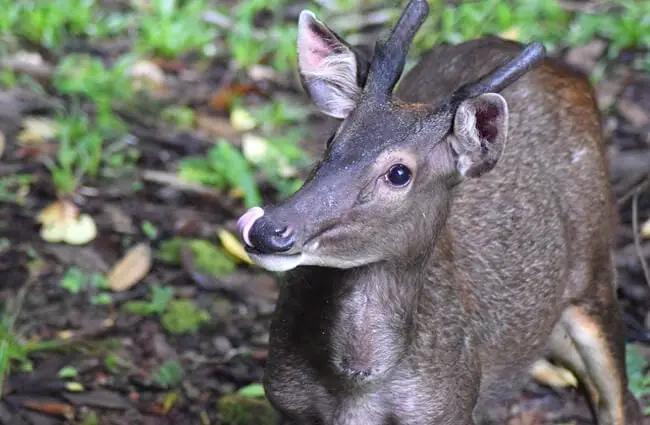
The sambar, a majestic and ecologically important deer, deserves our attention and protection. By understanding its biology, behavior, and the threats it faces, we can contribute to its conservation and ensure that this magnificent creature continues to thrive in the forests of South and Southeast Asia.
![Closeup of a beautiful Red Angus cowPhoto by: U.S. Department of Agriculture [pubic domain]https://creativecommons.org/licenses/by/2.0/](https://animals.net/wp-content/uploads/2020/03/Red-Angus-4-238x178.jpg "Red Angus")
![Closeup of a beautiful Red Angus cowPhoto by: U.S. Department of Agriculture [pubic domain]https://creativecommons.org/licenses/by/2.0/](https://animals.net/wp-content/uploads/2020/03/Red-Angus-4-100x75.jpg "Red Angus")


