Few creatures embody the spirit of the wild quite like the salmon. These magnificent fish are celebrated for their incredible journeys, their vibrant life cycles, and their profound connection to both freshwater and marine ecosystems. From the icy streams of their birth to the vast expanses of the ocean and back again, the salmon’s story is one of endurance, instinct, and vital ecological importance. Join us as we dive deep into the world of these aquatic marvels, exploring their biology, their epic migrations, and their indispensable role in the natural world and human culture.
What Exactly is a Salmon?
Salmon are a group of ray-finned fish belonging to the family Salmonidae. This family also includes trout, char, grayling, and whitefish. What makes salmon particularly distinctive is their anadromous life cycle, meaning they are born in freshwater, migrate to the ocean to grow and mature, and then return to freshwater to reproduce. This incredible feat of navigation and physiological adaptation sets them apart.
Globally, there are several iconic species of salmon, broadly categorized into Pacific and Atlantic groups. Pacific salmon species include Chinook (King), Coho (Silver), Sockeye (Red), Pink (Humpback), Chum (Dog), and Masu salmon. The Atlantic salmon, Salmo salar, is the sole species native to the Atlantic Ocean. While they share many characteristics, each species possesses unique traits in terms of size, coloration, diet, and life history strategies.
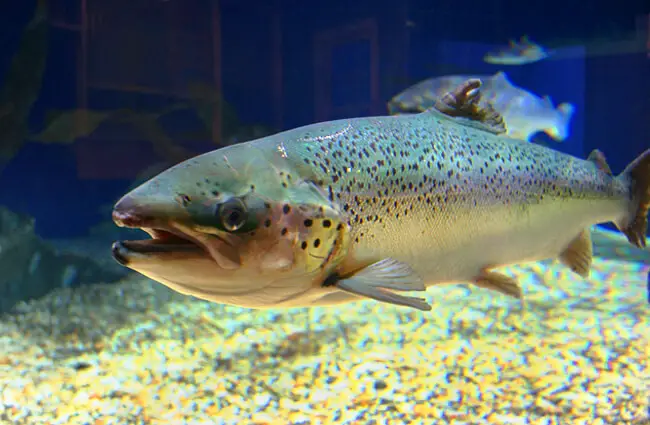
Physically, salmon are streamlined, powerful swimmers built for long-distance travel. Their bodies are typically silver with varying patterns of spots, though their coloration can change dramatically during their spawning migration, often becoming vibrant reds, greens, and purples. They possess adipose fins, a small, fleshy fin without rays located between the dorsal and caudal fins, a characteristic shared with other salmonids.
A Life of Epic Journeys: Salmon Habitats and Migration
The life of a salmon is defined by movement, a continuous cycle between vastly different environments. Understanding their habitat means tracing their journey from birth to reproduction.
From Freshwater Nurseries to Ocean Expanses
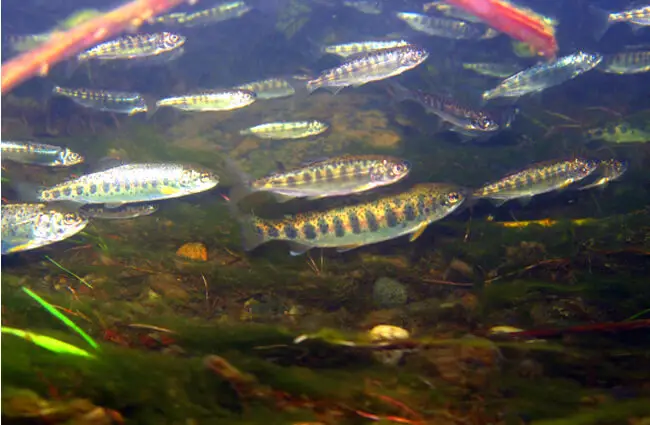
Salmon begin their lives in the pristine, cold, oxygen-rich waters of freshwater rivers and streams. These natal streams, often characterized by gravel beds, provide the ideal conditions for eggs to incubate and for young fry to develop, offering shelter from predators and strong currents. As they grow into parr, they establish territories within these streams, feeding and developing their camouflage patterns.
The next critical habitat is the estuary, a transitional zone where freshwater meets saltwater. Here, young salmon, now called smolts, undergo a remarkable physiological transformation known as smoltification. Their bodies adapt to tolerate saltwater, preparing them for the vast, nutrient-rich expanse of the ocean. Estuaries also serve as crucial feeding grounds and protective havens before their grand ocean migration.
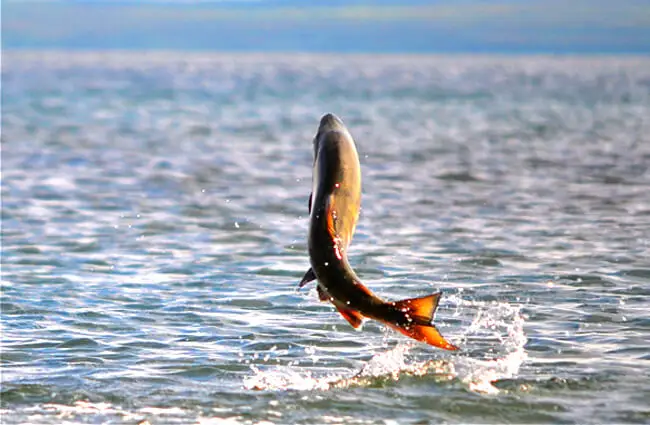
Once in the ocean, salmon disperse into cold, productive waters, often traveling thousands of miles. These oceanic feeding grounds are abundant with the prey necessary for rapid growth and maturation. Different species may favor different depths and regions, but all seek out areas rich in food to build the energy reserves needed for their arduous return journey.
The Anadromous Lifestyle
The anadromous nature of salmon is perhaps their most defining characteristic. This incredible life strategy involves a precise, instinct-driven migration back to their exact natal stream to spawn. Scientists believe salmon use a combination of cues for navigation:
- Olfaction: Their highly developed sense of smell allows them to detect the unique chemical signature of their home river.
- Geomagnetism: Some research suggests they may use the Earth’s magnetic field as a compass.
- Solar and Celestial Cues: The sun and possibly stars may also play a role in their open-ocean navigation.
This journey is fraught with challenges, including predators, physical barriers like waterfalls and dams, and the immense energy expenditure required to swim upstream against strong currents. It is a testament to their evolutionary success and resilience.
The Salmon’s Menu: What Powers These Aquatic Athletes?
A salmon’s diet changes significantly throughout its life, reflecting its habitat and growth stage. This varied menu fuels their incredible development and epic migrations.
- Fry and Parr: In their freshwater nursery streams, young salmon primarily feed on aquatic insects and their larvae, small crustaceans, and other tiny invertebrates. They are opportunistic feeders, consuming whatever small prey is available.
- Smolts and Ocean-Phase Adults: Once they reach the ocean, their diet shifts dramatically to support their rapid growth. Their menu expands to include:
The vibrant pink or orange color of salmon flesh, a highly prized characteristic, comes directly from their diet. They consume carotenoid pigments, particularly astaxanthin, found in krill and other crustaceans. These pigments are then deposited in their muscle tissue, giving them their distinctive hue. Farmed salmon, which may not have access to these natural pigments, often have astaxanthin added to their feed to achieve the desired color.
The Ultimate Sacrifice: Mating and Reproduction
The spawning migration is the culmination of a salmon’s life, an incredible journey driven by an unwavering instinct to reproduce. It is a story of profound physiological change and ultimate sacrifice.
The Journey Home
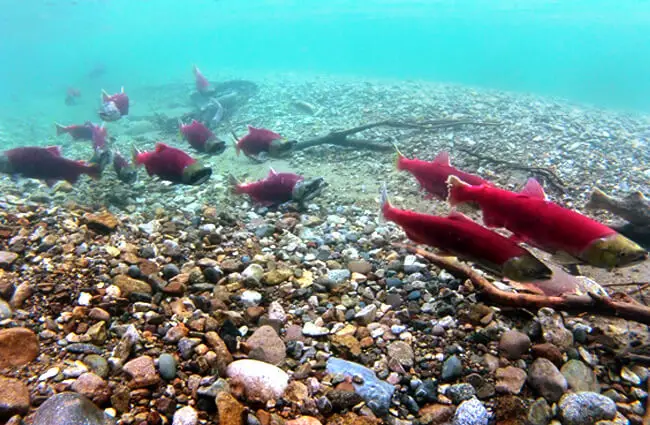
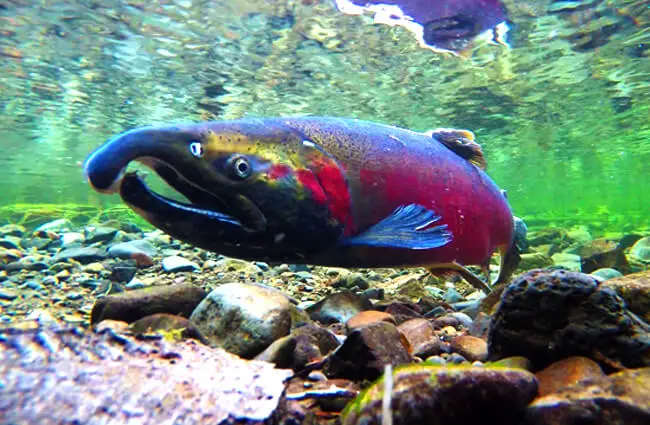
As salmon approach their natal rivers, their bodies undergo dramatic transformations. They cease feeding, relying entirely on stored fat reserves. Their silver oceanic coloration gives way to striking breeding colors, often deep reds, greens, and purples, depending on the species. Males of many species, particularly Pacific salmon, develop a pronounced hooked jaw called a “kype,” which they use in territorial displays and battles for mates. Their bodies become more muscular, optimized for the arduous upstream swim.
Spawning Rituals
Upon reaching their spawning grounds, typically shallow, gravel-bottomed areas of rivers or streams, the elaborate spawning ritual begins:
- Redd Construction: The female, using her tail, digs a depression in the gravel, known as a “redd.” This process can take several days and is physically demanding.
- Egg Deposition and Fertilization: Once the redd is prepared, the female deposits her eggs into it. Simultaneously, one or more males release milt (sperm) over the eggs, fertilizing them.
- Gravel Covering: The female then moves upstream slightly and digs again, dislodging gravel that drifts downstream to cover and protect the newly fertilized eggs. This process may be repeated several times, creating a series of redds.
A key distinction exists between Pacific and Atlantic salmon regarding their reproductive strategy:
- Semelparity (Pacific Salmon): Most Pacific salmon species are semelparous, meaning they spawn only once in their lifetime and then die shortly after reproduction. Their entire life energy is poured into this single reproductive event.
- Iteroparity (Atlantic Salmon): Atlantic salmon are iteroparous, meaning they have the ability to survive spawning and return to the ocean to feed and potentially spawn again in subsequent years, though this is less common for males.
From Egg to Fry
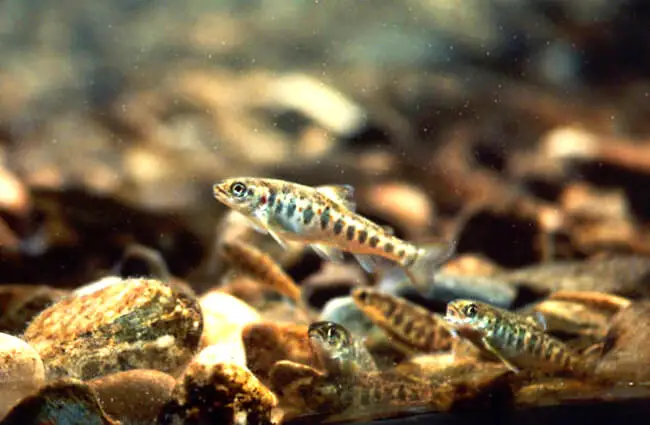
The fertilized eggs, nestled safely within the gravel, develop over several weeks or months, depending on water temperature. They hatch into tiny, vulnerable larvae called alevins, which still carry a yolk sac for nourishment. Once the yolk sac is absorbed, they emerge from the gravel as fry, beginning to feed independently. They then progress to the parr stage, developing vertical bars for camouflage, before transforming into smolts and heading to the sea. The survival rate from egg to adult is incredibly low, highlighting the importance of each successful spawning event.
Salmon’s Pivotal Role: Ecosystem Contributions and Interactions
Salmon are far more than just fish; they are a keystone species, profoundly influencing the health and productivity of the ecosystems they inhabit. Their life cycle creates a vital link between marine and freshwater environments.
Keystone Species Status
The most significant contribution of salmon to their ecosystems is the transfer of marine-derived nutrients. When salmon return to freshwater to spawn and subsequently die, their decaying bodies release essential nutrients like nitrogen, phosphorus, and carbon into the rivers, riparian zones, and surrounding forests. This nutrient pulse fertilizes the ecosystem, benefiting everything from aquatic insects and algae to trees and terrestrial wildlife. Studies have shown that trees along salmon-bearing rivers grow faster and larger due to this nutrient subsidy.
Furthermore, salmon are a critical food source for an astonishing array of wildlife. During spawning season, rivers become bustling buffets for predators and scavengers alike.
Interactions with Other Animals
The salmon’s journey is intertwined with countless other species:
- Bears: Grizzly and black bears are iconic salmon predators, relying heavily on the fish for fat reserves before hibernation. They often carry salmon carcasses into the forest, further distributing marine nutrients.
- Eagles: Bald eagles and other raptors perch along rivers, snatching salmon from the water or scavenging carcasses.
- Otters and Mink: These agile semi-aquatic mammals are adept at catching salmon, especially during their vulnerable upstream migration.
- Wolves and Coyotes: While primarily terrestrial hunters, these canids will opportunistically feed on salmon, particularly during peak spawning runs.
- Gulls and Other Birds: Many bird species feed on salmon eggs, fry, and carcasses.
- Insects and Decomposers: The decaying bodies of spawned-out salmon provide a feast for aquatic insects, bacteria, and fungi, which in turn become food for other organisms, completing the nutrient cycle.
These predator-prey dynamics are essential for maintaining healthy, balanced ecosystems. The abundance of salmon directly impacts the populations and health of many other species.
Salmon and Humanity: A Deep-Rooted Connection
For millennia, salmon have been more than just food; they have been a cornerstone of human cultures, economies, and spiritual beliefs, particularly in regions where they are abundant.
Cultural Significance
Indigenous peoples of the Pacific Northwest and other salmon-rich regions hold salmon in immense reverence. They are often considered sacred, a gift from the Creator, and central to spiritual practices, ceremonies, and oral traditions. The annual salmon run is a time of celebration, sustenance, and community gathering. Salmon imagery is prevalent in art, storytelling, and traditional regalia, symbolizing life, abundance, and perseverance. This deep cultural connection emphasizes a reciprocal relationship of respect and stewardship.
Economic Importance
The economic impact of salmon is global. Commercial fisheries harvest millions of pounds of salmon annually, providing jobs and food security. Recreational fishing for salmon is also a significant industry, attracting anglers from around the world and supporting local economies through tourism and related services.
However, the demand for salmon has also led to the rise of aquaculture, or salmon farming. While aquaculture can reduce pressure on wild stocks and provide a consistent food supply, it also presents challenges, including potential disease transmission to wild fish, pollution from fish farms, and the use of wild fish as feed for farmed salmon. Balancing the economic benefits with ecological sustainability remains a complex issue.
Conservation Challenges and Human Impact
Despite their resilience, salmon populations worldwide face numerous threats, largely due to human activities:
- Habitat Destruction: Dams block migration routes, preventing salmon from reaching spawning grounds. Logging, urbanization, and agriculture can lead to increased sedimentation, pollution, and altered water temperatures in critical freshwater habitats.
- Overfishing: Historically, intense fishing pressure has depleted many salmon stocks. While regulations are in place, illegal fishing and bycatch remain concerns.
- Climate Change: Rising ocean temperatures can alter food availability and migration patterns. Warmer freshwater temperatures can stress salmon, reduce oxygen levels, and increase disease susceptibility.
- Pollution: Industrial, agricultural, and urban runoff introduces toxins and pollutants into rivers and oceans, harming salmon at all life stages.
- Disease and Parasites: In some areas, interactions between wild and farmed salmon can lead to the spread of diseases and parasites, such as sea lice.
Conservation efforts are multifaceted, involving dam removal, habitat restoration, stricter fishing regulations, improved aquaculture practices, and international cooperation to address climate change. Protecting salmon means protecting entire ecosystems.
Fascinating Facts and Practical Insights
For the Aspiring Zoologist
The evolutionary history of salmonids is ancient, with fossil evidence suggesting their lineage dates back tens of millions of years. Their anadromous lifestyle is a remarkable evolutionary adaptation, allowing them to exploit the rich feeding grounds of the ocean while retaining the protected spawning grounds of freshwater. Key areas of study for aspiring zoologists include:
- Genetic Diversity: Understanding the genetic makeup of different salmon populations is crucial for conservation, as distinct populations may have unique adaptations to their specific environments.
- Physiological Adaptations: Research into how salmon undergo smoltification, tolerate extreme changes in salinity, and navigate vast distances provides insights into osmoregulation, sensory biology, and endurance physiology.
- Behavioral Ecology: Studying their complex social behaviors during spawning, predator avoidance strategies, and migratory patterns offers a window into animal intelligence and instinct.
For the Wild Salmon Spotter
Finding salmon in the wild is a truly rewarding experience. Here’s how to increase your chances:
- Where to Look: Focus on clear, cold rivers and streams with gravel bottoms, especially those known for salmon runs. National parks and protected areas often have designated viewing spots.
- When to Look: The best time is during the spawning season, which varies by species and region.
- Pacific Salmon: Generally late summer to fall (August to November), though some runs can occur earlier or later.
- Atlantic Salmon: Typically fall (October to November).
- How to Spot Them: Look for splashes, ripples, or the distinctive red or dark bodies of spawning salmon in shallow areas. Males may be seen defending redds or displaying their kypes.
- Identifying Species: Learn the unique characteristics of local species. For example, Sockeye turn bright red, while Chinook are larger and darker. Coho often have a distinctive white gum line.
Encountering Salmon in the Wild: What to Do
If you are fortunate enough to encounter salmon in their natural habitat, remember these guidelines:
- Observe from a Distance: Use binoculars or a telephoto lens. Do not approach too closely, as this can stress the fish.
- Do Not Disturb Spawning Fish or Redds: Avoid walking in shallow gravel areas where salmon may be spawning or where eggs are incubating. Disturbing redds can destroy future generations.
- Respect Local Regulations: Adhere to all fishing regulations, park rules, and wildlife viewing guidelines.
- Leave No Trace: Pack out everything you pack in. Do not litter.
- Never Touch Wild Salmon: Handling salmon can remove their protective slime coat, making them vulnerable to disease.
Caring for Salmon in Captivity: A Zookeeper’s Guide
Caring for salmon in a captive environment, such as an aquarium or research facility, requires meticulous attention to detail to mimic their natural conditions:
- Water Quality is Paramount:
- Temperature: Maintain cold, stable temperatures appropriate for the species and life stage (e.g., 4-15°C or 40-60°F).
- Oxygen: Ensure high dissolved oxygen levels, as salmon require well-oxygenated water.
- pH: Keep pH stable and within the species’ natural range (typically slightly acidic to neutral).
- Salinity: For anadromous species, be prepared to gradually adjust salinity for smoltification if housing different life stages.
- Filtration: Implement robust filtration systems to remove waste and maintain water clarity.
- Dietary Needs:
- Provide a high-quality, species-specific diet.
- Adjust feed size and frequency based on life stage (fry, parr, smolt, adult).
- Ensure adequate carotenoid supplementation for proper coloration and health.
- Tank Environment:
- Space: Provide ample swimming space to prevent stress and aggression.
- Flow: Replicate natural river currents with appropriate water flow.
- Substrate: For spawning exhibits, provide suitable gravel for redd construction.
- Enrichment: Offer hiding spots and varied environments to reduce stress.
- Disease Prevention:
- Implement strict quarantine protocols for new arrivals.
- Monitor fish regularly for signs of disease or stress.
- Maintain optimal water quality to boost immune systems.
- What to Avoid:
- Sudden Changes: Avoid abrupt changes in water temperature, pH, or salinity.
- Overcrowding: This leads to stress, aggression, and increased disease risk.
- Poor Water Quality: Neglecting filtration or water parameter monitoring is detrimental.
- Inappropriate Diet: Feeding incorrect or low-quality food can lead to nutritional deficiencies.
- Excessive Handling: Minimize handling to prevent stress and damage to protective slime coats.
The salmon’s life story is a powerful reminder of the interconnectedness of our planet’s ecosystems. From the smallest stream to the vast ocean, their journey sustains countless other lives and enriches our own. Understanding and protecting these incredible fish is not just about preserving a species; it is about safeguarding the health of our rivers, oceans, and the very fabric of life on Earth. Let their epic migrations inspire us to be better guardians of the wild.
![Closeup of a beautiful Red Angus cowPhoto by: U.S. Department of Agriculture [pubic domain]https://creativecommons.org/licenses/by/2.0/](https://animals.net/wp-content/uploads/2020/03/Red-Angus-4-238x178.jpg "Red Angus")
![Closeup of a beautiful Red Angus cowPhoto by: U.S. Department of Agriculture [pubic domain]https://creativecommons.org/licenses/by/2.0/](https://animals.net/wp-content/uploads/2020/03/Red-Angus-4-100x75.jpg "Red Angus")