Introducing the Remarkable Ruff
The Philomachus pugnax, commonly known as the Ruff, is a small wading bird with a complex social structure and striking plumage variations. This article explores its habitat, behavior, evolutionary history, and ecological role. From its breeding grounds to its wintering locations, we uncover the secrets of this remarkable species, offering insights for researchers, bird enthusiasts, and anyone curious about the natural world.
Habitat and Distribution
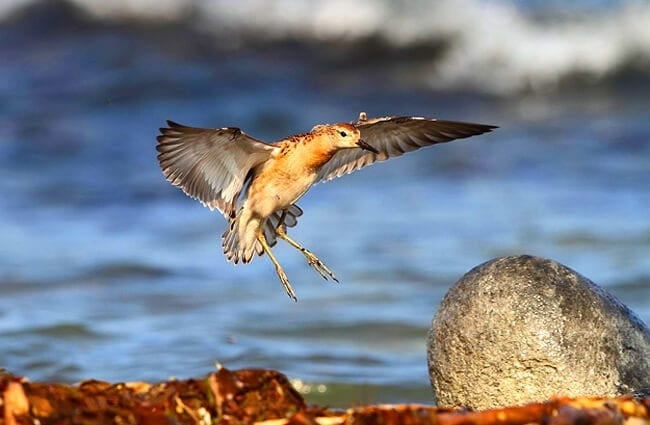
Ruffs are highly migratory birds with a circumpolar distribution. Their breeding range includes the high Arctic and subarctic regions of Europe and Asia, especially northern Russia, Scandinavia, and Iceland. During the breeding season, they favor damp meadows, boggy areas, and tundra with low vegetation, providing ideal nesting sites.
As winter approaches, Ruffs undertake long journeys to warmer climates. Major wintering grounds include Western Europe, Africa, South Asia, and Australia. They congregate in large flocks on coastal mudflats, estuaries, and inland wetlands, where they feed and rest before continuing their migration. Understanding these migratory patterns is crucial for conservation efforts, as it highlights the importance of protecting key stopover sites and wintering grounds.
Physical Characteristics and Identifying Features
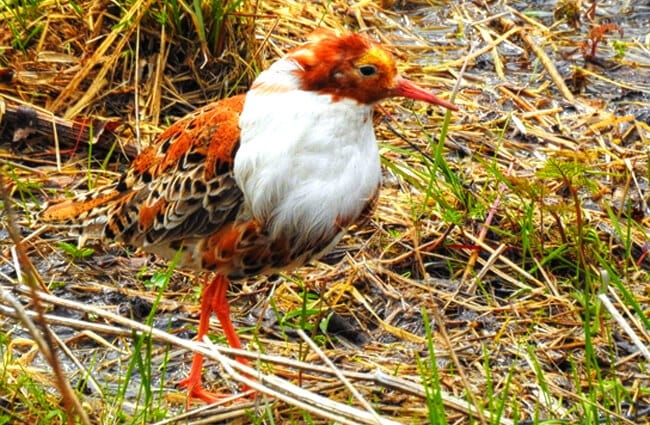
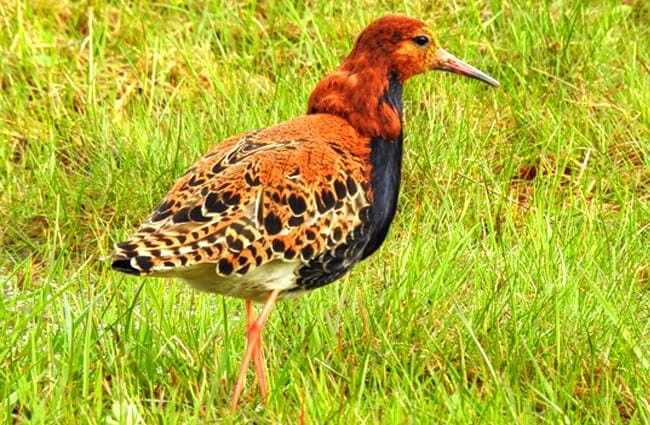
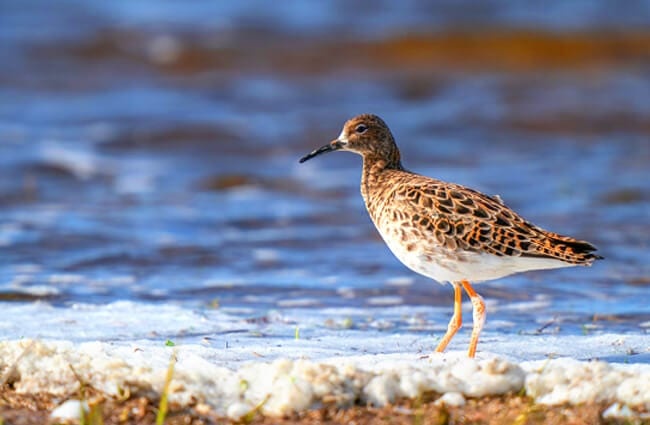
The Ruff is a small wading bird, typically measuring between 30 and 38 centimeters in length, with a wingspan of 30 to 42 centimeters. Non-breeding plumage is relatively inconspicuous, exhibiting mottled brown and gray coloration that provides camouflage in wetland habitats. However, during the breeding season, males develop an elaborate ornamental plumage, which gives the species its name.
These ornamental feathers form a shaggy mane around the neck and upper breast. The color of the feathers can range from rich rufous to jet black, depending on the male’s genetic makeup and social status. This vibrant display is a key component of the species’ unique mating system. Females retain a more subdued, mottled brown plumage throughout the year.
Diet and Foraging Behavior
Ruffs are opportunistic feeders, consuming a wide variety of invertebrates. Their diet primarily consists of insects, crustaceans, worms, and mollusks. They forage by probing the mud and soft substrate with their long bills, detecting prey through touch and vibrations. Ruffs often feed in large flocks, maximizing foraging efficiency and reducing the risk of predation.
Their foraging behavior is closely linked to tidal cycles and water levels. They typically feed during low tide, when mudflats are exposed, providing access to buried invertebrates. Ruffs also consume plant matter, such as seeds and algae, particularly during periods of food scarcity. This dietary flexibility contributes to their resilience in fluctuating environments.
Breeding and Reproduction
The Ruff exhibits a fascinating and complex mating system known as lekking. Males gather in traditional display areas, called leks, and compete for the attention of females. Each male defends a small territory within the lek, displaying his elaborate plumage and performing intricate courtship rituals.
Not all males are successful in attracting mates. A small percentage of males, known as satellite males, do not hold territories but attempt to intercept females before they reach the dominant males. Additionally, a small percentage of males develop female-like plumage and behavior; these are called pseudo-female males, and they mimic females to gain access to mating opportunities.
Females typically lay between four and seven eggs in a simple nest concealed among vegetation. Only the female incubates the eggs and provides all parental care for the chicks. The chicks are precocial, meaning they are relatively mobile and can feed themselves shortly after hatching. They fledge after about 20 to 25 days, becoming independent from their mother.
Ruff and the Ecosystem
As a migratory shorebird, the Ruff plays a vital role in maintaining the health of wetland ecosystems. They contribute to nutrient cycling by transporting nutrients from breeding grounds to wintering areas through their droppings. Their foraging activities also help control populations of invertebrates, preventing imbalances in the food web.
Ruffs serve as prey for various predators, including foxes, raptors, and gulls, thus contributing to overall biodiversity. Their presence or absence can serve as an indicator of wetland health, providing valuable information for conservation management.
Human Interactions and Conservation Status
Historically, Ruffs were hunted for their feathers, which were used in the fashion industry. Hunting pressure has decreased significantly in recent decades, and the species is now protected under international agreements. Nonetheless, the Ruff faces ongoing threats from habitat loss, wetland degradation, and climate change.
Loss of coastal wetlands due to urbanization, agriculture, and sea‑level rise poses a significant threat to wintering and stopover populations. Climate change also alters the timing of migration and breeding, potentially disrupting the species’ life cycle. Conservation efforts focus on protecting and restoring key wetlands, mitigating climate change impacts, and promoting sustainable land‑management practices.
Interesting Facts about the Ruff
- The elaborate plumage of male Ruffs is used not only to attract mates but also to establish dominance within the lek.
- Satellite males often attempt to sneak matings with females while the dominant males are preoccupied.
- The evolution of the Ruff’s unique mating system is thought to be driven by sexual selection and competition among males.
- Ruffs are capable of long‑distance flights, traveling thousands of kilometers during their annual migrations.
- The Ruff’s bill is equipped with specialized sensory organs that allow it to detect prey hidden beneath the mud.
- Ruffs have a complex vocal repertoire, using a variety of calls for communication and courtship.
Encountering a Ruff in the Wild
If you encounter a Ruff in the wild, observe it from a respectful distance and avoid disturbing its behavior. Do not approach the bird or attempt to handle it. If you are observing a breeding lek, be particularly cautious not to disrupt the mating displays. Report any sightings of unusual or injured birds to local wildlife authorities.
Caring for Ruffs in Captivity
Ruffs are rarely kept in captivity, but if they are, a specialized environment that mimics their natural habitat is essential. Aviaries should be spacious, with ample water for wading and foraging. The substrate should consist of mud, sand, and vegetation, providing opportunities for probing and digging. Ruffs are social birds and should be housed in groups. Their diet should consist of a variety of invertebrates, supplemented with seeds and plant matter. Regular veterinary care is essential to monitor their health and prevent diseases.
Conclusion
The Ruff is a truly remarkable bird, exhibiting a unique combination of physical characteristics, behavioral adaptations, and ecological roles. Understanding this species is crucial for ensuring its long‑term survival in a rapidly changing world. By protecting their habitats, mitigating climate‑change impacts, and promoting sustainable land‑management practices, we can help safeguard the future of this extraordinary shorebird.
![Closeup of a beautiful Red Angus cowPhoto by: U.S. Department of Agriculture [pubic domain]https://creativecommons.org/licenses/by/2.0/](https://animals.net/wp-content/uploads/2020/03/Red-Angus-4-238x178.jpg "Red Angus")
![Closeup of a beautiful Red Angus cowPhoto by: U.S. Department of Agriculture [pubic domain]https://creativecommons.org/licenses/by/2.0/](https://animals.net/wp-content/uploads/2020/03/Red-Angus-4-100x75.jpg "Red Angus")