
A Deep Dive into the World of the Ruddy Duck
The Ruddy Duck, a small, striking waterfowl, is a captivating subject for both seasoned ornithologists and casual birdwatchers. Its unique characteristics and behaviors make it a fascinating component of wetland ecosystems around the globe. This article explores the natural history, ecology, and conservation status of this remarkable bird, providing a comprehensive overview for researchers, enthusiasts, and anyone interested in learning more about the Ruddy Duck.
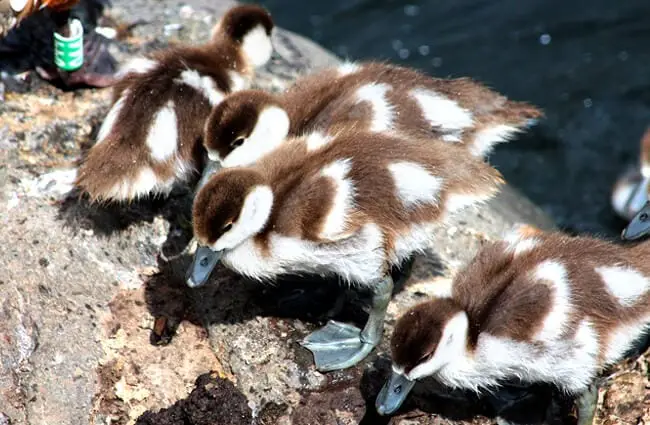
Basic Identification and Physical Characteristics
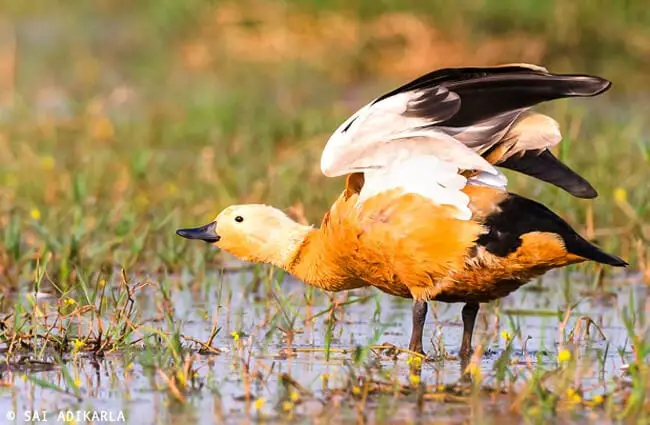
The Ruddy Duck, scientifically known as Oxyura jamaicensis, is easily recognizable by its bright blue bill, particularly vibrant during the breeding season. Males exhibit a rich chestnut brown head and breast, contrasting with their white cheeks and a black cap. Their body is typically grey, while females have a more subdued, mottled brown appearance. These ducks are relatively small, measuring between 35 and 40 centimeters in length, and weigh between 500 and 700 grams. A key characteristic is their stiff tail, which they often hold erect and use for steering while swimming. This tail, unlike most ducks, is not used for preening.
Habitat and Distribution
Ruddy Ducks are native to North America and have been introduced to Europe and Australia. They favor sheltered freshwater habitats such as marshes, ponds, and shallow lakes with dense vegetation. These environments provide ample foraging opportunities and protection from predators. During winter, they may migrate to coastal areas and estuaries. Their preference for vegetated habitats means they are often found in areas offering a rich supply of aquatic invertebrates and seeds.
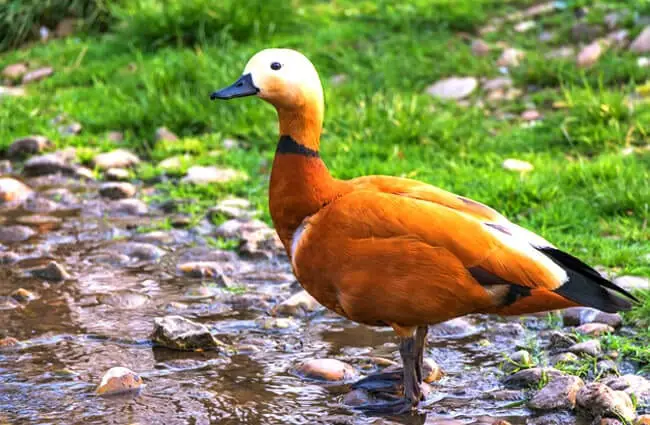
Diet and Foraging Behavior
Ruddy Ducks are primarily omnivorous, with their diet varying seasonally. During the breeding season, they focus on aquatic invertebrates such as insects, snails, and crustaceans. These provide essential protein for egg production and chick development. Outside the breeding season, seeds, aquatic plants, and algae become increasingly important food sources. They forage by dabbling, upending, and diving, often tipping their bodies nearly vertically underwater to reach submerged vegetation and invertebrates. This diving behavior is quite distinctive and contributes to their foraging efficiency.
Reproduction and Life Cycle
Ruddy Ducks are generally monogamous, forming pair bonds that may last for a single breeding season. The breeding season typically occurs in spring and early summer. Females build nests from vegetation in sheltered areas near the water’s edge. A typical clutch consists of 5 to 10 eggs, which are incubated by the female for approximately 23 to 25 days. Ducklings are precocial, meaning they are relatively mobile and independent shortly after hatching. They are covered in downy feathers and are capable of swimming and foraging alongside their mother. The young reach sexual maturity in their first year.
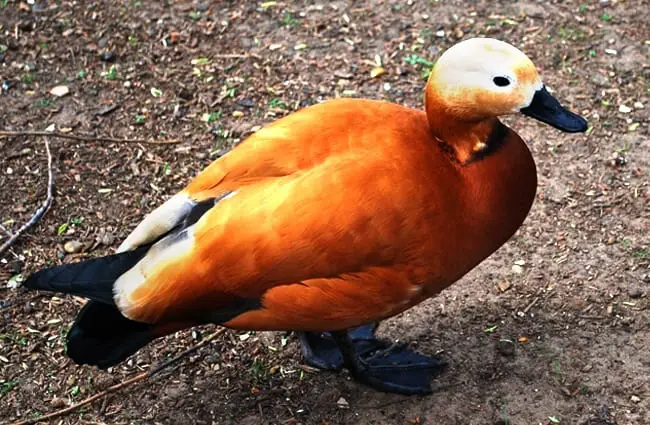
Ecological Role and Interactions
Ruddy Ducks play a vital role in wetland ecosystems. They contribute to nutrient cycling through their foraging and excretion, and they serve as a food source for predators such as foxes, raptors, and larger fish. Their foraging activities can also influence the composition and structure of aquatic plant communities. In areas where they are abundant, they may compete with other duck species for resources. They often coexist with other waterfowl, like Mallards and Teals, forming diverse wetland communities.
Evolutionary History
The evolutionary history of the Ruddy Duck traces back to the Oxyurinae subfamily, known for their stiff tails. Fossil records indicate that ancestors of modern Ruddy Ducks existed millions of years ago. The successful colonization of Europe in the 20th century is a relatively recent event, and the species continues to adapt to its new environment. Genetic studies have shed light on the population structure and evolutionary relationships within the species, revealing distinct genetic lineages in different geographical regions.
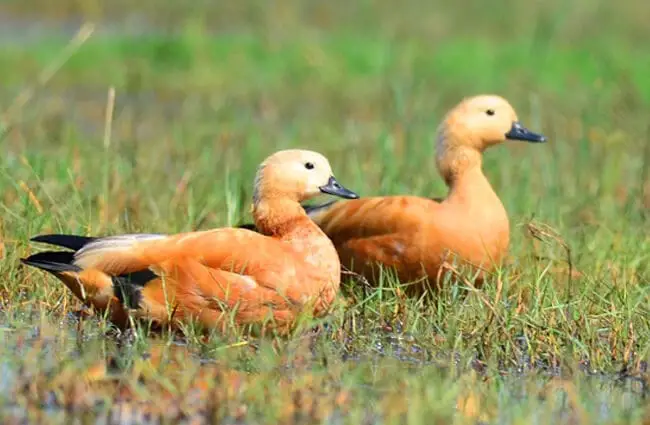
Conservation Status and Threats
While the Ruddy Duck is currently classified as Least Concern by the International Union for Conservation of Nature (IUCN), it faces several threats. In Europe, hybridization with the introduced White headed Duck is a significant concern, threatening the genetic integrity of the native species. Habitat loss and degradation due to pollution and agricultural runoff also pose challenges. Conservation efforts focus on habitat restoration, control of invasive species, and management of hybridization risks.
Ruddy Ducks and Human Interactions
Historically, Ruddy Ducks were hunted for their meat and feathers. However, hunting is now largely regulated or prohibited in many areas. They are also popular subjects for birdwatchers and photographers. Human activities, such as wetland drainage and pollution, have had a significant impact on their populations and habitats. Responsible land management practices are essential to ensure the long‑term survival of this species.
Encountering Ruddy Ducks in the Wild
If you encounter a Ruddy Duck in the wild, observe it from a respectful distance. Avoid disturbing its habitat or approaching it too closely, especially during the breeding season. If you find an injured or distressed bird, contact a local wildlife rehabilitation center or animal rescue organization. Appreciate its beauty and contribute to its conservation by supporting wetland protection efforts.
Caring for Ruddy Ducks in Captivity
Zookeepers and aviculturists caring for Ruddy Ducks in captivity must provide a suitable environment that mimics their natural habitat. This includes a spacious pond or water feature, vegetated areas for nesting, and a balanced diet consisting of aquatic plants, invertebrates, and commercially formulated waterfowl feed. Regular water quality monitoring and veterinary care are essential. Enrichment activities, such as providing novel food items or introducing stimulating objects, can enhance their well‑being. Avoid overcrowding and ensure that they have ample space to exhibit natural behaviors.
Fun Facts About Ruddy Ducks
- The male Ruddy Duck’s blue bill becomes even more vibrant during courtship displays.
- They perform elaborate head-bobbing and whistling displays to attract mates.
- Ruddy Ducks are strong fliers and can cover long distances during migration.
- Their stiff tails help them steer and maneuver underwater.
- They are known for “butt-up” feeding, where they raise their bodies vertically to reach submerged vegetation.
The Ruddy Duck, with its striking appearance and unique behaviors, remains a captivating species. By understanding its natural history, ecological role, and conservation status, we can contribute to its long‑term survival and ensure that future generations can appreciate the beauty and wonder of this remarkable waterfowl.
![Closeup of a beautiful Red Angus cowPhoto by: U.S. Department of Agriculture [pubic domain]https://creativecommons.org/licenses/by/2.0/](https://animals.net/wp-content/uploads/2020/03/Red-Angus-4-238x178.jpg "Red Angus")
![Closeup of a beautiful Red Angus cowPhoto by: U.S. Department of Agriculture [pubic domain]https://creativecommons.org/licenses/by/2.0/](https://animals.net/wp-content/uploads/2020/03/Red-Angus-4-100x75.jpg "Red Angus")


