The rook, Corvus frugilegus, is a fascinating member of the crow family, instantly recognizable by its distinctive facial features. Often overlooked in favor of its more flamboyant cousins, the rook possesses a rich natural history, complex social behavior, and an intriguing relationship with humans. This guide delves into the world of the rook, exploring its biology, ecology, and cultural significance.
Understanding the Rook
Physical Characteristics
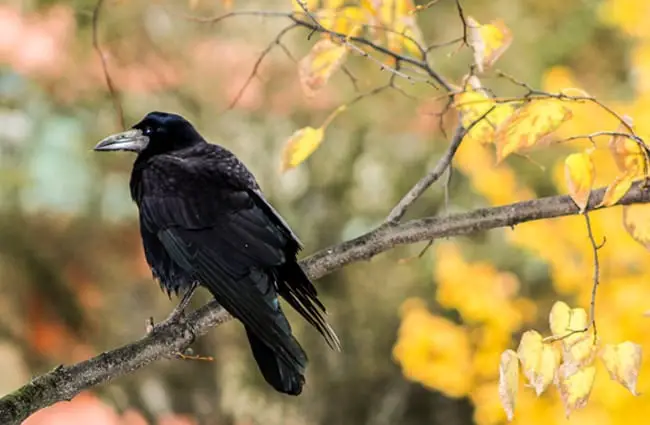
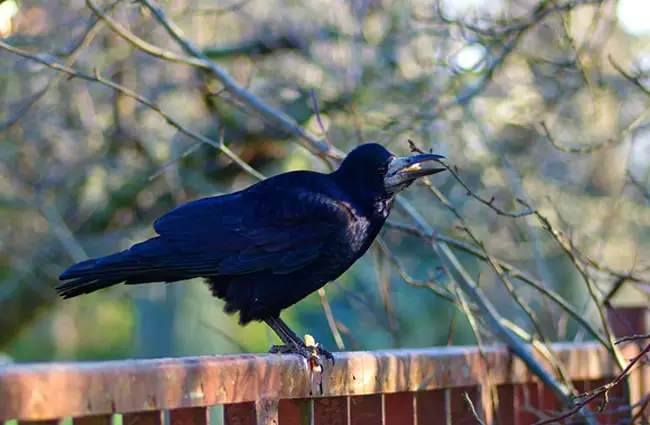
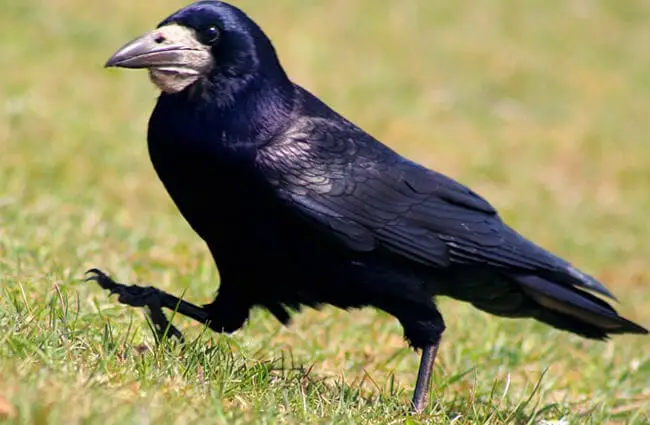
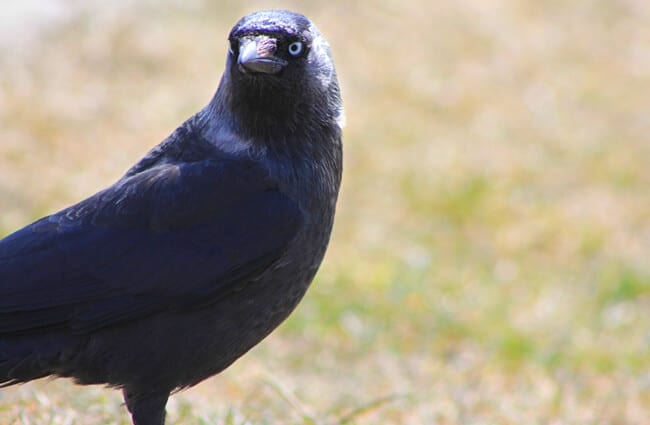
The rook is a relatively large bird, measuring between 40 and 47 centimeters in length with a wingspan of 82 to 95 centimeters. Its plumage is predominantly black, often exhibiting a purple or blue sheen in sunlight. A key identifying feature is its bare, greyish‑white facial skin, becoming more prominent during breeding season. Young rooks have duller plumage and lack the bare facial skin, developing it as they mature. Distinguishing a rook from other black birds, particularly crows, can be tricky. Look for the paler, more pointed bill of the rook and the characteristic facial skin.
Habitat and Distribution
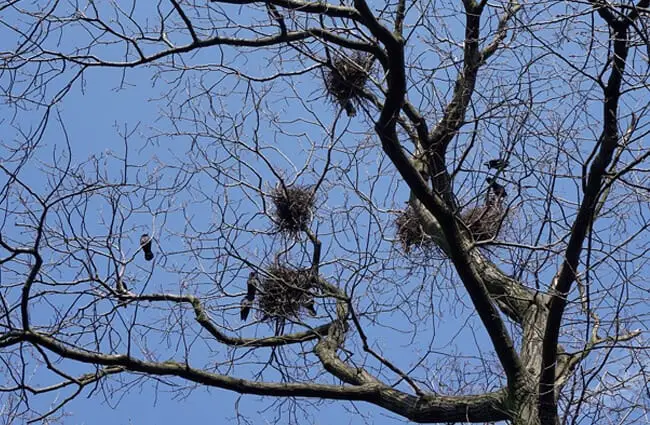
Rooks are widespread across Europe, Asia, and North Africa. They prefer open agricultural landscapes, grasslands, and woodlands with access to fields for foraging. Historically, they were closely associated with woodland edges, but they have adapted well to human‑modified environments. Rookeries, or nesting colonies, are usually situated in mature trees, often near farmland. They favor trees that provide good visibility and protection from predators.
Rook Behavior and Ecology
Diet and Foraging
Rooks are omnivorous, with a varied diet that changes seasonally. They feed on insects, earthworms, seeds, grains, fruit, and even small vertebrates. A significant portion of their diet consists of invertebrates pulled from the soil, making them beneficial to agricultural lands. They are skilled foragers, often probing the ground with their strong bills to locate prey. Rooks are known to gather in large flocks outside of the breeding season, forming significant feeding groups.
Social Structure and Rookeries
Rooks are highly social birds, living and breeding in colonies known as rookeries. These colonies can range in size from a few nests to hundreds. Rookeries are not static; they may shift location over time, but they are often maintained for many years. Within a rookery, complex social hierarchies exist, with dominant pairs occupying the most favorable nesting sites. Rookeries provide protection from predators and facilitate social learning.
Reproduction and Life Cycle
Rooks are typically monogamous, forming long‑term pair bonds. Breeding season begins in early spring. They build bulky nests of twigs, mud, and grass, often lined with softer materials. The female lays between three and five eggs, which are incubated for around 35 days. Both parents participate in feeding the chicks, which fledge after approximately 35 to 40 days. Young rooks often remain within the natal rookery for several years before dispersing to establish their own breeding territories. The long‑term stability of rookeries depends on the availability of suitable nesting trees and adequate food resources.
Rook’s Contribution to the Ecosystem
Ecological Role
Rooks play a vital role in maintaining healthy ecosystems. As insectivores, they help control populations of agricultural pests. Their foraging behavior aerates the soil and contributes to nutrient cycling. By dispersing seeds, they also contribute to plant propagation. The presence of a rookery can be an indicator of a healthy, functioning landscape. They also serve as prey for birds of prey like hawks and falcons.
Interactions with Other Animals
Rooks often interact with other bird species, both positively and negatively. They may compete with other corvids for food and nesting sites, but they also benefit from the increased vigilance provided by a mixed‑species flock. They are sometimes targeted by parasitic birds, such as cuckoos, which lay their eggs in rook nests. Rookeries also provide habitat for other invertebrates and small mammals.
Rook and Human Interactions
Historical and Cultural Significance
Rooks have a long history of association with humans, often appearing in folklore, literature, and art. In some cultures, they are considered symbols of intelligence, adaptability, and good fortune. They have also been viewed as pests, due to their tendency to forage in agricultural fields. Historically, rooks were often hunted for sport or food.
Rook as a Pest and Conservation Concerns
While generally beneficial, rooks can sometimes cause damage to agricultural crops, particularly grains and seedlings. This has led to conflict with farmers in some areas. However, the overall impact of rooks on agriculture is often overstated. Conservation concerns are primarily related to habitat loss and disturbance of rookeries. Protecting mature trees and maintaining open agricultural landscapes are crucial for ensuring the long‑term survival of rook populations.
Encountering Rooks in the Wild
If you encounter a rookery, it is best to observe from a distance to avoid disturbing the birds. Do not approach the nests or attempt to interact with the birds. Rooks are generally wary of humans, but they may become defensive if they feel threatened. If you find an injured or distressed rook, contact a local wildlife rehabilitation center for assistance.
For the Aspiring Zoologist and Zookeeper
Detailed Study Points
Further research into rook behavior should focus on the complexities of their social hierarchies within rookeries, particularly the mechanisms of dominance and conflict resolution. Acoustic analysis of their vocalizations could reveal nuances in their communication system. Genetic studies could shed light on their population structure and evolutionary history.
Captive Care Considerations
When caring for rooks in captivity, it is essential to provide a spacious enclosure that allows for flight and foraging. The enclosure should include mature trees or branches for nesting and perching. A varied diet consisting of insects, seeds, grains, and fruit should be provided. Enrichment activities, such as puzzle feeders and foraging opportunities, are crucial for stimulating their intelligence and preventing boredom. Social interaction with other rooks is also important. Careful monitoring of their health and behavior is essential to ensure their well‑being.
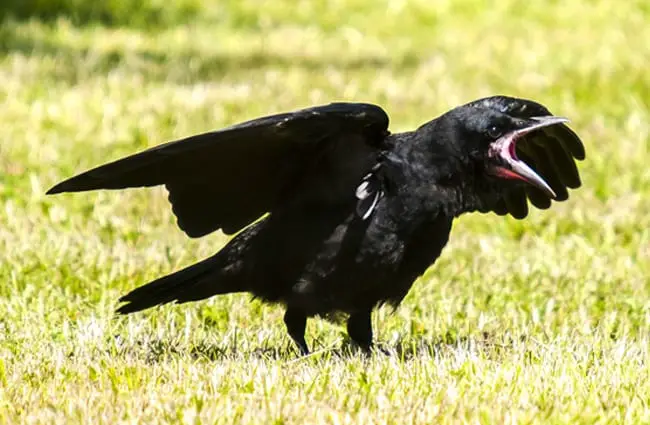
The rook, a seemingly unassuming member of the crow family, is a fascinating creature with a rich natural history and a vital role to play in our ecosystems. By understanding its behavior, ecology, and cultural significance, we can better appreciate this remarkable bird and ensure its survival for generations to come.

![Closeup of a beautiful Red Angus cowPhoto by: U.S. Department of Agriculture [pubic domain]https://creativecommons.org/licenses/by/2.0/](https://animals.net/wp-content/uploads/2020/03/Red-Angus-4-100x75.jpg "Red Angus")