The Remarkable Remora: Hitchhikers of the Sea
The ocean teems with fascinating life, and among its most intriguing inhabitants is the remora, a fish celebrated for its unique lifestyle. Often called “suckerfish” or “shark pilots,” remoras have captivated observers for centuries. This guide delves into the world of remoras, exploring their biology, behavior, ecological role, and relationship with both marine life and humans. Prepare to be amazed by these remarkable hitchhikers of the sea.
What is a Remora?
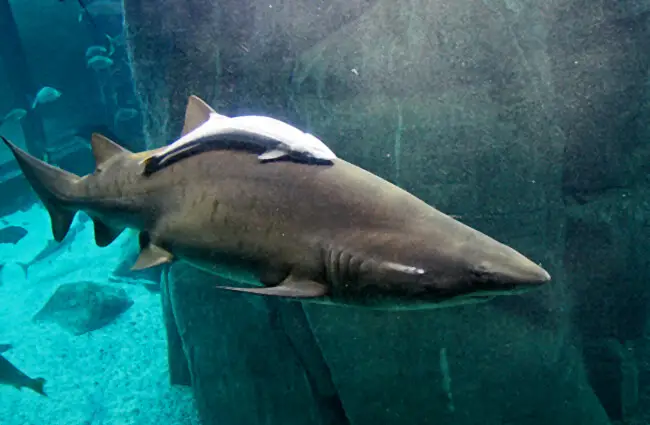
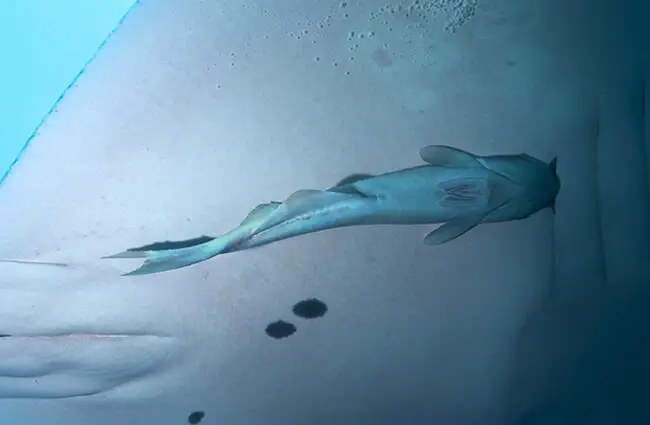
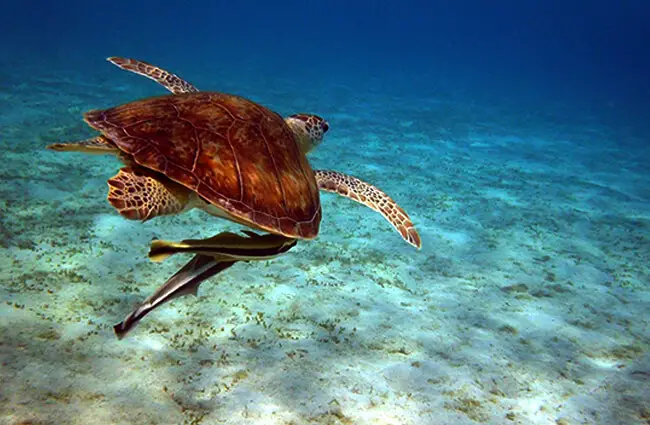
Remoras belong to the family Echeneidae, comprising approximately nine different species. These fish are characterized by a modified dorsal fin that has evolved into a specialized suction cup. This remarkable adaptation allows them to attach themselves to a variety of marine animals, including sharks, rays, whales, turtles, and even boats. Their bodies are typically elongated and streamlined, ranging in size from about 30 to 90 centimeters (12 to 35 inches) depending on the species.
Habitat and Distribution
Remoras boast a widespread distribution, inhabiting tropical and warm‑temperate waters around the globe. They are found in the Atlantic, Pacific, and Indian Oceans, favoring open‑water environments. While they can venture into coastal areas, remoras are primarily pelagic, meaning they live in the open sea rather than near the seafloor. Their presence often coincides with the migration routes of their larger hosts.
The Evolutionary Story
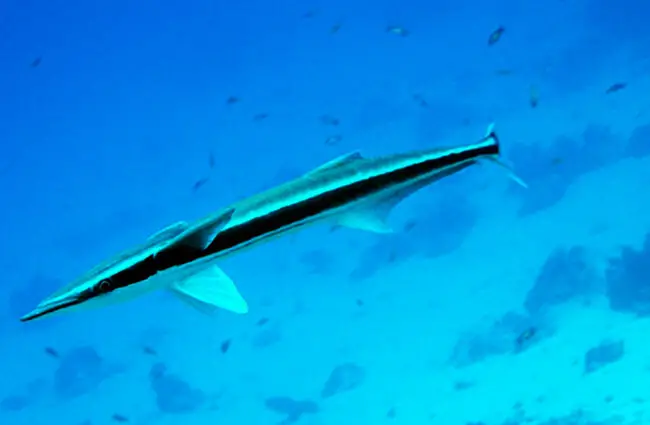
The evolution of the remora’s suction cup is a testament to natural selection. The ancestral remora likely possessed a typical dorsal fin. Over millions of years, gradual modifications turned the fin rays into a structure specialized for adhesion. This adaptation offered significant advantages, including protection from predators, access to food scraps, and efficient transportation. The suction cup is not simply a flat surface; it contains ridges and grooves that create a tight seal against the host’s skin, and microscopic teeth‑like structures enhance the grip.
Diet and Feeding Habits
Remoras are not active predators. Instead, they are opportunistic feeders that rely on their hosts for sustenance. They consume parasites, dead skin, and leftover food scraps from their hosts’ meals. This cleaning service can actually benefit the host animal, reducing parasite loads and promoting skin health. Occasionally, they also filter feed on plankton. Their mouths are protrusible, allowing them to efficiently gather food particles from the water or directly from their host.
Reproduction and Life Cycle
Information on remora reproduction in the wild is still limited. However, it is known that they are broadcast spawners, meaning the female releases eggs into the water column, where they are fertilized by sperm released by the male. The eggs are buoyant and drift with the currents. Remora larvae are planktonic, living as free‑floating organisms in the water column. As they grow, they develop the characteristic suction cup and begin to associate with larger marine animals. Remoras are believed to have a relatively long lifespan, possibly exceeding ten years.
Ecological Role and Interactions
Remoras play a subtle yet important role in marine ecosystems. Their cleaning behavior benefits their hosts, and they contribute to the overall health of the marine community. They also serve as a food source for certain predators, such as larger fish and marine mammals. Their presence can indicate the health of a marine environment. A decline in remora populations could signal a decline in the populations of their hosts or a degradation of the ecosystem. They have been observed coexisting with multiple species of hosts simultaneously.

Remoras and Humans: A Historical Relationship
Throughout history, remoras have fascinated humans. Ancient Greeks and Romans believed remoras could influence the speed of ships, leading to their occasional use in navigation. In some cultures, they were considered sacred or lucky charms. More recently, remoras have become popular among scuba divers and snorkelers, who enjoy observing these unique fish up close. In some parts of the world, they are even fished for consumption, though this is not widespread.
Encountering a Remora: What to Do
If you encounter a remora while diving or snorkeling, observe it from a respectful distance. Do not attempt to touch or disturb it. Remember that it is attached to another animal, and your actions could potentially harm both the remora and its host. If a remora accidentally attaches to you, remain calm and gently encourage it to detach. It will eventually release its grip on its own.
Remora Care in Captivity
Caring for remoras in aquariums requires specialized knowledge and attention. They need large tanks with ample swimming space and a diverse community of tank mates, including larger fish that they can associate with. Their diet should consist of small pieces of fish, shrimp, and other marine invertebrates. Regular water quality monitoring and maintenance are essential to ensure their health. It is important to provide them with opportunities to attach to surfaces or other animals to satisfy their natural instincts. Providing a varied and enriching environment is crucial for their well‑being.
Fun Facts about Remoras
- Some species of remoras can change their color to blend in with their hosts.
- They have a relatively small brain compared to their body size.
- Remoras can swim independently, but they prefer to attach to hosts for transportation.
- They have been observed accompanying manta rays and whales.
- Their suction cup is surprisingly strong, capable of withstanding strong currents.
Conclusion
The remora is a truly remarkable creature, a testament to the power of adaptation and the interconnectedness of life in the ocean. From its unique method of locomotion to its subtle ecological role, the remora continues to captivate and inspire. By understanding these fascinating fish, we can gain a deeper appreciation for the biodiversity of our planet and the importance of protecting marine ecosystems.
![Closeup of a beautiful Red Angus cowPhoto by: U.S. Department of Agriculture [pubic domain]https://creativecommons.org/licenses/by/2.0/](https://animals.net/wp-content/uploads/2020/03/Red-Angus-4-238x178.jpg "Red Angus")

![Closeup of a beautiful Red Angus cowPhoto by: U.S. Department of Agriculture [pubic domain]https://creativecommons.org/licenses/by/2.0/](https://animals.net/wp-content/uploads/2020/03/Red-Angus-4-100x75.jpg "Red Angus")