The red wolf, a creature of myth and mystery for many, occupies a unique and precarious position in the North American wilderness. Once roaming freely across much of the eastern and south‑central United States, its numbers dwindled to near extinction, making it one of the most endangered canids in the world. This article delves into the fascinating life history, ecological role, and conservation challenges surrounding this remarkable animal.
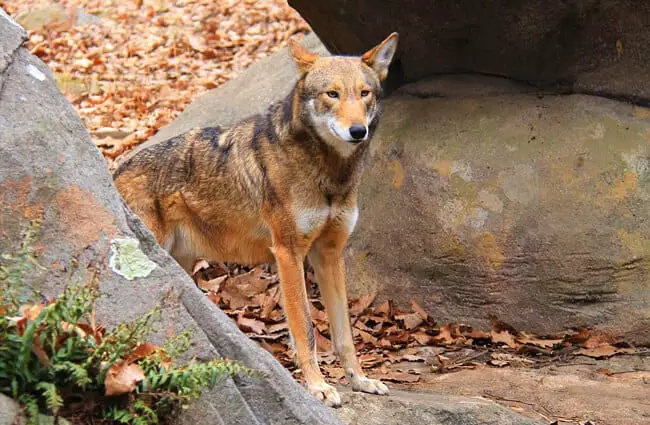
What is a Red Wolf?
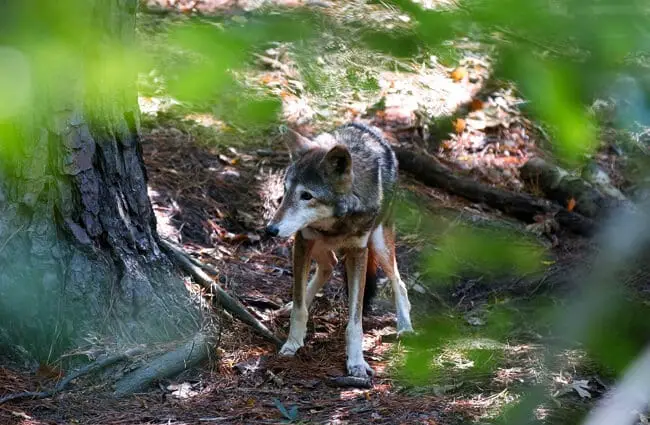
The red wolf (Canis rufus) is a medium sized canid, typically weighing between 60 and 80 pounds, and standing approximately 26 to 30 inches at the shoulder. Its coat is a mottled mix of reddish and gray hues, though color can vary geographically and seasonally. Distinctive markings include black tips on the ears and tail, and a reddish cast to the fur, hence the name. However, the red wolf is not simply a smaller, reddish colored gray wolf. Its genetic makeup reveals a complex evolutionary history, setting it apart from other North American wolves, coyotes, and dogs.
Habitat and Distribution
Historically, red wolves occupied a vast territory stretching from the southeastern United States to parts of Texas, Oklahoma, and Illinois. Today, the wild population is primarily confined to a limited area of eastern North Carolina, a result of dedicated reintroduction efforts. They favor diverse habitats, including forests, swamps, and grasslands, requiring large territories to hunt and raise their young. These territories generally range from 50 to 100 square miles.
The preferred habitat features dense undergrowth for cover, access to water sources, and ample prey. Red wolves are adaptable but heavily reliant on undisturbed areas. Human encroachment and habitat fragmentation pose significant threats to their continued survival.
Diet and Hunting Strategies
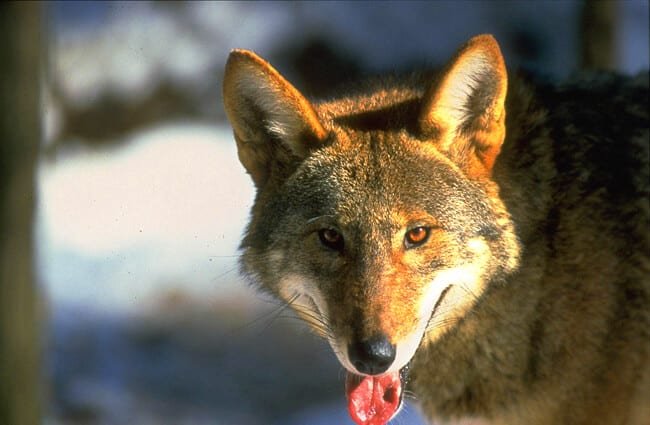
Red wolves are opportunistic predators with a varied diet. Their primary prey consists of white tailed deer, but they also consume smaller mammals like rabbits, rodents, and raccoons. They will occasionally feed on birds, reptiles, and even insects. Their hunting strategy is often cooperative, with pack members working together to pursue and take down larger prey.
Unlike gray wolves which often rely on brute force, red wolves exhibit a more agile and strategic approach. They are known for their ability to navigate dense undergrowth and utilize terrain to their advantage. A healthy adult red wolf requires approximately 5 to 7 pounds of food per day.
Social Structure and Reproduction
Red wolves are social animals, living in packs typically consisting of a breeding pair and their offspring. Pack size varies, but generally ranges from 5 to 8 individuals. The breeding pair, known as the alpha pair, leads the pack and is responsible for making decisions about hunting, territory defense, and raising the young.
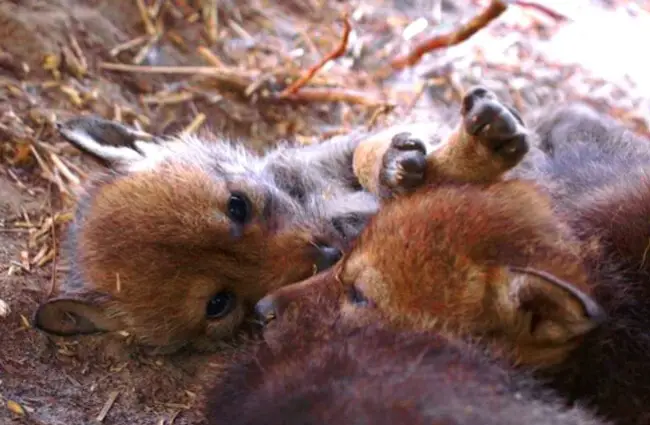
Breeding season typically occurs in late winter or early spring. After a gestation period of approximately 63 days, the female gives birth to a litter of 4 to 6 pups. Pups are born blind and helpless, relying entirely on their mother for care. They are gradually weaned and begin to participate in hunts, learning essential survival skills from the adults. Dispersal from the natal pack typically occurs between one and three years of age, as young wolves seek to establish their own territories and breeding pairs.
Ecological Role and Interactions with Other Animals
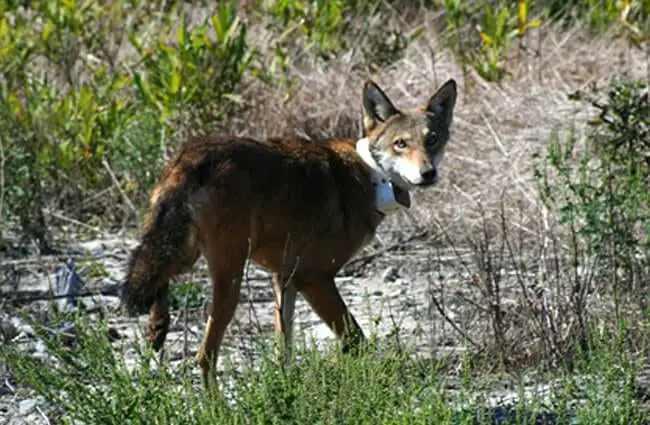
As apex predators, red wolves play a crucial role in maintaining the health and balance of their ecosystems. By controlling populations of deer and other herbivores, they prevent overgrazing and promote forest regeneration. They also help regulate populations of smaller predators and scavengers. Their presence can even indirectly benefit certain prey species by reducing competition from other predators.
Red wolves interact with a variety of other animals, including coyotes, bobcats, and black bears. Competition for resources can occur, but these interactions are often complex and variable. In some cases, red wolves may even displace coyotes from their territories. They also contribute to nutrient cycling through their scavenging activities.
Red Wolves and Human History
Historically, red wolves coexisted with Native American populations, often featuring prominently in their folklore and spiritual beliefs. However, with the arrival of European settlers, their numbers began to decline due to habitat loss, hunting, and persecution. By the mid twentieth century, red wolves were on the brink of extinction.
In 1973, they were listed as an endangered species under the Endangered Species Act, and a captive breeding program was established to help restore their population. Reintroduction efforts began in the 1980s, but have faced numerous challenges, including hybridization with coyotes, illegal shooting, and habitat loss. Their relationship with humans remains complex, requiring ongoing conservation efforts and public education.
Conservation Status and Challenges
As of 2023, the red wolf remains critically endangered. Current estimates suggest that fewer than 20 red wolves roam freely in the wild, while approximately 250 individuals exist in captive breeding facilities. Hybridization with coyotes continues to be a major threat, blurring the lines between species and reducing the genetic purity of the red wolf population.
Other challenges include habitat fragmentation, human encroachment, and the potential for disease outbreaks. Effective conservation strategies require a multi pronged approach, including habitat restoration, coyote control, genetic management, and public education. Continued monitoring and research are also essential to track population trends and assess the effectiveness of conservation efforts.
Encountering a Red Wolf in the Wild
Red wolves are elusive and generally avoid human contact. However, if you encounter one, it is important to remain calm and observe from a safe distance. Do not approach the animal, and never attempt to feed it. Slowly back away, maintaining eye contact, and report the sighting to local wildlife authorities. If the wolf appears aggressive, make yourself appear larger by raising your arms and making noise.
Caring for Red Wolves in Captivity
Zookeepers caring for red wolves must provide a stimulating and enriching environment that mimics their natural habitat. This includes spacious enclosures with varied terrain, opportunities for social interaction, and a diet that closely resembles their wild prey. Regular veterinary care is essential to monitor their health and prevent disease. It is also crucial to participate in the Species Survival Plan (SSP), a collaborative effort to maintain a genetically diverse captive population.
Fascinating Facts about Red Wolves
Here are a few additional tidbits about this remarkable species:
- Red wolves communicate through a variety of vocalizations, including howls, barks, whines, and growls.
- Their coat color can vary depending on the season and geographic location.
- They are capable of running at speeds of up to 40 miles per hour.
- Red wolves help maintain forest diversity by controlling herbivore populations.
- They have a complex social hierarchy, with alpha pairs dominating the pack.
The red wolf’s story is a testament to the delicate balance of nature and the importance of conservation. Its survival depends on our continued efforts to protect its habitat, manage its population, and educate the public about its ecological significance. While facing tremendous odds, the red wolf remains a symbol of resilience and a reminder of the wild beauty that still exists in the world.
![Closeup of a beautiful Red Angus cowPhoto by: U.S. Department of Agriculture [pubic domain]https://creativecommons.org/licenses/by/2.0/](https://animals.net/wp-content/uploads/2020/03/Red-Angus-4-238x178.jpg "Red Angus")


![Closeup of a beautiful Red Angus cowPhoto by: U.S. Department of Agriculture [pubic domain]https://creativecommons.org/licenses/by/2.0/](https://animals.net/wp-content/uploads/2020/03/Red-Angus-4-100x75.jpg "Red Angus")