The red deer, a majestic and widespread member of the deer family, commands attention with its size, grace, and the impressive antlers sported by males. Found across Europe, parts of Asia, and introduced populations in other regions, this herbivore plays a vital ecological role and holds a significant place in human history and culture. This comprehensive guide delves into the world of the red deer, exploring its biology, behavior, habitat, and interactions with both the environment and humankind.
Understanding the Red Deer
Physical Characteristics
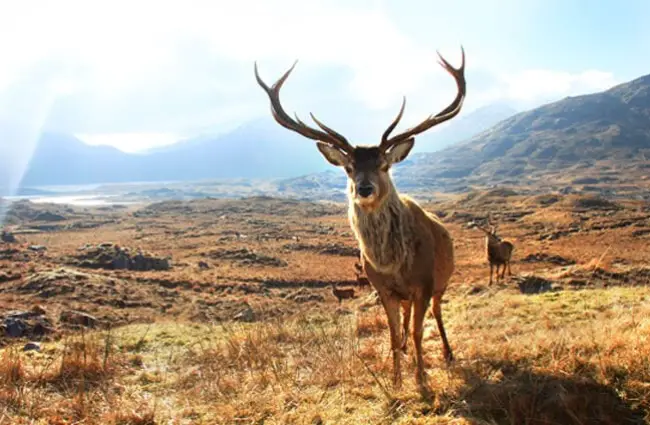
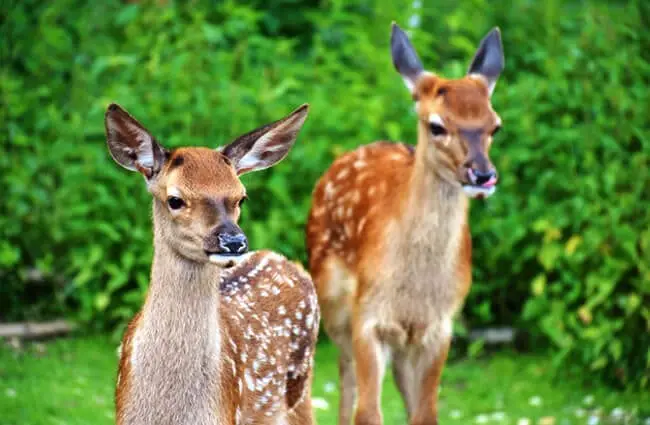
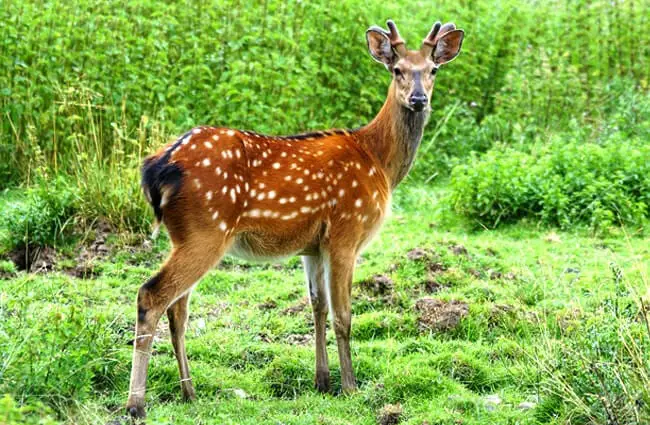
Red deer, Cervus elaphus, are among the largest deer species. Stags, or male red deer, typically stand between 1.8 and 2.1 meters tall at the shoulder and weigh between 160 and 270 kilograms. Hinds, the females, are smaller, measuring around 1.3 to 1.6 meters tall and weighing 80 to 140 kilograms. Their coat is generally reddish-brown in summer, becoming grayer in winter. A distinctive feature is the presence of a pale or whitish patch on the rump, known as a mirror, which becomes more prominent when the deer is alarmed. Calves, or fawns, are born with spotted coats for camouflage, a pattern they lose within a few months.
Habitat and Distribution
Red deer are remarkably adaptable, inhabiting a variety of landscapes. They thrive in temperate broadleaf and mixed forests, coniferous forests, and even open moorland and grasslands. Their distribution is widespread across Europe, from the Mediterranean to Scandinavia, and extends into parts of Asia, including Turkey, Iran, and parts of Russia. Introduced populations also exist in New Zealand, Australia, and Argentina. They prefer areas with sufficient cover for protection and access to grazing land. Altitude is not usually a limiting factor, and they can be found from sea level to over 2000 meters in mountainous regions.
Red Deer Behavior and Ecology
Diet and Foraging
Red deer are herbivores. Their diet consists primarily of grasses, leaves, twigs, shrubs, and fruits. They are selective feeders, choosing nutrient-rich plants when available. In winter, when food is scarce, they may browse on evergreen vegetation or resort to eating bark. Red deer are ruminants, possessing a four-chambered stomach that allows them to efficiently digest plant matter. They spend a significant portion of their day foraging, often traveling long distances to find suitable grazing areas.
Social Structure and Reproduction
Red deer exhibit complex social behavior. During the breeding season, known as the rut, stags compete fiercely for access to hinds. This competition involves vocalizations, displays of dominance, and sometimes physical confrontations. The most dominant stags establish harems of hinds. The rut typically occurs in late summer and autumn. Gestation lasts around nine months, and hinds usually give birth to a single calf in late spring or early summer. Calves remain dependent on their mothers for several months, learning essential survival skills. Red deer generally live in herds, offering protection from predators and facilitating foraging. Herd size can vary depending on habitat and season.
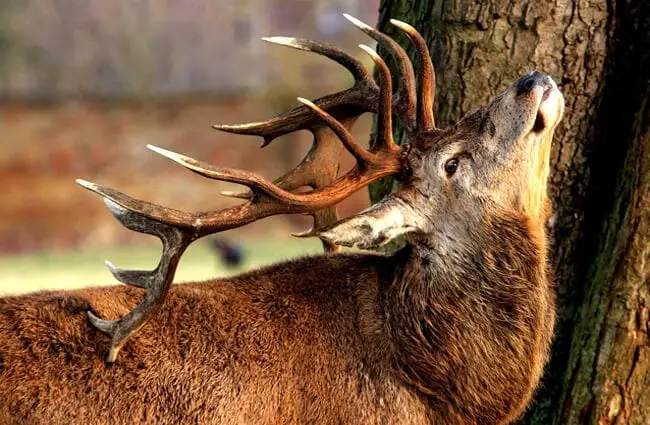
Antlers and the Rut
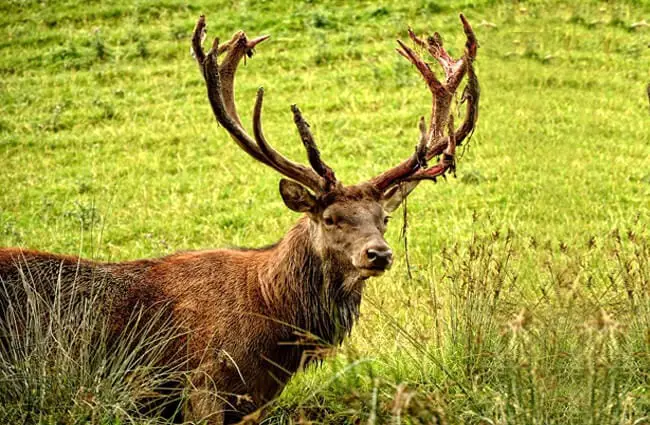
The antlers of red deer stags are truly remarkable structures. They are made of bone and grow rapidly during the spring and summer, covered in a velvet-like skin that provides nutrients. As the rut approaches, the velvet is shed, revealing the polished antlers. Antler size and complexity are indicators of a stag’s age, health, and dominance. After the rut, the antlers are shed annually, and the growth process begins anew. The development of antlers is heavily influenced by testosterone levels and nutrition.
Red Deer and the Ecosystem
Ecological Role
Red deer play a crucial role in maintaining the health and diversity of their ecosystems. As herbivores, they influence plant communities through grazing and browsing. Their selective feeding patterns can promote the growth of certain plant species while suppressing others. They also serve as prey for large carnivores, such as wolves, lynx, and bears, contributing to the food web. Red deer droppings provide nutrients that enrich the soil, benefiting plant growth.
Interactions with Other Animals
Beyond predator-prey relationships, red deer interact with various other animal species. They often coexist with other deer species, such as roe deer and fallow deer. They may also compete with livestock for grazing resources. Certain bird species, such as ravens and magpies, benefit from scavenging on red deer carcasses. Ticks and other parasites commonly infest red deer, potentially transmitting diseases.
Red Deer and Human History
Cultural Significance
Red deer have held a prominent place in human culture for millennia. They are depicted in prehistoric cave paintings and feature in the folklore and mythology of many European cultures. In some societies, red deer were symbols of royalty, power, and nobility. Venison, the meat of red deer, has been a valuable food source for humans for centuries. Red deer antlers have been used to make tools, weapons, and ornaments.
Human Impact and Conservation
Throughout history, human activities have significantly impacted red deer populations. Hunting, habitat loss, and deforestation have all contributed to declines in certain areas. However, conservation efforts, such as habitat restoration, hunting regulations, and reintroduction programs, have helped to stabilize and even increase red deer populations in many regions. Today, red deer are generally considered to be a relatively stable species, although ongoing monitoring and conservation are essential to ensure their long-term survival.
Encountering Red Deer in the Wild and in Captivity
Observing Red Deer Responsibly
If you are fortunate enough to encounter red deer in the wild, it is important to observe them from a respectful distance. Avoid approaching them closely or attempting to feed them. Keep noise to a minimum and avoid sudden movements. Be particularly cautious during the rut and when hinds have calves. Respect their habitat and avoid disturbing vegetation or leaving litter.
Caring for Red Deer in Captivity
Zookeepers caring for red deer require a detailed understanding of the species’ needs. A spacious enclosure that mimics their natural habitat is essential, with access to grazing areas, shelter from the elements, and enrichment activities to stimulate their natural behaviors. Diet should consist of high-quality forage, supplemented with grains and minerals. Regular veterinary care, including parasite control and vaccinations, is crucial. Social interaction with other deer is important, and enclosures should be designed to allow for natural herd dynamics.
Fascinating Facts about Red Deer
Velvet Shedding: The shedding of velvet from antlers is a painful but necessary process, revealing the bony core beneath.
Rut Roars: During the rut, stags emit loud roars to attract hinds and intimidate rivals. These roars can be heard from considerable distances.
Long Distance Travelers: Red deer can migrate long distances in search of food and suitable breeding grounds.
Lifespan: In the wild, red deer typically live for 10 to 15 years, but they can live for up to 20 years in captivity.
Calf Spot Patterns: Each red deer calf has a unique spot pattern, similar to human fingerprints.
The red deer continues to captivate and inspire, a testament to the beauty and complexity of the natural world. By understanding its biology, behavior, and ecological role, we can better appreciate and protect this magnificent creature for generations to come.
![Closeup of a beautiful Red Angus cowPhoto by: U.S. Department of Agriculture [pubic domain]https://creativecommons.org/licenses/by/2.0/](https://animals.net/wp-content/uploads/2020/03/Red-Angus-4-238x178.jpg "Red Angus")
![Closeup of a beautiful Red Angus cowPhoto by: U.S. Department of Agriculture [pubic domain]https://creativecommons.org/licenses/by/2.0/](https://animals.net/wp-content/uploads/2020/03/Red-Angus-4-100x75.jpg "Red Angus")