The Ruby Jewel of the Pasture: Unveiling the World of Red Angus Cattle
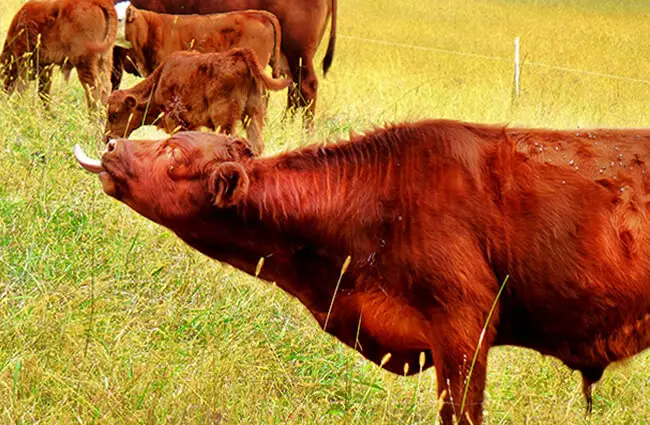
In the vast tapestry of livestock breeds, few animals capture the imagination quite like the Red Angus. With their distinctive russet coats and naturally polled heads, these cattle are more than just a pretty face in the pasture. They represent a fascinating story of genetic inheritance, adaptability, and a profound impact on agriculture worldwide. From their humble beginnings on the windswept moors of Scotland to their prominent role in modern beef production, the Red Angus offers a compelling subject for anyone interested in animal science, genetics, or the intricate relationship between humans and the animal kingdom.
A Glimpse into Red Angus History and Evolution
From Scottish Moors to Global Ranches
The story of the Red Angus is inextricably linked to its more famous cousin, the Black Angus. Both breeds trace their lineage back to the hardy, polled cattle of Aberdeenshire and Angus counties in northeastern Scotland during the 18th and 19th centuries. Originally, the Angus breed encompassed both black and red individuals. However, as breeders began to favor the dominant black coat color for its uniformity and market preference, the red-coated animals were often culled or overlooked. The red color in Angus cattle is a recessive genetic trait, meaning an animal must inherit the red gene from both parents to express the red coat. If a black Angus carries one copy of the red gene, it will appear black but can still produce red offspring if bred with another carrier or a red Angus.
It was in the United States, particularly in the mid-20th century, that a concerted effort began to preserve and promote the Red Angus. Breeders recognized the inherent qualities of these red cattle, including their hardiness, maternal traits, and excellent carcass characteristics, which were identical to their black counterparts. The Red Angus Association of America was formed in 1954, marking a pivotal moment in the breed’s journey from a genetic anomaly to a recognized and highly valued breed in its own right. This dedication ensured that the valuable genetic diversity represented by the red coat was not lost, allowing the breed to flourish globally.
![Red Angus cow and calf Photo by: U.S. Department of Agriculture [public domain] https://creativecommons.org/licenses/by/2.0/](https://animals.net/wp-content/uploads/2020/03/Red-Angus-6-650x425.jpg)
Where to Find Red Angus: Habitat and Distribution
For the animal lover hoping to spot a Red Angus in the wild, it is crucial to understand that these magnificent creatures are domesticated livestock. They do not roam free in natural “wild” habitats in the same way deer or bison might. Instead, their habitat is primarily managed pastures, ranches, and farms across the globe. Red Angus cattle are renowned for their adaptability, thriving in a wide range of climates, from the cold winters of the northern plains to the hot, humid summers of the southern United States, and even in diverse environments across Canada, Australia, South America, and Europe. Their robust nature allows them to perform well in various forage conditions, making them a popular choice for cattle producers seeking efficient and resilient animals.
![small herd of Red Angus Photo by: U.S. Department of Agriculture [public domain] https://creativecommons.org/licenses/by/2.0/](https://animals.net/wp-content/uploads/2020/03/Red-Angus-2-650x425.jpg)
The Red Angus Diet: Grazers Extraordinaire
Red Angus cattle are herbivores, specifically grazers, meaning their primary diet consists of grasses and other forages. In a typical ranch setting, they spend the majority of their day grazing on pastures, converting fibrous plant material into energy and nutrients. Their digestive system, a four-compartment stomach characteristic of ruminants, is highly efficient at breaking down cellulose. Beyond pasture grazing, their diet is often supplemented with hay, silage, and various feed concentrates, especially during periods of limited forage availability, such as winter, or to meet specific nutritional demands for growth, reproduction, or lactation. Access to fresh, clean water is also paramount for their health and productivity. Mineral supplements, often provided in block or loose form, ensure they receive essential micronutrients that might be lacking in their forage.
![Closeup of a beautiful Red Angus cow Photo by: U.S. Department of Agriculture [public domain] https://creativecommons.org/licenses/by/2.0/](https://animals.net/wp-content/uploads/2020/03/Red-Angus-4-650x425.jpg)
Life Cycle and Reproduction: The Art of Calving
The reproductive cycle of Red Angus cattle is a cornerstone of their economic value. Heifers, or young females, typically reach sexual maturity and are bred around 14 to 15 months of age, aiming for their first calf by two years old. The gestation period for a Red Angus cow is approximately 283 days, or just over nine months. One of the most celebrated traits of the Red Angus breed is their exceptional calving ease. This means cows generally experience fewer difficulties during birth, which is a significant advantage for producers as it reduces calf mortality and veterinary intervention. Red Angus cows are also known for their strong maternal instincts, diligently caring for and protecting their calves. Calves are born weighing between 60 to 90 pounds and are typically weaned from their mothers around 6 to 8 months of age, though this can vary depending on management practices. The goal in Red Angus breeding is often to produce one healthy calf per cow per year, a testament to their reproductive efficiency and longevity.
![Herd of Red Angus Photo by: U.S. Department of Agriculture [public domain] https://creativecommons.org/licenses/by/2.0/](https://animals.net/wp-content/uploads/2020/03/Red-Angus-3-650x425.jpg)
Red Angus in the Ecosystem and Beyond
Interaction with Other Animals
While primarily managed livestock, Red Angus cattle do interact with their environment and other animals. As grazers, they play a role in pasture management, helping to control vegetation growth and cycle nutrients through their waste. In managed ecosystems, their grazing can influence plant diversity and soil health. They are prey animals by nature, and while domesticated, they retain some instinctual behaviors. In areas where large predators like wolves or coyotes exist, a herd of Red Angus will exhibit protective behaviors, often grouping together to shield calves. However, their primary interactions are with humans, who manage their health, diet, and breeding. They often share pastures with other livestock, such as horses or sheep, generally coexisting peacefully.
A Cultural Cornerstone: Red Angus and Humanity
The Red Angus breed holds significant cultural and economic importance, primarily within the beef industry. They are highly valued for their consistent production of high-quality beef, known for its marbling, tenderness, and flavor. Their contribution to human culture is largely through their role as a food source, providing sustenance and economic stability to countless communities involved in ranching, processing, and distribution. Historically, cattle have been central to human civilization, providing not just food but also labor, hides, and even fuel. The Red Angus continues this legacy, adapting to modern agricultural demands while maintaining the robust qualities that made their ancestors so valuable. Their distinctive red color has also made them a recognizable and often admired sight in rural landscapes, embodying a sense of tradition and agricultural heritage.
![A young Red Angus calf nursing from his mother Photo by: U.S. Department of Agriculture [public domain] https://creativecommons.org/licenses/by/2.0/](https://animals.net/wp-content/uploads/2020/03/Red-Angus-5-650x425.jpg)
Encountering Red Angus: A Guide for Hikers and Animal Lovers
If you are a hiker or an animal lover traversing rural landscapes, you might encounter Red Angus cattle in a pasture. It is important to remember that these are livestock, not wild animals, and they belong to a farmer or rancher. Here is what to do:
- Observe from a Distance: Always maintain a respectful distance. Do not approach cattle, especially cows with calves, as mothers can be protective.
- Do Not Feed Them: Feeding livestock can disrupt their diet, make them dependent on humans, and potentially lead to aggressive behavior.
- Keep Dogs Leashed: If you have a dog, keep it on a leash and under control. Dogs can agitate cattle, leading to dangerous situations for both your pet and the livestock.
- Respect Fences and Gates: Never climb over fences or leave gates open. These are there to contain the animals and protect property.
- Move Calmly: If cattle are in your path, move slowly and calmly around them. Avoid sudden movements or loud noises that might startle them.
- Understand Their Temperament: Red Angus are generally known for their docile temperament, but like all animals, they can be unpredictable if they feel threatened or cornered.
The Zoologist’s Lens: Deeper Insights into Red Angus
Genetic Marvels: The Red Gene and Polled Trait
From a zoological perspective, the Red Angus offers fascinating insights into Mendelian genetics. The red coat color is controlled by a single gene locus with two alleles: the dominant black allele (B) and the recessive red allele (b). An animal with genotype BB or Bb will be black, while only an animal with genotype bb will express the red coat. This simple genetic mechanism allowed for the re-establishment of the Red Angus as a distinct breed. Furthermore, Red Angus cattle are naturally polled, meaning they are born without horns. This trait is also genetically dominant, making them highly desirable for producers as it eliminates the need for dehorning, a stressful procedure for the animals and a labor-intensive task for farmers. The combination of these two traits, red and polled, makes the Red Angus a genetically distinct and valuable population within the broader Angus family.
Behavioral Ecology and Social Structure
Red Angus, like other cattle breeds, exhibit complex social behaviors. They live in herds, which provide safety in numbers and facilitate social learning. Within a herd, a dominance hierarchy typically forms, influencing access to resources like feed and water. Communication occurs through a variety of vocalizations, body postures, and scent marking. Cows are highly social and form strong bonds with their calves, often staying together for extended periods. Bulls, especially during breeding season, may exhibit more aggressive behaviors as they compete for breeding rights. Their temperament is generally considered docile and easy to handle, a trait that has been selectively bred for over generations, making them suitable for various management systems. Understanding these behaviors is crucial for effective animal husbandry and ensuring the welfare of the herd.
Caring for Red Angus: A Zookeeper’s Handbook
For a zookeeper caring for Red Angus, whether in a conservation exhibit or a managed farm setting, a comprehensive approach to husbandry is essential. The goal is to replicate, as much as possible, a natural and stress-free environment while meeting all their physiological and behavioral needs.
Daily Husbandry and Nutritional Needs
- Diet: Provide a consistent diet primarily of high-quality forage (grass, hay). Supplement with grain or specialized feed as needed, based on age, reproductive status, and activity level. Consult with a nutritionist to formulate balanced rations.
- Water: Ensure constant access to fresh, clean water. Water troughs should be cleaned regularly to prevent algae growth and contamination.
- Shelter: Provide adequate shelter from extreme weather conditions, including sun, rain, and wind. This could be natural tree cover or man-made structures.
- Space: Red Angus require ample space for grazing, movement, and social interaction. Overcrowding can lead to stress and health issues.
- Cleanliness: Maintain clean bedding in sheltered areas and ensure pastures are free of hazards.
Health Management and Veterinary Care
- Veterinary Program: Establish a regular veterinary care schedule for vaccinations, deworming, and routine health checks.
- Observation: Daily observation for signs of illness, injury, or distress is critical. Look for changes in appetite, demeanor, lameness, or unusual discharges.
- Parasite Control: Implement a robust internal and external parasite control program, tailored to the local environment and herd needs.
- Hoof Care: Monitor hoof health and trim as necessary to prevent lameness.
- Avoidance: Avoid sudden changes in diet, extreme temperature fluctuations without adequate shelter, and rough handling, all of which can cause significant stress and compromise immunity.
Social and Environmental Enrichment
- Herd Environment: Red Angus are social animals. They should be housed in groups to allow for natural social interactions and hierarchy formation.
- Foraging Opportunities: Provide varied foraging opportunities to stimulate natural grazing behaviors.
- Gentle Handling: Always use calm, patient, and consistent handling techniques. Positive reinforcement can be beneficial. Avoid yelling, chasing, or using electric prods unnecessarily.
- Environmental Stimulation: While not as complex as some other species, providing varied terrain and access to different parts of their enclosure can offer mental and physical stimulation.
Fascinating Facts About Red Angus
- The red coat color is a recessive trait, meaning both parents must carry the red gene for a calf to be red.
- Red Angus are naturally polled, born without horns, a highly desirable trait for safety and ease of management.
- They are renowned for their exceptional calving ease, making them a favorite among cattle producers.
- The breed is celebrated for its superior carcass quality, producing well-marbled, tender beef.
- Red Angus cattle are highly adaptable and can thrive in diverse climates and forage conditions around the world.
- They are known for their docile temperament, making them relatively easy to handle.
- The Red Angus Association of America was formed in 1954 to promote and register the red-coated Angus cattle.
- Despite their color difference, Red Angus share the same genetic lineage and performance characteristics as Black Angus.
- Their maternal instincts are strong, with cows being excellent mothers who protect and nurture their calves.
- The red color is believed by some to offer better heat tolerance in sunny climates compared to black cattle, though scientific evidence on this is debated.
Conclusion: The Enduring Legacy of the Red Angus
From a genetic quirk to a global agricultural powerhouse, the journey of the Red Angus is a testament to the power of selective breeding and the appreciation of inherent quality. These ruby-coated cattle embody resilience, productivity, and a gentle nature that has endeared them to ranchers and consumers alike. Whether you are a student delving into their evolutionary past, an aspiring zoologist studying their unique genetics, a hiker admiring them from afar, or a zookeeper ensuring their well-being, the Red Angus offers a rich and rewarding subject. Their story is a vibrant thread in the ongoing narrative of human interaction with the animal world, a story of adaptation, utility, and enduring charm.
![Closeup of a beautiful Red Angus cowPhoto by: U.S. Department of Agriculture [pubic domain]https://creativecommons.org/licenses/by/2.0/](https://animals.net/wp-content/uploads/2020/03/Red-Angus-4-100x75.jpg "Red Angus")