A Comprehensive Guide to Rattlesnakes
Rattlesnakes, iconic reptiles of the Americas, evoke both fascination and fear. These venomous snakes play a crucial role in their ecosystems, and understanding their biology, behavior, and habitat is essential for both conservation and safe coexistence. This guide delves into the world of rattlesnakes, covering everything from their evolutionary origins to their interactions with humans.
What are Rattlesnakes?
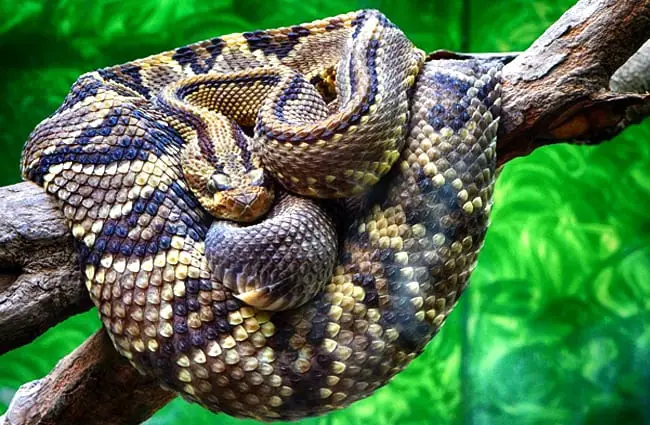
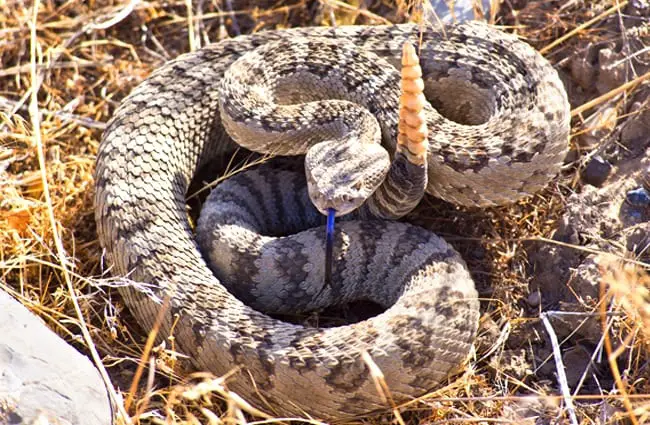
Rattlesnakes belong to the genera Crotalus and Sistrurus, both members of the pit viper family (Viperidae). They are characterized by their distinctive rattles, which are formed by interlocking keratin segments at the end of their tails. This unique feature serves as a warning signal to potential predators—and humans—alerting them to the snake’s presence and venomous capabilities. There are over 30 recognized species of rattlesnakes, each with varying patterns, sizes, and habitats.
Physical Characteristics
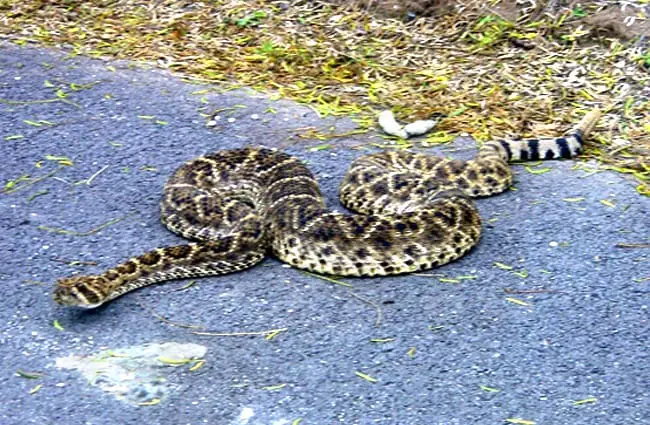
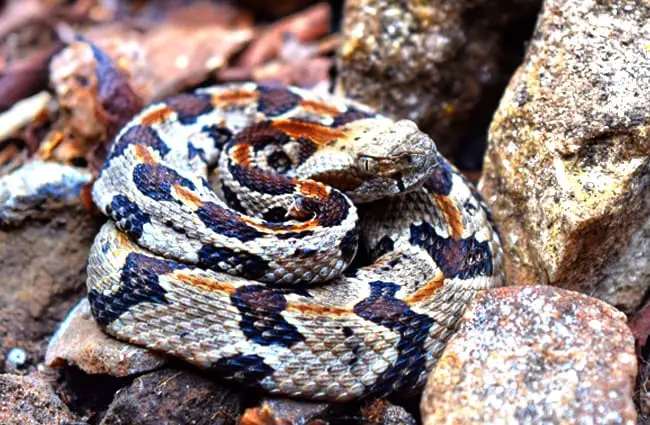
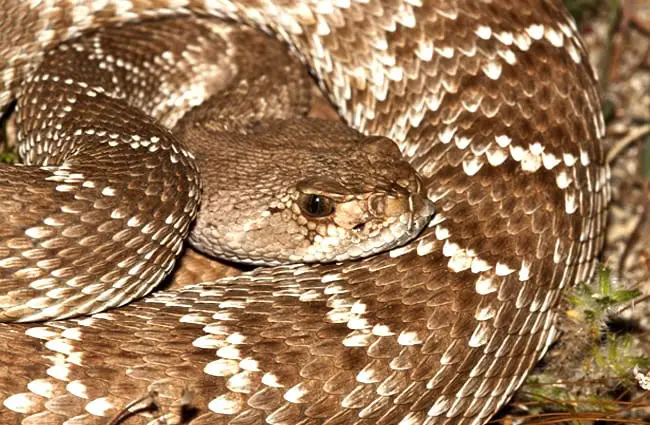
Rattlesnakes are relatively thick‑bodied snakes, possessing a triangular head wider than their neck. Their coloration ranges from browns and grays to reddish hues and patterns. This camouflage aids them in blending with their surroundings, assisting in both ambush predation and avoidance of detection. Adult rattlesnakes typically range in length from 3 to 6 feet, although some species can reach slightly larger sizes.
Evolutionary History
The evolutionary origins of rattlesnakes can be traced back to the viper family, which emerged during the Eocene epoch, approximately 56 to 34 million years ago. The earliest rattlesnakes are believed to have evolved in North America, with fossils dating back to the Miocene epoch (around 23 to 5 million years ago). The development of the rattle itself is thought to have evolved as a defensive mechanism to deter predators.
Habitat and Distribution
Rattlesnakes are found exclusively in the Americas, ranging from southern Canada to Argentina. They inhabit a diverse range of habitats, including deserts, grasslands, forests, and rocky canyons. Different species have adapted to specific environments. For example, the Mojave rattlesnake thrives in arid desert conditions, while the timber rattlesnake prefers forested areas with rocky outcrops.
Diet and Hunting Strategies
Rattlesnakes are carnivores, preying on a variety of animals, including rodents, rabbits, birds, lizards, and even other snakes. They are ambush predators, relying on camouflage and patience to capture their prey. They use their heat‑sensing pits, located between their eyes and nostrils, to detect the body heat of warm‑blooded animals, even in complete darkness. Once prey is within striking distance, the rattlesnake delivers a venomous bite, immobilizing or killing the animal.
Reproduction and Life Cycle
Rattlesnakes are generally solitary creatures, coming together only for mating. Breeding typically occurs in the spring or fall. Females can either lay eggs (oviparous) or give birth to live young (viviparous), depending on the species. The number of offspring varies, but litters can range from a few to over 20 young. Young rattlesnakes are born with functional venom and a small button at the end of their tail, which develops into a rattle after the first shed. Rattlesnakes have relatively slow growth rates and can live for over 20 years in the wild.
Rattlesnakes and the Ecosystem
Rattlesnakes play a vital role in maintaining the health of their ecosystems. As apex predators, they help regulate populations of rodents and other small animals, preventing overgrazing and maintaining biodiversity. They also serve as prey for larger predators, such as hawks, eagles, and coyotes. Their venom is being studied for potential medical applications, including the development of new drugs for treating cancer and heart disease.
Rattlesnake Behavior and Communication
Beyond the iconic rattle warning, rattlesnakes communicate in subtle ways. Body language, such as coiling and raising the head, plays a role in territorial disputes and courtship displays. While often perceived as aggressive, rattlesnakes typically only strike when threatened or provoked. Understanding their behavior can significantly reduce the risk of encounters.
Rattlesnakes and Humans: Interactions and Safety
Encounters between humans and rattlesnakes are becoming more frequent as human populations expand into rattlesnake habitats. Most bites occur when people accidentally step on or disturb a snake. If you encounter a rattlesnake, it is crucial to remain calm and give it plenty of space. Do not attempt to handle or harass the snake. If bitten, seek immediate medical attention. Antivenom is available, but its effectiveness depends on the time elapsed since the bite.
First Aid for Rattlesnake Bites:
- Stay calm and call for emergency medical help immediately.
- Remove any constricting items like jewelry or tight clothing.
- Keep the bitten area still and below heart level.
- Do NOT apply a tourniquet, cut the wound, or attempt to suck out the venom.
Rattlesnakes in Culture and Mythology
Rattlesnakes have held significant cultural importance for indigenous peoples of the Americas for centuries. They often feature prominently in mythology, folklore, and religious ceremonies, symbolizing transformation, healing, and protection. The snake’s venom has been used in traditional medicine, and its shed skin is sometimes used in rituals. In some cultures, the rattle itself is considered a sacred object.
Rattlesnake Conservation Status and Threats
While many rattlesnake species are currently considered stable, some populations are facing threats due to habitat loss, fragmentation, and human persecution. Road mortality is also a significant concern. Conservation efforts include habitat protection, responsible land management, and public education about the importance of rattlesnakes in the ecosystem.
Caring for Rattlesnakes in Captivity
Keeping rattlesnakes as pets requires specialized knowledge, facilities, and a commitment to responsible animal care. Enclosures must be secure, appropriately sized, and equipped with temperature gradients, humidity control, and suitable substrate. A diet of appropriately sized rodents is essential. Strict safety protocols must be followed to prevent accidental bites. It is crucial to check local regulations regarding the legality of owning venomous snakes.
Fascinating Rattlesnake Facts
- Rattlesnakes shed their skin at regular intervals as they grow, with the timing influenced by environmental conditions.
- The rattle is not a reliable indicator of a snake’s age; it breaks and regrows throughout the snake’s life.
- Some rattlesnake species can buzz their rattles as a warning signal.
- Rattlesnakes can go for extended periods without eating.
- The venom contains enzymes that help break down prey tissues after ingestion.
Rattlesnakes, with their unique adaptations and ecological significance, continue to captivate and challenge our understanding of the natural world. By promoting awareness and responsible coexistence, we can ensure that these remarkable reptiles thrive for generations to come.




![Closeup of a beautiful Red Angus cowPhoto by: U.S. Department of Agriculture [pubic domain]https://creativecommons.org/licenses/by/2.0/](https://animals.net/wp-content/uploads/2020/03/Red-Angus-4-100x75.jpg "Red Angus")