What is a Rat Squirrel? An Introduction to Sciurus griseus
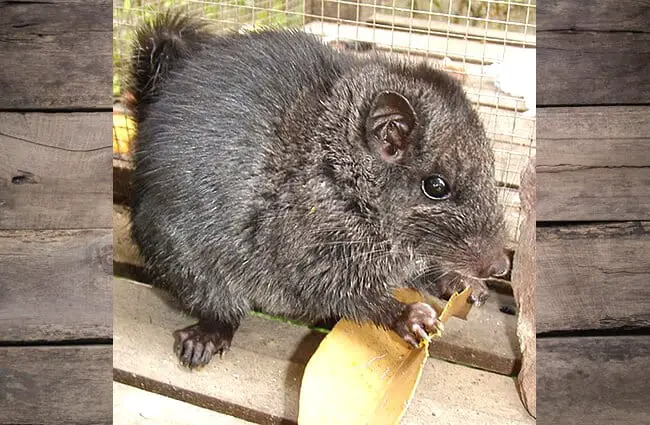
The term “Rat Squirrel” often evokes a curious image. Is it a rodent resembling a rat, or a squirrel behaving unusually? The answer lies with Sciurus griseus, commonly known as the Western Gray Squirrel. These intriguing creatures, native to the western portions of North America, frequently get mislabeled due to their size, color, and sometimes, their bolder behaviors compared to their eastern cousins. More than just a furry face in the trees, the Western Gray Squirrel plays a vital role in its ecosystem and has a surprisingly rich history, both natural and cultural. This guide delves into the world of the Rat Squirrel, exploring its habitat, behavior, diet, reproduction, and interactions with both the environment and humans.
Habitat and Distribution
The Western Gray Squirrel’s range extends from the Pacific coast of the United States, stretching eastward into parts of Arizona, Nevada, and even southern British Columbia. They are predominantly found in mature conifer and oak woodlands, favoring forests with a dense canopy cover. These forests provide crucial resources – food, shelter, and safe pathways for navigating their territory. Specific habitat preferences vary depending on geographic location. Coastal populations thrive in redwood and Douglas-fir forests, while inland populations favor ponderosa pine and oak woodlands. A key element of their preferred habitat is the presence of large trees with abundant cavities, utilized for nesting and shelter. They are adaptable but sensitive to habitat fragmentation, making intact forest ecosystems critical for their survival.
Evolutionary History: A Squirrel’s Family Tree
The evolutionary history of the Western Gray Squirrel, like that of most squirrels, is rooted in the Paleocene and Eocene epochs, over 50 million years ago. Early squirrel-like ancestors were small, arboreal mammals that gradually diversified into the numerous species we see today. The Sciurus genus, to which the Western Gray Squirrel belongs, is believed to have originated in North America before spreading to other continents. Within the genus, Sciurus griseus likely evolved in response to the specific environmental conditions of the western forests. Genetic studies suggest a relatively recent divergence from other gray squirrel species, contributing to the unique characteristics of the Rat Squirrel – its larger size, distinctive coloration, and specific ecological niche. Understanding this evolutionary lineage provides insights into the adaptations that have allowed this species to thrive in a dynamic environment.
Diet and Foraging Behavior
The Western Gray Squirrel is primarily an omnivore, with a varied diet that reflects the seasonal availability of food. Their diet consists of pine seeds, acorns, nuts, fruits, berries, fungi, and occasionally, buds, flowers, insects, or bird eggs. Pine seeds, particularly from sugar pine and ponderosa pine, constitute a significant portion of their diet. Acorns are another crucial food source, especially during the fall and winter. They exhibit a fascinating behavior called “scatter hoarding,” where they bury individual nuts and seeds in numerous locations. This helps them survive the winter months when food is scarce. Their strong teeth and powerful jaws are perfectly adapted for cracking open nuts and seeds. They are opportunistic feeders and will readily take advantage of any available food source.
Mating and Reproduction
Rat Squirrels typically breed once a year, with the breeding season occurring in late winter or early spring. Males establish territories and compete for access to females. Courtship involves elaborate chases and vocalizations. After mating, the female builds a nest, known as a “drey,” usually located high in a tree cavity or constructed from twigs and leaves. The average litter size ranges from 2 to 6 kits. Kits are born blind and helpless, relying entirely on their mother for care. They are gradually weaned and begin to explore their surroundings at around 8 to 10 weeks of age. Young squirrels typically become independent by the fall, establishing their own territories and preparing for the next breeding season. Their reproductive success is influenced by factors such as food availability, predator pressure, and habitat quality.
Ecological Role and Interactions with Other Animals
The Rat Squirrel plays a crucial role in its ecosystem, acting as a seed disperser and contributing to forest regeneration. By burying nuts and seeds, they inadvertently plant trees and shrubs, helping to maintain forest diversity. They also serve as a food source for predators such as hawks, owls, foxes, and coyotes. Their presence can influence the behavior of other animals. For instance, they compete with other seed‑eating mammals and birds for resources. They also engage in mutualistic relationships with certain fungi, aiding in spore dispersal. Their impact on the ecosystem extends to influencing the structure and composition of plant communities.
Rat Squirrels and Humans: A Complex Relationship
Historically, Rat Squirrels were a significant food source for Native American tribes, who harvested them for meat and utilized their pelts for clothing and blankets. European settlers also hunted them for food and fur, contributing to population declines in some areas. Today, the primary interaction between humans and Rat Squirrels is often related to property damage. They may gnaw on wooden structures, raid bird feeders, and dig up gardens. However, they also bring enjoyment to many people who appreciate their playful antics and beauty. Urban populations may become habituated to human presence, leading to increased encounters. It’s crucial to maintain a respectful distance and avoid feeding them, as this can lead to dependence and alter their natural behaviors.
Interesting Facts About Rat Squirrels
- They can leap up to 10 feet between branches.
- Their bushy tail helps them maintain balance and also serves as a form of communication.
- They exhibit a unique “stamping” behavior, where they rapidly stamp their feet to warn others of danger.
- They are capable of surviving falls from considerable heights due to their lightweight bodies and fluffy tails.
- They have specialized cheek pouches for carrying food.
- They can live up to 8 years in the wild.
- They are important contributors to the health of forest ecosystems.
- They have a highly developed vocal system that allows them to communicate with each other.
- They have been known to feed on a variety of plant materials, including seeds, nuts, fruits, and even mushrooms.
- They are often found in urban areas where they have adapted to living in close proximity to humans.
Finding Rat Squirrels in the Wild
Finding Rat Squirrels in the wild requires a bit of patience and knowledge of their natural habits. They are most commonly found in mature conifer and oak woodlands of the western United States and Canada. The best way to locate them is to look for areas with large trees and abundant food sources. Early morning and late afternoon are typically the best times to observe them, as they are most active during these periods. Listen for their distinctive calls, which include chirps, scolds, and chatters. Be patient and observant, and you’re likely to be rewarded with a glimpse of these fascinating creatures. Remember to maintain a respectful distance and avoid disturbing their natural habitat.
Caring for Rat Squirrels in Captivity
Caring for Rat Squirrels in captivity requires specialized knowledge and resources. Providing a spacious enclosure with plenty of climbing structures, branches, and nesting materials is essential. A varied diet consisting of nuts, seeds, fruits, vegetables, and occasional protein sources is crucial for their health. Regular veterinary checkups are necessary to monitor their well-being. Enrichment activities, such as puzzle toys and foraging opportunities, are important to stimulate their minds and prevent boredom. It’s important to avoid handling them excessively, as this can cause stress. Providing a naturalistic environment and respecting their wild instincts are key to ensuring their welfare in captivity.
![Closeup of a beautiful Red Angus cowPhoto by: U.S. Department of Agriculture [pubic domain]https://creativecommons.org/licenses/by/2.0/](https://animals.net/wp-content/uploads/2020/03/Red-Angus-4-238x178.jpg "Red Angus")
![Closeup of a beautiful Red Angus cowPhoto by: U.S. Department of Agriculture [pubic domain]https://creativecommons.org/licenses/by/2.0/](https://animals.net/wp-content/uploads/2020/03/Red-Angus-4-100x75.jpg "Red Angus")