The Striking Story of the Quagga A Lost Wonder of the African Plains
For centuries, the quagga roamed the grasslands of South Africa, a uniquely patterned equine captivating those who encountered it. Distinct from zebras and horses, the quagga possessed a striking appearance—zebra‑like stripes on the front portion of its body, fading into a more horse‑like brown on the rear. Tragically, this magnificent animal was driven to extinction; the last known individual died in a European zoo in 1883. But the story doesn’t end there. The quagga is now a symbol of conservation efforts, with a fascinating project underway to ‘de‑extinct’ this lost species. This article delves into the captivating world of the quagga, exploring its biology, behavior, history, and the ongoing attempts to bring it back from the brink.
What Was the Quagga?
The quagga, Equus quagga quagga, was a subspecies of the plains zebra. However, it was far from a typical zebra. While possessing zebra stripes, these were most prominent on the head, neck, and forequarters, gradually diminishing and changing to a chestnut brown along the hindquarters and legs. This unique pattern led early naturalists to classify it as a distinct species, separate from the other zebra types. Quaggas were generally smaller than modern zebras, standing around 1.3 to 1.4 meters tall at the shoulder and weighing between 200 and 300 kilograms. Their build was more horse‑like, contributing to the initial confusion surrounding their classification.
Habitat and Distribution
Historically, quaggas inhabited the grasslands and semi‑arid regions of South Africa, specifically the Cape Province and the interior regions of what is now the Free State and KwaZulu‑Natal. They favored open grasslands with access to water sources. The terrain was generally flat or gently rolling, providing ample grazing opportunities. Evidence suggests they migrated seasonally, following the availability of fresh pasture. They coexisted alongside other large herbivores, such as blue wildebeest, springbok, and various antelope species.
A Thriving Ecosystem Member
Quaggas played an important role in their ecosystem. As herbivores, they contributed to the maintenance of grasslands by controlling vegetation growth. Their grazing patterns likely influenced plant diversity and the distribution of other herbivores. They served as a food source for predators, including lions, leopards, and hyenas, although their striped pattern may have provided some degree of camouflage and predator confusion. Their presence contributed to the overall health and stability of the African savanna.
Diet and Feeding Behavior
Quaggas were primarily grazers, feeding on a variety of grasses. Their diet consisted of both short and tall grasses, depending on availability and season. They were also known to consume herbs and shrubs occasionally. Quaggas possessed strong teeth and jaws adapted for grinding tough vegetation. They spent a significant portion of their day foraging for food, often travelling long distances in search of suitable grazing areas. They were social animals, often grazing in small herds, which provided some protection from predators.
Social Structure and Reproduction
Quaggas lived in small herds, typically consisting of a dominant stallion, several mares, and their offspring. The stallion defended the herd against rivals and predators. Mares usually gave birth to a single foal after a gestation period of approximately 11 to 12 months. Foals were precocial, meaning they were relatively well‑developed at birth and could stand and walk shortly after. They were suckled by their mothers for several months and gradually learned to graze on vegetation. The herd provided protection and social learning opportunities for the young. The young quaggas stayed with their mother for around a year and a half before venturing off to form their own groups or joining existing herds.
The Quagga’s Demise: A Story of Extinction
The quagga’s extinction is a tragic tale of human impact. During the 17th and 19th centuries, European settlers colonised South Africa and began to hunt quaggas extensively. They were hunted for their meat, hides, and to eliminate competition for grazing land for livestock. The quagga’s limited range and relatively slow reproductive rate made it particularly vulnerable to overhunting. Furthermore, the introduction of diseases from domestic animals likely contributed to their decline. By the late 19th century, quaggas were becoming increasingly rare. The last known wild quagga was shot in 1878, and the last individual in captivity died in Amsterdam’s Artis zoo in 1883, marking the complete extinction of this unique subspecies.
Human Interaction and Cultural Significance
Prior to the arrival of European settlers, indigenous peoples of South Africa also hunted quaggas, but likely at a sustainable rate. They utilised the animal for meat, hides, and other resources. Quaggas sometimes featured in rock art and oral traditions, reflecting their presence in the landscape and their cultural importance. With the arrival of European colonists, the nature of this interaction shifted dramatically. The colonists viewed quaggas as pests and competitors for resources, leading to widespread hunting and ultimately, extinction. The quagga became a symbol of the destructive impact of human activity on wildlife.
The Quagga Project: Bringing Back a Lost Species
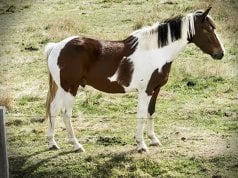
In 1997, a remarkable project was initiated with the aim of “de‑extincting” the quagga. The project, known as the Quagga Project, is based on the discovery that all zebras share a common ancestor, and that the quagga’s unique coloration may be a recessive trait. The project involves selectively breeding plains zebras that exhibit reduced striping, aiming to produce offspring that resemble the extinct quagga. While the resulting animals are not genetically identical to the original quagga, they possess a similar phenotype—the distinctive reduced striping pattern. Several generations of selectively bred zebras have been produced, and they now roam several reserves in South Africa, offering a glimpse of what the quagga once was. This project demonstrates the potential of selective breeding to restore lost biodiversity.
Caring for Quagga‑Like Animals in Captivity
Zookeepers caring for quagga‑like animals should prioritise providing a spacious enclosure that mimics their natural grassland habitat. A varied diet of high‑quality hay, grasses, and supplemental feed is crucial for maintaining their health. Social interaction is important, so these animals should be housed in herds. Regular veterinary check‑ups and preventative healthcare are essential. Avoid overcrowding, as this can lead to stress and aggression. Enrichment activities, such as providing scratching posts and foraging opportunities, can help stimulate their natural behaviours. Careful monitoring of their breeding patterns is important to ensure the continuation of the selective breeding programme.
What to Do if You Encounter a Quagga‑Like Animal in the Wild
If you encounter a quagga‑like animal in the wild, it is important to maintain a safe distance. These animals, while selectively bred, still retain the instincts of wild equines. Avoid approaching them, especially if they have young. Do not attempt to feed them, as this can disrupt their natural foraging behaviour. Observe them from a distance and appreciate their unique appearance. Report your sighting to the relevant conservation authorities, as this can help track their distribution and monitor their health. Remember that these animals are part of an ongoing conservation project, and your respect and cooperation are essential for their success.
A Final Thought on the Quagga
The story of the quagga is a poignant reminder of the fragility of biodiversity and the devastating impact of human activity on the natural world. While the original quagga is gone, the Quagga Project offers a beacon of hope, demonstrating the potential of science and conservation to restore lost species. The quagga’s legacy continues to inspire efforts to protect and conserve the remaining wildlife of Africa and beyond.
![Closeup of a beautiful Red Angus cowPhoto by: U.S. Department of Agriculture [pubic domain]https://creativecommons.org/licenses/by/2.0/](https://animals.net/wp-content/uploads/2020/03/Red-Angus-4-238x178.jpg "Red Angus")
![Closeup of a beautiful Red Angus cowPhoto by: U.S. Department of Agriculture [pubic domain]https://creativecommons.org/licenses/by/2.0/](https://animals.net/wp-content/uploads/2020/03/Red-Angus-4-100x75.jpg "Red Angus")