
Welcome to the fascinating world of the Pygmy Goat, a creature that might just be the most charming ambassador for the entire goat family! Often mistaken for mere miniature versions of their larger cousins, Pygmy Goats are a distinct breed with a rich history, unique characteristics, and an undeniable appeal that has captivated humans across the globe. From their origins in the rugged landscapes of West Africa to becoming beloved companions and valuable farm animals, these small ruminants offer a wealth of knowledge for anyone interested in animal behavior, ecology, or simply seeking a dose of pure adorableness.
Prepare to delve deep into the life of the Pygmy Goat, exploring everything from their evolutionary journey and natural behaviors to their significant role in human culture and the practicalities of their care. Whether you are a student researching their habitat, an aspiring zoologist eager to understand their biology, an animal lover hoping to spot one, a hiker encountering an unexpected herd, or a zookeeper dedicated to their well-being, this comprehensive guide aims to illuminate every corner of the Pygmy Goat’s intriguing existence.
The Pint-Sized Powerhouse: An Introduction to the Pygmy Goat
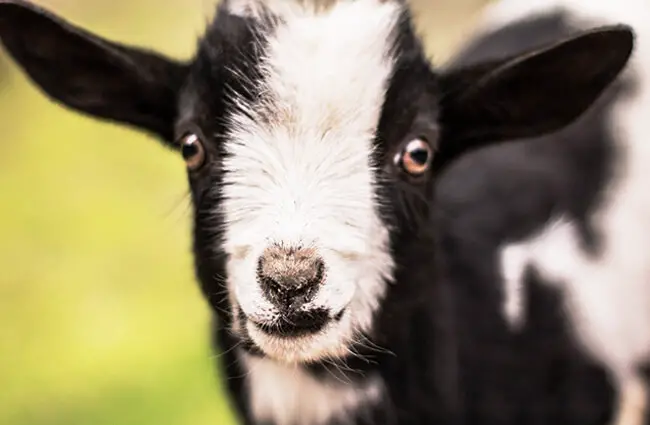
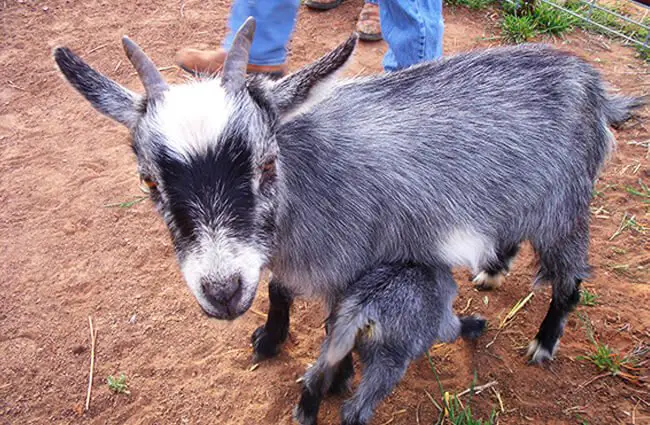
The Pygmy Goat, scientifically known as Capra aegagrus hircus, is a breed of domestic goat originating from West Africa. These compact creatures are renowned for their small stature, robust build, and friendly disposition. Standing typically between 16 to 23 inches (41 to 58 cm) at the shoulder and weighing anywhere from 50 to 80 pounds (23 to 36 kg), they are indeed miniature marvels. Their bodies are stocky, with short legs, a broad head, and a dense coat that comes in a variety of colors, including caramel, agouti, black, and white, often with distinctive markings.
Beyond their charming appearance, Pygmy Goats possess a surprising resilience and intelligence. They are highly social animals, thriving in herds and forming strong bonds with their companions, whether they be other goats, humans, or even other species. Their curious nature and playful antics make them a joy to observe, solidifying their status as popular pets and exhibition animals worldwide.
Where Do Pygmy Goats Come From? A Glimpse into Their Origins
The ancestral home of the Pygmy Goat lies in the equatorial regions of West Africa. Specifically, they are thought to have originated from Cameroon, where they were traditionally kept by indigenous communities for their milk and meat. Their small size made them easy to manage and transport, a significant advantage in diverse African landscapes. These goats were brought to Europe and the United States in the mid-20th century, primarily for zoological study and exhibition, before their endearing qualities led to their widespread adoption as companion animals and small-scale livestock.
While the modern Pygmy Goat is largely a domesticated breed, its wild ancestors were adept at navigating varied terrains, from dense bush to rocky outcrops. This heritage is still evident in their agility and hardiness, traits that have allowed them to adapt successfully to new environments across the globe.
Diving Deeper: The Pygmy Goat’s World
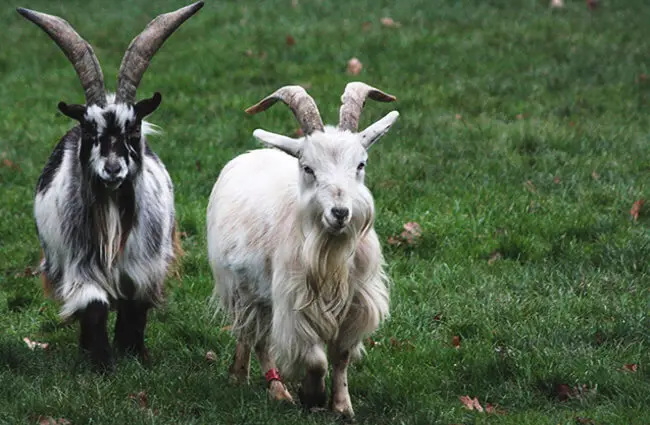
For those seeking a more in-depth understanding, the Pygmy Goat offers a fascinating case study in animal adaptation, social behavior, and human interaction. From their specific dietary needs to their intricate reproductive cycles, there is much to uncover about these captivating creatures.
Habitat and Distribution: From African Plains to Global Pastures
In their native West African range, Pygmy Goats adapted to a variety of habitats, including savannas, grasslands, and forest edges. Their small size and agility allowed them to browse on diverse vegetation and navigate challenging terrain. Today, the vast majority of Pygmy Goats are found in domesticated settings, living on farms, in petting zoos, and as companion animals in backyards across North America, Europe, and other parts of the world. While not truly “wild” in the traditional sense, some feral populations may exist in areas where they have escaped or been released, demonstrating their adaptability to local conditions.
When considering their natural tendencies, Pygmy Goats prefer environments with plenty of opportunities for browsing, climbing, and shelter. They are remarkably resilient to various climates, thanks to their dense coats and ability to adjust their foraging habits.
Evolutionary History: A Journey from Wild to Domesticated
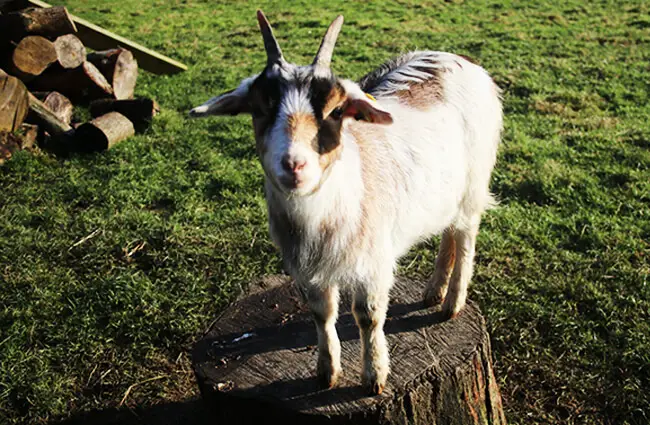
The Pygmy Goat’s evolutionary path is intertwined with the broader history of goat domestication. Goats, in general, are believed to have been among the first animals domesticated by humans, originating from the wild Bezoar Ibex (Capra aegagrus) in the Fertile Crescent around 10,000 years ago. Over millennia, as humans migrated and settled, different breeds emerged, shaped by selective breeding for specific traits and adaptation to local environments.
The Pygmy Goat represents a lineage that was specifically selected for its small size, hardiness, and prolificacy in the West African context. Their compact build was advantageous for survival in resource-scarce regions and for ease of management by human communities. While they share a common ancestor with all domestic goats, their distinct characteristics have been honed through centuries of natural selection and human intervention in their specific geographic origin.
Diet and Foraging: The Art of Selective Eating
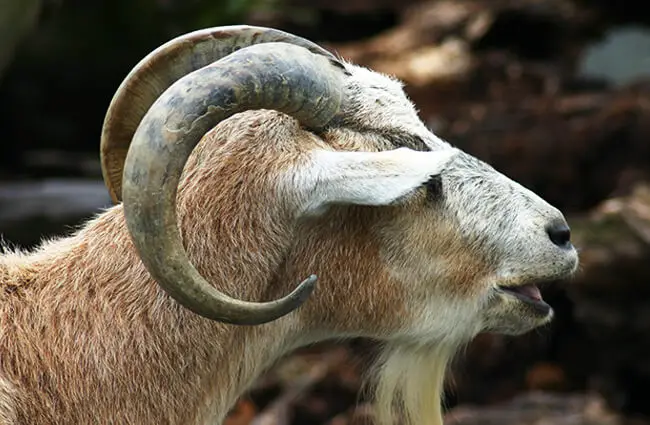
Pygmy Goats are primarily browsers, not grazers, a crucial distinction that influences their dietary needs. This means they prefer to eat leaves, twigs, shrubs, and weeds rather than solely grass. Their agile lips and tongues allow them to selectively pick out the most nutritious parts of plants, avoiding thorns and less palatable sections. This browsing behavior is a remnant of their wild ancestry, where they would forage in dense vegetation.
In a domesticated setting, a Pygmy Goat’s diet should consist mainly of good quality hay, supplemented with a small amount of goat-specific feed or pellets. They also benefit greatly from access to browse, such as tree branches (non-toxic varieties like willow, oak, or maple), and various weeds. Fresh, clean water must always be available. Mineral supplements, often in the form of a loose mineral mix or a mineral block formulated for goats, are essential to ensure they receive all necessary nutrients, particularly copper, which is vital for goat health but often deficient in many areas.
Important Note: Goats are ruminants, possessing a four-chambered stomach that allows them to digest fibrous plant material through fermentation. This complex digestive system requires a consistent diet to maintain healthy microbial populations. Sudden changes in diet can lead to digestive upset.
Mating and Reproduction: The Cycle of Life
Pygmy Goats are known for their prolific breeding capabilities. Females, known as does, can reach sexual maturity as early as 4 to 6 months of age, though it is generally recommended to wait until they are at least 12 to 18 months old and have reached a good size before breeding to ensure healthy development and prevent complications. Males, called bucks, can become fertile around 6 to 8 months.
The breeding season typically occurs in the fall and winter months, triggered by decreasing daylight hours. Does come into estrus (heat) approximately every 18 to 24 days, with the heat cycle lasting 12 to 36 hours. During this time, they may display signs such as increased vocalization, tail flagging, and seeking out the buck.
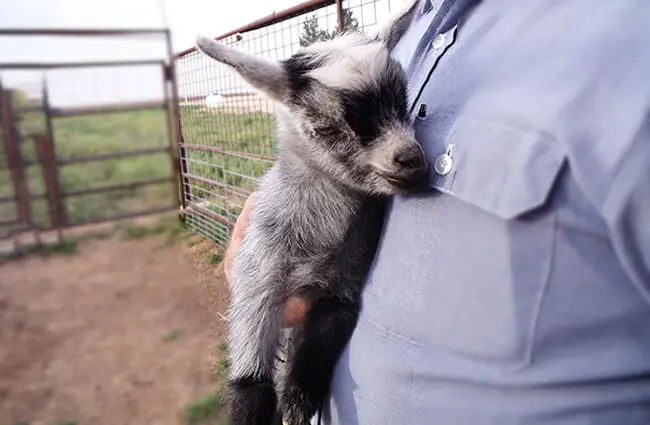
Gestation lasts approximately 145 to 155 days, or about five months. Pygmy Goats are well-known for often having multiple births, with twins and triplets being common, and quadruplets not unheard of. The birthing process, known as “kidding,” usually occurs without human intervention, but close monitoring is advisable, especially for first-time mothers. Newborns, called kids, are typically up and nursing within minutes of birth, a testament to their precocial nature. The doe is a devoted mother, diligently caring for her offspring, cleaning them, and protecting them from perceived threats.
Contribution to Ecosystem and Interaction with Other Animals
In their native range, Pygmy Goats, like other browsing animals, play a role in shaping vegetation patterns. By consuming shrubs and young trees, they can influence forest regeneration and maintain open areas. Their droppings contribute to nutrient cycling in the soil. However, due to their largely domesticated status, their direct impact on wild ecosystems today is minimal. Feral populations, if they exist, could potentially impact local flora by over-browsing, similar to other introduced ungulates.
Within a herd, Pygmy Goats establish a clear social hierarchy, using head-butting and body language to assert dominance. They are highly communicative, employing a range of vocalizations, from soft bleats to loud alarm calls. They can coexist peacefully with other livestock, such as sheep or even horses, provided there is adequate space and resources. Their small size makes them vulnerable to predators like coyotes, domestic dogs, and large birds of prey, necessitating protective measures in any outdoor setting.
Pygmy Goats and Humans: A Symbiotic Relationship
The interaction between Pygmy Goats and humans is a story of mutual benefit and companionship. Originally valued for their milk and meat in West Africa, their role has evolved significantly in other parts of the world. Today, they are most commonly kept as:
- Pets: Their friendly, curious, and manageable nature makes them excellent companion animals, particularly for families with children. They require social interaction and thrive on attention.
- Exhibition Animals: Pygmy Goats are popular in 4-H programs and agricultural fairs, where they are judged on conformation and showmanship.
- Small-Scale Livestock: While not as productive as dairy or meat goat breeds, they can still provide a small amount of rich milk and are sometimes raised for meat in niche markets.
- Brush Control: Their browsing habits make them effective at clearing overgrown vegetation, often employed in sustainable land management.
- Therapy Animals: Their gentle demeanor and engaging personalities make them suitable for animal-assisted therapy programs.
Responsible ownership involves understanding their social needs, providing appropriate housing and nutrition, and ensuring regular veterinary care. Their intelligence means they can be trained to walk on a leash and respond to basic commands, further strengthening the human-animal bond.
Fascinating Facts About Pygmy Goats
- Born Ready: Pygmy Goat kids are precocial, meaning they are born relatively mature and can stand and nurse within minutes of birth.
- Excellent Climbers: Despite their small size, Pygmy Goats are incredibly agile and love to climb on rocks, logs, and even playground equipment.
- Four-Eyed View: Goats have rectangular pupils, which give them a wide field of vision, helping them spot predators.
- Talkative Companions: They communicate through a variety of bleats, baas, and snorts, each with a specific meaning within the herd.
- Hardy Hooves: Their hooves are designed for navigating rough terrain and require regular trimming in captivity to prevent overgrowth.
- Natural Pest Control: Their love for browsing includes many common weeds and even poison ivy, making them useful for natural land clearing.
- Social Butterflies: Pygmy Goats are highly social and can become depressed if kept alone. They always need at least one goat companion.
Practical Guidance for Pygmy Goat Enthusiasts
Whether you dream of owning a Pygmy Goat, hope to encounter one, or are already a dedicated caregiver, practical knowledge is key.
Finding Pygmy Goats: Where to Look
For the animal lover aiming to find a Pygmy Goat, it is important to understand that these are domesticated animals. Therefore, you will not typically find them roaming wild in natural habitats. Instead, look for them in:
- Petting Zoos and Children’s Farms: These are excellent places to observe and often interact with Pygmy Goats up close.
- Agricultural Fairs and Livestock Shows: During specific seasons, these events showcase Pygmy Goats and offer opportunities to learn from breeders.
- Pygmy Goat Breeders: If you are considering ownership, reputable breeders are the primary source.
- Animal Sanctuaries: Many sanctuaries provide homes for rescued Pygmy Goats.
While some feral goat populations exist globally, they are generally not Pygmy Goats, which are a specific breed. If you encounter goats in the “wild,” they are most likely feral domestic goats, not a distinct wild species.
Encountering Pygmy Goats in the Wild: What to Do
As established, encountering a truly “wild” Pygmy Goat is highly unlikely. However, if you are hiking and come across a group of goats that appear to be Pygmy Goats (small, stocky, various colors), they are most likely escaped domestic animals or part of a feral population. Here is what to do:
- Observe from a Distance: Do not approach them directly. While generally docile, any animal can become defensive if it feels threatened, especially if it has young.
- Do Not Feed Them: Feeding wild or feral animals can alter their natural behaviors, make them dependent on humans, and introduce inappropriate foods into their diet.
- Report if Necessary: If the goats appear lost, injured, or are in an area where they could cause damage (e.g., private property, sensitive ecological zones), contact local animal control, a humane society, or the relevant park authorities.
- Enjoy the Sighting: Take photos from a safe distance and appreciate the unexpected encounter with these adaptable creatures.
Caring for Pygmy Goats in Captivity: A Zookeeper’s Guide
For zookeepers, farmers, or dedicated pet owners, providing optimal care for Pygmy Goats involves understanding their specific needs:
- Housing:
- Shelter: Pygmy Goats require a dry, draft-free shelter to protect them from rain, wind, and extreme temperatures. A three-sided shed facing away from prevailing winds is often sufficient, but a fully enclosed barn is ideal in colder climates.
- Space: Provide ample space for exercise and browsing. A minimum of 200 square feet per goat in a pasture is recommended, plus indoor shelter space.
- Enrichment: Goats love to climb! Provide sturdy platforms, logs, large rocks, or even old tires for them to jump on and explore.
- Fencing: Secure fencing is crucial. Goats are notorious escape artists. Woven wire or electric fencing at least 4 feet high is often necessary.
- Diet:
- Hay: Good quality grass hay should be the staple of their diet, available free-choice.
- Browse: Offer safe tree branches and weeds regularly.
- Grain: A small amount of goat-specific grain can be given, especially to pregnant or lactating does, or growing kids. Avoid overfeeding grain, as it can lead to digestive issues.
- Minerals: Provide a loose mineral supplement formulated for goats, available free-choice.
- Water: Fresh, clean water must be available at all times.
- Health and Veterinary Care:
- Regular Health Checks: Monitor for signs of illness, such as lethargy, loss of appetite, coughing, or unusual discharges.
- Vaccinations: Consult a veterinarian for a recommended vaccination schedule, typically including CD&T (Clostridium perfringens types C & D and Tetanus).
- Deworming: Goats are susceptible to internal parasites. Regular fecal testing and targeted deworming are essential.
- Hoof Trimming: Hooves grow continuously and need to be trimmed every 6-8 weeks to prevent lameness and discomfort.
- Dental Care: While not as common as hoof care, monitor their teeth for any issues.
- Social Needs:
- Companionship: Pygmy Goats are herd animals and should never be kept alone. They need at least one other goat companion.
- Interaction: Regular interaction with their caregivers helps build trust and allows for easier handling.
- What to Avoid:
- Overfeeding Grain: Can lead to obesity, digestive upset (acidosis), and urinary calculi in wethers (castrated males).
- Toxic Plants: Research and remove any toxic plants from their enclosure, such as azaleas, rhododendrons, and some varieties of cherry and oak leaves.
- Isolation: Keeping a single goat can lead to stress and behavioral problems.
- Inadequate Fencing: Leads to escapes and potential danger for the goats.
- Sudden Diet Changes: Can disrupt their delicate digestive system.
The Enduring Appeal of the Pygmy Goat
From their humble beginnings in West Africa to their current status as cherished companions and valuable small livestock, Pygmy Goats have carved out a special niche in the animal kingdom and in human hearts. Their resilience, intelligence, and undeniable charm make them a joy to study and interact with. Understanding their unique biology, social structures, and care requirements not only enriches our appreciation for this specific breed but also deepens our broader understanding of animal behavior and the intricate relationship between humans and the natural world.
Whether you are captivated by their playful antics, fascinated by their evolutionary journey, or dedicated to their well-being, the Pygmy Goat offers a rewarding subject for exploration. Their story is a testament to the enduring appeal of nature’s smaller wonders and the profound connections we forge with the creatures that share our planet.
![Closeup of a beautiful Red Angus cowPhoto by: U.S. Department of Agriculture [pubic domain]https://creativecommons.org/licenses/by/2.0/](https://animals.net/wp-content/uploads/2020/03/Red-Angus-4-238x178.jpg "Red Angus")

![Closeup of a beautiful Red Angus cowPhoto by: U.S. Department of Agriculture [pubic domain]https://creativecommons.org/licenses/by/2.0/](https://animals.net/wp-content/uploads/2020/03/Red-Angus-4-100x75.jpg "Red Angus")