
Unraveling the Pumi: A Hungarian Herding Marvel
In the vast tapestry of canine breeds, few possess the unique blend of intelligence, agility, and charm quite like the Pumi. Hailing from the windswept plains of Hungary, this spirited herding dog is more than just a pretty face with an endearing curly coat. It is a living testament to centuries of selective breeding, a canine athlete, and a loyal companion whose history is deeply intertwined with the pastoral traditions of its homeland. For students, aspiring zoologists, or simply devoted animal lovers, understanding the Pumi offers a fascinating glimpse into the world of working dogs and their profound impact on human culture and even the subtle dynamics of human-managed ecosystems.
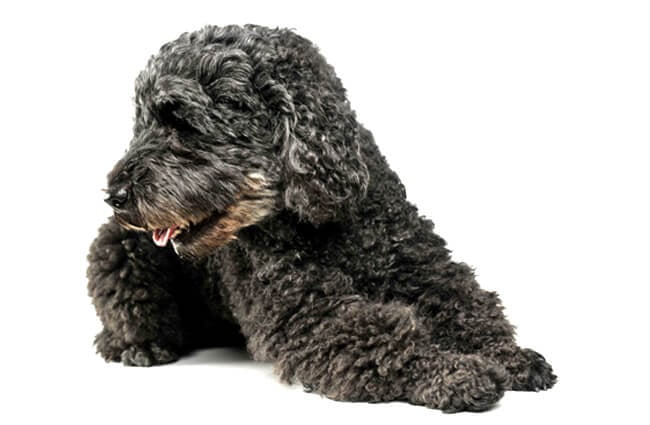
The Pumi at a Glance: Essential Facts
Before delving into the intricacies of this remarkable breed, let us establish a foundational understanding of the Pumi’s core characteristics.
Origins and Evolution: A Tale from the Hungarian Plains
The Pumi’s lineage is a captivating narrative of adaptation and purpose. Emerging in Hungary during the 17th and 18th centuries, the breed is believed to have developed from a cross between the ancient Hungarian Puli and various imported herding dogs, including French merle-type herders and German Spitz breeds. This genetic melting pot resulted in a dog perfectly suited for the demanding task of herding cattle, sheep, and even pigs across diverse terrains. Unlike some herding breeds that primarily “eye” their flock, the Pumi was bred as a “driving” herder, using its quick movements, agility, and distinctive vocalizations to keep livestock in line. Its evolution was driven by the practical needs of Hungarian shepherds, who required a versatile, intelligent, and resilient partner capable of working independently and adapting to changing conditions. The breed gained official recognition in Hungary in the early 20th century, solidifying its place in canine history.
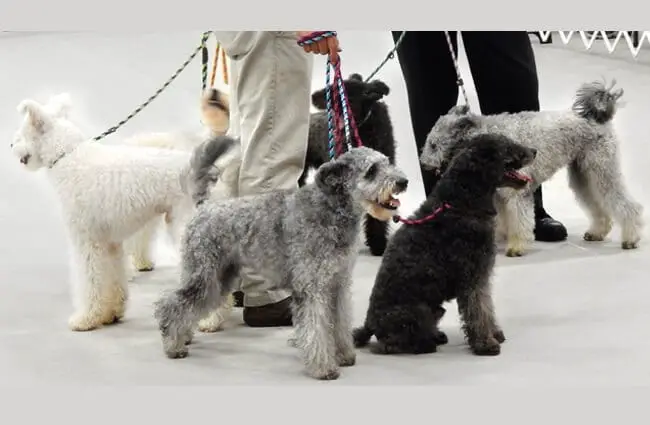
Physical Characteristics: Agile, Expressive, and Curly-Coated
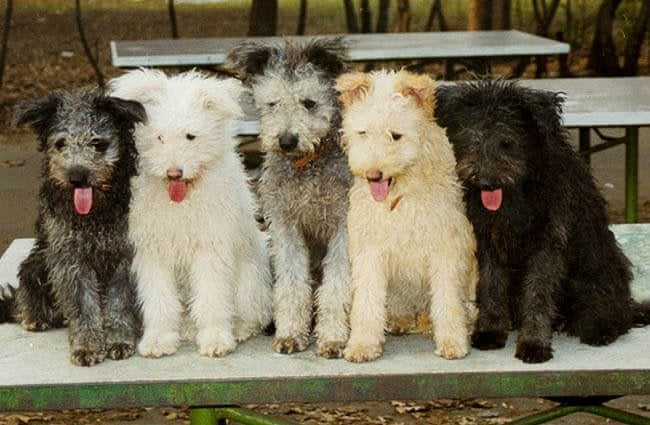
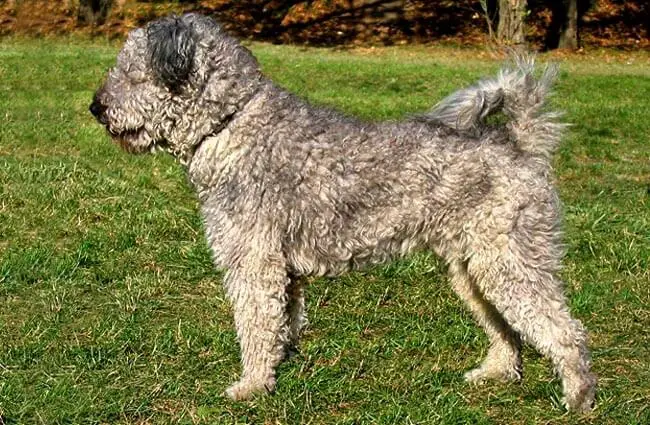
The Pumi is a medium-sized dog, typically standing between 15 to 18.5 inches (38-47 cm) at the shoulder and weighing 22 to 33 pounds (10-15 kg). Its most striking feature is its unique, wavy to curly coat, a combination of soft undercoat and harsh topcoat, which is neither smooth nor corded. This distinctive coat provides excellent insulation against harsh weather and requires regular grooming to prevent matting. Pumi coats come in a variety of colors, including black, white, gray (ranging from silver to slate), and fawn. The breed is known for its expressive, semi-erect ears, which are set high and contribute to its alert and intelligent appearance. The tail is carried in a cheerful curl over the back. Overall, the Pumi possesses a square, athletic build, reflecting its heritage as an agile and enduring working dog.
Temperament and Personality: The Spirited Herder
A Pumi’s personality is as vibrant as its appearance. They are renowned for their exceptional intelligence, boundless energy, and an almost mischievous sense of humor. Highly trainable and eager to please, Pumis thrive on having a job to do, whether it is herding livestock, excelling in dog sports, or simply being an active family companion. They are fiercely loyal to their families and can be protective, making them excellent watchdogs. However, their herding instincts mean they can be vocal, using barks and yaps to communicate and manage their “flock” (which might include family members or other pets). Early socialization and consistent training are crucial to channel their energy and intelligence positively, ensuring they grow into well-adjusted and delightful companions.
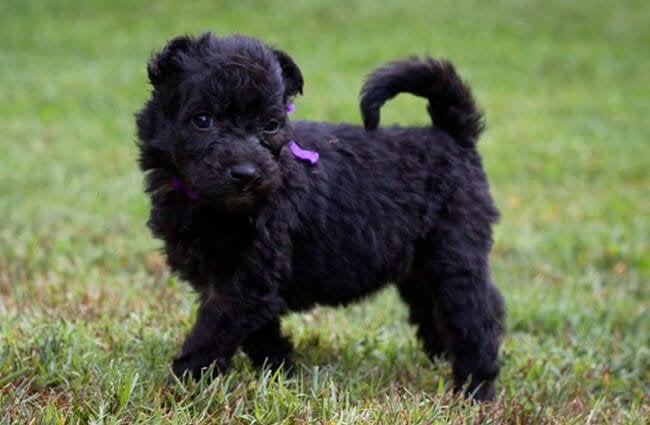
Living with a Pumi: Habitat, Diet, and Care
For those considering welcoming a Pumi into their lives, understanding their specific needs is paramount to ensuring a happy and healthy relationship.
Ideal Living Environment: From Farm to Family Home
While historically bred for farm life, the Pumi can adapt well to various living situations, provided its significant exercise and mental stimulation needs are met. They are not suited to being left alone for long periods or confined to small spaces without adequate outlets for their energy. A home with a securely fenced yard is highly recommended, allowing them space to run and play. Pumis thrive in active households where they can be an integral part of daily activities. They are intelligent and sensitive dogs who prefer to be indoors with their human family rather than relegated to an outdoor kennel, despite their robust coat. Their adaptability makes them suitable for both rural and suburban environments, and even urban living if their owners are committed to daily walks, runs, and engaging activities.
Nutritional Needs: Fueling the Energetic Pumi
Given their high energy levels and athletic build, Pumis require a high-quality diet rich in protein and essential nutrients. A balanced commercial dog food formulated for active medium-sized breeds is generally appropriate. Portion control is important to prevent obesity, which can lead to various health issues. The amount of food should be adjusted based on the individual dog’s age, activity level, and metabolism. Some Pumis may exhibit sensitivities to certain grains or proteins, so monitoring their digestion and consulting with a veterinarian for dietary recommendations is always advisable. Fresh, clean water must be available at all times.
Grooming the Distinctive Coat
The Pumi’s unique curly coat, while charming, requires regular maintenance. It does not shed heavily, which is often a boon for allergy sufferers, but it does need to be brushed every few weeks to prevent matting and tangles. Professional grooming every 2-4 months is typically recommended to maintain the coat’s characteristic length and texture. This involves stripping or clipping the coat, depending on the desired look and coat type. Regular ear cleaning is also essential, as their semi-erect ears can trap moisture and debris, potentially leading to infections. Nail trimming and dental care should also be part of their routine grooming regimen.
Health and Longevity: Keeping Your Pumi Thriving
Pumis are generally a healthy and robust breed with a typical lifespan of 12 to 14 years. However, like all breeds, they can be predisposed to certain genetic health conditions. Responsible breeders screen their breeding stock for common issues such as hip dysplasia, patellar luxation, and primary lens luxation. Degenerative myelopathy, a progressive disease of the spinal cord, is another condition that can affect the breed. Regular veterinary check-ups, a balanced diet, and appropriate exercise are key to ensuring a long and healthy life for a Pumi. Early detection and intervention for any health concerns can significantly improve outcomes.
The Pumi’s Role in the World: Beyond the Pasture
The Pumi’s influence extends far beyond its immediate family, touching upon aspects of animal husbandry, human culture, and even broader ecological interactions within human-managed landscapes.
Mating and Reproduction: Responsible Breeding Practices
The reproduction process in Pumis follows the general canine pattern. Females typically reach sexual maturity between 6 to 12 months, experiencing heat cycles approximately twice a year. Responsible breeding dictates that Pumis should not be bred until they are physically and mentally mature, usually around two years of age, and have undergone comprehensive health screenings to rule out genetic predispositions to diseases. The gestation period is approximately 63 days, resulting in an average litter size of 4 to 6 puppies. Ethical breeders prioritize the health, temperament, and genetic diversity of the breed, carefully selecting breeding pairs and providing optimal care for pregnant dams and their litters. This meticulous approach ensures the continuation of healthy Pumi lines.
Interaction with Other Animals: A Herder’s Instinct
The Pumi’s primary interaction with other animals historically revolves around livestock. Their innate herding instinct means they are adept at working with sheep, cattle, and pigs, using their agility and vocalizations to guide and control the flock. When introduced to other dogs, Pumis are generally sociable, especially if well-socialized from a young age. However, their strong personalities mean they may try to “herd” other pets, including cats, which can be amusing but sometimes requires management. Early and positive introductions to various animals are crucial for a Pumi to develop appropriate social behaviors and live harmoniously in a multi-pet household.
Pumi in the Ecosystem (Human-Managed): A Working Dog’s Contribution
While not a wild animal contributing to a natural ecosystem, the Pumi plays a significant role in human-managed agricultural ecosystems. As herding dogs, they are instrumental in sustainable livestock management, helping farmers efficiently move and protect their herds. This reduces the need for extensive fencing and human labor, contributing to more environmentally friendly farming practices. Their presence can also deter small predators from livestock. Beyond the farm, Pumis contribute to human well-being as therapy dogs, excelling in agility and obedience sports, and even showing potential in search and rescue operations due to their intelligence and keen senses. Their contribution lies in their partnership with humans, enhancing efficiency and quality of life within domesticated settings.
Pumi’s Enduring Cultural Impact
The Pumi is more than just a working dog; it is a cherished part of Hungarian national heritage. Often considered one of Hungary’s “national treasures,” alongside the Puli and Komondor, the Pumi symbolizes the country’s pastoral traditions and the ingenuity of its people. It is celebrated in Hungarian folklore, art, and literature, representing loyalty, hard work, and the spirited nature of the Hungarian countryside. Its distinctive appearance and lively temperament have also garnered international admiration, making it an ambassador for Hungarian canine culture worldwide. The breed’s continued popularity helps preserve a piece of living history and a unique working dog tradition.
Encountering and Engaging with the Pumi
Whether you are an aspiring owner, a curious hiker, or a professional caring for animals, understanding how to interact with Pumis is vital.
Finding a Pumi: For the Aspiring Owner
For animal lovers aiming to bring a Pumi into their lives, the journey begins with finding a reputable source. Since Pumis are domesticated dogs, they are not found “in the wild.” Instead, prospective owners should seek out responsible breeders who prioritize health, temperament, and adherence to breed standards. A good breeder will be transparent about health clearances for their breeding dogs, allow visits to their facility, and provide references. Alternatively, breed-specific rescue organizations occasionally have Pumis available for adoption, offering a wonderful opportunity to give a deserving dog a loving home. When selecting a Pumi, consider its energy level and ensure it aligns with your lifestyle. Ask breeders about the puppy’s parents’ temperaments and the socialization practices used for the litter.
Training and Socialization: Nurturing a Well-Adjusted Pumi
Pumis are highly intelligent and eager to learn, making them a joy to train. Early socialization from puppyhood is critical, exposing them to a variety of sights, sounds, people, and other animals in a positive manner. This helps prevent shyness or over-protectiveness. Positive reinforcement methods work best, as Pumis are sensitive and respond well to praise and rewards. Their intelligence means they can become bored easily, so training sessions should be kept short, fun, and varied. Engaging them in dog sports like agility, obedience, or herding trials is an excellent way to provide both physical and mental stimulation, preventing destructive behaviors that can arise from boredom.
What to Do if You Encounter a Pumi (or any dog) in an Unfamiliar Setting
If a hiker encounters a Pumi, or any dog, in an unfamiliar setting (such as a trail or rural area) without an owner, it is important to proceed with caution. Assume the dog may be lost, stray, or even protective.
- Do not approach directly: Avoid direct eye contact, which can be perceived as a challenge.
- Stay calm: Sudden movements or loud noises can startle the dog.
- Observe from a distance: Try to determine if the dog appears friendly, fearful, or aggressive.
- Do not run: Running can trigger a chase instinct.
- Speak softly: Use a calm, reassuring voice if the dog approaches.
- Check for identification: If the dog seems friendly and approaches cautiously, look for a collar with tags.
- Contact local authorities: Report the sighting to animal control or local police, providing as much detail as possible about the dog’s appearance and location. Do not attempt to capture or restrain an unknown dog unless you are certain it is safe to do so.
Remember, a Pumi is a domesticated animal, and finding one “in the wild” means it is likely lost or abandoned, requiring responsible intervention.
Caring for a Pumi: A Guide for Owners and Enthusiasts
For a zookeeper (or more accurately, a dedicated Pumi owner or shelter staff) caring for a Pumi, specific tasks and considerations are essential for their well-being.
- Daily Exercise: Provide at least 60-90 minutes of vigorous exercise daily, including walks, runs, and playtime. Mental stimulation through puzzle toys, training sessions, and dog sports is equally important.
- Diet: Feed a high-quality dog food appropriate for their age, size, and activity level. Monitor weight and adjust portions as needed.
- Grooming: Regular brushing (every few weeks) and professional grooming (every 2-4 months) are crucial for coat health. Pay attention to ear cleaning, nail trimming, and dental hygiene.
- Training and Socialization: Continue positive reinforcement training throughout their lives. Ensure ongoing socialization to maintain good manners and prevent behavioral issues.
- Health Monitoring: Schedule regular veterinary check-ups. Be vigilant for signs of common breed-specific health issues like hip dysplasia or eye conditions.
- Avoidance:
- Isolation: Do not leave a Pumi alone for extended periods, as they thrive on companionship and can develop separation anxiety.
- Lack of Stimulation: Avoid neglecting their need for mental and physical activity, which can lead to boredom, destructive behaviors, and excessive barking.
- Harsh Training Methods: Pumis are sensitive; avoid punitive training, which can damage their trust and spirit.
- Inadequate Fencing: Their agility and curiosity mean they can be escape artists; ensure secure containment.
Fascinating Pumi Facts: Did You Know?
- The “Talking” Ears: Pumis are known for their highly expressive, semi-erect ears that are constantly in motion, swiveling and twitching to pick up sounds and convey their mood. It is almost as if they are “talking” with their ears!
- A Unique Vocalization: Beyond typical barks, Pumis possess a distinctive, high-pitched yapping sound, often described as a “Pumi bark,” which they use effectively in herding and communication.
- Agility Champions: Their natural athleticism, intelligence, and eagerness to please make Pumis exceptional competitors in dog agility, flyball, and obedience trials. They love to jump and weave!
- The Driving Herder: Unlike some herding breeds that use a strong “eye” to control livestock, Pumis are “driving” herders, meaning they actively move the flock by barking, nipping at heels, and darting around.
- Low-Shedding Coat: While no dog is truly 100% hypoallergenic, the Pumi’s unique curly coat is considered low-shedding, making them a potentially suitable choice for individuals with mild dog allergies.
- A Sense of Humor: Many Pumi owners describe their dogs as having a distinct sense of humor, often engaging in playful antics and seemingly understanding jokes. Their intelligent eyes often twinkle with mischief.
Conclusion: Celebrating the Spirited Pumi
The Pumi stands as a vibrant testament to the enduring bond between humans and canines. From its historical role as an indispensable herding partner on the Hungarian plains to its modern status as a beloved family companion and accomplished athlete, this breed embodies intelligence, agility, and an indomitable spirit. Understanding the Pumi means appreciating its rich evolutionary history, recognizing its specific needs for care and stimulation, and acknowledging its unique contributions to both agricultural practices and human culture. Whether you are a student researching its lineage, an aspiring zoologist studying canine behavior, or simply an animal lover captivated by its charm, the Pumi offers a wealth of knowledge and a lifetime of spirited companionship. To truly know a Pumi is to understand a piece of living history, a furry dynamo whose zest for life is utterly contagious.




![Closeup of a beautiful Red Angus cowPhoto by: U.S. Department of Agriculture [pubic domain]https://creativecommons.org/licenses/by/2.0/](https://animals.net/wp-content/uploads/2020/03/Red-Angus-4-100x75.jpg "Red Angus")


