The vast grasslands of North America once pulsed with the energy of millions of prairie chickens. These ground-dwelling birds, masters of camouflage and captivating courtship displays, are an integral part of the prairie ecosystem. However, like many grassland species, their populations have faced significant challenges. This comprehensive guide delves into the world of prairie chickens, exploring their biology, behavior, history, and conservation status.
What is a Prairie Chicken?
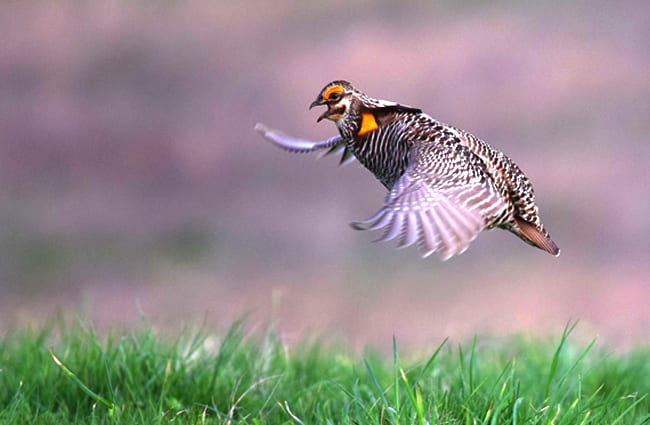
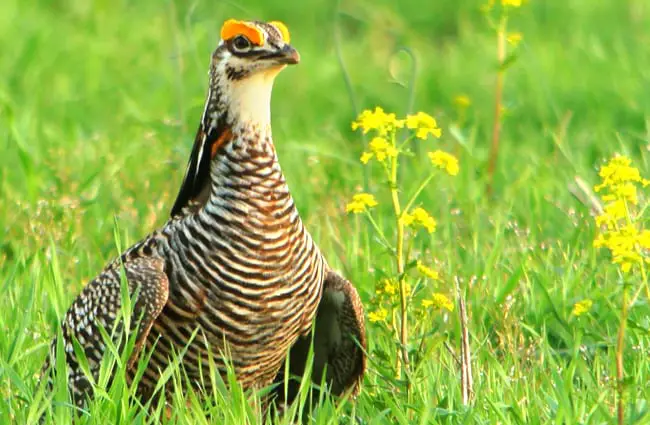
The term “prairie chicken” commonly refers to two distinct but closely related species: the Greater Prairie Chicken (Tympanuchus cupido) and the Lesser Prairie Chicken (Tympanuchus pallidicinctus). Both belong to the grouse family, known for their robust bodies, feathered legs, and explosive flight.
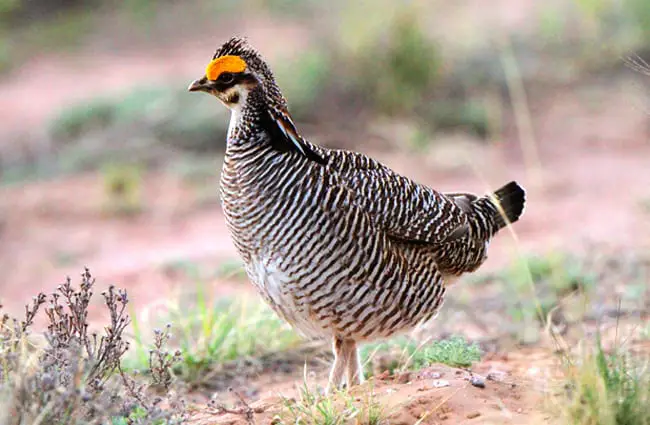
Greater Prairie Chickens are generally larger, inhabiting the eastern and northern prairies, while Lesser Prairie Chickens occupy the southern plains. They are medium-sized birds, typically weighing between 1.5 and 3 pounds, with mottled brown and white plumage that provides excellent camouflage amidst the grasses.
Habitat and Distribution
Prairie chickens are inextricably linked to the grasslands they call home. Historically, their range spanned across much of eastern and central North America. Today, their distribution is fragmented and significantly reduced due to habitat loss and fragmentation.
These birds require large expanses of native prairie for survival. This habitat provides essential cover for nesting and protection from predators, as well as a diverse array of food resources. They prefer areas with a mix of grasses, forbs, and scattered shrubs. The presence of lekking grounds—traditional display areas—is also crucial.
Lesser Prairie Chickens are found in portions of Texas, Oklahoma, Kansas, Colorado, and New Mexico, while Greater Prairie Chickens inhabit states like Illinois, Wisconsin, Minnesota, Iowa, Missouri, Nebraska, South Dakota, and North Dakota.
Diet and Foraging Behavior
Prairie chickens are opportunistic omnivores, with their diet varying seasonally. During the spring and summer, they primarily consume insects, which provide essential protein for growth and reproduction. They also eat leaves, buds, and seeds of various prairie plants.
As the seasons change, their diet shifts to include more seeds and grains, particularly in the fall and winter. They are known to scratch at the soil to uncover buried seeds and tubers. They sometimes form flocks outside of the breeding season, foraging together in agricultural fields.
The Spectacular Lek Display
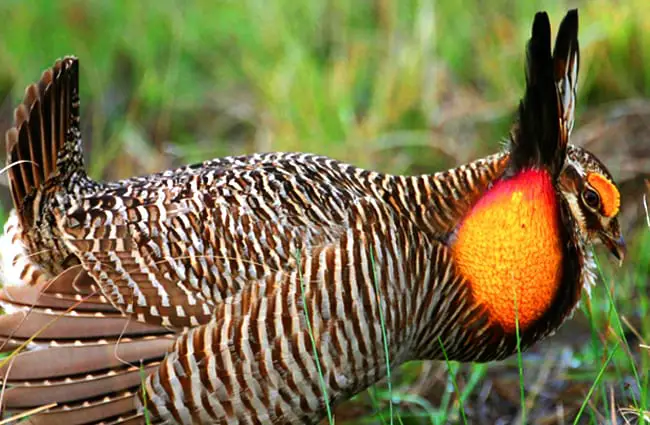
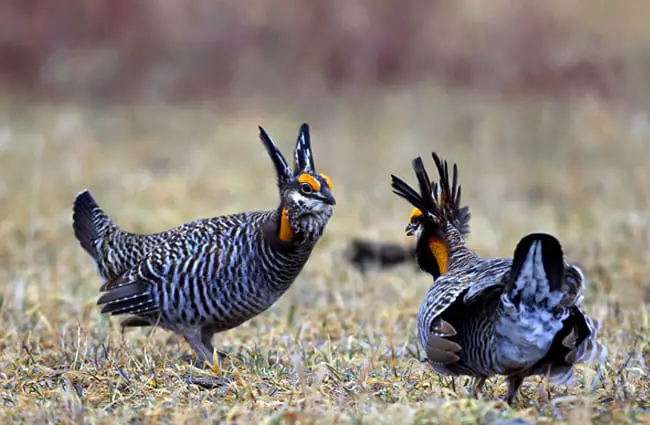
Perhaps the most iconic aspect of prairie chicken behavior is the lek display. In early spring, males gather at traditional display grounds, called leks, to compete for the attention of females. These leks can range in size from a few square meters to over a hectare.
Males perform an elaborate courtship ritual, involving booming vocalizations, inflating bright orange air sacs on their necks, stamping their feet, and raising their wings. The booming sound is produced by air passing over the trachea and is amplified by the inflated air sacs. Females visit the leks to observe the displays and select mates. Dominant males typically secure the majority of matings.
Reproduction and Life Cycle
Prairie chickens are typically polygynandrous during the breeding season, with females mating with several males. After mating, the female constructs a shallow nest on the ground, concealed within dense vegetation. She typically lays 8 to 16 eggs, which she incubates for approximately 23 to 24 days.
Chicks are precocial, meaning they are relatively mature at hatching and capable of leaving the nest soon after. The female cares for the chicks for several weeks, leading them to foraging areas and protecting them from predators. Young birds typically reach sexual maturity by their second year.
Ecological Role and Interactions
Prairie chickens play a vital role in the prairie ecosystem. As herbivores, they help to control plant growth and maintain plant diversity. They also serve as a food source for predators, including raptors, coyotes, foxes, and snakes.
Their presence is often an indicator of overall prairie health. Declining populations can signal broader environmental problems, such as habitat degradation and loss of biodiversity. They compete with other grassland birds for resources, and their nests are vulnerable to predation by various animals.
Conservation Status and Threats
Both Greater and Lesser Prairie Chicken populations have experienced significant declines over the past century. Habitat loss and fragmentation are the primary threats. Conversion of native prairie to agricultural land, urbanization, and energy development have drastically reduced their range and population size.
Climate change poses an additional threat, altering prairie vegetation and increasing the frequency of extreme weather events. Conservation efforts include habitat restoration, prescribed burning, and implementation of sustainable land management practices. The Lesser Prairie Chicken is currently listed as threatened under the Endangered Species Act.
Human Interactions and Cultural Significance
Historically, prairie chickens were an important food source for Native American tribes. They also held cultural significance in various tribal ceremonies and traditions. European settlers also hunted prairie chickens for food.
Today, prairie chickens are a popular game bird for hunters in some states. However, responsible hunting regulations are essential to ensure sustainable populations. Ecotourism, particularly birdwatching, can also contribute to conservation efforts.
Interesting Facts
- Prairie chickens can fly at speeds up to 30 miles per hour.
- The booming call of a Greater Prairie Chicken can be heard up to 0.5 mile away.
- Lesser Prairie Chickens are known to dust bathe, using fine soil to remove parasites and maintain feather health.
- They have a complex social structure, with a dominance hierarchy among males at the lek.
- Prairie chicken populations are often used as indicators of prairie ecosystem health.
- They are relatively long-lived birds, with individuals living 2 to 4 years in the wild and up to 10 years in captivity.
For Hikers and Outdoor Enthusiasts
If you encounter a prairie chicken while hiking, observe it from a distance and avoid disturbing its behavior. Keep pets on a leash to prevent them from chasing or harassing the bird. Report any sightings to local wildlife agencies to help monitor populations.
For Zookeepers and Aviculturists
Prairie chickens in captivity require large enclosures that mimic their natural grassland habitat. Provide a mix of native grasses, forbs, and shrubs, as well as dust bathing areas. Their diet should consist of formulated game bird feed, supplemented with insects and fresh vegetation. Provide opportunities for natural behaviors, such as foraging and dust bathing. Avoid overcrowding and provide adequate space for social interactions. Enrichment activities, such as providing novel food items or creating simulated lekking grounds, can enhance their well-being.
The fate of the prairie chicken is inextricably linked to the health of the grasslands. By understanding their biology, behavior, and conservation needs, we can work to ensure that these magnificent birds continue to thrive for generations to come.
![Closeup of a beautiful Red Angus cowPhoto by: U.S. Department of Agriculture [pubic domain]https://creativecommons.org/licenses/by/2.0/](https://animals.net/wp-content/uploads/2020/03/Red-Angus-4-238x178.jpg "Red Angus")
![Closeup of a beautiful Red Angus cowPhoto by: U.S. Department of Agriculture [pubic domain]https://creativecommons.org/licenses/by/2.0/](https://animals.net/wp-content/uploads/2020/03/Red-Angus-4-100x75.jpg "Red Angus")