A Comprehensive Guide to Pheasants
Pheasants, with their striking plumage and captivating behaviors, represent a fascinating group of birds found across the globe. They are more than beautiful additions to landscapes; they play vital roles in ecosystems and hold significant cultural importance. This guide delves into the world of pheasants, exploring their biology, behavior, history, and interactions with the natural world and humankind.
What Exactly is a Pheasant?
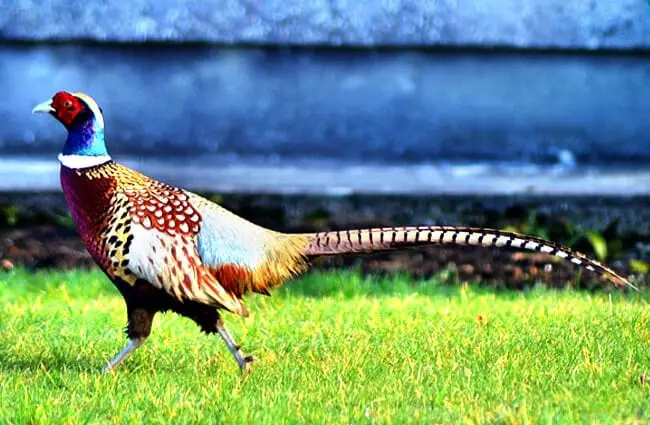
The term ‘pheasant’ does not refer to a single species, but rather to a diverse group of birds belonging to the family Phasianidae. This family also includes turkeys, partridges, chickens, and peafowl. Most pheasants are ground-dwelling birds characterized by long tails, robust bodies, and often vibrant, colorful plumage, especially in males. While they are often associated with game birds, their ecological and evolutionary stories are far more complex.
A Global Distribution and Diverse Habitats
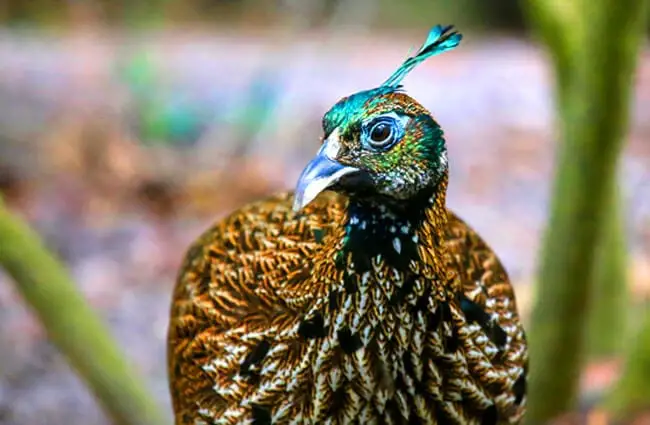
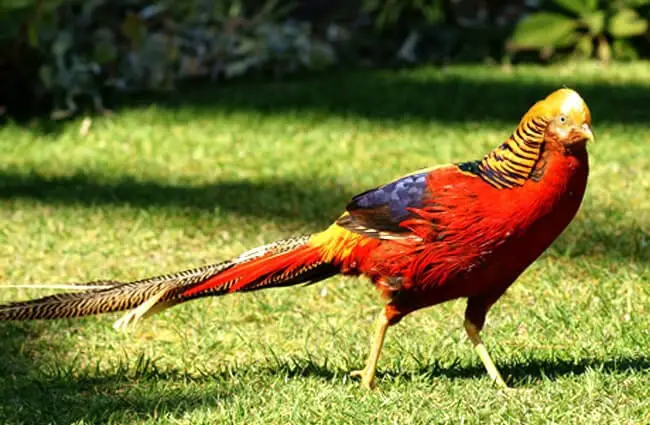
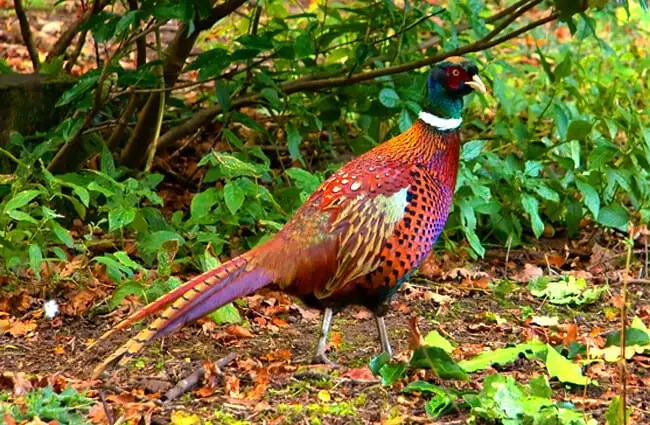
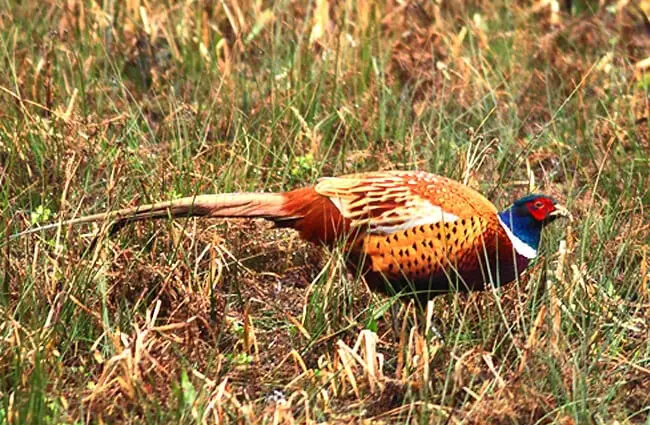
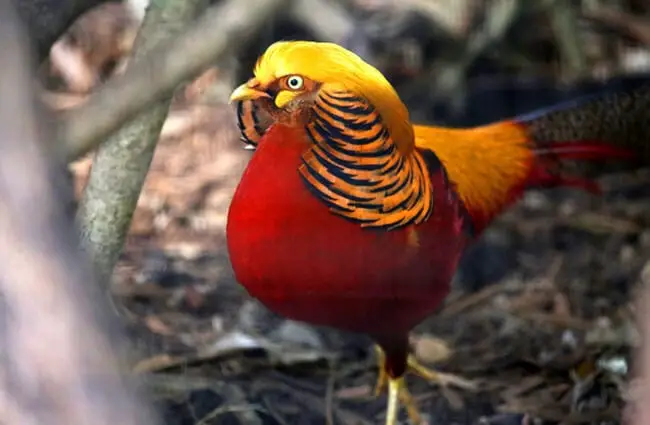
Pheasants exhibit a wide geographical range. The Common Pheasant (Phasianus colchicus), perhaps the most well-known species, is native to Asia and the Caucasus, but has been introduced to North America, Europe, and parts of Oceania. Other species, such as the Golden Pheasant (Chrysolophus pictus) and the Himalayan Monal (Lophophorus impejanus), are confined to specific regions of Asia. Their habitats vary considerably, including forests, grasslands, agricultural lands, and even scrublands. The Common Pheasant readily adapts to farmland, utilizing crops for food and cover. Monal Pheasants prefer high-altitude forests and rocky slopes.
Evolutionary History: A Journey Through Time
The Phasianidae family originated about 15 to 20 million years ago during the Miocene. Fossil evidence indicates that the group first evolved in Asia, then gradually diversified and spread across continents. The Common Pheasant, with its complex genetic history, provides a fascinating example of hybridization and adaptation. Different subspecies have arisen through natural selection, adapting to local environmental conditions. Phylogenetic studies reveal close relationships between various pheasant species, shedding light on their evolutionary pathways.
Diet and Foraging Behavior
Pheasants are omnivorous birds with a varied diet. Seeds, grains, berries, roots, insects, and small invertebrates all feature prominently. Young chicks rely heavily on insects and invertebrates for protein, while adults consume more plant matter. They forage on the ground, scratching and pecking at the soil to uncover food. In agricultural landscapes, the Common Pheasant will readily consume spilled grain and weed seeds, which can have both positive and negative impacts on crop yields.
Mating and Reproduction: A Colorful Display
Pheasant mating rituals are often elaborate and visually striking. Males display their vibrant plumage to attract females, engaging in courtship dances and vocalizations. The Common Pheasant male shows his ringed neck and tail feathers to impress potential mates. Polygamous mating systems are common; males often attempt to mate with multiple females. After mating, females construct nests on the ground, typically concealed within vegetation. Clutch sizes vary by species, usually ranging from six to fifteen eggs. Incubation lasts around twenty-three to twenty-seven days, and chicks are precocial, meaning they are relatively mobile and independent shortly after hatching.
Ecological Roles and Interactions
Pheasants play important roles in ecosystems as both prey and seed dispersers. They serve as a food source for predators such as foxes, hawks, eagles, and snakes. Their foraging activities contribute to seed dispersal, promoting plant diversity. In agricultural landscapes, they can help control insect pests. However, they may also compete with other ground-dwelling birds for resources. Understanding these interactions is crucial for effective conservation management.
Pheasants and Humans: A Complex Relationship
For centuries, pheasants have been intertwined with human culture and history. They have been prized for their ornamental value, kept as game birds for hunting, and featured in art and folklore. The Common Pheasant, in particular, has been widely introduced to new regions for hunting purposes. This practice can have unintended consequences, such as the spread of diseases and competition with native species. In many cultures, pheasants symbolize wealth, beauty, and good fortune.
Encountering Pheasants in the Wild: What to Do
If you encounter a pheasant in the wild, observe it from a respectful distance. Avoid approaching or disturbing the bird, especially during nesting or breeding seasons. Do not attempt to feed it, as this can disrupt its natural foraging behavior. If you encounter a chick that appears injured or abandoned, contact a local wildlife rehabilitation center for assistance. Remember that wild animals should be left undisturbed to thrive in their natural habitats.
Caring for Pheasants in Captivity: Zookeeper’s Guide
Caring for pheasants in captivity requires a thorough understanding of their specific needs. Provide a spacious enclosure with ample ground space, vegetation for cover, and a secure roof to prevent escape. The diet should consist of balanced commercial game-bird feed, supplemented with fresh fruits, vegetables, and insects. Regularly clean the enclosure to prevent the spread of diseases. Monitor the birds for signs of illness or injury, and provide prompt veterinary care when needed. Ensure the enclosure offers environmental enrichment to stimulate natural behaviors. Avoid overcrowding, as this can lead to stress and aggression.
Fascinating Pheasant Facts
- Some pheasant species exhibit elaborate courtship displays involving complex vocalizations and feather displays.
- The collective noun for a group of pheasants is a brace.
- The lifespan of a pheasant in the wild typically ranges from three to six years.
- Golden pheasants are native to the mountains of western China.
- The Himalayan monal is renowned for its iridescent plumage and distinctive crests.
- Pheasant eggs are often speckled or mottled, which provides camouflage.
Conservation Status and Future Outlook
While some pheasant species are relatively abundant, others face threats from habitat loss, hunting pressure, and disease. Conservation efforts are essential to ensure their long-term survival. Key actions include habitat restoration, sustainable hunting practices, and disease monitoring. Understanding the complex interactions between pheasants and their environment is essential for effective conservation management.
Pheasants, with their beauty, ecological importance, and cultural significance, continue to captivate and inspire. By deepening our understanding of these remarkable birds, we can contribute to their conservation and ensure that future generations can appreciate their splendor.
![Closeup of a beautiful Red Angus cowPhoto by: U.S. Department of Agriculture [pubic domain]https://creativecommons.org/licenses/by/2.0/](https://animals.net/wp-content/uploads/2020/03/Red-Angus-4-238x178.jpg "Red Angus")


![Closeup of a beautiful Red Angus cowPhoto by: U.S. Department of Agriculture [pubic domain]https://creativecommons.org/licenses/by/2.0/](https://animals.net/wp-content/uploads/2020/03/Red-Angus-4-100x75.jpg "Red Angus")