The world of equines is vast and varied, but few breeds capture the imagination quite like the Percheron. These magnificent creatures, often referred to as “gentle giants,” are a testament to centuries of selective breeding, embodying strength, elegance, and an unparalleled work ethic. From their humble beginnings in the Perche region of France to their global presence today, Percherons have played an indispensable role in human history and continue to fascinate enthusiasts and experts alike.
Embark on a journey to discover the Percheron, a breed that stands as a living monument to power and grace, and understand why these horses are so much more than just their impressive size.
Understanding the Percheron: A Gentle Giant’s Profile
At first glance, the sheer scale of a Percheron is striking. These are true heavy horses, built for power and endurance, yet they possess a surprising agility and a remarkably calm disposition. Their story is one of adaptation, utility, and enduring partnership with humanity.
What is a Percheron?
The Percheron is a breed of draft horse originating from the Huisne river valley in the Perche region of France. Renowned for its immense strength, intelligence, and docile temperament, it is one of the most popular draft breeds worldwide. Historically bred for pulling heavy loads, whether in agriculture, transportation, or warfare, the Percheron has evolved to become a versatile and beloved animal.
Physical Characteristics: Built for Power and Presence
Percherons are unmistakable. Their impressive stature is matched by a harmonious build, indicating both power and refinement.
- Size and Weight: Typically standing between 15.2 and 17 hands (62-68 inches or 157-173 cm) at the shoulder, Percherons are among the largest horse breeds. Stallions can weigh between 1,900 and 2,600 pounds (860-1,180 kg), while mares are slightly lighter, ranging from 1,800 to 2,200 pounds (815-1,000 kg).
- Build: They possess a deep chest, powerful hindquarters, and a muscular, well-arched neck. Their legs are clean, strong, and relatively short for their body size, ending in large, well-formed hooves.
- Head and Features: The head is refined for a draft horse, featuring a broad forehead, large, expressive eyes, and a straight profile. This refinement is often attributed to early infusions of Arabian blood.
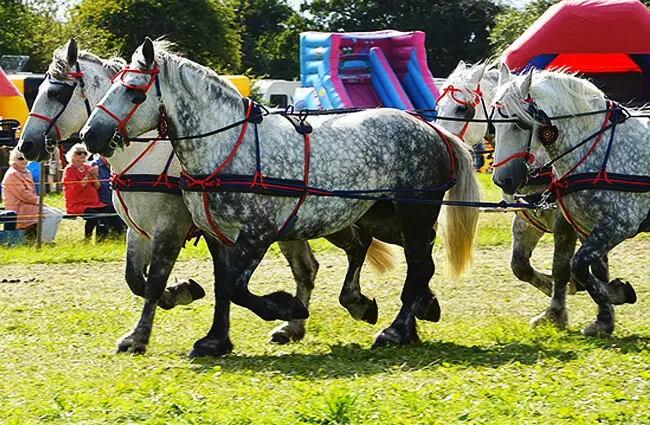
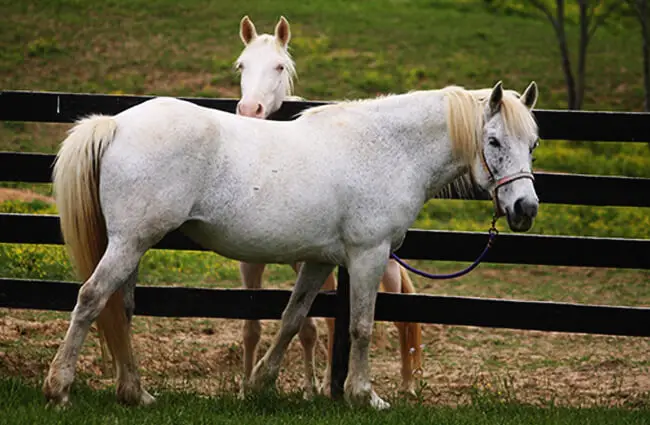
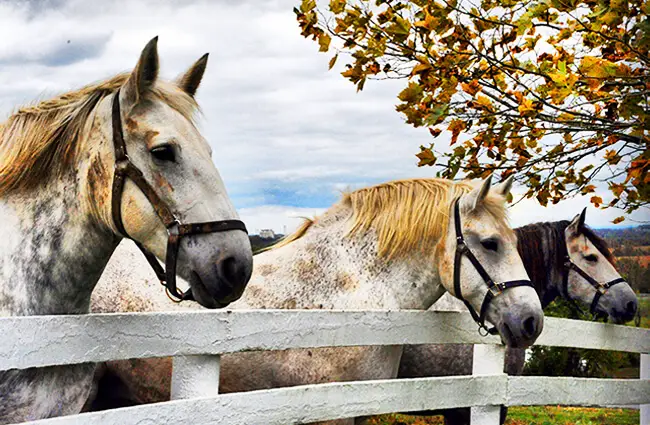
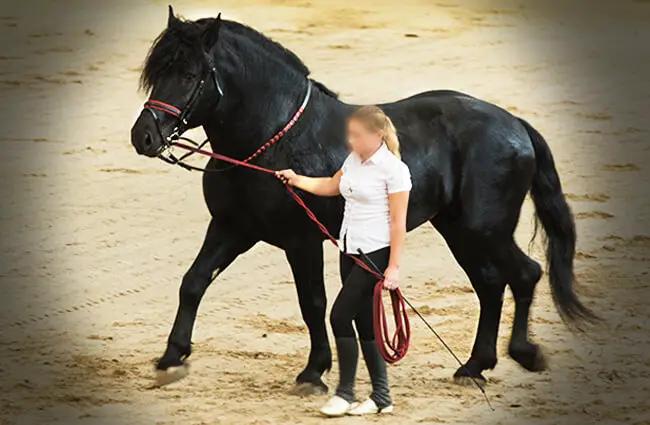
- Coat Colors: While Percherons can be black or gray, gray is the most common color, often appearing in various shades from dappled gray to almost white in older horses. Black Percherons are also highly prized. Other colors, such as roan or bay, are rare and generally not accepted in breed registries.
Temperament: The Gentle Giant’s Heart
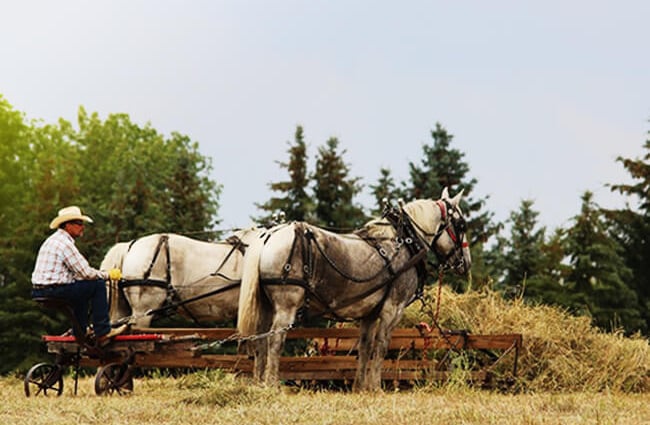
Despite their imposing size, Percherons are celebrated for their calm, docile, and intelligent nature. This gentle disposition makes them highly trainable and a pleasure to work with, whether in harness or under saddle. They are known for their patience and willingness to please, making them suitable for handlers of all experience levels, including children and those new to large horses.
Habitat and Distribution: A Domesticated World
It is important to clarify that Percherons are domesticated animals and do not exist in the wild. Their “habitat” is primarily human-managed environments, such as farms, ranches, equestrian centers, and breeding facilities. Originating in France, their popularity spread globally, particularly to North America, where they became instrumental in agricultural development and urban transportation. Today, they are found across the world, wherever their strength and gentle nature are valued.
Diet: The Fuel for Giants
As herbivores, Percherons thrive on a diet typical of most horses, though their larger size necessitates greater quantities. Their primary diet consists of:
- Forage: High-quality hay and pasture grass form the bulk of their diet. Adequate fiber is crucial for their digestive health.
- Grains: Depending on their workload, Percherons may require supplemental grains such as oats, barley, or specialized commercial horse feeds to meet their energy demands.
- Supplements: Vitamins, minerals, and salt blocks are often provided to ensure a balanced nutritional intake, especially for working or breeding animals.
- Water: Constant access to fresh, clean water is paramount for these large animals.
Lifespan
With proper care, Percherons typically live between 25 and 30 years, a lifespan comparable to many other horse breeds. Their longevity is a testament to their robust health and good genetics.
A Deeper Dive: History, Biology, and Interaction
Beyond their basic characteristics, the Percheron’s story is interwoven with human civilization, reflecting centuries of careful breeding and evolving roles.
Evolutionary History: From Warhorse to Workhorse
The Percheron’s lineage can be traced back to the medieval warhorses of the Perche region, renowned for their ability to carry knights in heavy armor. Over centuries, these horses were selectively bred for increased size, strength, and stamina. A significant turning point in their development was the infusion of Arabian blood during the 8th century and again in the 18th and 19th centuries. This Arabian influence contributed to the Percheron’s refined head, elegant movement, and remarkable endurance, setting them apart from other draft breeds that often lack such grace. The breed’s evolution was driven by the changing needs of agriculture and transportation, culminating in the powerful yet agile draft horse we know today.
Mating and Reproduction: Bringing New Giants into the World
The reproductive cycle of Percherons follows that of most horses. Mares typically reach sexual maturity around 18-24 months, though breeding is often delayed until they are 3-4 years old to ensure full physical development. Stallions are usually bred from 2-3 years of age.
- Mating Season: Horses are seasonally polyestrous, meaning mares cycle during the warmer months, typically spring and summer, when daylight hours are longer.
- Gestation: The gestation period for a Percheron mare is approximately 11 months (around 330-345 days), though it can vary.
- Foaling: Mares typically give birth to a single foal. Foaling usually occurs at night and is a relatively quick process.
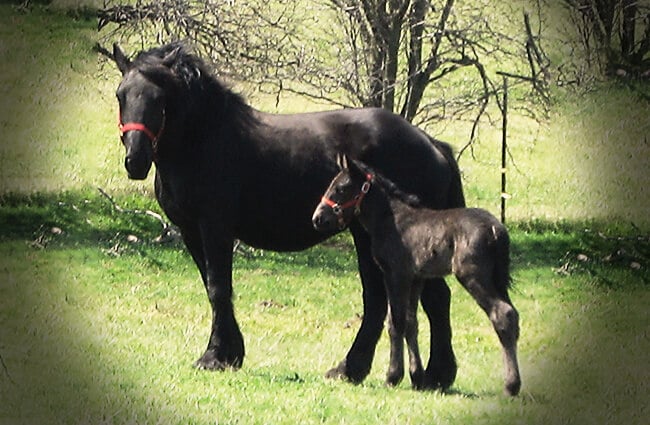
- Foal Care: Percheron foals are large and robust from birth, quickly standing and nursing. The mare provides all necessary care, protection, and nourishment for the first several months. Weaning typically occurs between 4-6 months of age.
Social Structure and Interaction with Other Animals
Percherons, like all horses, are herd animals. In a natural or semi-natural setting, they would form social groups with a clear hierarchy. Within these groups, they communicate through body language, vocalizations, and scent. Their gentle nature generally extends to other animals, and they can coexist peacefully with other livestock such as cattle, sheep, and goats, provided they are introduced properly and have adequate space. However, their primary social bonds are typically with other horses and, due to their long history with humans, with their human handlers.
Contribution to Ecosystem and Interaction with Other Animals
As a domesticated breed, Percherons do not play a direct role in wild ecosystems. Their impact is primarily through their interaction with human agricultural systems. Historically, they were vital for tilling fields, logging forests, and transporting goods, thereby shaping landscapes and facilitating human expansion and resource utilization. In modern contexts, their ecological footprint is managed by their human owners. They contribute to the ecosystem indirectly by grazing pastures, which can help manage plant growth, and their manure can enrich soil, though these are within controlled environments.
Contribution to Human Culture and Interaction with Humans
The Percheron’s contribution to human culture is immense and multifaceted.
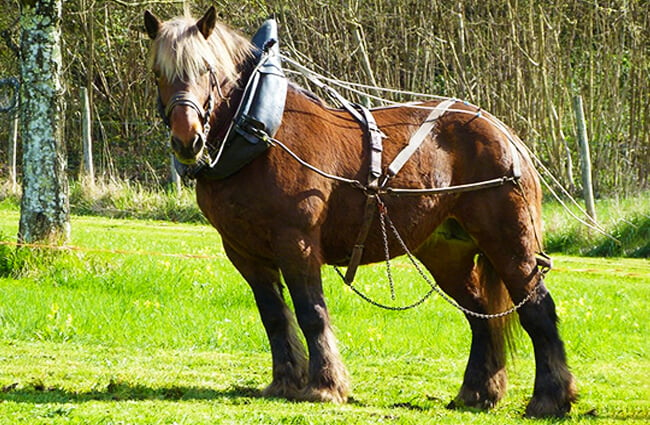
- Agriculture: For centuries, Percherons were the backbone of agriculture, plowing fields, harvesting crops, and pulling farm equipment before the advent of widespread mechanization.
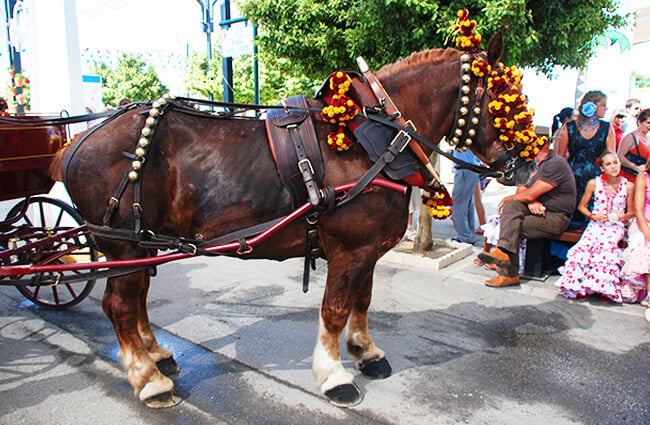
- Transportation: They were essential for pulling carriages, omnibuses, and freight wagons in cities and across vast distances, facilitating trade and travel.
- Warfare: Their ancestors were formidable warhorses, and later Percherons were used to pull artillery and supply wagons.
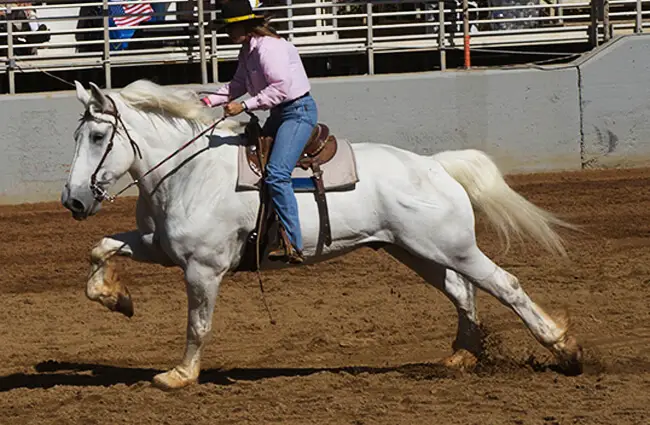
- Ceremonial Roles: Today, Percherons are often seen in parades, hitches, and demonstrations, showcasing their beauty and power. They are popular in competitive driving and even some riding disciplines.
- Therapy and Companionship: Their calm and patient demeanor makes them excellent candidates for therapeutic riding programs and as beloved companions.
Their interaction with humans is characterized by a deep partnership. They are trained from a young age to work alongside people, developing strong bonds with their handlers. This relationship is built on trust, respect, and mutual understanding, making them highly responsive and cooperative animals.
Practical Insights: For Enthusiasts, Students, and Caregivers
Whether you are researching for a paper, dreaming of owning one, or responsible for their care, understanding the practical aspects of Percherons is key.
Caring for a Percheron in Captivity: A Zookeeper’s Guide
Caring for a Percheron, whether in a zoo or on a private farm, requires attention to their specific needs as large, powerful animals. A zookeeper or dedicated caregiver should focus on the following tasks and considerations:
- Dietary Management:
- Provide ample high-quality forage (hay, pasture).
- Supplement with appropriate grains and minerals based on age, weight, and activity level. Avoid overfeeding, which can lead to obesity and laminitis.
- Ensure constant access to fresh, clean water.
- Monitor body condition regularly to adjust feed as needed.
- Housing:
- Require spacious stalls or shelters, typically larger than those for light horse breeds, to allow them to lie down and move comfortably.
- Access to a large, secure paddock or pasture for daily exercise is essential.
- Fencing must be robust and tall enough to safely contain these powerful animals.
- Exercise and Enrichment:
- Daily exercise is crucial for maintaining muscle tone, joint health, and mental well-being. This can include turnout, lunging, driving, or riding.
- Provide enrichment items such as toys, slow feeders, or opportunities for social interaction to prevent boredom.
- Health and Veterinary Care:
- Regular veterinary check-ups, vaccinations, and deworming are vital.
- Pay close attention to hoof care; regular farrier visits (every 6-8 weeks) are necessary due to their large hooves and weight.
- Monitor for common draft horse ailments, such as certain forms of lameness, metabolic issues, and skin conditions.
- Dental care is important, with regular floating (filing teeth) as needed.
- Grooming:
- Daily grooming helps maintain coat health, stimulates circulation, and allows for early detection of skin issues or injuries.
- Special attention should be given to their thick manes and tails.
- Socialization:
- As herd animals, Percherons benefit from interaction with other horses.
- Consistent, gentle handling fosters trust and cooperation.
- What to Avoid:
- Avoid sudden changes in diet.
- Do not house them in cramped or unsafe enclosures.
- Never neglect regular hoof care.
- Avoid harsh or inconsistent training methods, which can undermine their trusting nature.
- Do not allow them to become isolated for extended periods.
Encountering a Percheron in the “Wild”: What to Do
It is crucial to reiterate that Percherons are domesticated animals and do not live in the wild. If one encounters a Percheron, or any horse, seemingly “in the wild,” it is almost certainly a stray, escaped, or abandoned animal. Here is what to do:
- Maintain Distance and Observe: Approach cautiously. While Percherons are generally docile, a loose horse can be unpredictable, especially if frightened or injured.
- Do Not Attempt to Capture Alone: Their size and strength make them difficult to handle without proper experience and equipment. Attempting to do so could result in injury to both the person and the horse.
- Contact Local Authorities: Immediately notify local animal control, the sheriff’s department, or a humane society. Provide a detailed description of the horse and its location.
- Look for Identification: If it is safe to do so, check for a halter with an owner’s tag, or observe if the horse has any brands or distinctive markings that could help identify its owner.
- Offer Water (with Caution): If the horse appears distressed and you have a safe way to offer water without getting too close, this can be helpful. Do not offer food unless advised by authorities, as it could cause digestive upset or make the horse difficult to move.
Remember, the goal is to ensure the horse’s safety and facilitate its return to its owner or a safe facility, not to become a hero by attempting a risky capture.
A Huge List of Interesting Facts About Percherons
The Percheron’s story is full of fascinating tidbits that highlight its unique qualities and historical significance.
- French Origin: The breed originated in the Perche region of Normandy, France, a fertile area known for its livestock.
- Arabian Influence: Unlike many other draft breeds, the Percheron has a significant infusion of Arabian blood, contributing to its refinement, agility, and stamina.
- Versatile Workers: Historically, they pulled stagecoaches, omnibuses, and heavy farm machinery. Today, they excel in logging, plowing, parades, and even competitive driving.
- Popular in America: Percherons were first imported to the United States in 1839 and quickly became the most popular draft breed in the country, especially during the late 19th and early 20th centuries.
- War Heroes: During World War I, Percherons were extensively used by the French army to pull artillery and supply wagons on the front lines.
- Color Evolution: While black and gray are the primary colors, historically, Percherons came in a wider range of colors, but selective breeding favored these two.
- Long-Lived: With proper care, these robust horses can live well into their late twenties or even early thirties.
- Gentle Giants: Their calm and docile temperament is one of their most defining and beloved characteristics, making them suitable for many handlers.
- Impressive Pulling Power: A single Percheron can pull several tons, and teams can pull truly astonishing weights, demonstrating their incredible strength.
- Draft Horse Revival: After a decline in numbers with the advent of mechanization, Percherons experienced a resurgence in popularity for pleasure driving, showing, and sustainable farming.
- Distinctive Gait: They possess a powerful, ground-covering trot that is both efficient and elegant for a horse of their size.
- Mane and Tail: Their manes and tails are typically thick and full, often left natural or braided for shows.
- Used in Crossbreeding: Percherons are sometimes crossed with lighter breeds to produce strong, athletic sport horses with good temperaments.
- Symbol of Strength: They are often featured in advertising and public events as symbols of power, reliability, and heritage.
- Minimal Feathering: Unlike some other draft breeds, Percherons have very little “feathering” (long hair) on their lower legs, which contributes to their clean-legged appearance.
Conclusion: The Enduring Legacy of the Percheron
The Percheron stands as a magnificent example of how selective breeding and a deep understanding of animal welfare can create a truly exceptional creature. From their historical role in shaping human civilization to their modern-day presence in parades, farms, and therapy programs, these gentle giants continue to inspire awe and affection. Their blend of immense power, striking beauty, and an inherently kind disposition ensures their place not just in our history books, but also in our hearts and futures. Understanding the Percheron is to appreciate a living legacy, a testament to the enduring bond between humans and horses.
![Closeup of a beautiful Red Angus cowPhoto by: U.S. Department of Agriculture [pubic domain]https://creativecommons.org/licenses/by/2.0/](https://animals.net/wp-content/uploads/2020/03/Red-Angus-4-238x178.jpg "Red Angus")
![Closeup of a beautiful Red Angus cowPhoto by: U.S. Department of Agriculture [pubic domain]https://creativecommons.org/licenses/by/2.0/](https://animals.net/wp-content/uploads/2020/03/Red-Angus-4-100x75.jpg "Red Angus")