The pelican, with its unmistakable pouch and majestic presence, is a bird that captures the imagination. Far more than just a feathered fish-eater, these ancient aviators are a testament to evolutionary success, thriving across diverse aquatic landscapes worldwide. From their intricate social lives to their vital role in ecosystems, pelicans offer a fascinating glimpse into the natural world’s wonders. This exploration delves into the captivating life of the pelican, revealing insights for the curious observer, the dedicated student, and the seasoned wildlife enthusiast alike.
The Magnificent Pelican: An Introduction to a Feathered Giant
Pelicans belong to the order Pelecaniformes, a group of medium to large water birds characterized by their unique gular pouch. These birds are instantly recognizable by their enormous bills and the elastic pouch beneath, a specialized tool for scooping up prey. While often associated with coastal regions, pelicans inhabit a wide array of aquatic environments, from vast oceans to tranquil inland lakes and rivers.
Their sheer size is often striking. Pelicans are among the largest flying birds, with some species boasting wingspans exceeding ten feet. Despite their bulk, they are graceful in the air, often soaring effortlessly on thermals, a truly breathtaking sight. Their social nature is another defining characteristic, as they typically live and breed in large colonies, creating bustling communities on remote islands or secluded shores.
A World of Pelicans: Exploring Species Diversity
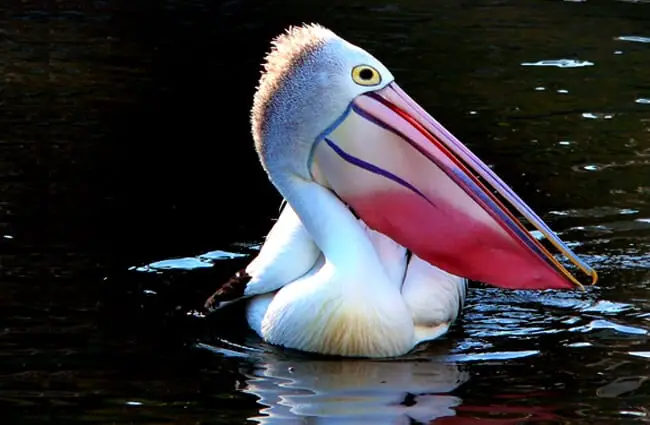
There are eight distinct species of pelicans, each adapted to its specific environment and exhibiting unique behaviors. While they all share the iconic pouch, their appearances, habitats, and hunting styles can vary significantly.
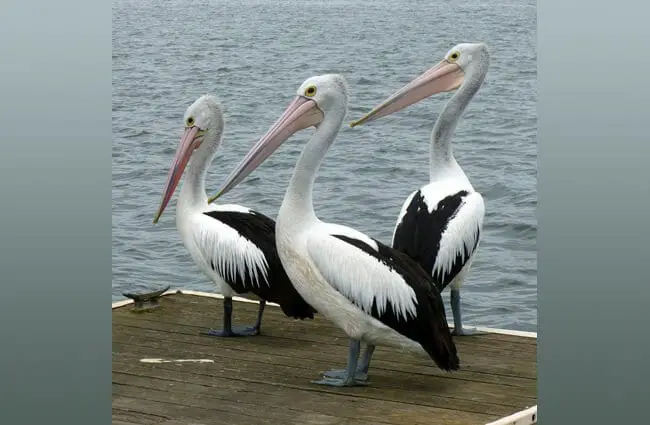
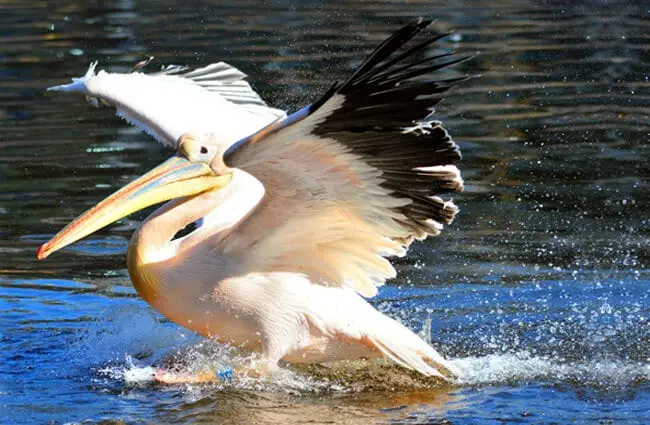
- Great White Pelican (Pelecanus onocrotalus): Also known as the Eastern White Pelican, this species is one of the largest, found in Africa, Asia, and southeastern Europe. They are predominantly white with black flight feathers visible in flight.
- American White Pelican (Pelecanus erythrorhynchos): Native to North and Central America, this large white pelican develops a distinctive fibrous “horn” on its upper bill during the breeding season.
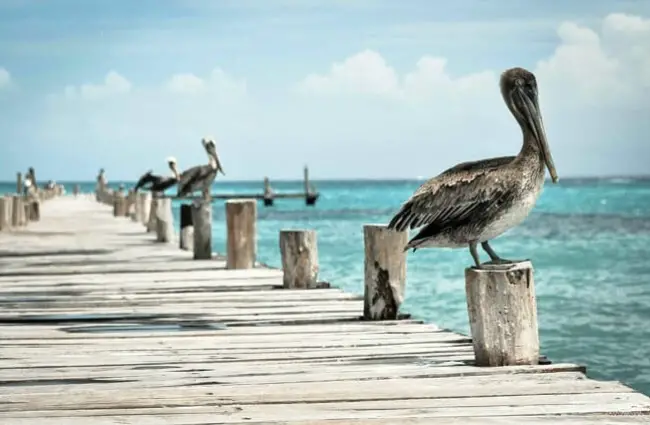
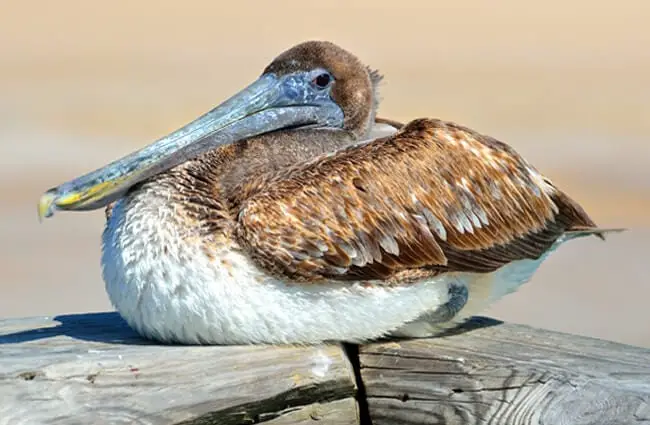
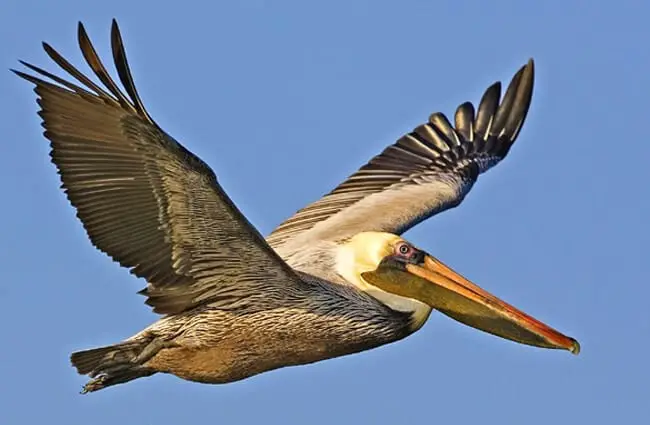
- Brown Pelican (Pelecanus occidentalis): The smallest pelican species, and the only one that hunts by plunge-diving from the air. Found along the coasts of the Americas.
- Peruvian Pelican (Pelecanus thagus): Closely related to the Brown Pelican, this species is found along the Pacific coast of South America and is known for its darker plumage and larger size than its brown cousin.
- Australian Pelican (Pelecanus conspicillatus): Possessing the longest bill of any bird, this species is widespread across Australia and New Guinea.
- Spot-billed Pelican (Pelecanus philippensis): Found in southern Asia, this species has distinctive spots on its upper mandible.
- Pink-backed Pelican (Pelecanus rufescens): A smaller, greyish pelican with a pinkish back, primarily found in Africa and southern Arabia.
- Dalmatian Pelican (Pelecanus crispus): The largest pelican species, found in southeastern Europe, Russia, and Central Asia. It has curly nape feathers and a greyish-white plumage.
Where the Wild Pelicans Roam: Habitat and Distribution
Pelicans are truly cosmopolitan birds, found on every continent except Antarctica. Their primary requirement is access to large bodies of water that can support their fish-rich diet. This includes:
- Coastal Estuaries and Bays: Especially favored by species like the Brown Pelican and Peruvian Pelican, offering abundant marine fish.
- Large Freshwater Lakes and Rivers: American White Pelicans and Great White Pelicans often inhabit these inland waters, particularly during breeding seasons.
- Swamps and Marshes: Providing sheltered areas for nesting and foraging.
- Tropical and Temperate Zones: While many species prefer warmer climates, some, like the Dalmatian Pelican, can tolerate colder temperatures.
Pelicans are highly social birds, often forming large colonies for breeding and roosting. These colonies can number in the thousands and are typically located on isolated islands, remote sandbars, or secluded coastal cliffs, offering protection from terrestrial predators. For an animal lover hoping to spot a pelican in the wild, the best strategy is to visit large, undisturbed bodies of water, particularly coastlines, estuaries, and large inland lakes. Look for groups of large white or brown birds either soaring overhead, fishing in the water, or resting communally on sandbanks or docks. Patience and binoculars are key!
The Art of Fishing: Pelican Diet and Hunting Strategies
The pelican’s diet is overwhelmingly piscivorous, meaning they primarily eat fish. However, they are opportunistic feeders and will supplement their diet with crustaceans, amphibians, and even small birds or eggs if the opportunity arises. Their hunting techniques are as varied as their species:
- Plunge-Diving: The iconic method of the Brown Pelican and Peruvian Pelican. These birds dive headfirst from heights of up to 60 feet, stunning fish on impact and scooping them into their gular pouch.
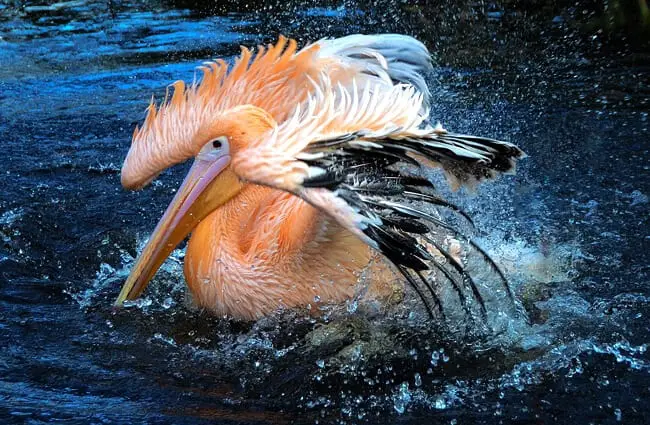
- Surface Skimming and Scooping: Most other pelican species, such as the Great White and American White Pelicans, hunt by swimming on the surface, dipping their heads to scoop up fish. They often work cooperatively.
- Cooperative Hunting: A remarkable display of social intelligence. Groups of pelicans will form a line or a U-shape, beating their wings and driving schools of fish into shallow water, making them easier to catch. This communal effort maximizes their foraging success.
The gular pouch, while appearing enormous, is not used for storing food for long periods. Instead, it acts as a temporary net. Once a fish is caught, the pelican drains the water from the pouch by tilting its head forward, then swallows the fish whole. This efficient system allows them to consume significant amounts of fish daily to fuel their large bodies.
From Courtship to Colony: Pelican Mating and Reproduction
Pelicans are colonial breeders, gathering in large numbers to nest and raise their young. This communal approach offers safety in numbers against predators. The breeding season varies by species and location, often coinciding with abundant food resources.
Courtship and Nesting
- Courtship Displays: These can involve elaborate head-bobbing, bill-clapping, and synchronized flights. Some species, like the American White Pelican, develop temporary breeding structures such as the “horn” on their bill or vibrant plumage colors.
- Nest Construction: Nests can be simple scrapes on the ground lined with vegetation, or elaborate structures built in trees or shrubs. Ground-nesting species often create mounds of dirt and debris, while tree-nesting species build bulky nests of sticks.
- Colonial Sites: Breeding colonies are typically established on isolated islands, remote coastal areas, or dense reed beds, providing protection from terrestrial predators.
Eggs and Chicks
- Clutch Size: Females typically lay 1 to 6 eggs, though 2 to 3 is more common. The eggs are usually chalky white or pale blue.
- Incubation: Both parents share incubation duties, which last approximately 30 to 36 days. Pelicans do not have a brood patch; instead, they incubate their eggs by placing them on top of their webbed feet.
- Hatching and Development: Chicks hatch altricial, meaning they are naked, blind, and completely dependent on their parents. They are fed regurgitated fish, initially a milky substance, then progressively larger fish.
- Sibling Rivalry: In many species, especially when food is scarce, the older, stronger chick often outcompetes its younger siblings, a phenomenon known as siblicide, ensuring the survival of at least one strong offspring.
Young pelicans fledge, or learn to fly, after about 10 to 12 weeks, but they may remain with the colony and their parents for several more weeks, learning essential foraging skills. Sexual maturity is reached between 3 and 5 years of age, and pelicans can live for 15 to 25 years in the wild, and even longer in captivity.
Echoes of the Past: Pelican’s Evolutionary Journey
Pelicans boast an ancient lineage, with fossil records indicating their presence on Earth for at least 30 million years. The earliest known pelican fossil, Pelecanus gracilis, dates back to the Oligocene epoch and was discovered in France. This ancient relative already possessed the characteristic long bill and gular pouch, suggesting that the pelican’s unique feeding apparatus evolved very early in its history.
Their evolutionary stability highlights a highly successful body plan. Over millions of years, pelicans have adapted to various aquatic environments, leading to the diversification of the eight modern species. Their ability to exploit abundant fish resources, coupled with their social breeding strategies, has allowed them to persist through significant environmental changes. Studying pelican fossils provides valuable insights into avian evolution and the ancient ecosystems they inhabited.
Guardians of the Waterways: Pelicans in the Ecosystem
Pelicans play a significant role in the ecosystems they inhabit, primarily as apex predators within their aquatic niches. Their interactions with other animals and their environment contribute to the overall health and balance of these systems.
- Population Control: By consuming large quantities of fish, pelicans help regulate fish populations, preventing overpopulation and maintaining the health of fish stocks.
- Nutrient Cycling: Pelican guano (excrement) deposited in nesting colonies can enrich the soil and water, providing nutrients for plants and other organisms. While too much can be detrimental, in balanced amounts, it contributes to nutrient cycling.
- Scavenging: Some pelican species are known to scavenge on carrion, including dead fish or other animals, helping to clean up their environment.
- Interaction with Other Birds: Pelicans often share nesting and foraging grounds with other waterbirds, such as cormorants, gulls, and terns. While competition for food can occur, they generally coexist, sometimes even benefiting from each other’s presence (e.g., gulls scavenging on dropped fish).
- Indicator Species: Due to their position at the top of the food chain and sensitivity to environmental changes, pelicans can serve as indicator species. Declines in pelican populations or reproductive success can signal broader issues within the aquatic ecosystem, such as pollution or depletion of fish stocks.
Pelicans and Humanity: Culture, Interaction, and Conservation
Pelicans have long held a place in human culture and have interacted with people in various ways throughout history.
Cultural Significance
- Symbolism: In ancient Egypt, pelicans were associated with death and the afterlife. In Christian symbolism, the pelican is a powerful emblem of self-sacrifice and charity, stemming from the ancient belief that a mother pelican would wound her breast to feed her young with her own blood during times of famine. This imagery is often seen in medieval art and heraldry.
- Heraldry: The “pelican in her piety” is a common motif in coats of arms and crests, representing devotion and selflessness.
- Folklore: Various cultures have stories and myths involving pelicans, often highlighting their unique appearance or fishing prowess.
Interaction with Humans
- Fishing Competition: In some areas, pelicans are perceived as competitors by fishermen, leading to historical conflicts. However, studies often show that pelicans typically target different fish species or sizes than commercial fisheries.
- Tourism and Ecotourism: Pelican colonies and feeding grounds are popular attractions for birdwatchers and tourists, contributing to local economies.
- Conservation Challenges: Pelicans face numerous threats from human activities:
- Habitat Loss: Development along coastlines and wetlands reduces crucial nesting and foraging areas.
- Pollution: Oil spills are particularly devastating, coating feathers and making flight and insulation impossible. Pesticides and heavy metals can accumulate in fish, poisoning pelicans.
- Bycatch: Pelicans can become entangled in fishing gear, leading to injury or death.
- Disturbance: Human disturbance at nesting colonies can cause parents to abandon eggs or chicks, leading to reproductive failure.
Conservation efforts, including habitat protection, pollution control, and responsible fishing practices, are crucial for ensuring the long-term survival of pelican populations worldwide. The successful recovery of the Brown Pelican from near extinction due to DDT poisoning in the mid-20th century stands as a testament to effective conservation.
A Beak-full of Wonders: Interesting Pelican Facts
- Longest Bill: The Australian Pelican holds the record for the longest bill of any bird, measuring up to 19.7 inches (50 cm).
- Massive Pouch: A pelican’s gular pouch can hold up to 3 gallons (11-12 liters) of water and fish, though it’s primarily used for scooping, not storage.
- Unique Skeleton: Pelicans have a highly pneumatic (air-filled) skeleton, making them relatively light for their size, aiding in flight and buoyancy.
- Thermoregulation: They can regulate their body temperature by fluttering their gular pouch, increasing blood flow to cool down.
- Synchronized Flight: Pelicans often fly in V-formations or single lines, a behavior that conserves energy for the birds following in the slipstream of the leader.
- Ancient Divers: While most pelicans surface feed, the Brown Pelican is the only species that regularly plunge-dives, a spectacular hunting technique.
- Noisy Chicks: Pelican chicks are quite vocal, emitting loud squawks and grunts to demand food from their parents.
- Lifespan: In the wild, pelicans can live for 15 to 25 years, with some individuals in captivity exceeding 30 years.
Encountering Pelicans in the Wild: A Hiker’s Guide
For hikers and nature enthusiasts, encountering a pelican in its natural habitat is a memorable experience. To ensure both your safety and the well-being of the bird, follow these guidelines:
- Observe from a Distance: Always maintain a respectful distance. Use binoculars or a telephoto lens for close-up views. Approaching too closely can stress the bird, especially during nesting season.
- Do Not Feed: Never offer food to wild pelicans. Feeding can alter their natural foraging behaviors, make them dependent on humans, and expose them to inappropriate foods that can harm their health. It can also lead to aggressive behavior towards humans.
- Respect Nesting Sites: If you stumble upon a pelican colony, retreat immediately and quietly. Disturbing nesting birds can cause them to abandon their eggs or chicks, leaving them vulnerable to predators or exposure.
- Keep Pets Leashed: Ensure dogs are on a leash and under control near any wildlife, including pelicans.
- Report Injured Birds: If you find an injured or distressed pelican, do not attempt to handle it yourself. Contact local wildlife rescue organizations or animal control.
By following these simple rules, you contribute to the conservation of these magnificent birds and ensure that future generations can also enjoy their presence.
Caring for Pelicans in Captivity: A Zookeeper’s Responsibilities
Caring for pelicans in a zoological setting requires specialized knowledge and dedication to replicate their natural environment and meet their complex needs. A zookeeper’s tasks are diverse and crucial for the birds’ welfare.
Essential Tasks for Zookeepers
- Dietary Management: Provide a diet of fresh, high-quality fish (e.g., capelin, smelt, herring) appropriate for the species. Supplementation with vitamins (especially B1, thiamine, to counteract thiaminase in some fish) is vital. Monitor individual intake and adjust as needed.
- Enclosure Maintenance: Ensure the enclosure is spacious, with ample swimming areas, dry land for roosting, and shaded spots. Water quality in pools must be meticulously maintained through filtration and regular cleaning to prevent bacterial growth and disease.
- Social Needs: Pelicans are highly social. House them in groups of their own species or compatible species to fulfill their social requirements. Observe group dynamics to prevent aggression.
- Environmental Enrichment: Provide enrichment items such as floating toys, varied feeding methods (e.g., scattering fish, hiding it), and opportunities for natural behaviors like preening and sunbathing.
- Health Monitoring: Conduct daily visual health checks for signs of illness, injury, or behavioral changes. This includes observing plumage condition, gait, appetite, and droppings. Regular veterinary check-ups, including weight monitoring and parasite screening, are essential.
- Breeding Programs: If part of a breeding program, monitor nesting behavior, egg laying, and chick development. Provide appropriate nesting materials and privacy.
What to Avoid
- Stale or Improper Fish: Never feed pelicans fish that is not fresh or has been improperly stored, as this can lead to severe health issues, including thiamine deficiency.
- Overcrowding: Avoid housing too many pelicans in an enclosure, as this can lead to stress, aggression, and increased disease transmission.
- Poor Water Quality: Neglecting water filtration and cleaning can quickly lead to skin infections, foot problems, and other health issues.
- Lack of Social Interaction: Isolating a pelican can cause psychological distress.
- Sudden Changes: Avoid abrupt changes in diet, enclosure setup, or social groups, as these can be stressful for the birds.
- Unnecessary Handling: Minimize handling to reduce stress. When handling is necessary for veterinary care, do so calmly and efficiently.
A dedicated zookeeper ensures that pelicans in human care not only survive but thrive, serving as ambassadors for their wild counterparts and contributing to conservation efforts through education and research.
Conclusion: The Enduring Legacy of the Pelican
From their ancient origins to their modern-day struggles and triumphs, pelicans are truly remarkable creatures. Their unique adaptations, complex social structures, and vital ecological roles paint a picture of resilience and natural wonder. Whether soaring gracefully above coastal waters or cooperatively herding fish in a freshwater lake, these magnificent birds continue to inspire awe and curiosity. Understanding and appreciating the pelican’s world is not just about learning facts; it is about recognizing our shared responsibility to protect the delicate balance of the ecosystems they call home, ensuring that the iconic silhouette of the pelican continues to grace our skies and waterways for generations to come.
![Closeup of a beautiful Red Angus cowPhoto by: U.S. Department of Agriculture [pubic domain]https://creativecommons.org/licenses/by/2.0/](https://animals.net/wp-content/uploads/2020/03/Red-Angus-4-238x178.jpg "Red Angus")
![Closeup of a beautiful Red Angus cowPhoto by: U.S. Department of Agriculture [pubic domain]https://creativecommons.org/licenses/by/2.0/](https://animals.net/wp-content/uploads/2020/03/Red-Angus-4-100x75.jpg "Red Angus")