Unveiling the World of Partridge: A Comprehensive Guide
Partridges, those often overlooked ground‑dwelling birds, represent a fascinating intersection of natural history, ecological importance, and cultural significance. Belonging to the pheasant family (Phasianidae), partridges are found across Europe, Asia, and parts of Africa, showcasing remarkable adaptability and a rich evolutionary story. This guide delves into the multifaceted world of these captivating birds, from their physical characteristics and habitat to their behaviors, ecological roles, and interactions with humans.
What Exactly Is a Partridge?
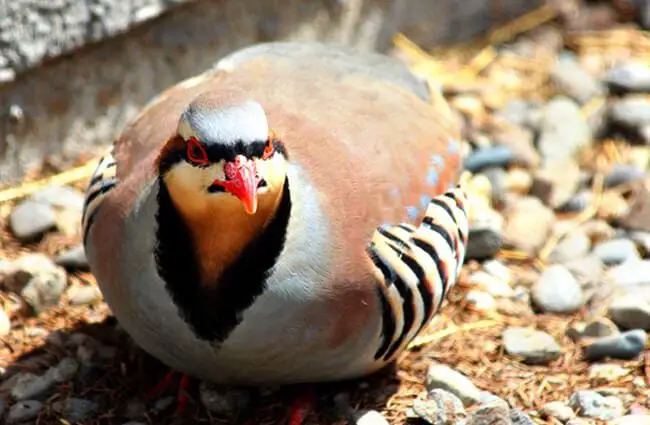
The term “partridge” doesn’t refer to a single species, but rather to a group of medium‑sized game birds. Several species exist, each with unique characteristics, but they share common traits. Generally, partridges are plump birds with mottled brown and grey plumage, providing excellent camouflage in their preferred habitats. They are characterized by short, rounded wings, strong legs adapted for scratching in the undergrowth, and a distinctive covey call—a soft, clucking sound used to maintain contact within a group. Adults typically range in size from 30 to 40 centimeters in length.
Species Spotlight
While numerous partridge species exist, some are more well‑known than others. The Grey Partridge (Perdix perdix) is perhaps the most familiar in Europe, often associated with agricultural landscapes. The Red‑legged Partridge (Alectoris rufa) is another common sight, particularly in southern Europe, and is known for its striking red legs—a feature that distinguishes it from its grey‑legged cousins. The Rock Partridge (Alectoris graeca) inhabits rocky terrains and is known for its resilience. Each species has adapted to its specific environment, leading to variations in size, plumage, and behavior.
Habitat and Distribution
Partridges exhibit a wide range of habitat preferences, but generally favor open landscapes with a mix of grassland, scrub, and agricultural fields. They require areas for foraging, nesting, and seeking shelter from predators. Grey Partridges are often found in cereal fields and hedgerows, benefiting from the abundance of seeds and insects. Red‑legged Partridges thrive in more rugged terrains, including heathland, vineyards, and rocky slopes. Rock Partridges, as their name suggests, prefer steep, rocky hillsides and alpine meadows. Their distribution closely follows these habitat preferences, with populations concentrated in areas where these conditions are met.
Diet and Foraging Behavior
Partridges are omnivorous birds with a varied diet that changes seasonally. Seeds constitute a significant portion of their diet, especially during the autumn and winter months. They also consume insects, larvae, berries, buds, and occasionally small invertebrates. Foraging takes place on the ground, with partridges using their strong legs to scratch through leaf litter and vegetation in search of food. They often feed in coveys, increasing their vigilance against predators. The availability of food resources plays a crucial role in their survival and reproductive success.
Reproduction and Life Cycle
Partridge breeding season typically occurs in the spring. Males attract females through elaborate displays involving calling and strutting. Once a pair bond is formed, they construct a shallow scrape in the ground, lined with vegetation, to serve as a nest. The female lays a clutch of 8 to 16 eggs, which are incubated for approximately 24 to 26 days.
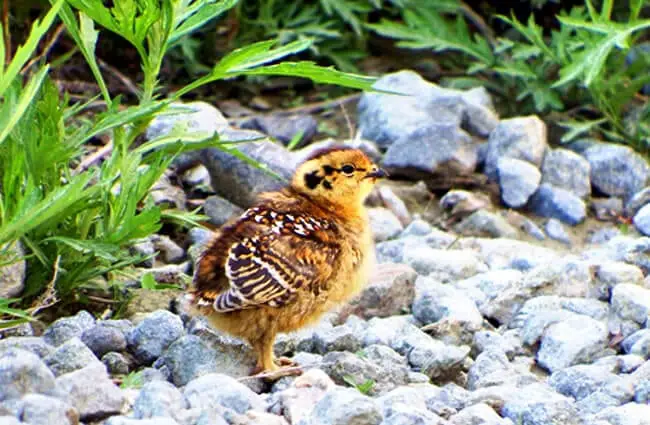
Upon hatching, the chicks, known as “eyases”, are precocial—meaning they are relatively mature and capable of walking and feeding themselves shortly after birth. They remain with their parents for several weeks, learning essential foraging skills and predator avoidance strategies. Young partridges typically form small family groups that stay together throughout the winter. Survival rates are often low, particularly during the first few weeks of life, due to predation and harsh weather conditions.
Ecological Role and Interactions
Partridges play an important role in their ecosystems, contributing to seed dispersal and insect control. They also serve as prey for various predators, including foxes, hawks, eagles, and other birds of prey. Their foraging activities can influence vegetation structure and composition. In agricultural landscapes, partridges can benefit from spillover seed from crops, but they can also be impacted by intensive farming practices. Competition for resources with other ground‑dwelling birds, such as pheasants, can also occur.
Human Interactions and Cultural Significance
Historically, partridges have been valued as game birds, providing a source of food for humans. Hunting partridges remains a popular activity in many parts of Europe and Asia. However, populations have declined in recent decades due to habitat loss, intensive agriculture, and pesticide use. Conservation efforts are underway to restore partridge populations and promote sustainable management practices.
Partridges also feature in folklore and literature, often symbolizing abundance, good luck, and the pleasures of country life. The phrase “as free as a partridge” conveys a sense of uninhibited liberty. Their presence in art and literature reflects their cultural significance and enduring appeal.
Partridge Encounter Guide: What to Do If You Meet One
If you encounter a partridge in the wild, observe it from a distance, avoiding any disturbance. Do not approach or attempt to handle the bird, as this can cause stress and disrupt its natural behavior. Keep pets on a leash to prevent them from chasing or harassing the partridge. If you encounter a sick or injured bird, contact a local wildlife rehabilitation center for assistance.
Caring for Partridges in Captivity
For zookeepers and wildlife rehabilitators caring for partridges, providing a spacious enclosure that mimics their natural habitat is crucial. The enclosure should include a mix of grassland, scrub, and rocky areas, providing opportunities for foraging, dust bathing, and shelter. A varied diet consisting of seeds, grains, insects, and leafy greens should be provided. Regular health checks are essential to monitor for any signs of illness or injury. Providing environmental enrichment, such as branches, logs, and dust baths, can help stimulate natural behaviors and improve the birds’ welfare. Avoid overcrowding and ensure proper hygiene to prevent the spread of disease.
A Deeper Dive for Aspiring Zoologists
The evolutionary history of partridges is complex, with recent genetic studies suggesting that they are more closely related to pheasants than previously thought. Their adaptability to various habitats and their ability to thrive in both natural and agricultural landscapes make them an ideal subject for ecological research. Studying their foraging behavior, breeding strategies, and predator‑prey interactions can provide valuable insights into the dynamics of avian populations. Conservation challenges facing partridge populations, such as habitat loss and fragmentation, require innovative solutions and collaborative efforts.
The world of partridges is a testament to the beauty and complexity of nature. By understanding their biology, ecology, and cultural significance, we can appreciate these remarkable birds and work to ensure their survival for generations to come.
![Closeup of a beautiful Red Angus cowPhoto by: U.S. Department of Agriculture [pubic domain]https://creativecommons.org/licenses/by/2.0/](https://animals.net/wp-content/uploads/2020/03/Red-Angus-4-238x178.jpg "Red Angus")


![Closeup of a beautiful Red Angus cowPhoto by: U.S. Department of Agriculture [pubic domain]https://creativecommons.org/licenses/by/2.0/](https://animals.net/wp-content/uploads/2020/03/Red-Angus-4-100x75.jpg "Red Angus")