
The Fascinating World of Pack Rats
Often overlooked, the pack rat, also known as woodrat, is a creature of surprising complexity and ecological importance. These resourceful rodents, belonging to the genus Neotoma, exhibit behaviors that range from meticulous collecting to sophisticated social interactions. This comprehensive guide explores the pack rat’s natural history, behavior, and its role within the ecosystem, offering insights for students, animal enthusiasts, and anyone curious about these captivating animals.
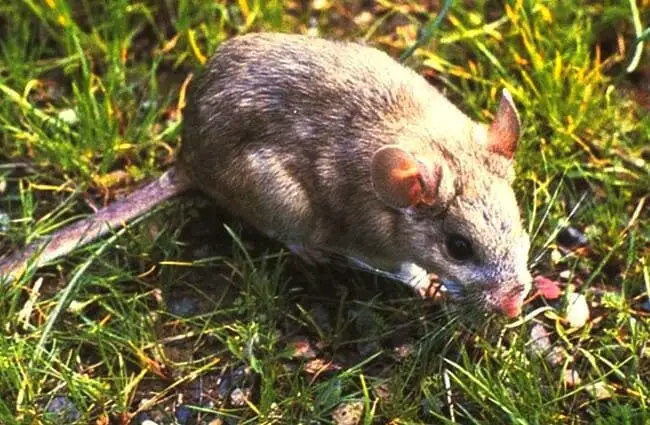
The term “pack rat” comes from the animal’s notorious habit of collecting objects and adding them to its nest, often called a midden. These aren’t just random collections; the midden serves as a reflection of the pack rat’s foraging habits and even its preferences. While some species are generalists, others exhibit particular tastes in the items they hoard. There are over 20 different species of pack rats found primarily in North and South America, each adapted to its specific environment.
Pack rats are highly adaptable and occupy a diverse range of habitats. They are found in forests, deserts, grasslands, and rocky areas throughout the Americas. Their distribution varies depending on the species. Some, like the Eastern Woodrat, are common in eastern North America, while others, like the Riparian Woodrat, are restricted to specific regions and face conservation challenges. They typically build their nests in rock crevices, caves, thickets, or abandoned buildings, utilizing the midden as an extension of their living space.
The evolutionary history of pack rats is rooted in the rodent family Cricetidae. Fossil evidence suggests that the ancestors of modern pack rats emerged in North America during the Miocene epoch, approximately 23 million years ago. Over time, different species evolved, adapting to their specific environments and developing unique behaviors. The ability to collect and hoard objects is believed to have evolved as a survival strategy, providing resources during times of scarcity and aiding in the construction of secure nests. Analysis of midden contents also offers a glimpse into past environments and the evolution of plant communities.
Pack rats are primarily herbivores, with their diet consisting of leaves, stems, seeds, fruits, and buds. They are known for their selective foraging, often choosing nutritious and palatable plant parts. However, their diet is not limited to plants. They also consume insects, fungi, and even carrion when available. A unique adaptation is their ability to extract toxins from certain plants, such as juniper berries, and store them in their urine, creating a foul smelling deterrent against predators. This behavior, while effective, also makes them somewhat unpopular with humans who venture into their territory.
Pack rats are generally monogamous, forming long term pair bonds. Mating typically occurs during the spring and fall months. Gestation lasts for approximately 30 to 40 days, resulting in litters of two to four pups. The pups are born blind and helpless, relying entirely on their parents for care. They are weaned after several weeks and reach sexual maturity within a year. The strong pair bond between parents contributes to the survival of their offspring, with both parents actively involved in foraging, nest building, and protecting their young.
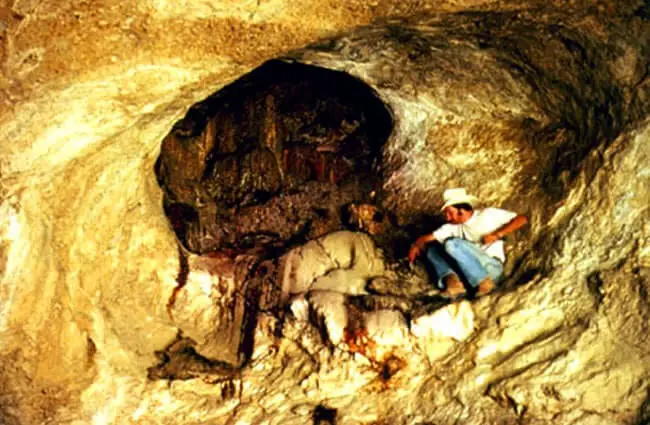
Pack rats play a significant role in their ecosystems. As herbivores, they influence plant communities through selective foraging. Their midden construction also contributes to soil aeration and nutrient cycling. Furthermore, they serve as a food source for various predators, including owls, hawks, foxes, and coyotes. They also interact with other animals through seed dispersal, as seeds consumed and stored in their middens can germinate and establish new plants. However, their hoarding behavior can sometimes lead to competition with other rodents for resources.
Human interactions with pack rats have been complex. Historically, Native Americans utilized pack rat middens as a source of materials for tools, shelter, and medicinal purposes. However, pack rats are often considered pests because they enter homes and buildings, damage property, and hoard objects. They can also transmit diseases, although this is relatively rare. In some areas, pack rats are protected because of declining populations and habitat loss. Responsible coexistence involves sealing entry points to homes, removing potential food sources, and avoiding the use of poisons.
The conservation status of pack rats varies depending on the species. While some species are relatively common, others face significant threats from habitat loss, fragmentation, and climate change. The Key Largo Woodrat, for example, is listed as endangered because of its restricted range and vulnerability to hurricanes and development. Riparian Woodrats also face declines due to habitat degradation and water pollution. Conservation efforts involve protecting and restoring critical habitat, controlling invasive species, and implementing sustainable land management practices.

If you are hiking or exploring pack rat habitat, you might encounter signs of their presence. Look for middens, which are easily recognizable piles of twigs, leaves, and collected objects. You might also find droppings, which are typically small and cylindrical. Pack rats are most active at night, so you are less likely to see them during the day. If you encounter a pack rat, it is best to observe it from a distance and avoid approaching or disturbing it.
Caring for pack rats in captivity requires specialized knowledge and attention. They need spacious enclosures that mimic their natural habitat, with plenty of climbing structures, nesting materials, and hiding places. Their diet should consist of a variety of fresh vegetables, fruits, seeds, and commercial rodent food. It is crucial to provide them with enrichment activities, such as puzzle toys and foraging opportunities, to prevent boredom and promote their physical and mental well being. Regular veterinary check ups are also essential to ensure their health and prevent diseases. It is very important to provide a varied diet and ample space for foraging and exploration.
Interesting Facts about Pack Rats
- Some species of pack rats are known for their scent marking, using urine and feces to communicate with other pack rats.
- Pack rat middens can provide valuable insights into past ecosystems and climate change.
- The Eastern Woodrat is a particularly skilled builder, constructing elaborate middens that can last for decades.
- The Key Largo Woodrat is one of the most endangered mammals in North America.
- Pack rats have a remarkable ability to survive in harsh environments, such as deserts and rocky canyons.
![Cute little Pack Rat Photo by: USFWS Mountain-Prairie [Public domain] https://creativecommons.org/licenses/by-nc-sa/2.0/](https://animals.net/wp-content/uploads/2019/10/Pack-Rat-3-650x425.jpg)
Conclusion
Pack rats are fascinating creatures that play a vital role in their ecosystems. Their unique behaviors, ecological importance, and evolutionary history make them a captivating subject of study. By understanding and appreciating these often-overlooked rodents, we can contribute to their conservation and ensure their survival for generations to come. Their intricate nests and surprising habits demonstrate the beauty and complexity of the natural world.
![Closeup of a beautiful Red Angus cowPhoto by: U.S. Department of Agriculture [pubic domain]https://creativecommons.org/licenses/by/2.0/](https://animals.net/wp-content/uploads/2020/03/Red-Angus-4-238x178.jpg "Red Angus")



![Closeup of a beautiful Red Angus cowPhoto by: U.S. Department of Agriculture [pubic domain]https://creativecommons.org/licenses/by/2.0/](https://animals.net/wp-content/uploads/2020/03/Red-Angus-4-100x75.jpg "Red Angus")